Bain de Cleopatre (Cleopatra’s Bath) — History & Analysis
“Under the brush, chaos becomes grace.” This sentiment echoes through the intricate lines and tender textures of a world both lush and fleeting, where loss lingers in every brushstroke. Look to the center of the canvas, where Cleopatra reclines amidst a cascade of silks and blossoms, her expression a medley of contemplation and nostalgia. The soft pastels invoke warmth, while the rich greens and golds envelop her in a sense of opulence. Notice how the artist masterfully plays with light, allowing it to dance upon her delicate skin, suggesting both vibrancy and fragility; a fleeting beauty that feels both eternal and ephemeral.
The juxtaposition of lush surroundings with her contemplative gaze speaks to a deeper narrative of loss and longing. The abundance of flowers may symbolize the transient nature of beauty and desire, while the almost palpable silence in the painting suggests moments of introspection and regret. Each petal, each drape of fabric, tells a story of fleeting pleasures and the inevitable decay that follows, mirroring the fate of the pharaoh herself.
In 1841, when this work was created, the artist found himself navigating the dynamic world of Romanticism, a movement that championed emotion and individuality. Horeau was immersed in a Paris where classical themes were being revived and reimagined, reflecting the tumultuous societal changes of the time. This period of his life was marked by both artistic exploration and a fascination with historical narratives, as he sought to capture the essence of a legendary figure whose beauty was both celebrated and doomed.
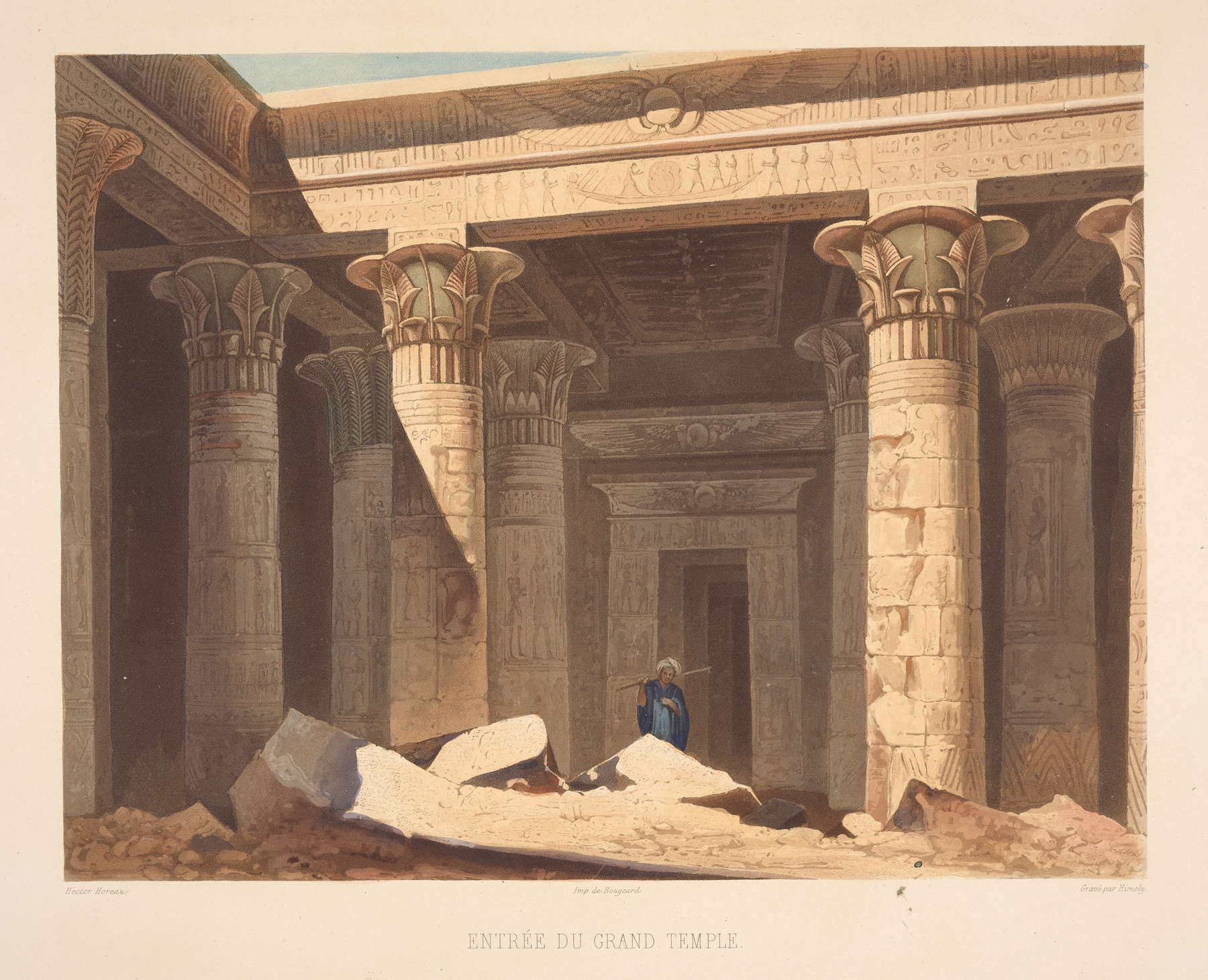
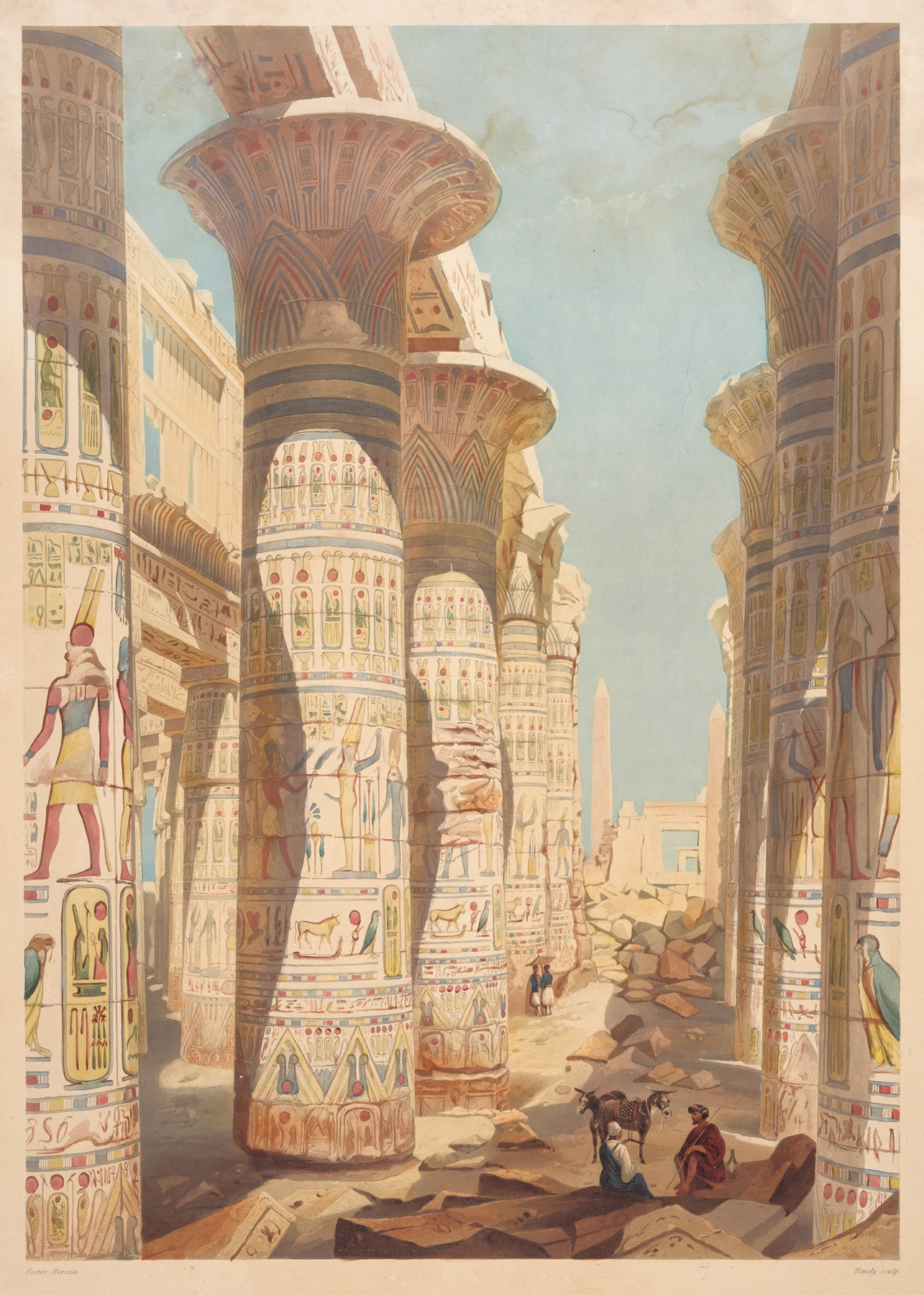
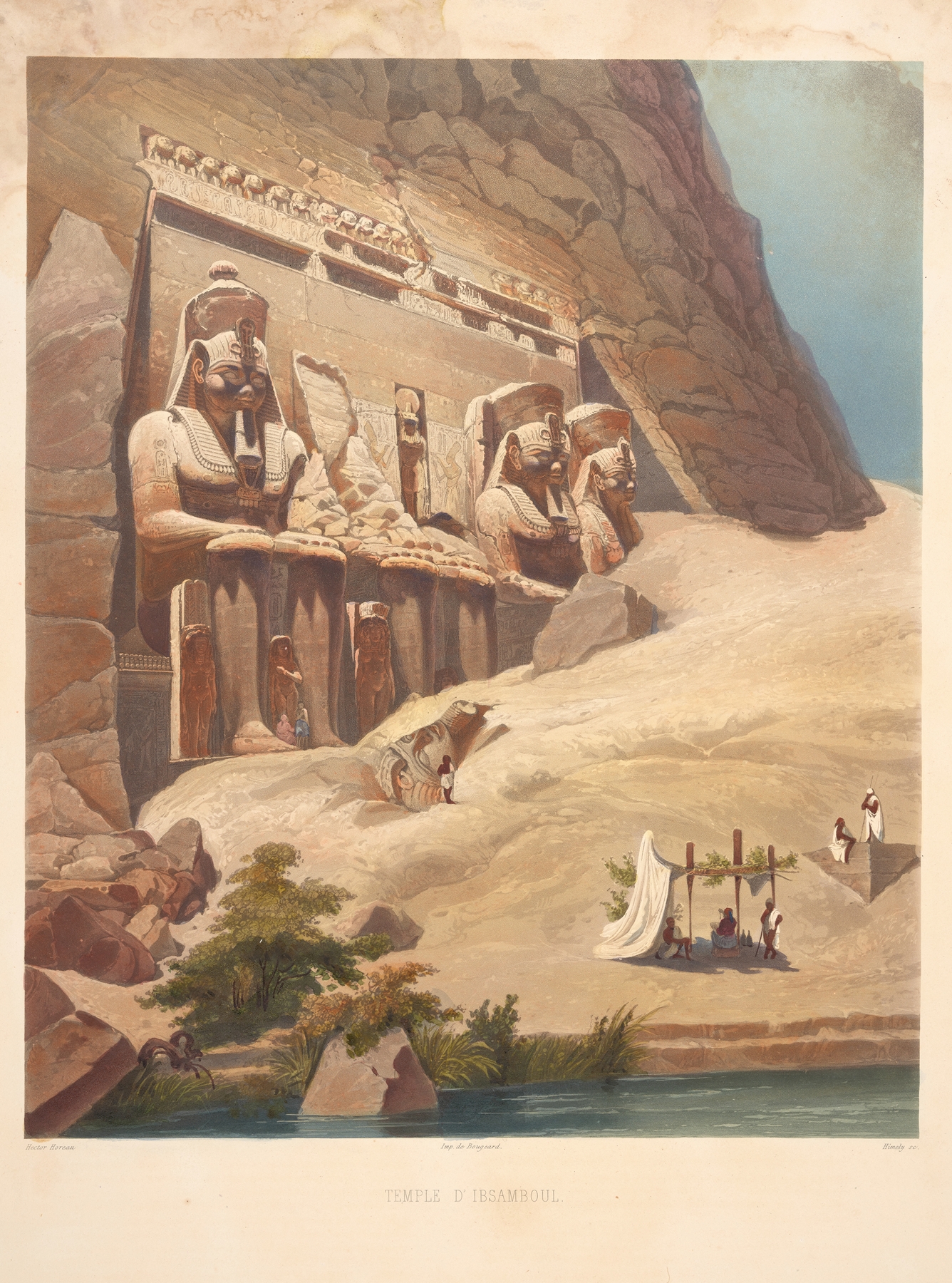
![Temple d’Ibsamboul [Interior view] (Temple of Abu Simbel), by Hector Horeau, public domain](https://froigstrpvutwqtqikzt.supabase.co/storage/v1/object/public/art-images/artworks/3156dbe8015f5681be442de2c2c50af40c84d5e10e8f68f04f9a54d6d857255f.jpg)