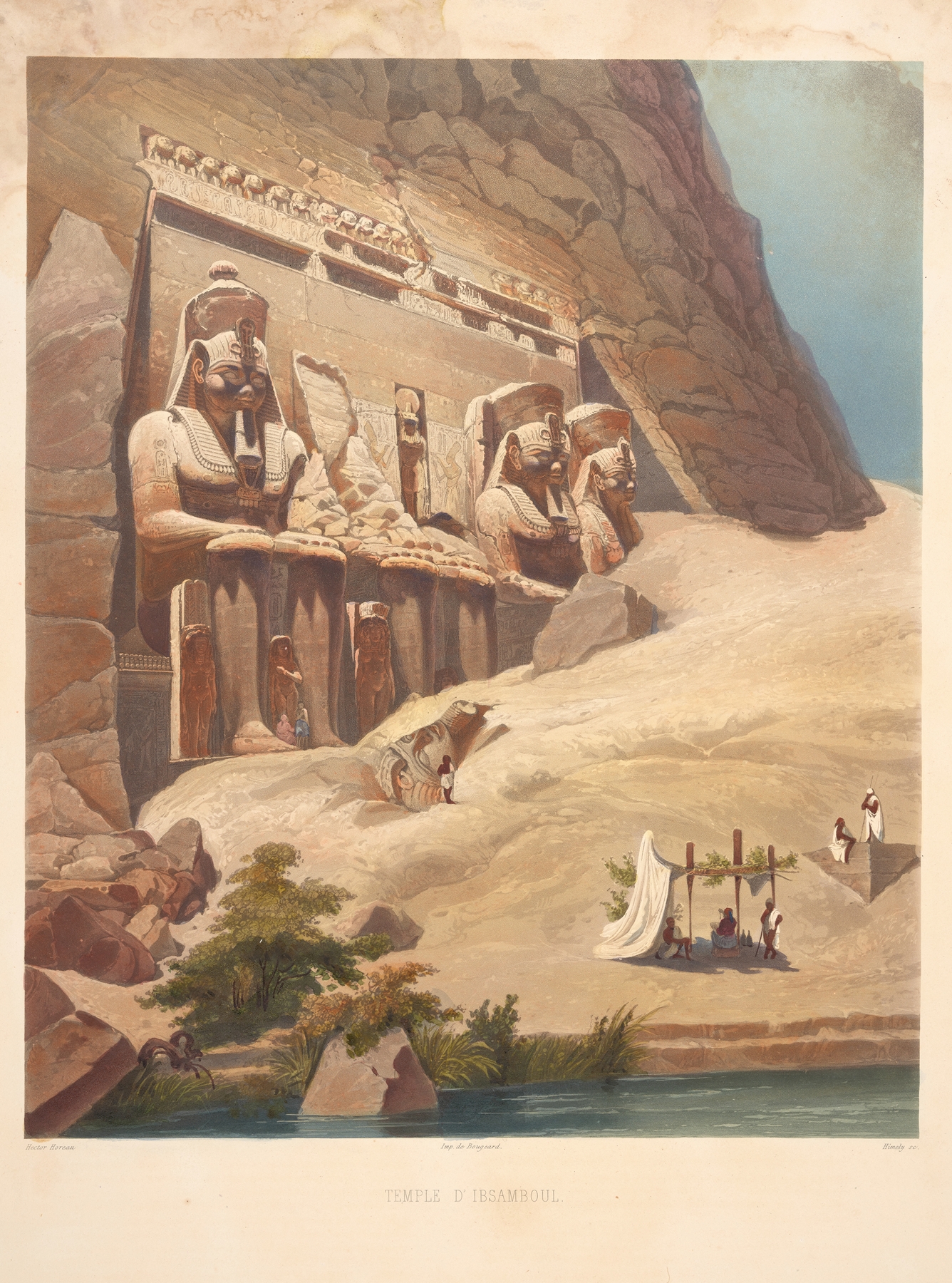
Temple d’Ibsamboul [Interior view] (Temple of Abu Simbel) — History & Analysis
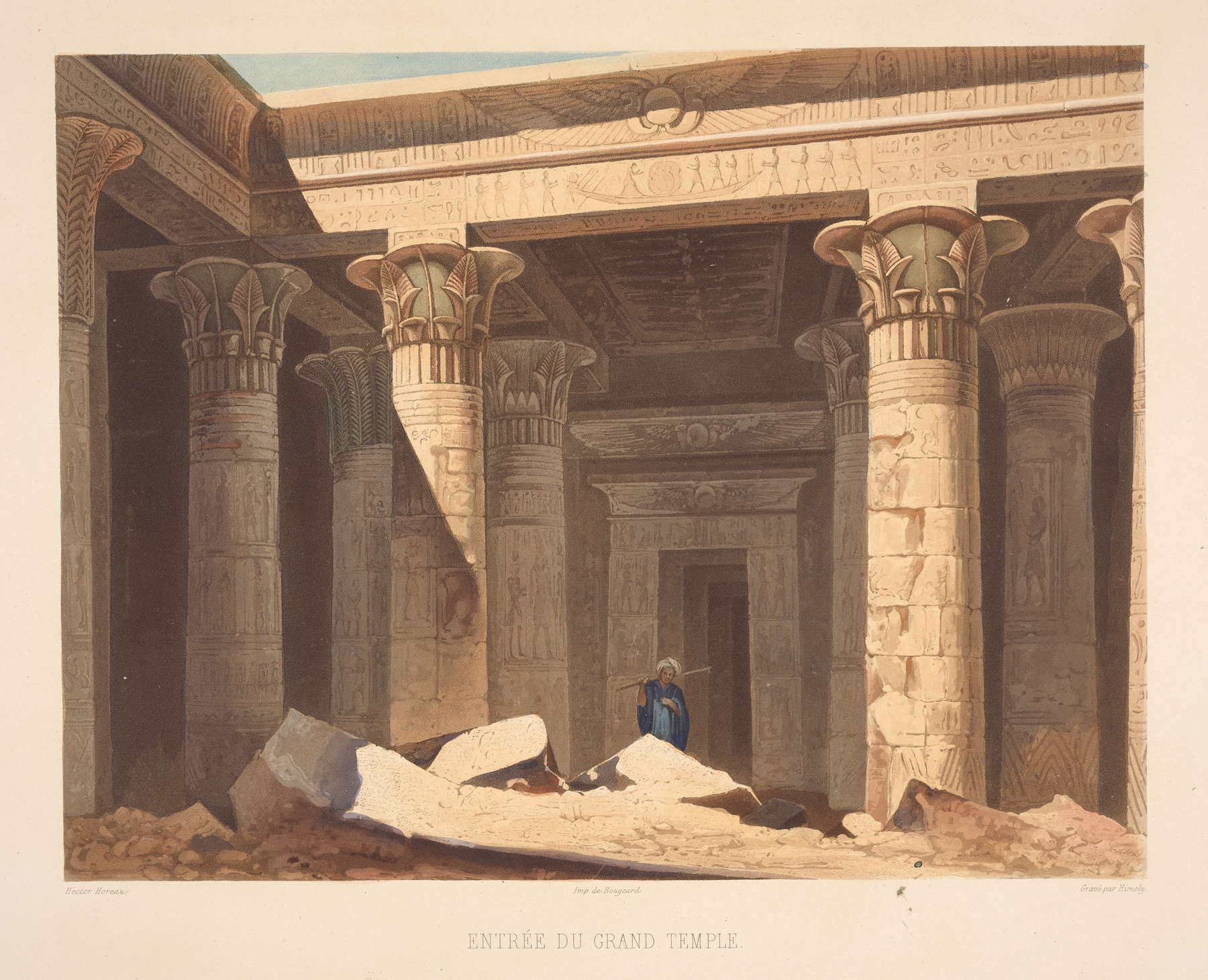
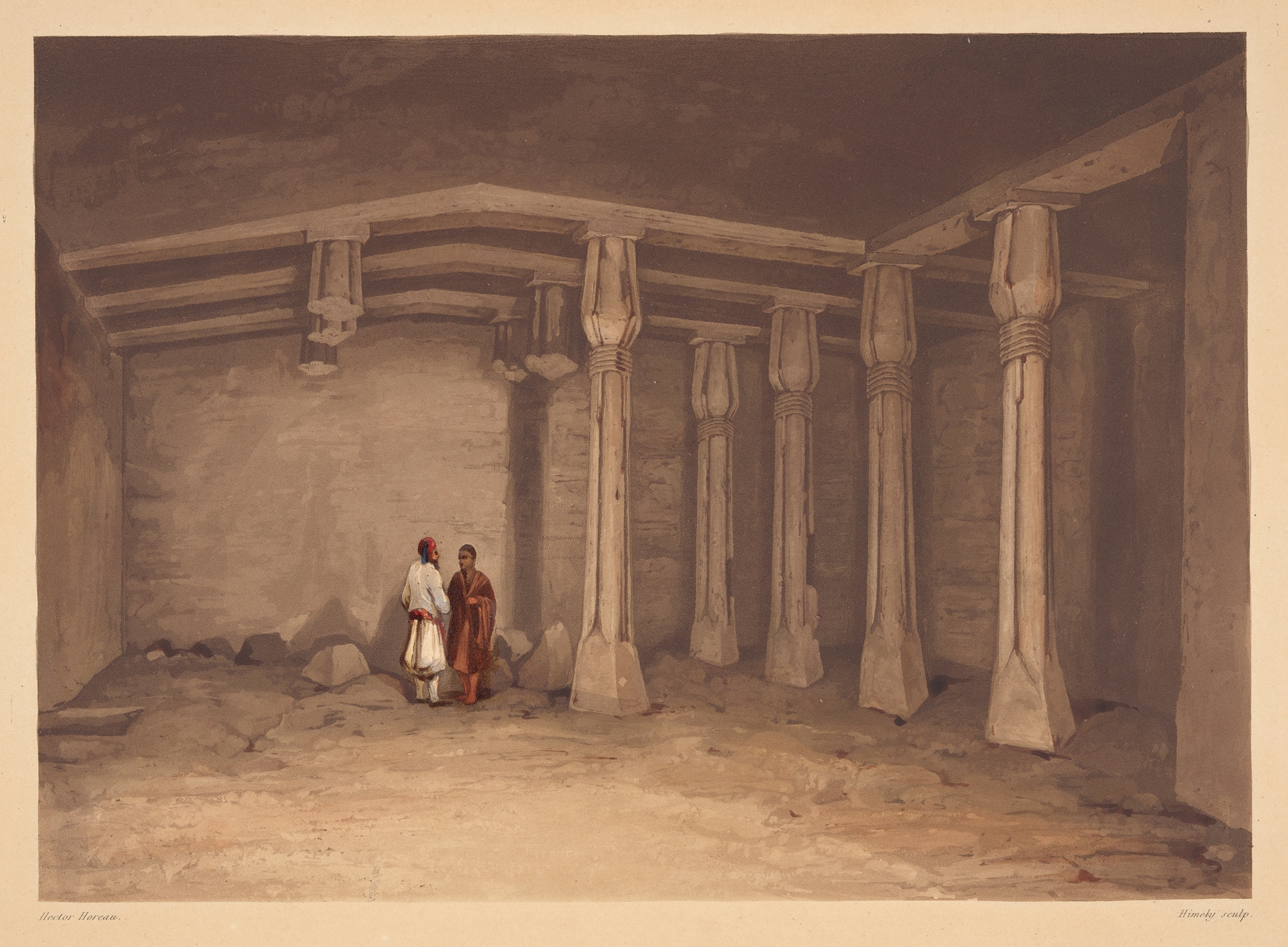
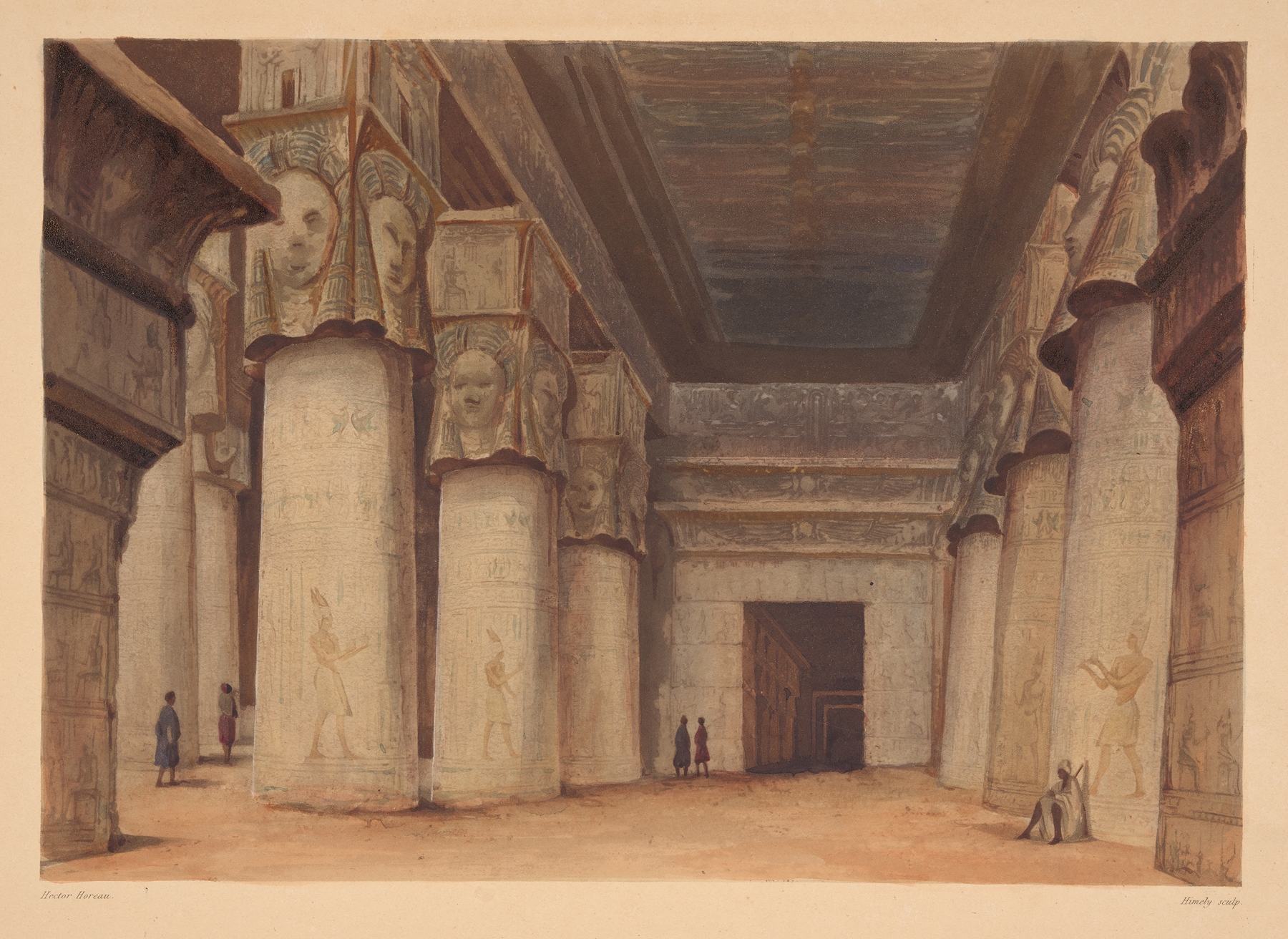
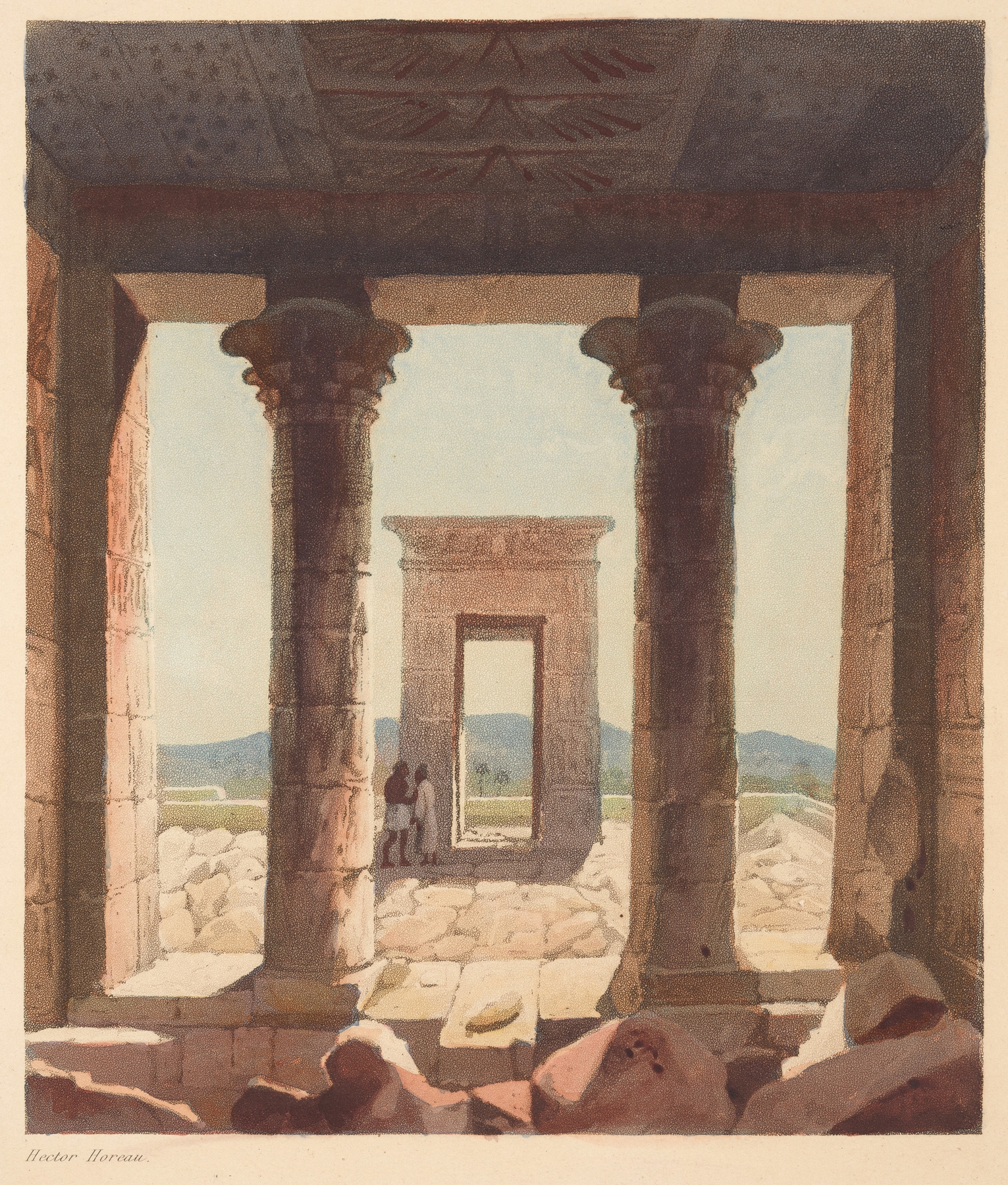
When did color learn to lie? In a world saturated with vibrancy, it can conceal the chilling specter of isolation, whispering tales of forgotten grandeur. Focus on the warm ochres and deep browns that envelop the interior of the temple, where shadows dance like ghostly figures in the flickering light. Look closely at the intricate carvings that adorn the walls; they tell stories of ancient gods and rituals, yet the silence resonates louder than any epic tale.
Notice how the structure's imposing columns stand like sentinels, their weighty presence creating a feeling of both shelter and confinement, as if the space itself longs for companionship. Hidden beneath the layers of history and artistry is a profound sense of loneliness, echoing the time that has passed since the temple was once a vibrant place of worship. The juxtaposition of the magnificent artistry against the vast emptiness speaks to the transience of human endeavor. Each crack and shadow seems to mourn the absence of life and sound, reminding us that beauty can often exist in isolation, encapsulating both reverence and neglect.
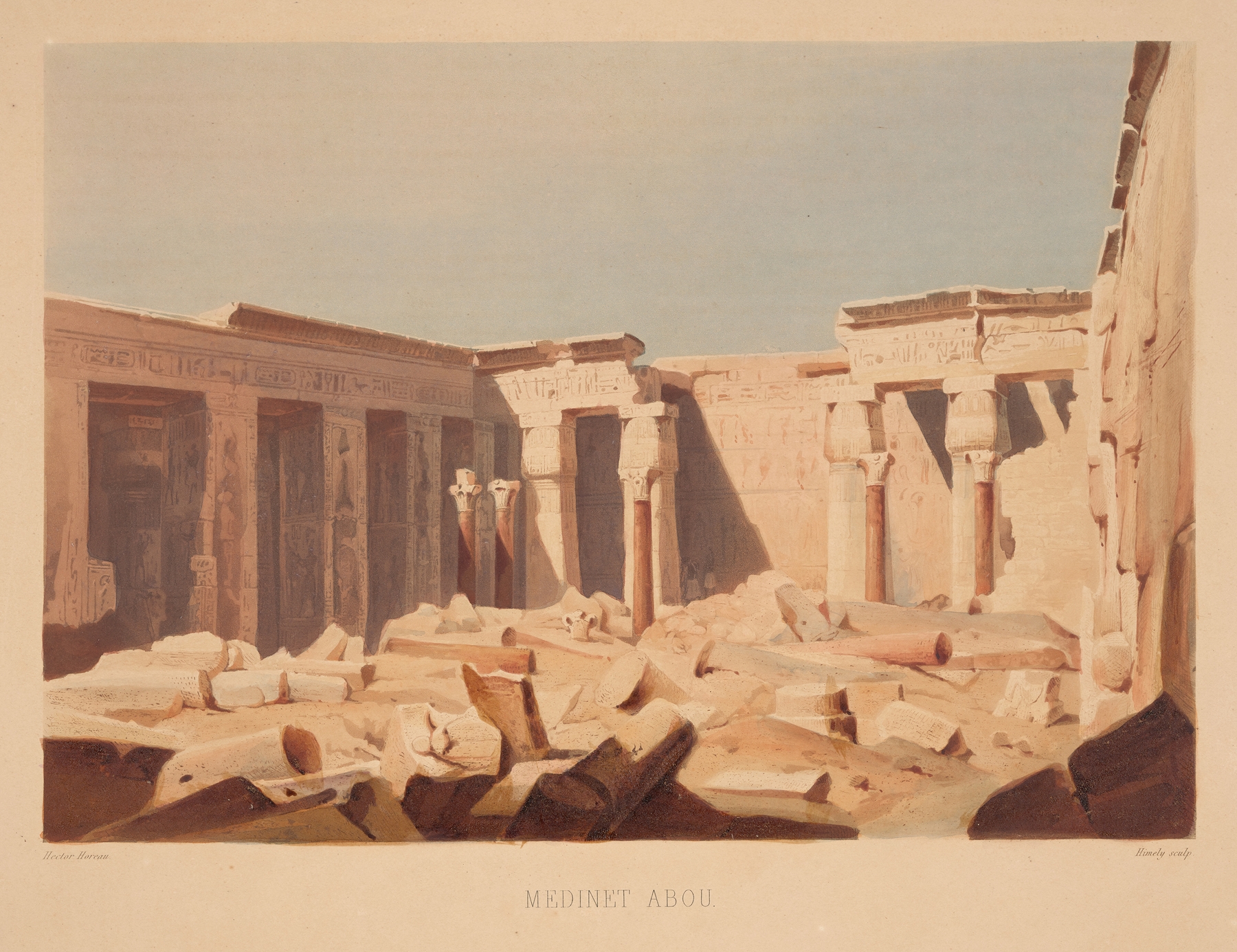
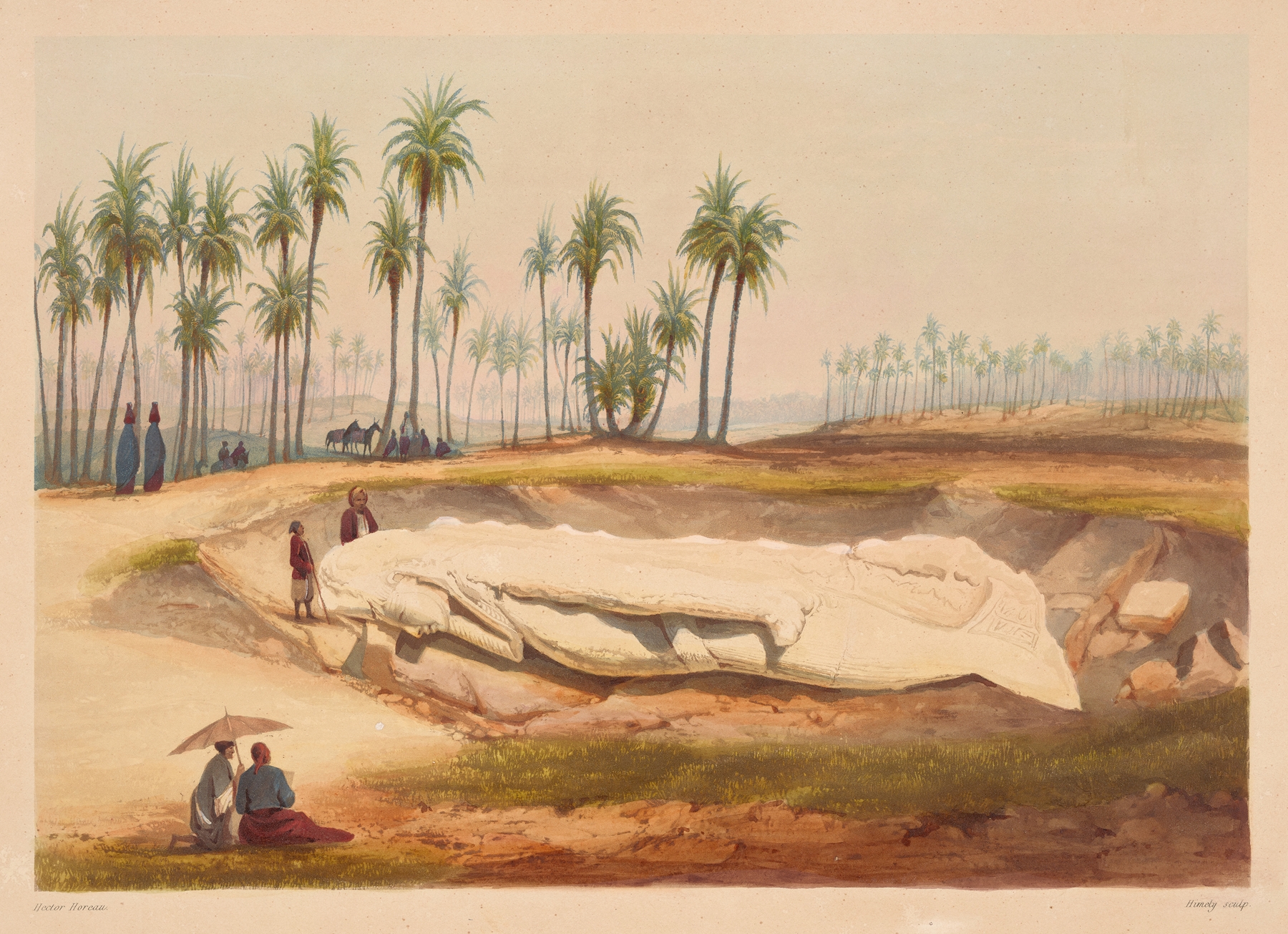
Hector Horeau painted this interior view in 1841 during a period of burgeoning interest in Egyptian antiquities, as European explorers and artists sought to uncover the mysteries of ancient civilizations. At this time, Horeau was in Egypt, part of a cultural wave that was fascinated by the exoticism of the region. His delicate representation of this monumental space reflects both admiration and a poignant awareness of the decay that comes with time, capturing a moment of stillness amid the clamor of discovery.