Beni-Hassan — History & Analysis
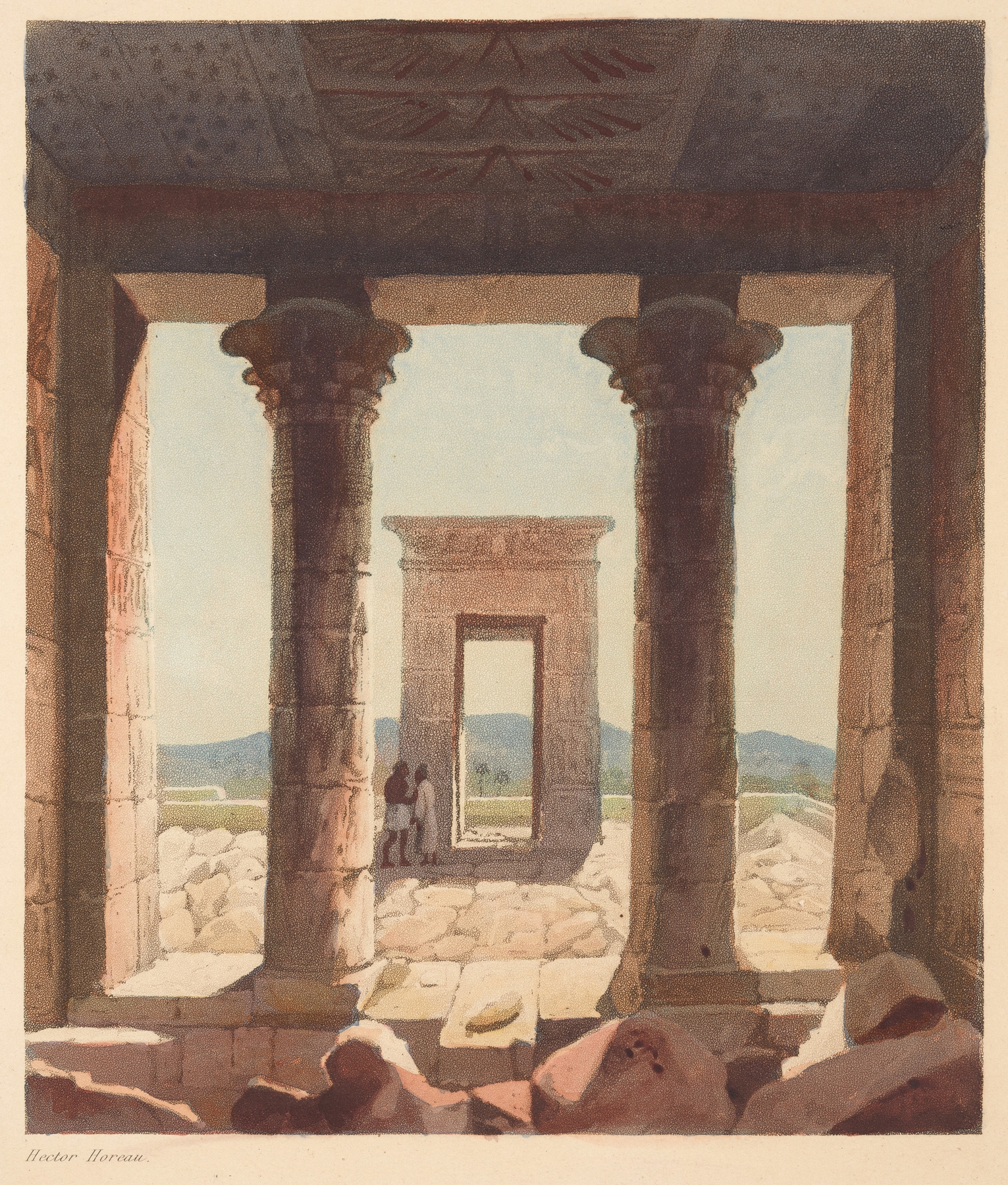
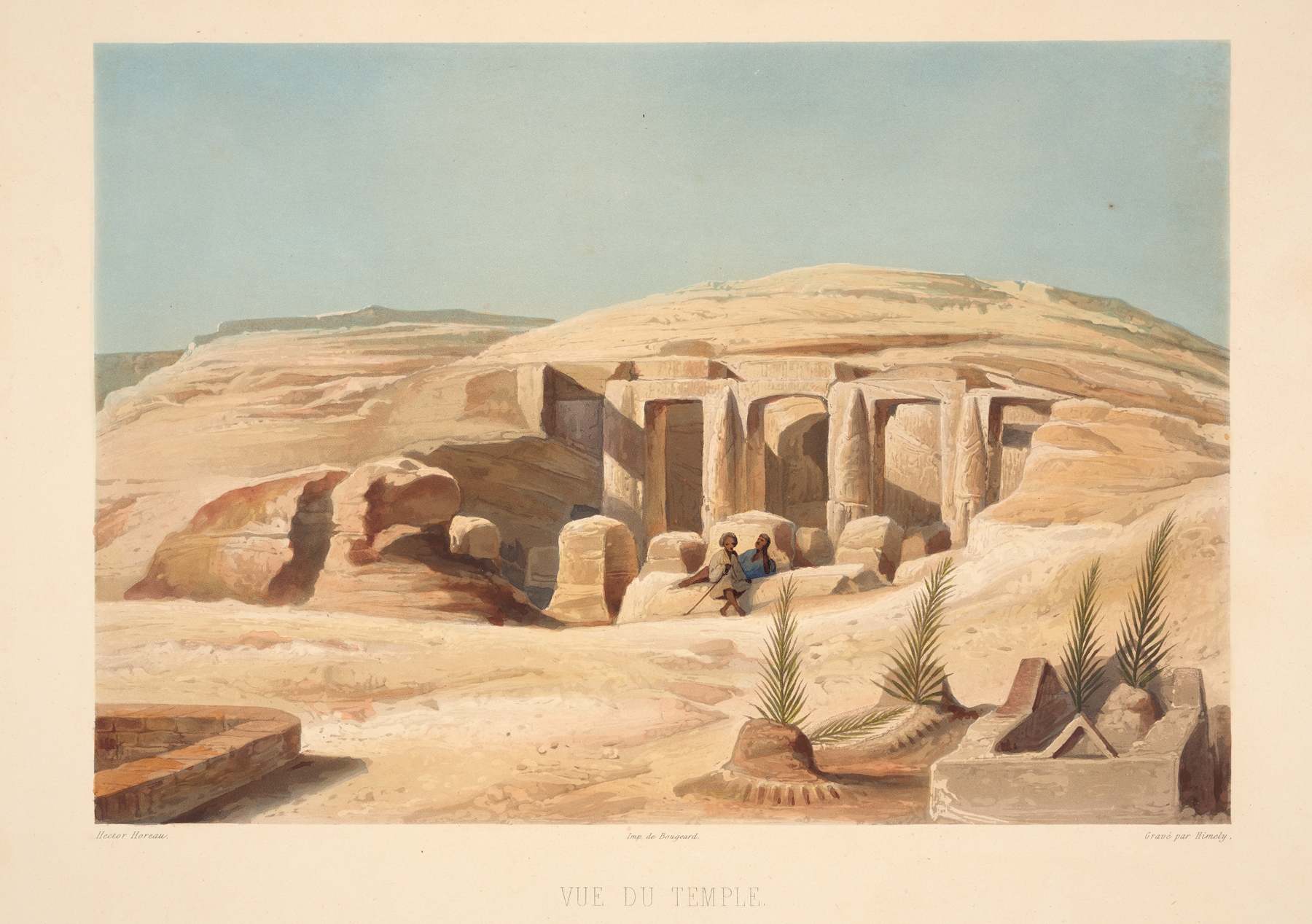
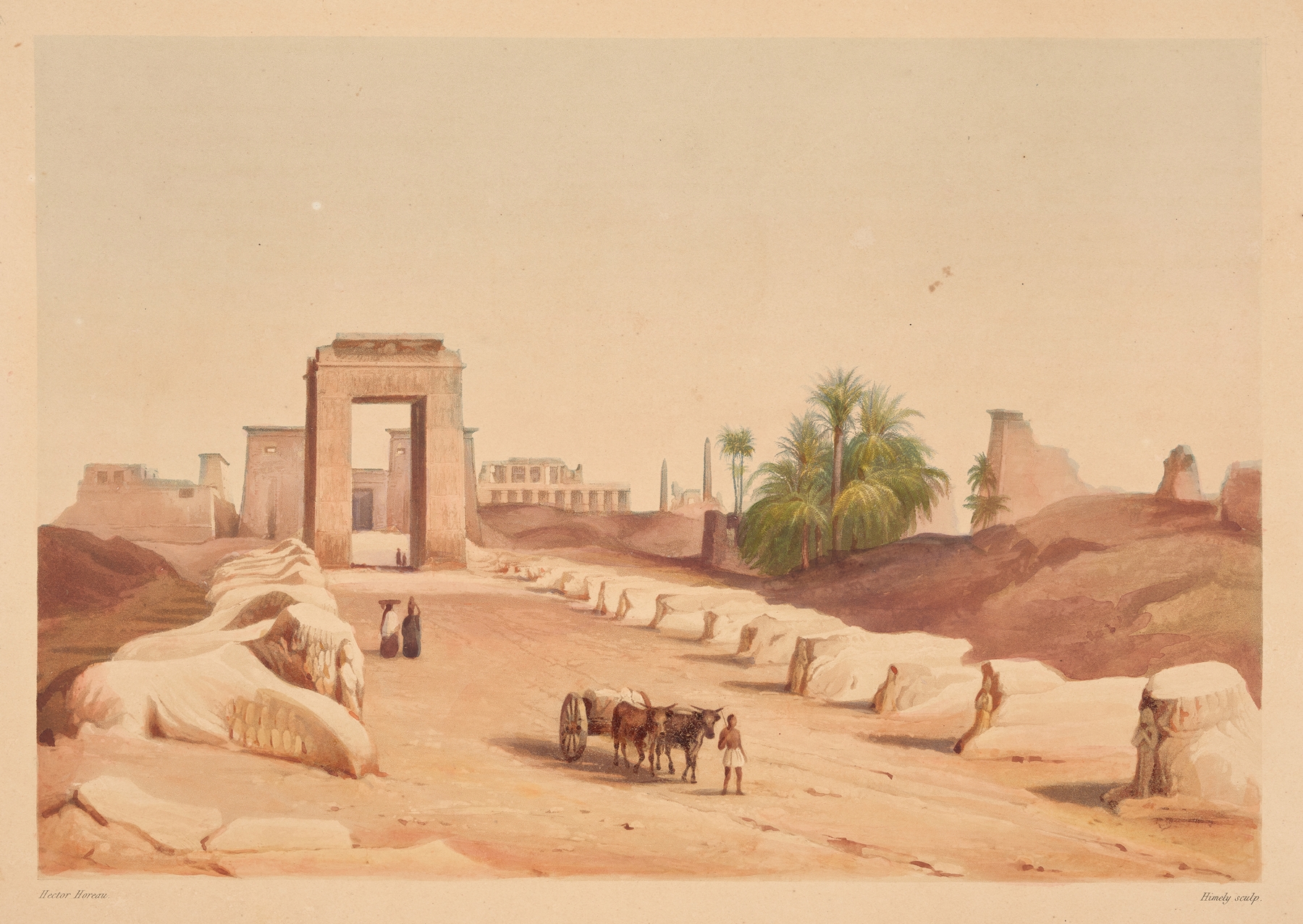
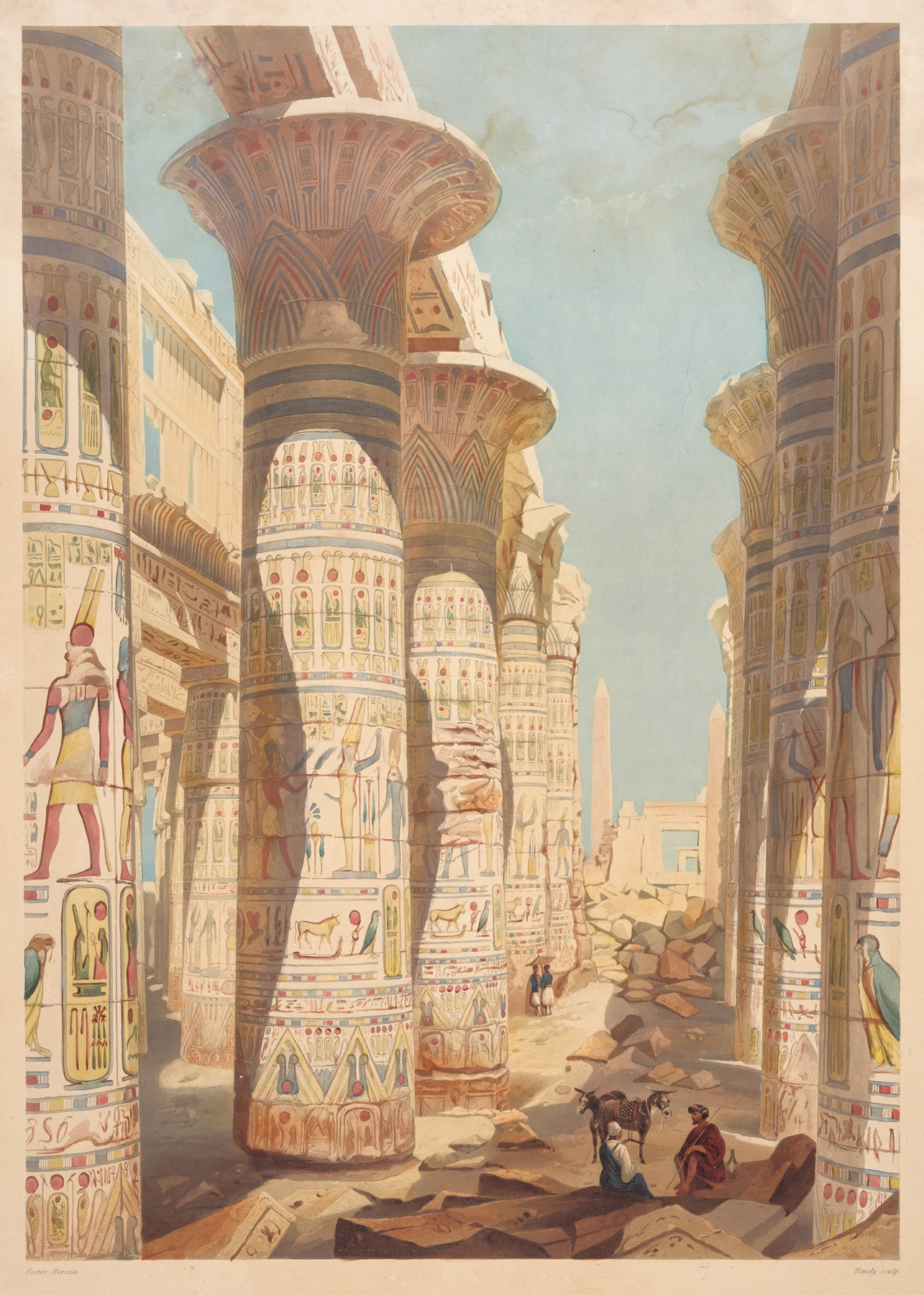
“The canvas doesn’t lie — it simply waits.” In its stillness, Beni-Hassan echoes the profound loneliness of a forgotten past, whispering to those who pause to listen. Look to the left at the striking profile of the ancient structures, their weathered stones revealing a history etched in every crack. The artist employs a muted palette of ochres and greys, creating an atmosphere that feels both solemn and timeless. The sunlight barely filters through the clouds above, casting long shadows that stretch across the landscape, inviting the viewer to contemplate the weight of solitude imbued in the architecture.
As you explore the scene, notice the delicate interplay between man-made and natural elements. The abandoned temples stand stoic against the backdrop of barren hills, reflecting a deep sense of isolation. The solitary figures in the foreground, dwarfed by the grandeur of the monuments, evoke a haunting tension between human existence and the vast, unyielding forces of time. This interplay speaks to the fragility of memory amidst the permanence of stone, encapsulating the essence of loneliness that reverberates throughout the composition.
In 1841, Hector Horeau found himself in Egypt, captivated by the remnants of civilization. This period marked a fascination with the exoticism of ancient cultures, reflective of the broader Romantic movement in art, which sought to evoke emotion and highlight nature’s overwhelming power. As he meticulously documented these scenes, Horeau's personal journey of exploration and discovery infused Beni-Hassan with a sense of longing, resonant of both his physical and emotional landscape.
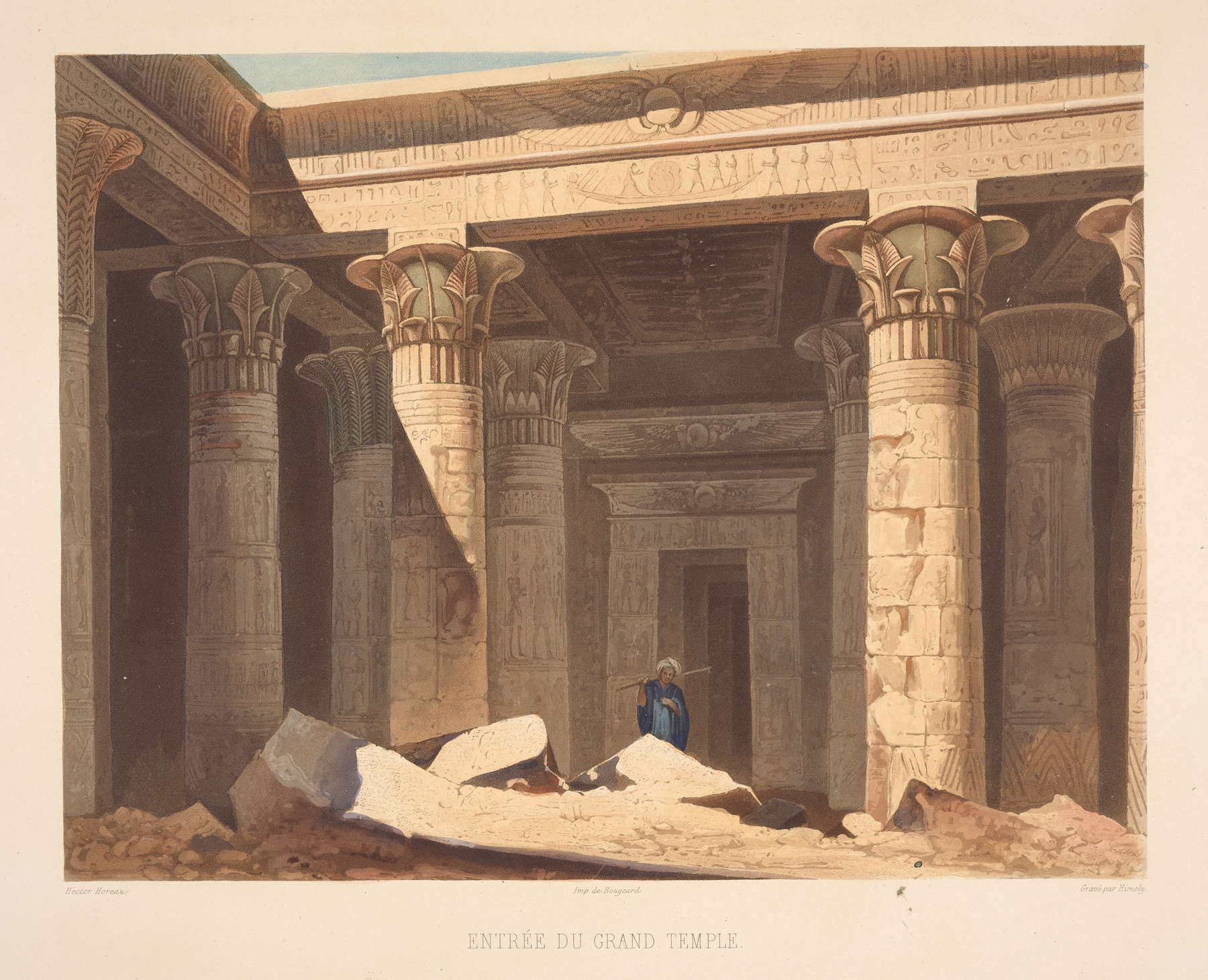
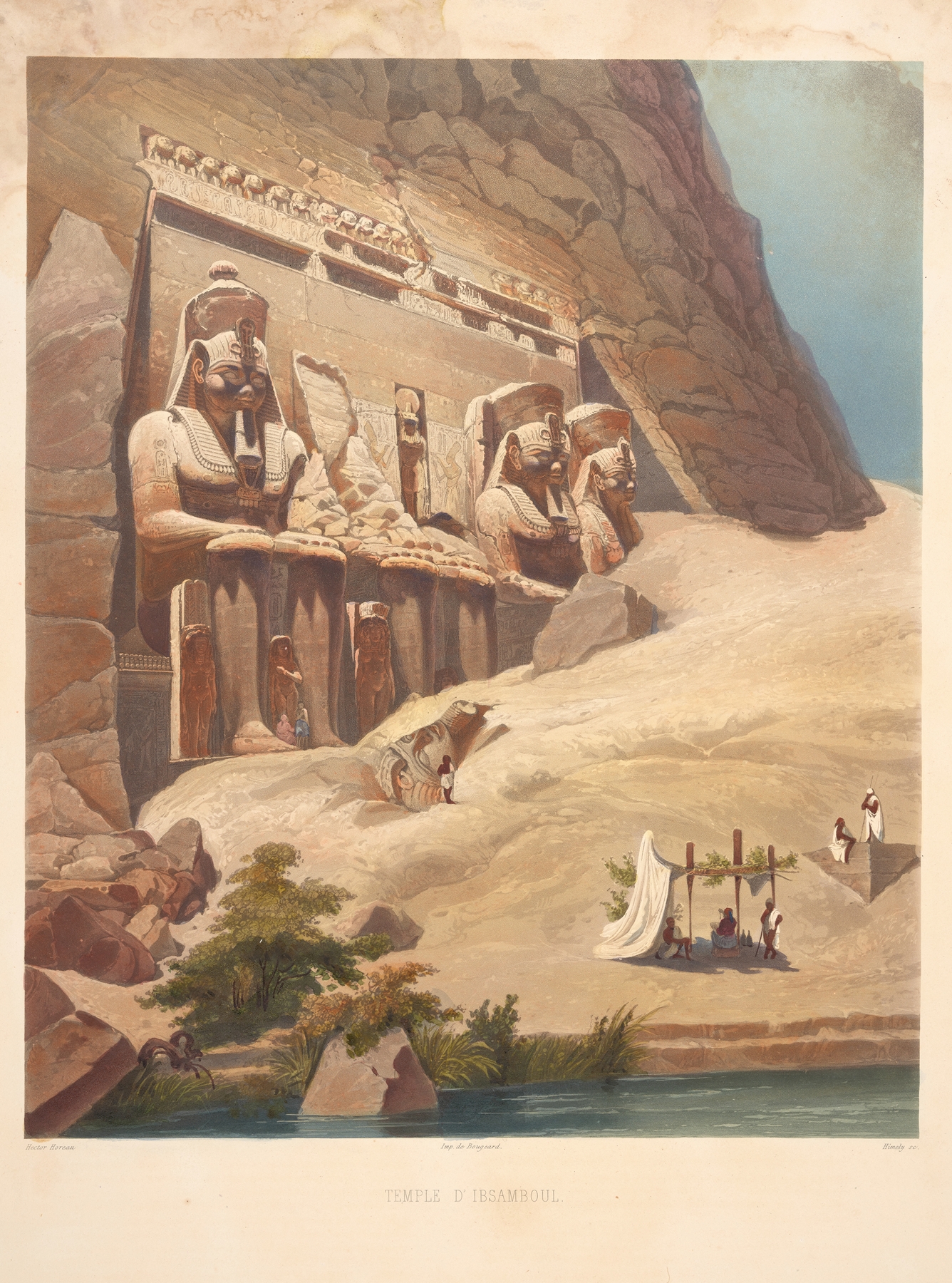
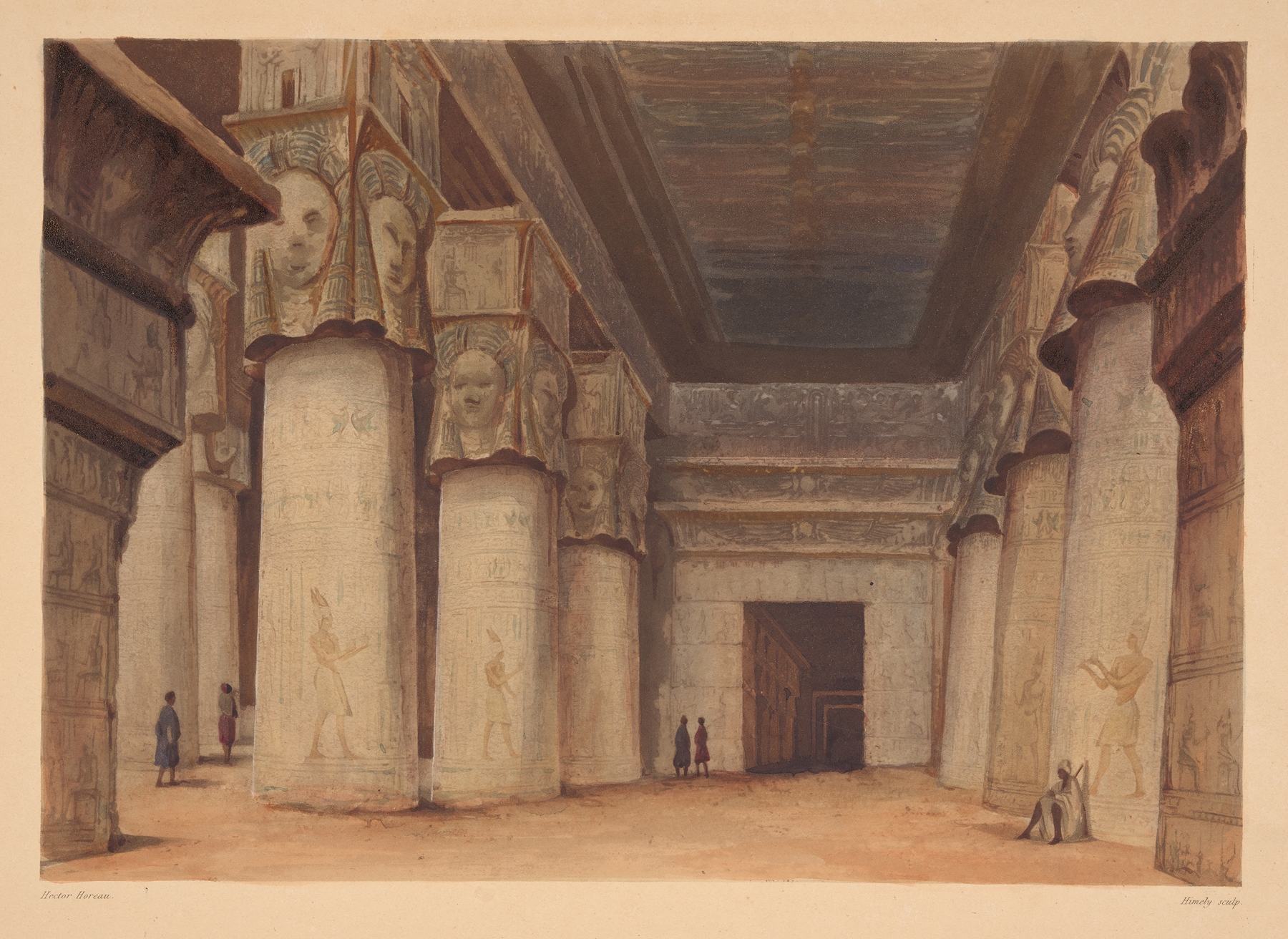
![Temple d’Ibsamboul [Interior view] (Temple of Abu Simbel), by Hector Horeau, public domain](https://froigstrpvutwqtqikzt.supabase.co/storage/v1/object/public/art-images/artworks/3156dbe8015f5681be442de2c2c50af40c84d5e10e8f68f04f9a54d6d857255f.jpg)