Colosse de Memphis (Colossus of Memphis) — History & Analysis
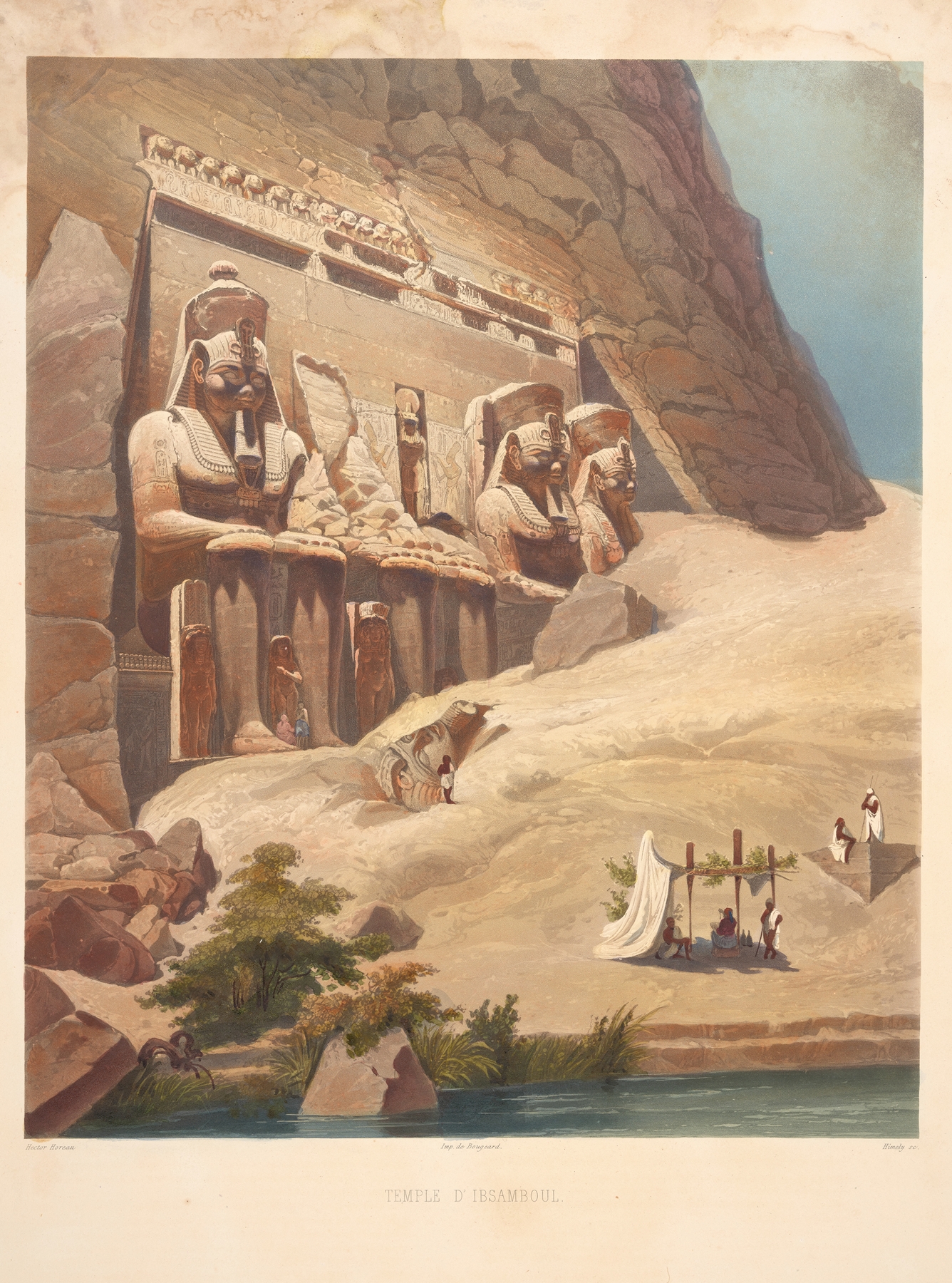
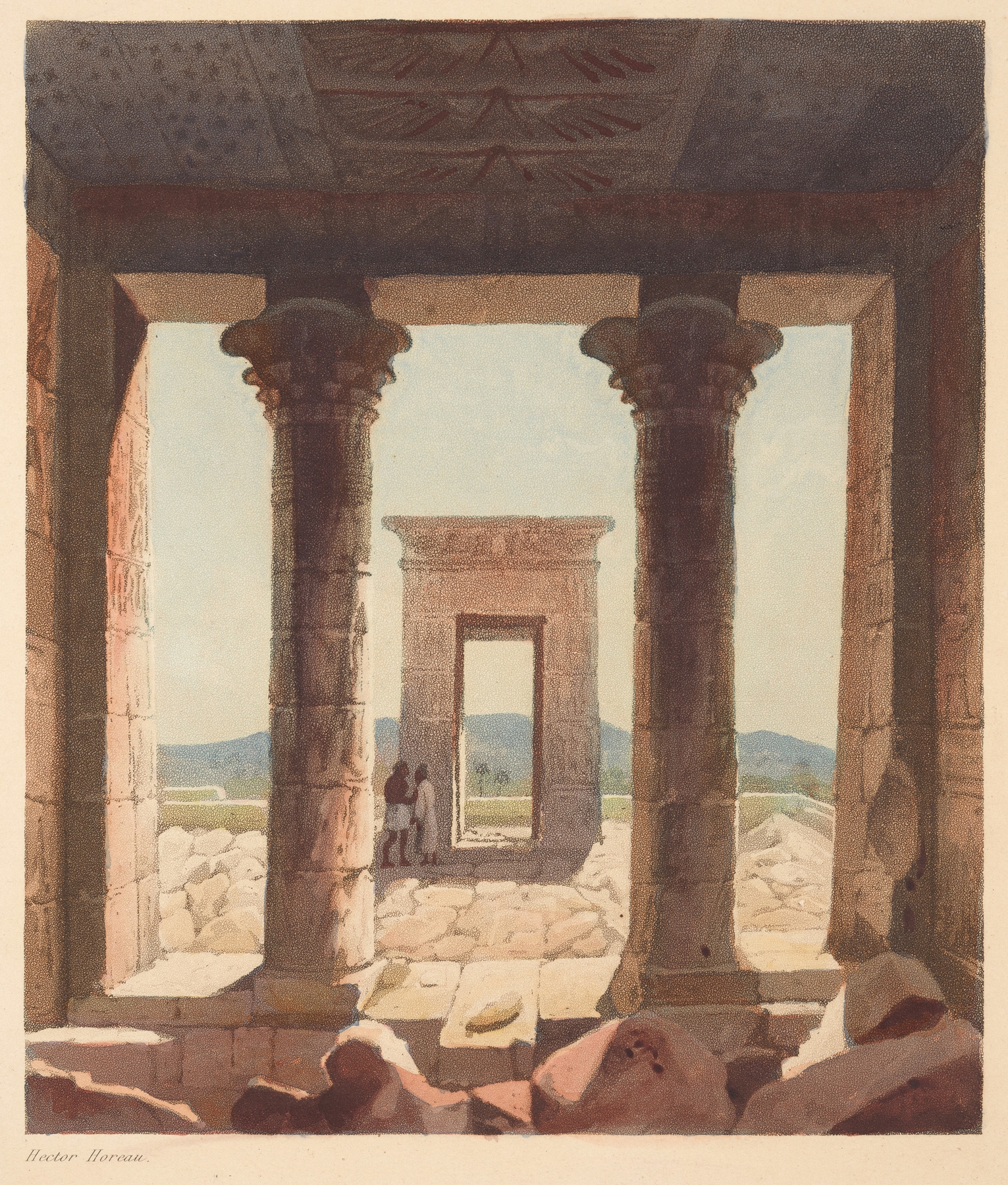
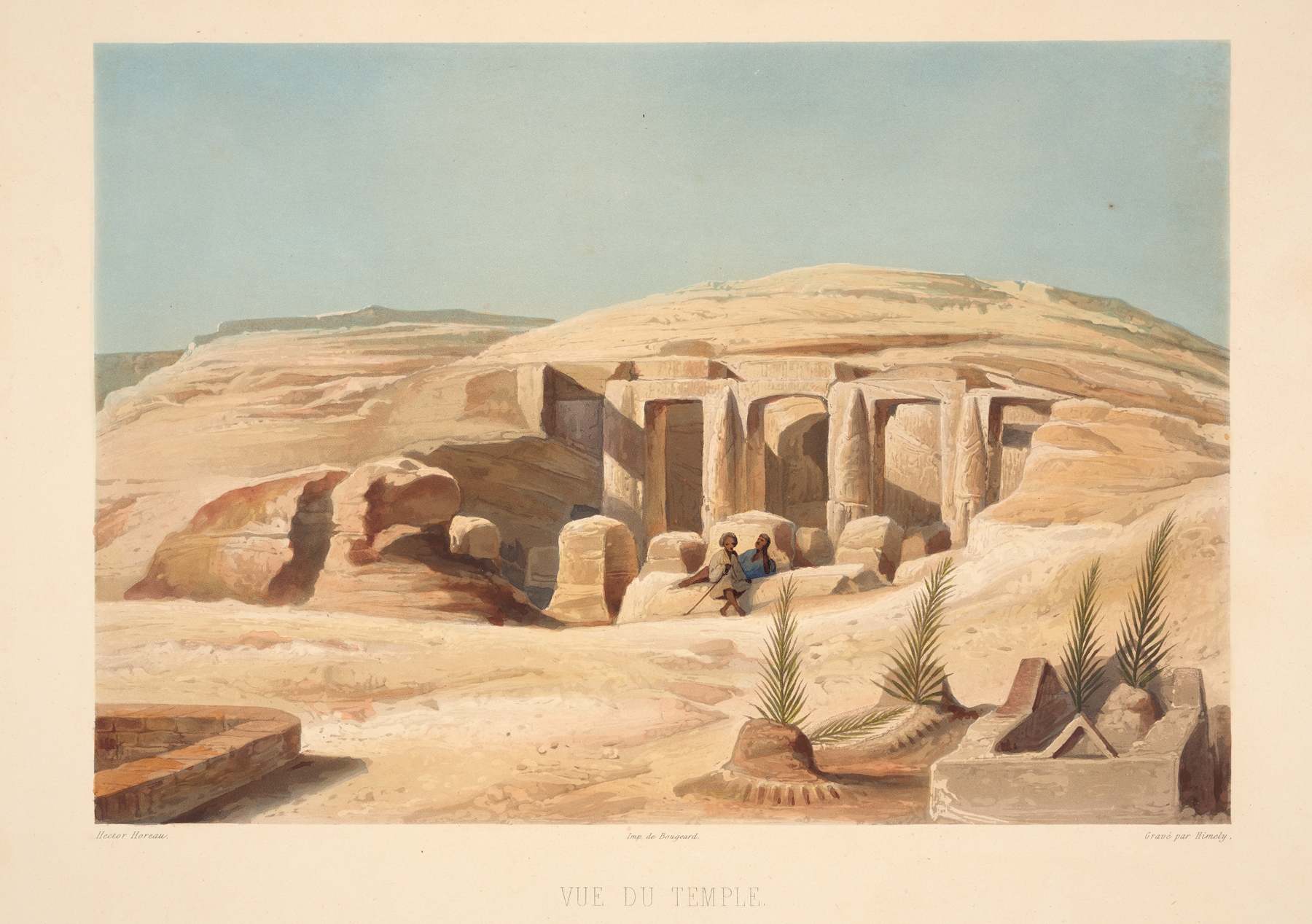
“Art reveals the soul when the world turns away.” In the vast expanse of empty spaces, like a heartbeat fading into silence, we find the essence of existence captured in stillness. Begin your exploration at the center of the canvas, where the monumental structure looms large, its imposing presence dominating the background. Look closely at the intricate details of the colossus — the weathered stone, the remnants of grandeur.
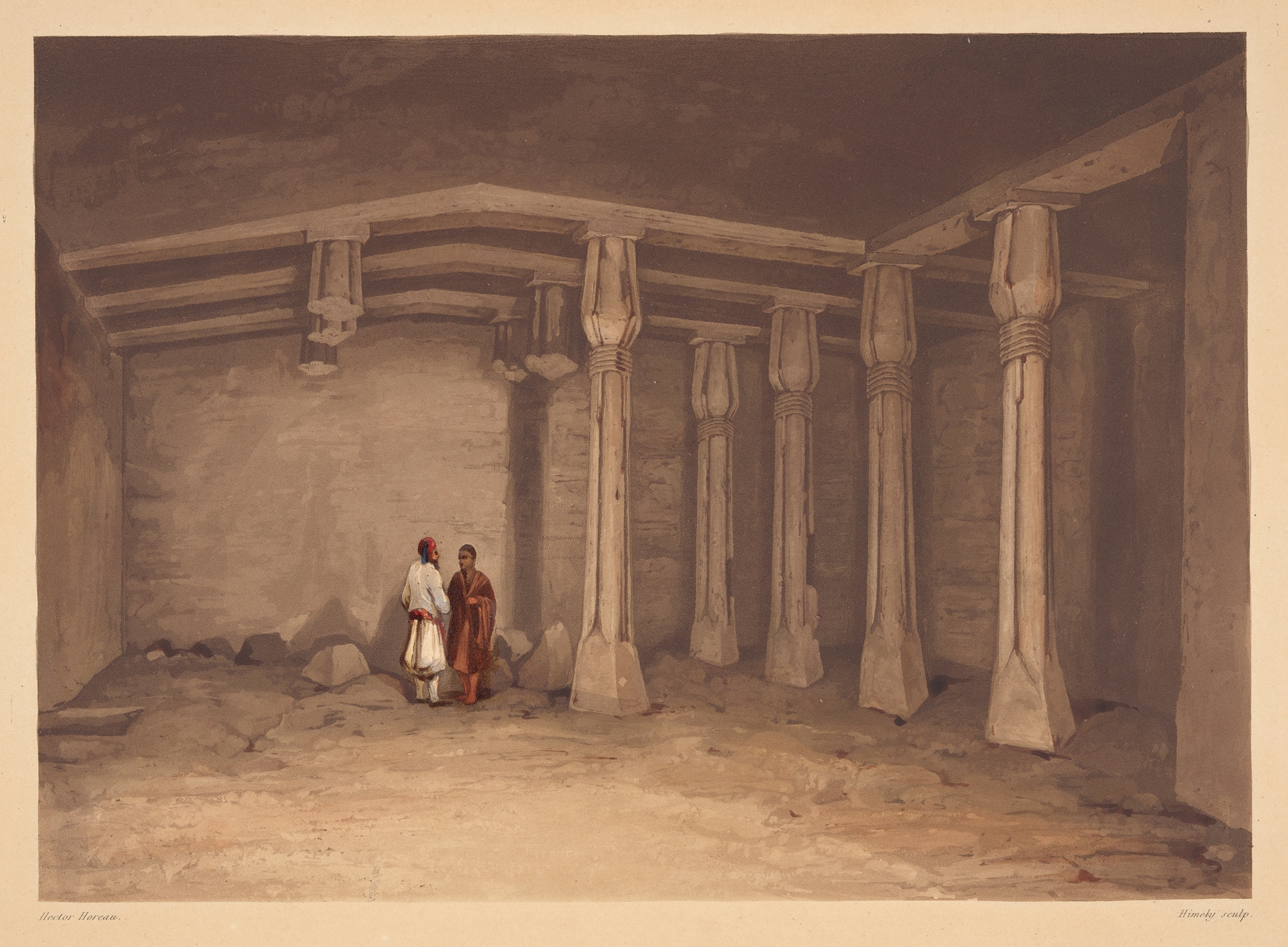
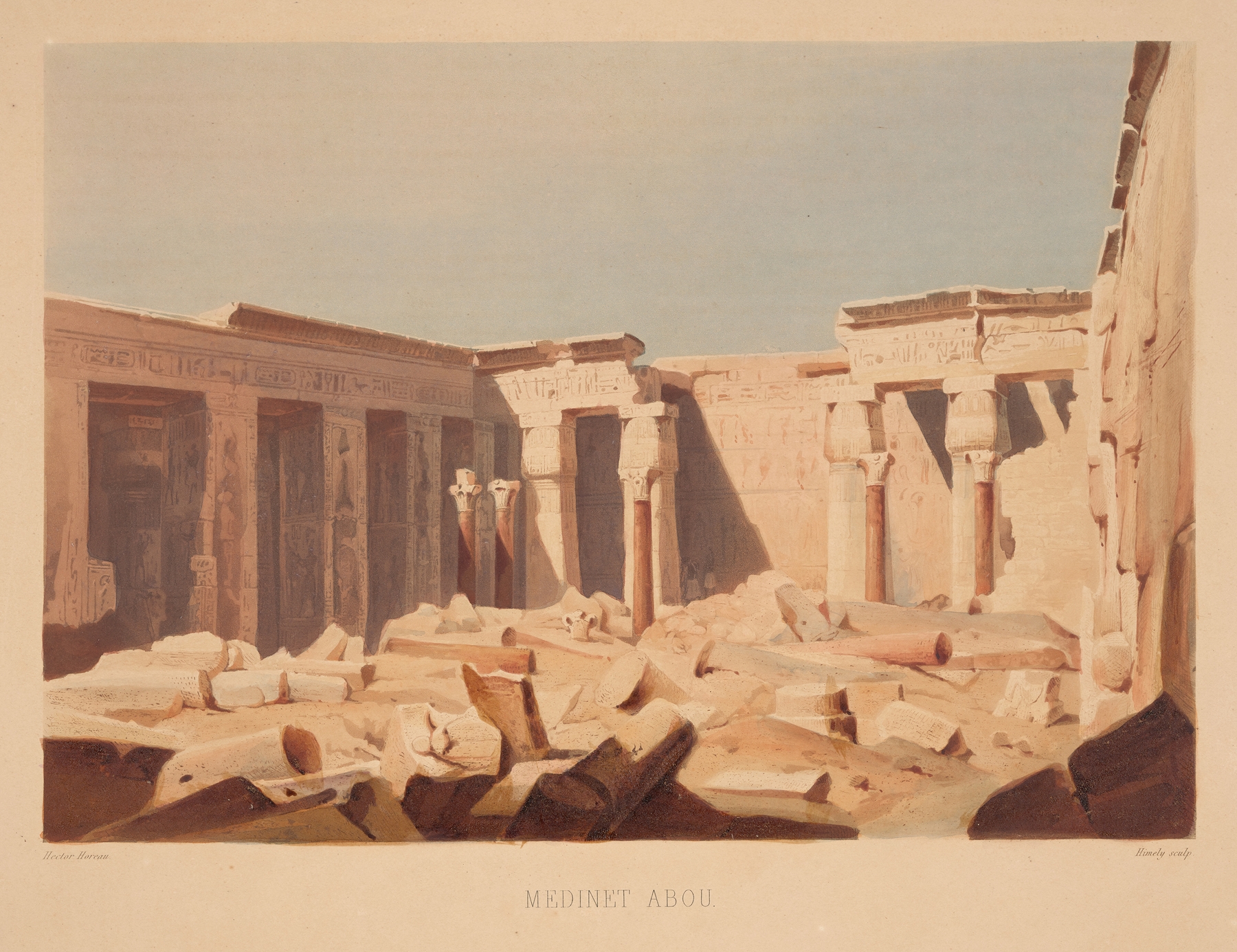
Notice how Horeau's brushstrokes convey not just physicality but also the weight of history, as shadows play softly across the deserted surroundings, emphasizing the solitude that engulfs this forgotten wonder. Amidst the starkness, subtle elements emerge: the cracked surface of the colossus speaks of time's relentless march, while the soft hues of ochre and muted greens suggest a world once teeming with life. This emptiness is paradoxical, as it evokes a sense of awe and melancholy, inviting viewers to reflect on the transient nature of human achievement and the poignant echoes of a civilization long past.
The painting resonates with the tension between grandeur and decay, a reminder of our fleeting existence. In 1841, while the world was shifting toward modernity, the artist created this work amidst rapid changes in society and the arts. Living in Paris, Horeau was surrounded by a vibrant community of thinkers and creators, yet he chose to capture this monumental relic of ancient Egypt, perhaps as a commentary on the fading echoes of history in a rapidly evolving world.
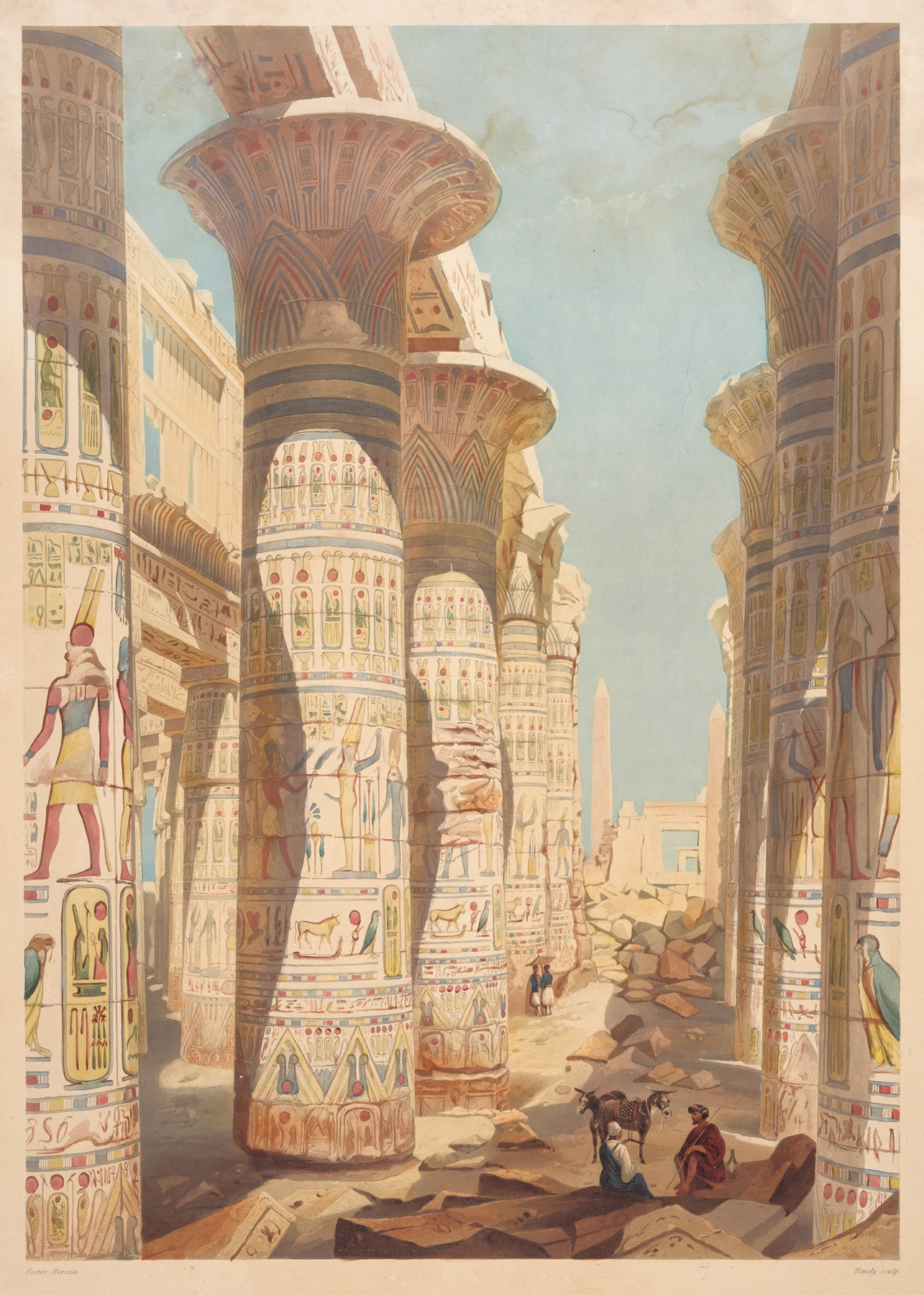
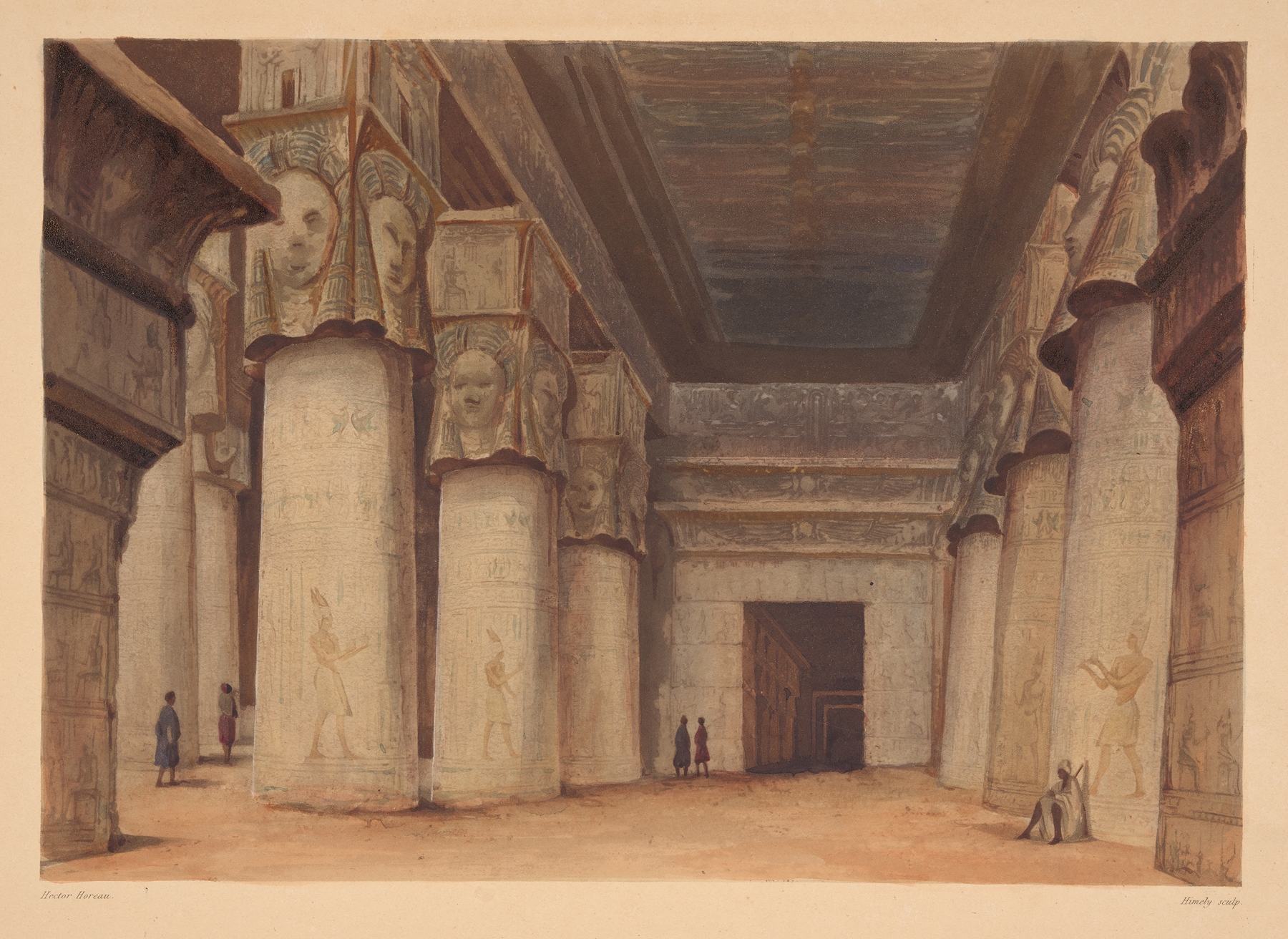
![Temple d’Ibsamboul [Interior view] (Temple of Abu Simbel), by Hector Horeau, public domain](https://froigstrpvutwqtqikzt.supabase.co/storage/v1/object/public/art-images/artworks/3156dbe8015f5681be442de2c2c50af40c84d5e10e8f68f04f9a54d6d857255f.jpg)