Temple D’Ibsamboul (Façade) (Temple Of Abu Simbel (Façade)). — History & Analysis
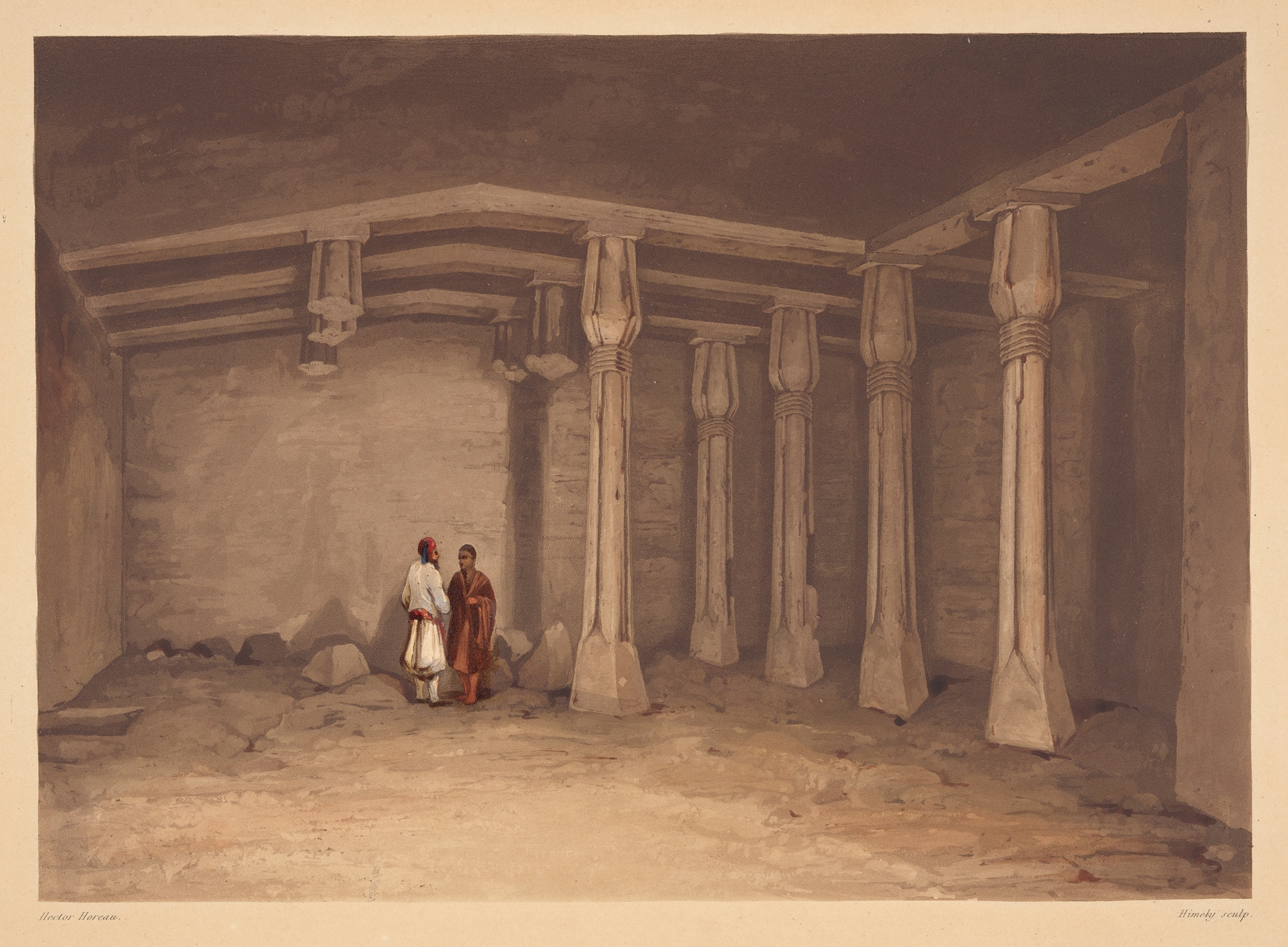
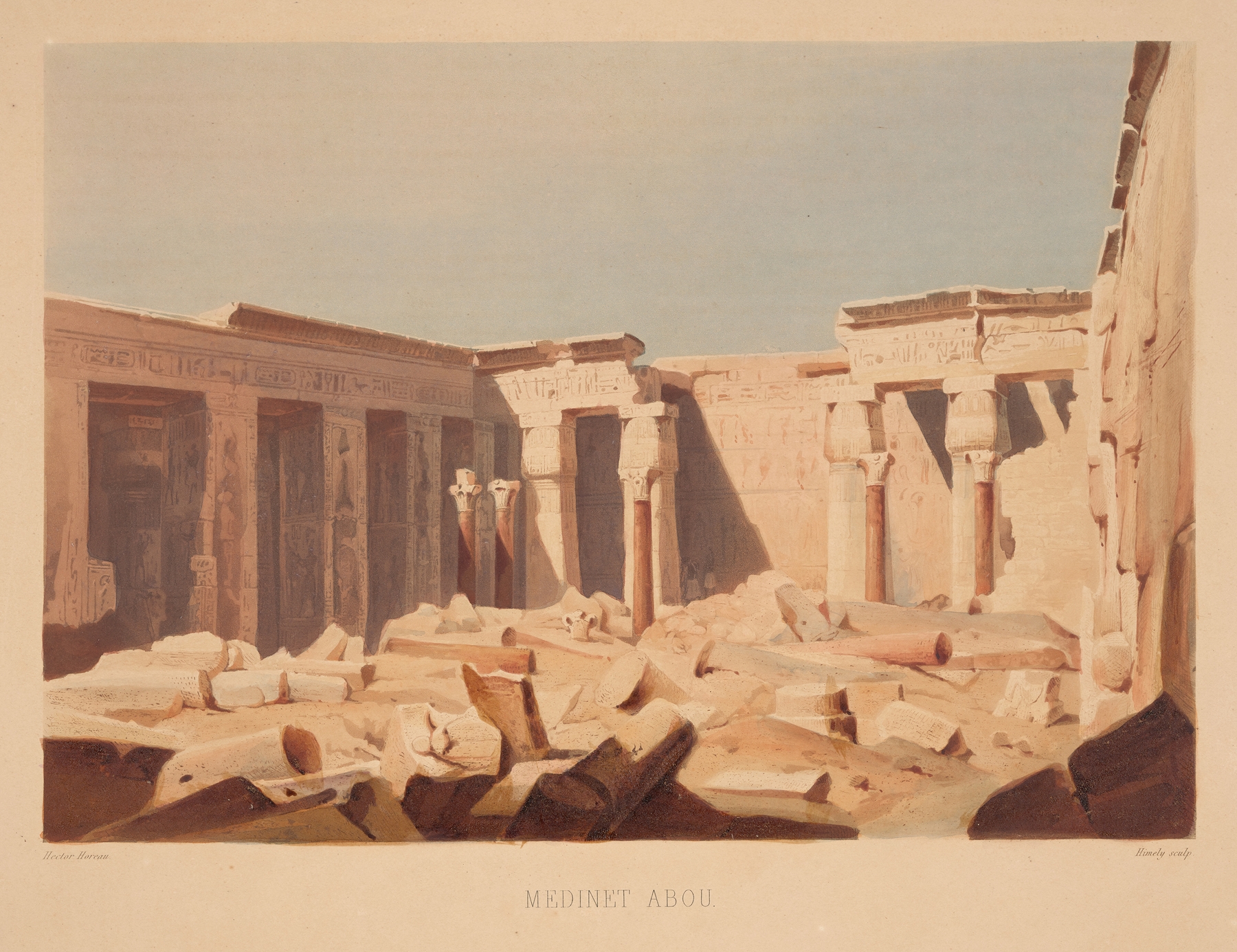
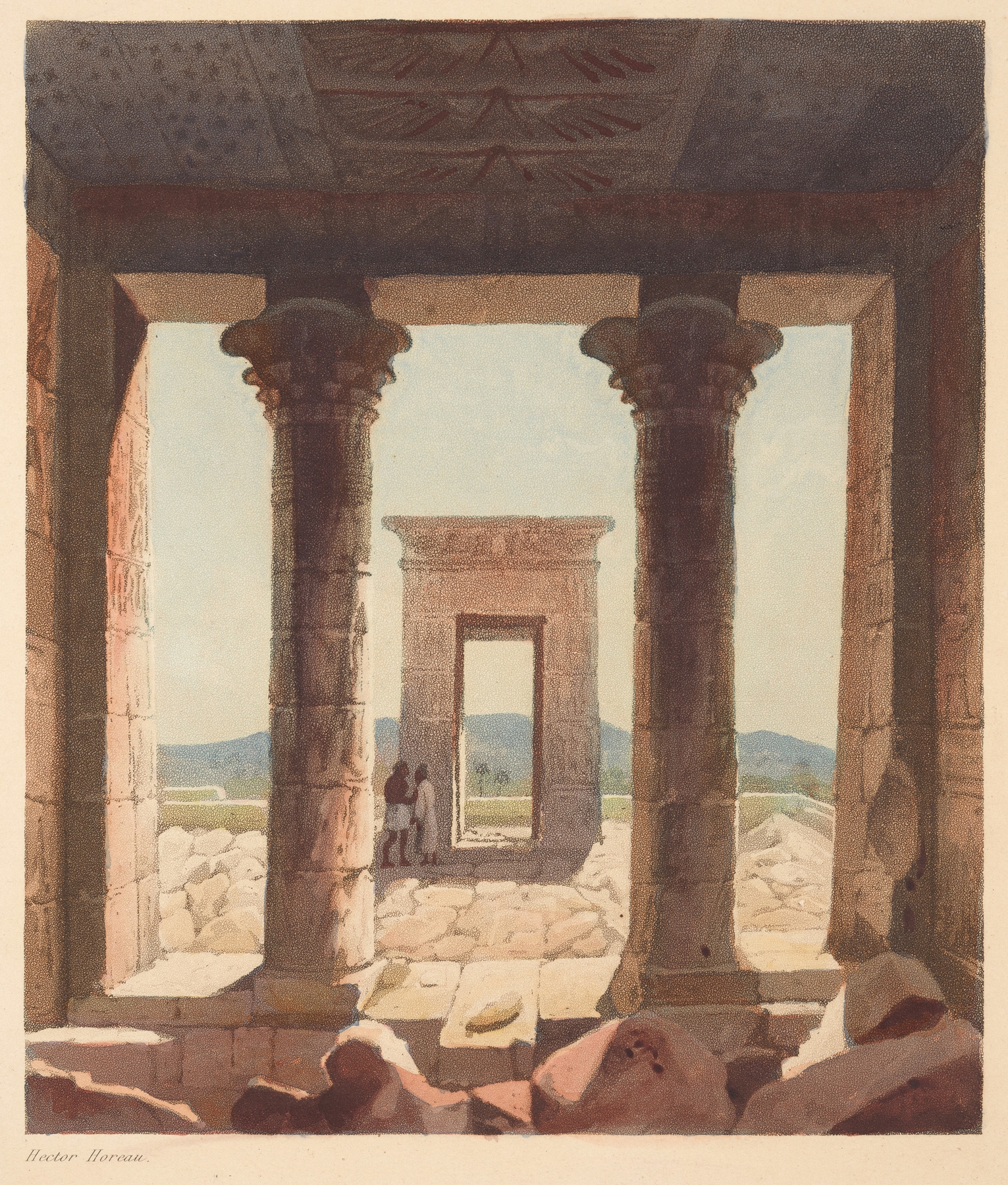
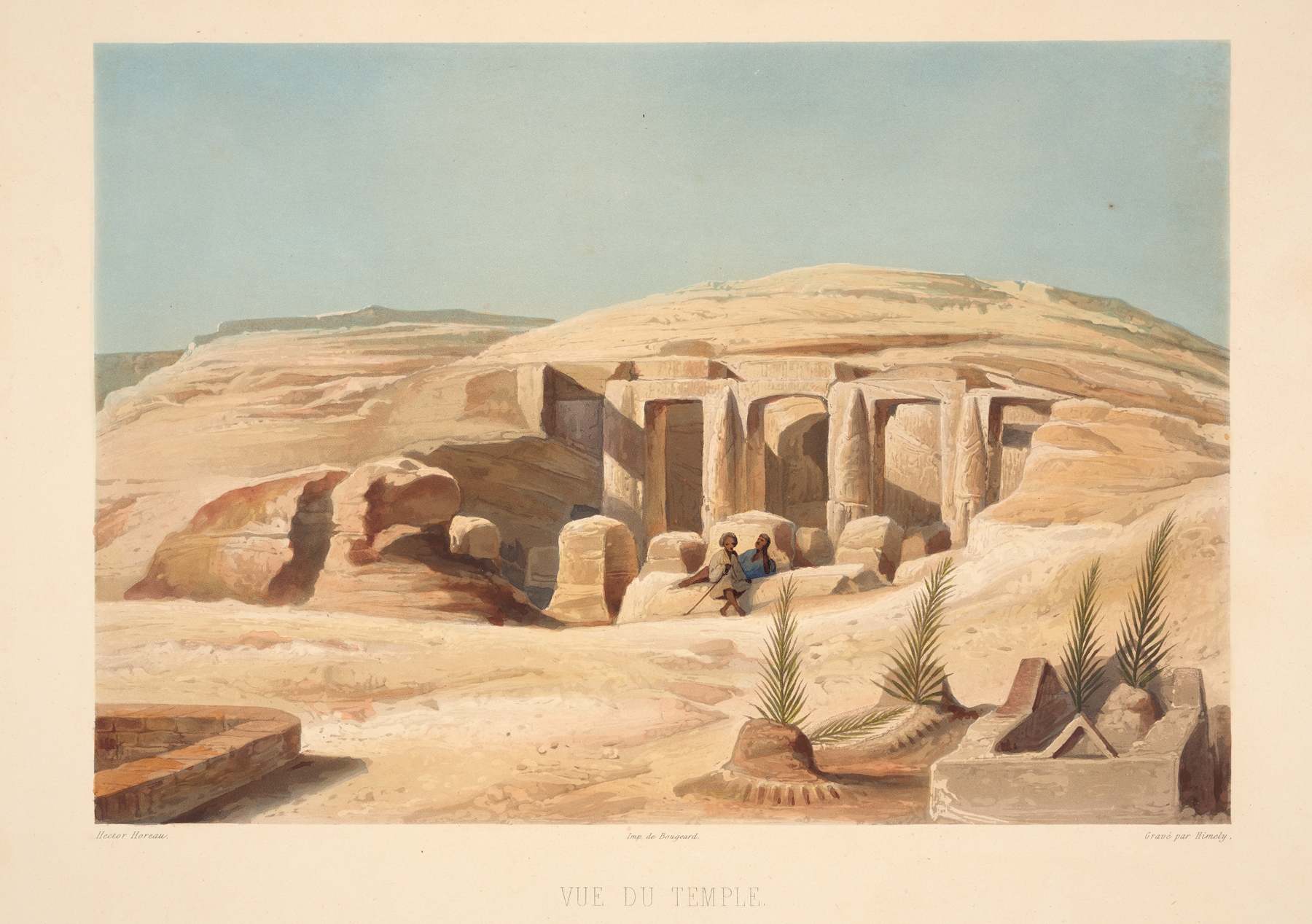
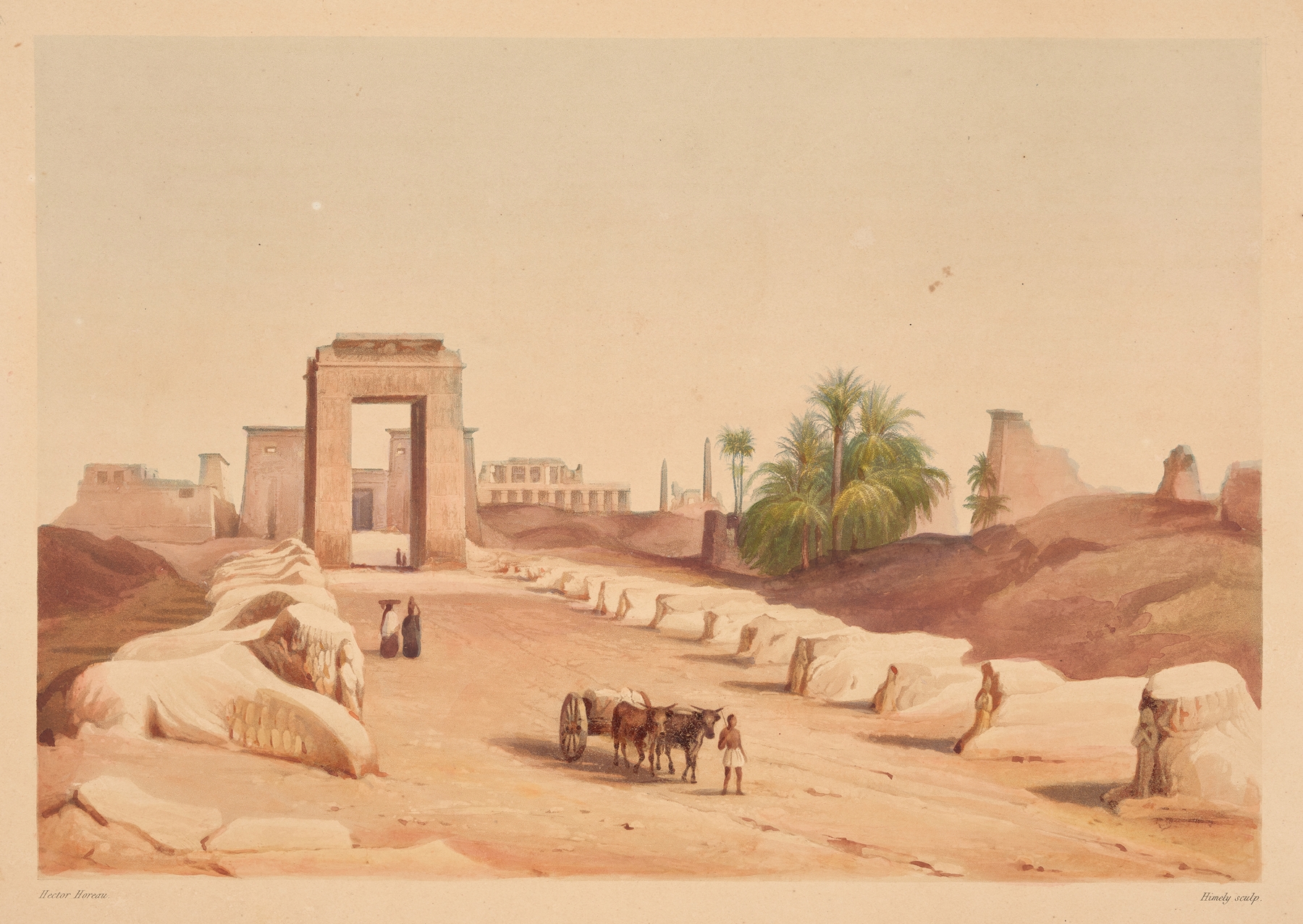
What secret hides in the quiet of the canvas? Beneath the grandeur of stone, a profound grief whispers through the ages, intertwining humanity with history’s relentless march. Look to the left at the towering figures carved into the ancient façade, their stoic expressions etched with the weight of time. Notice how the sunlight bathes the weathered stone in a warm glow, illuminating the intricate hieroglyphs that speak of rituals long past.
The composition draws the eye upward, inviting contemplation of the monumental scale that confronts the viewer, while shadows linger in the crevices, suggesting untold stories and memories erased by the winds of time. Delve deeper, and you’ll find emotional tensions mirrored in the contrasts of light and shadow. The magnificent sculptures, though formidable, evoke a sense of loss, as if the very stones mourn the fading of a civilization. The meticulous detailing of each element reveals not only the artistic prowess of Horeau but also the vulnerability of culture against the passage of years.
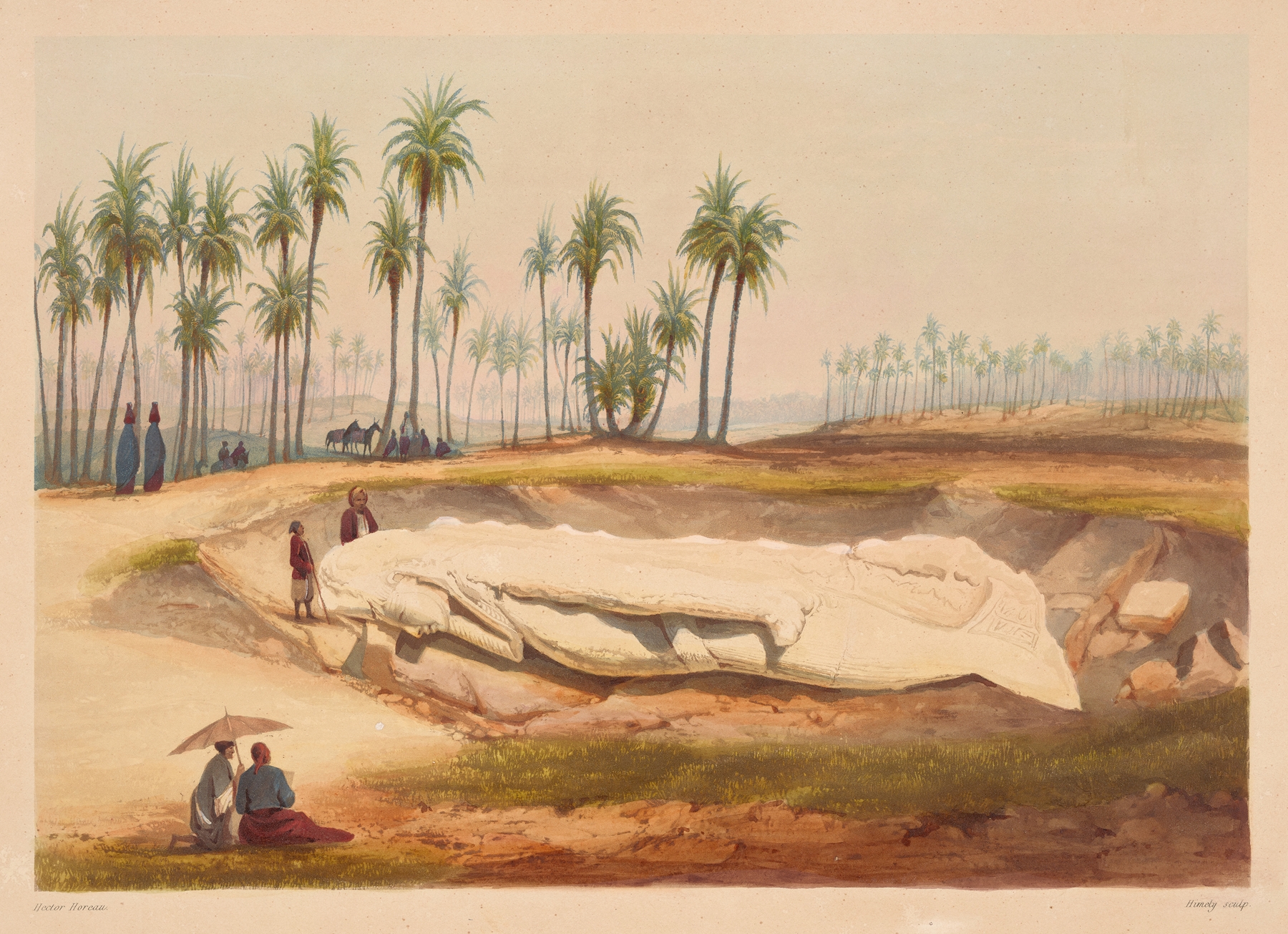
Here lies a somber reminder of both human achievement and the inevitable decay that shadows every great endeavor. Horeau painted this beautiful homage to the Temple of Abu Simbel while traveling in Egypt in 1839. At this time, he was part of a burgeoning interest in Egyptology, reflecting the romantic fascination with ancient cultures in Europe. His work coincided with a period of colonial exploration, where artists sought to capture the remnants of civilizations, often imbuing them with a melancholic reverence that lingered long after their subjects had vanished.
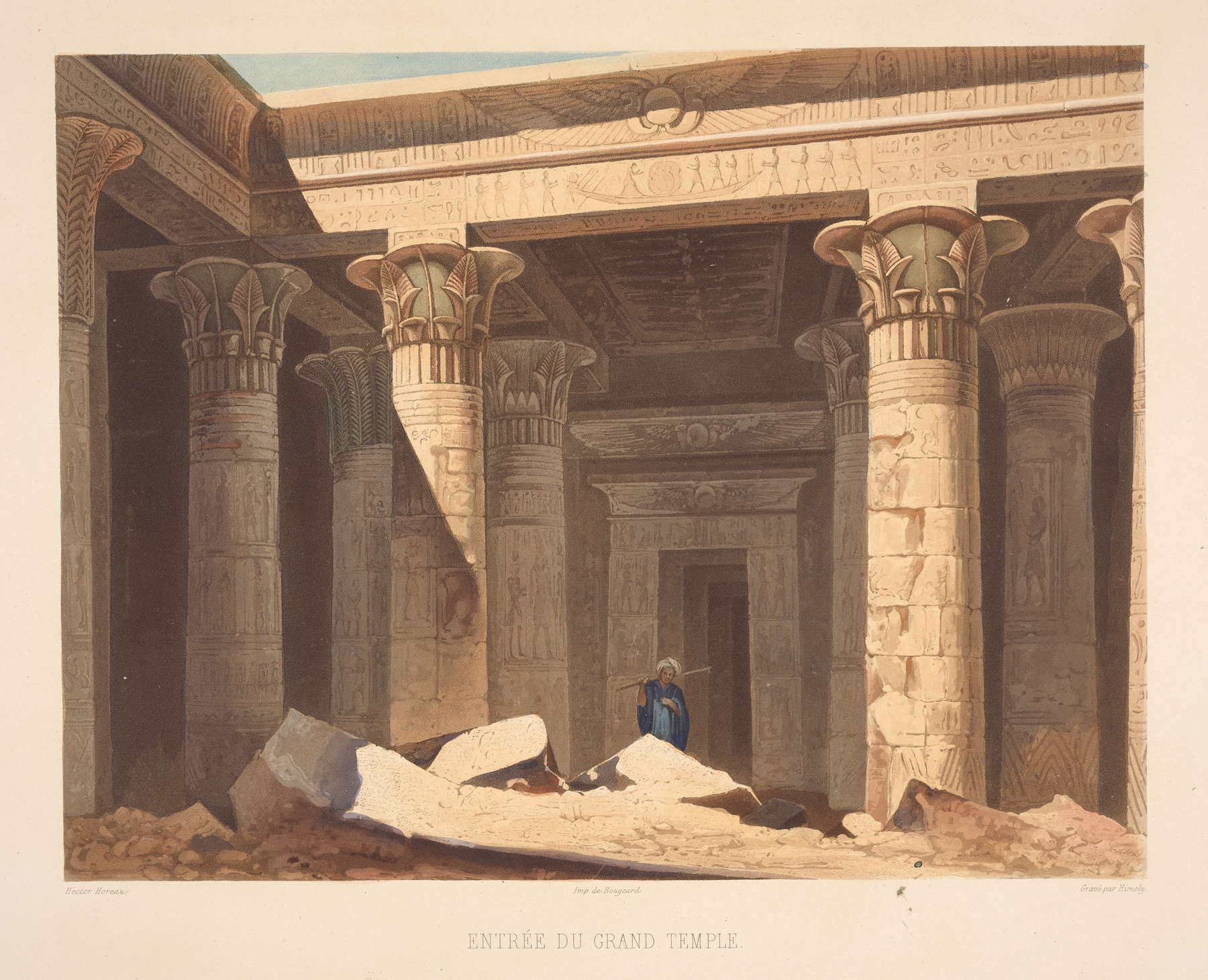
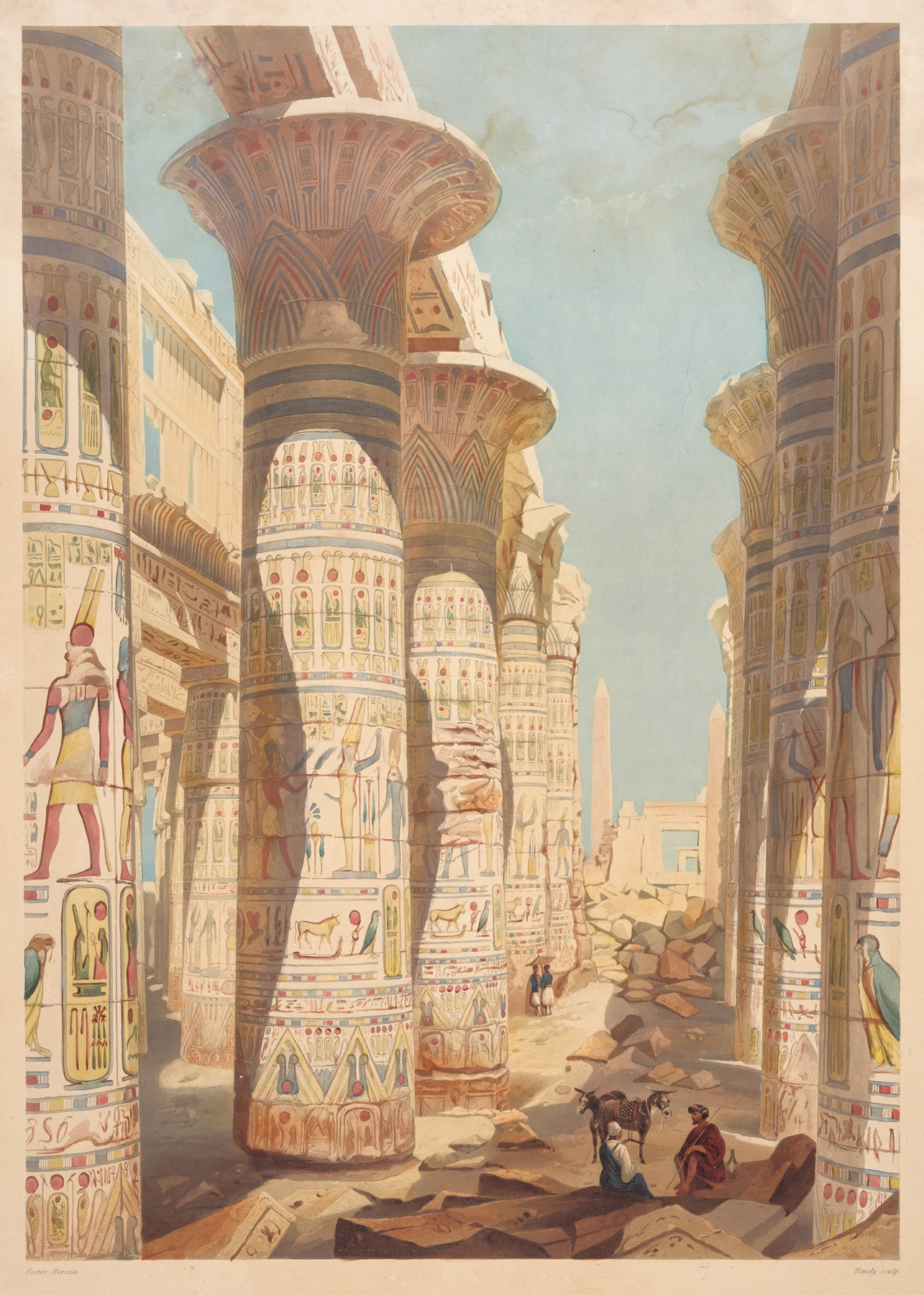
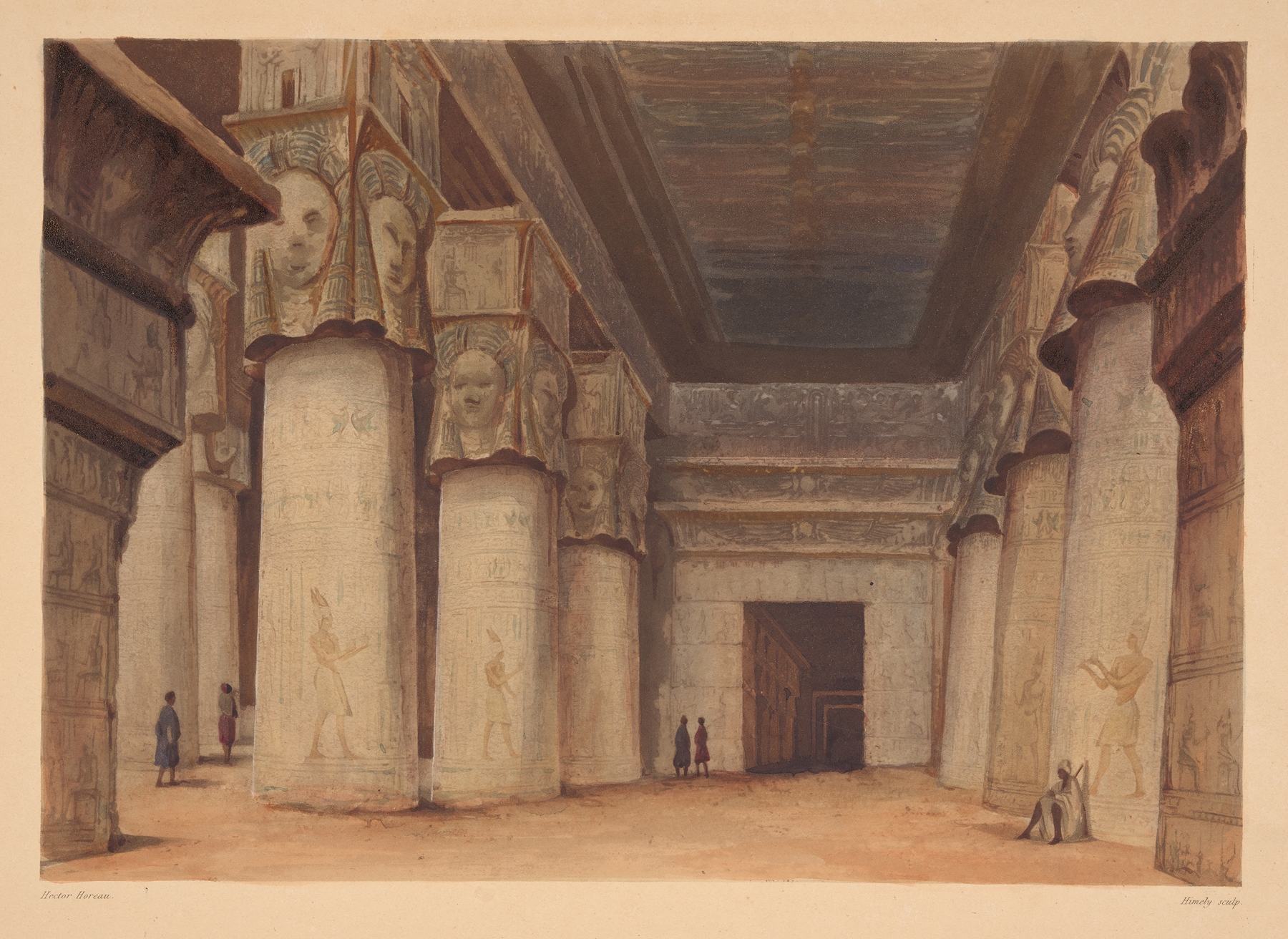
![Temple d’Ibsamboul [Interior view] (Temple of Abu Simbel), by Hector Horeau, public domain](https://froigstrpvutwqtqikzt.supabase.co/storage/v1/object/public/art-images/artworks/3156dbe8015f5681be442de2c2c50af40c84d5e10e8f68f04f9a54d6d857255f.jpg)