Medinet Abou — History & Analysis
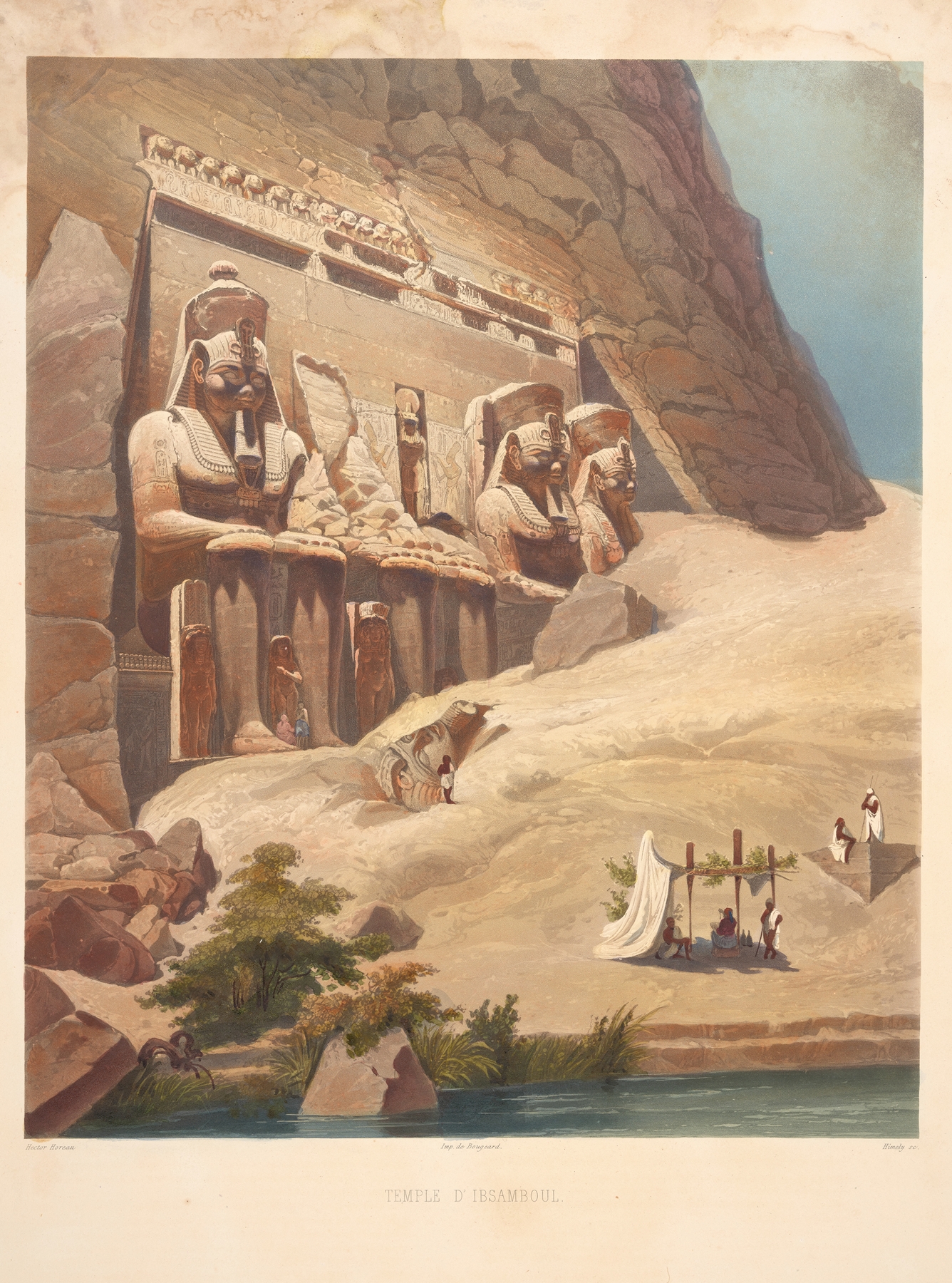
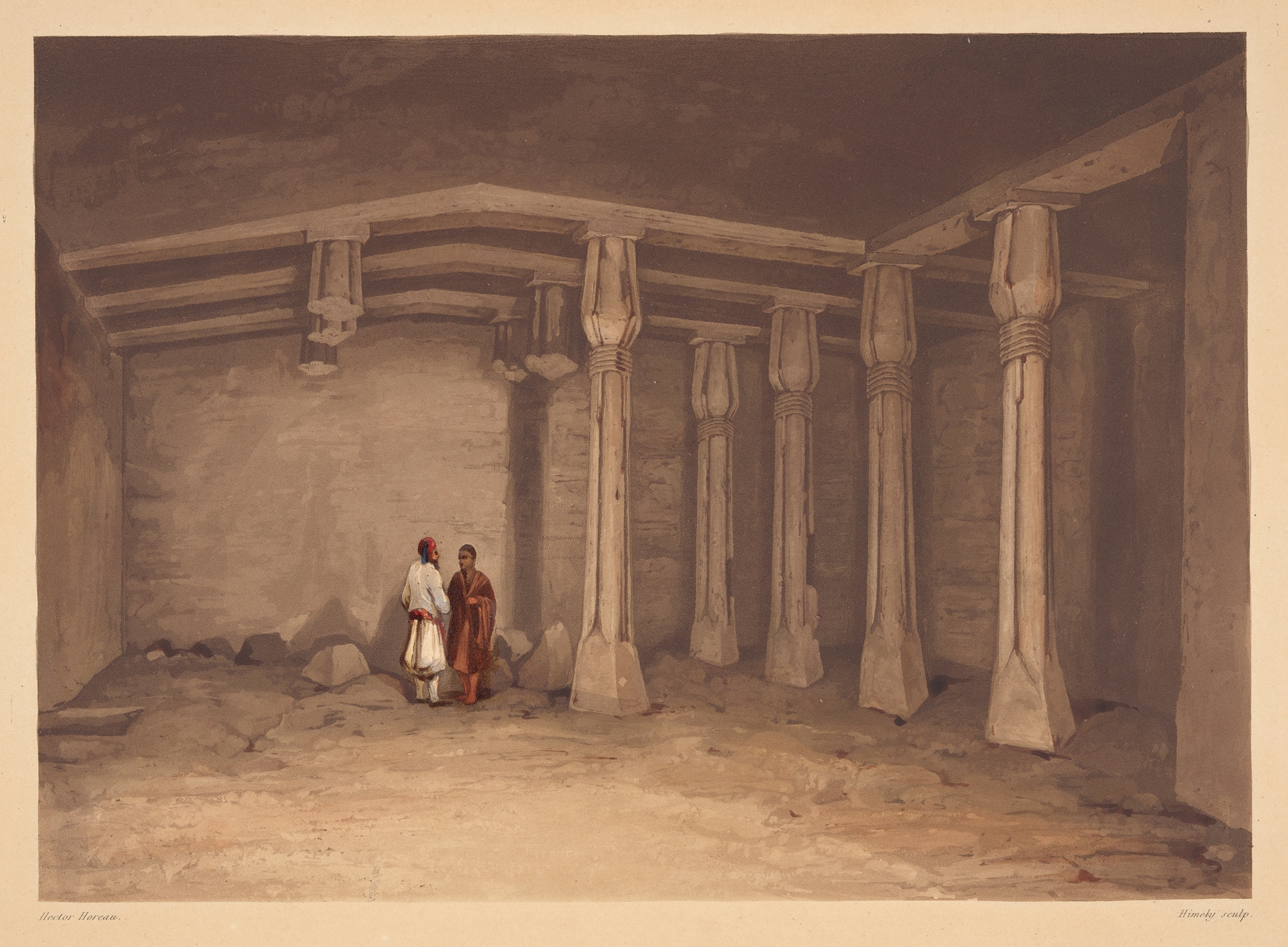
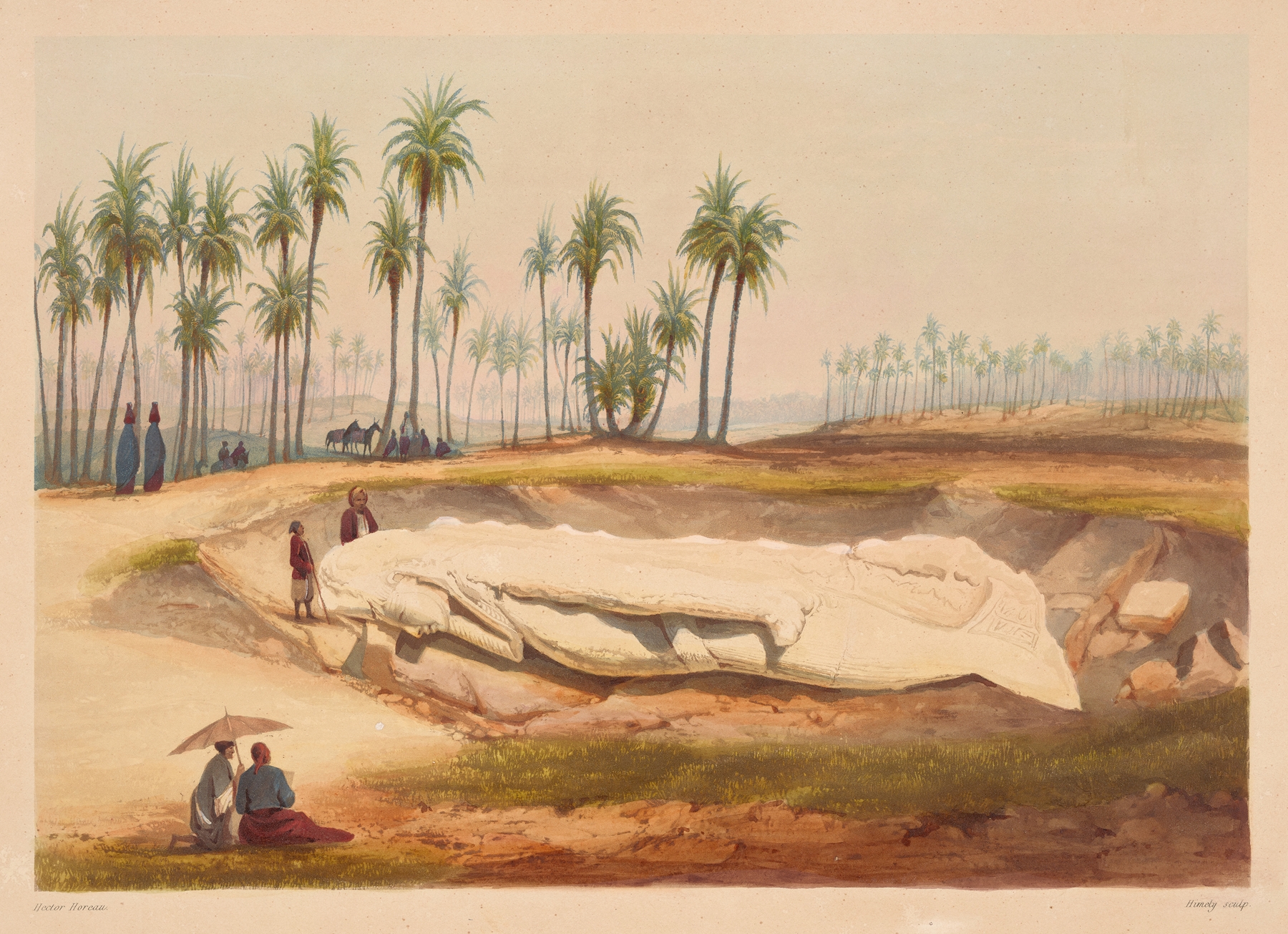
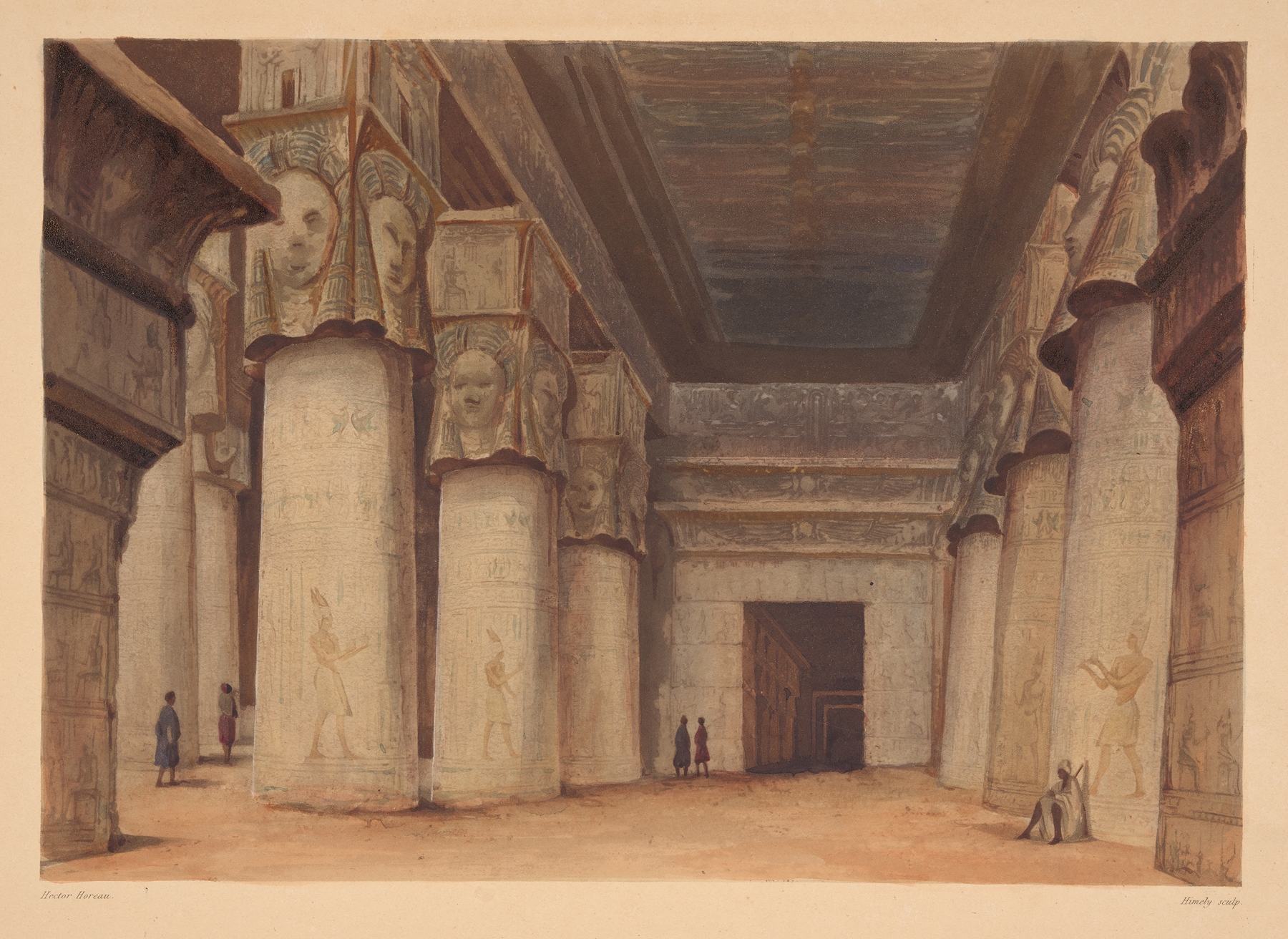
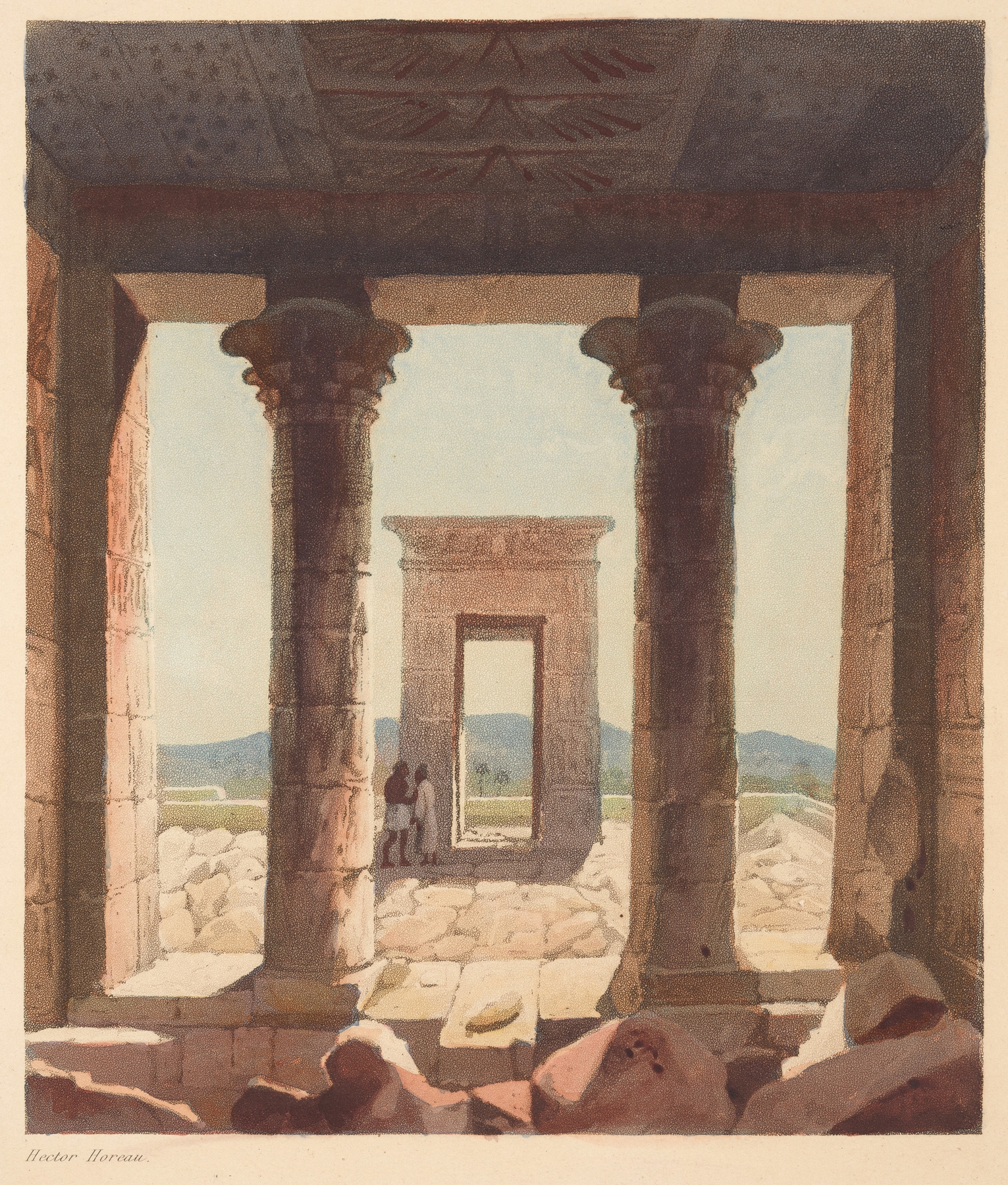
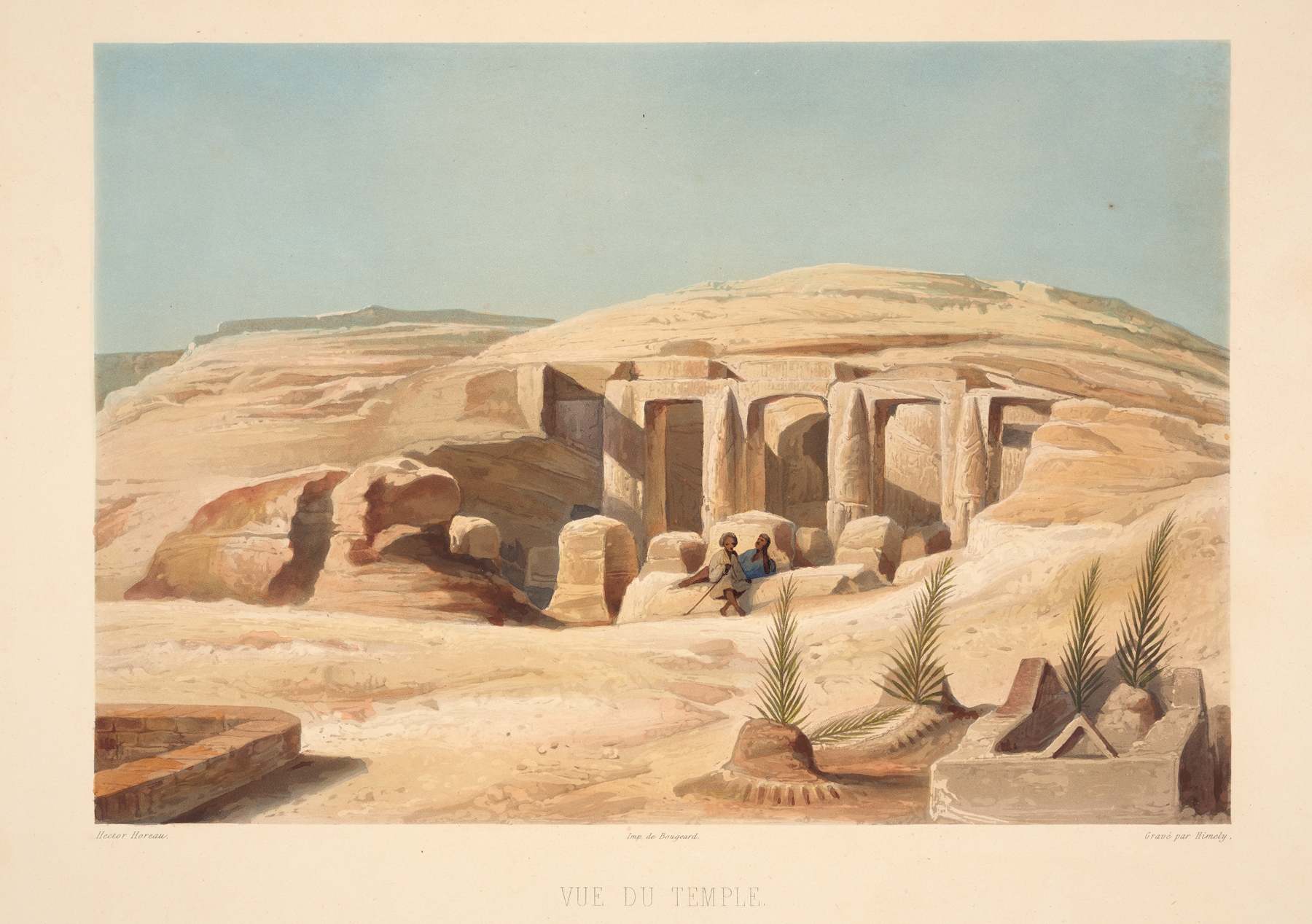
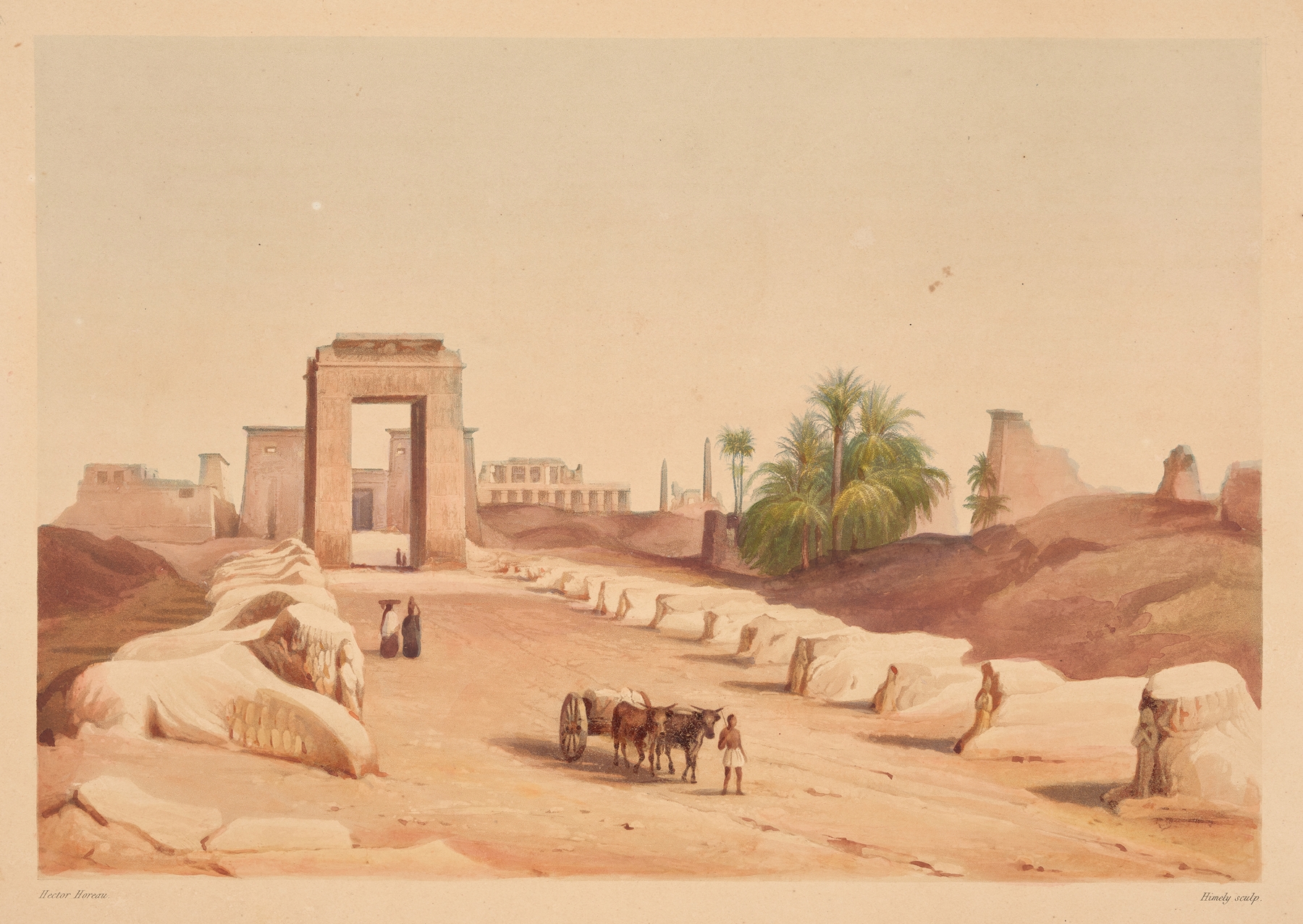
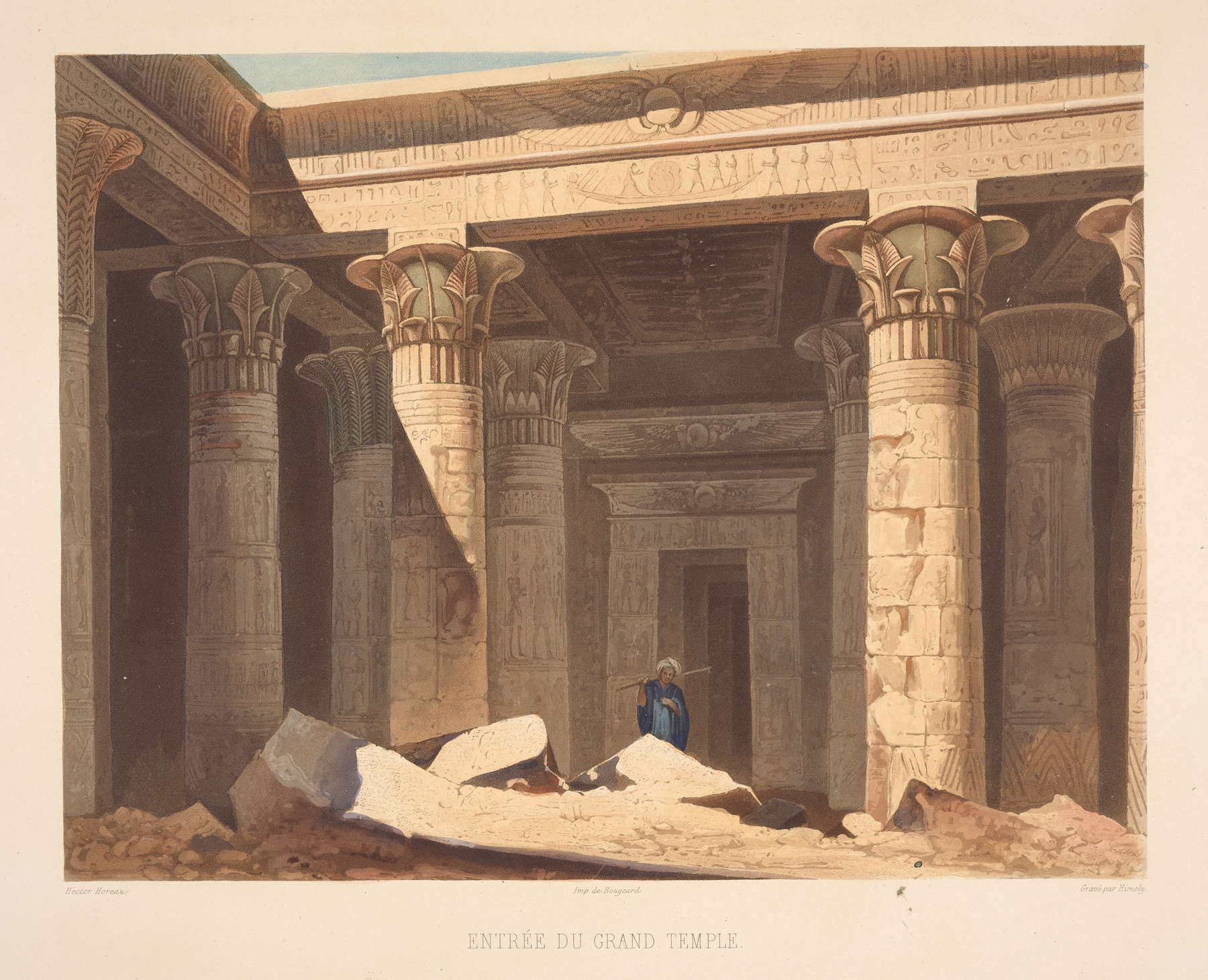
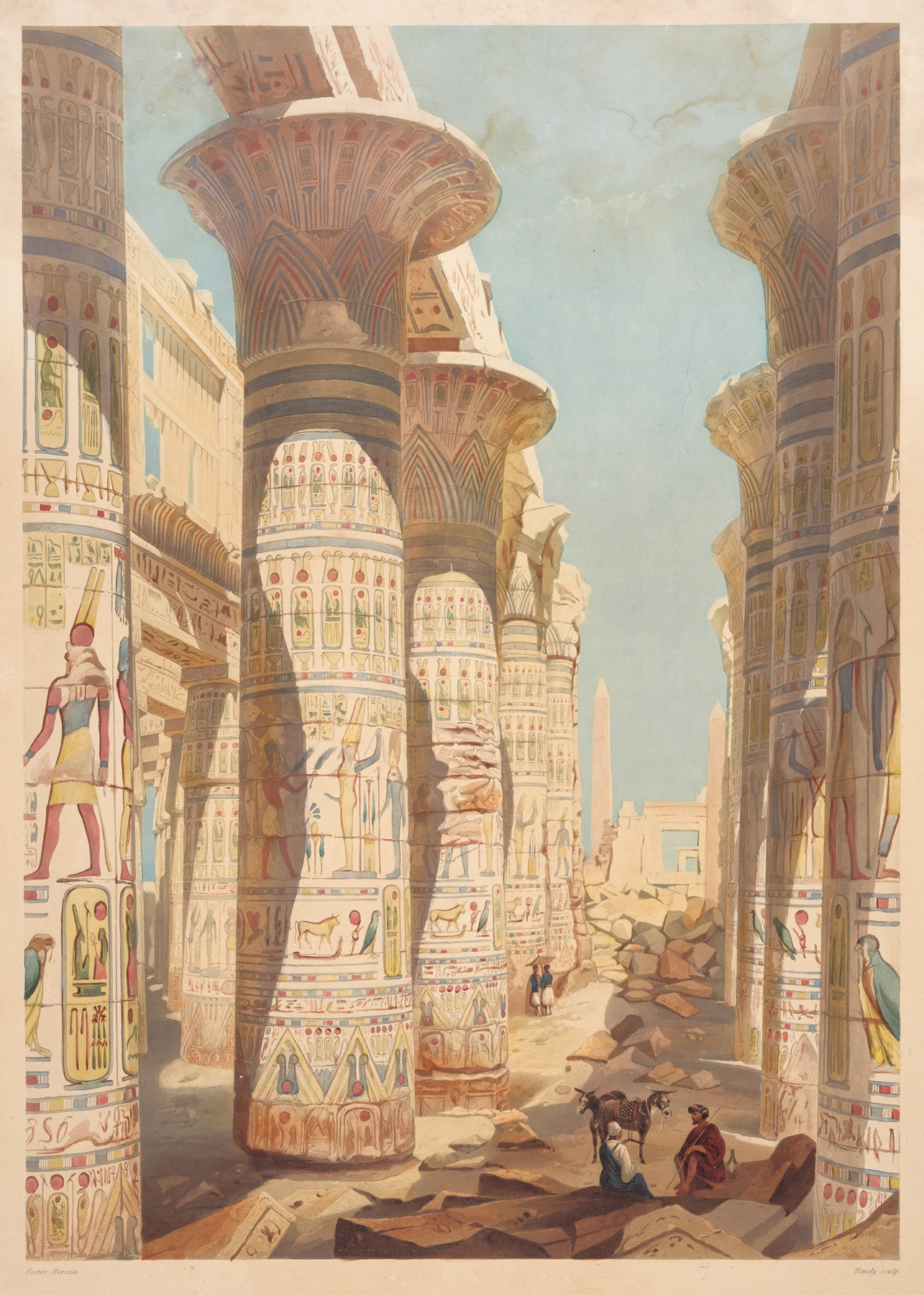
Could beauty survive in a century of chaos? In Medinet Abou, the delicate interplay of architectural grandeur and nature seems to whisper the answer — a tentative yes, cradled in the folds of time and memory. Begin at the foreground, where the ruins command your gaze. Notice how Horeau masterfully captures the dilapidated columns, their weathered surfaces contrasting sharply against the lush greenery that threatens to reclaim them. The warm, golden hues of the sun-drenched stone resonate with the cool, shadowy recesses of the surrounding foliage.
This juxtaposition not only highlights the passage of time but also invites contemplation on the resilience of beauty amid decay. Delve deeper, and you’ll find the emotional tension inherent in this moment. The remnants of civilization stand in stark contrast to the life that persists around them, evoking a sense of nostalgia and loss. Look closely at the intricate carvings still evident on the stone; they seem to recall whispers of a vibrant culture now lost to history.
This visual dialogue between the man-made and nature encapsulates a poignant reflection on memory — both collective and personal — as time weaves its tapestry over all we once held dear. In 1839, Horeau painted this evocative scene while traveling through Egypt, a period when European fascination with ancient civilizations was thriving. The Romantic movement was in full swing, and artists sought to capture the sublime in nature and history. At this juncture, Horeau's work emerged as both a testament to a bygone era and a meditation on the enduring beauty found within the ruins of time.
![Temple d’Ibsamboul [Interior view] (Temple of Abu Simbel), by Hector Horeau, public domain](https://froigstrpvutwqtqikzt.supabase.co/storage/v1/object/public/art-images/artworks/3156dbe8015f5681be442de2c2c50af40c84d5e10e8f68f04f9a54d6d857255f.jpg)