Avenue des Sphinx (Avenue of the Sphinxes) — History & Analysis
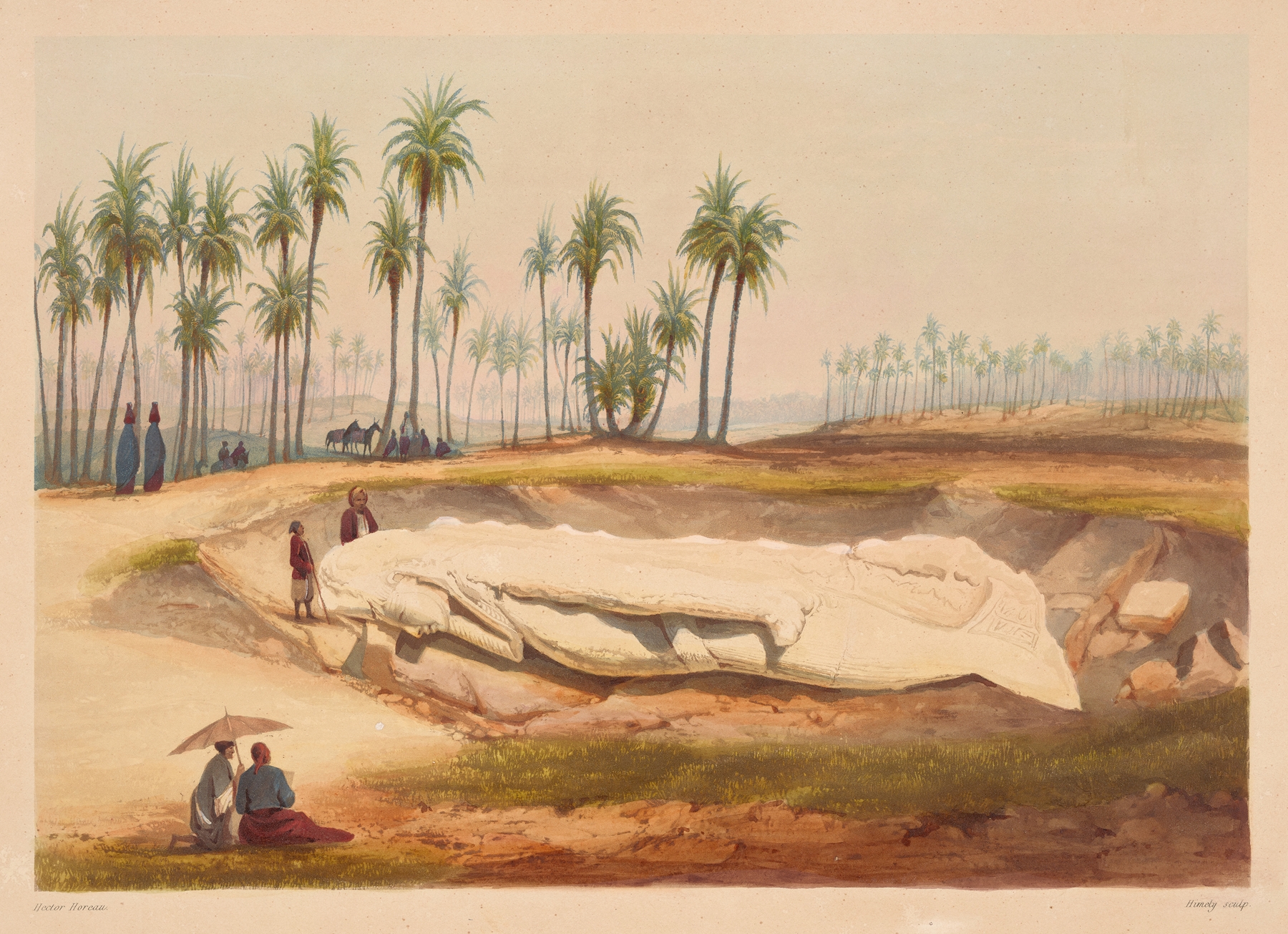
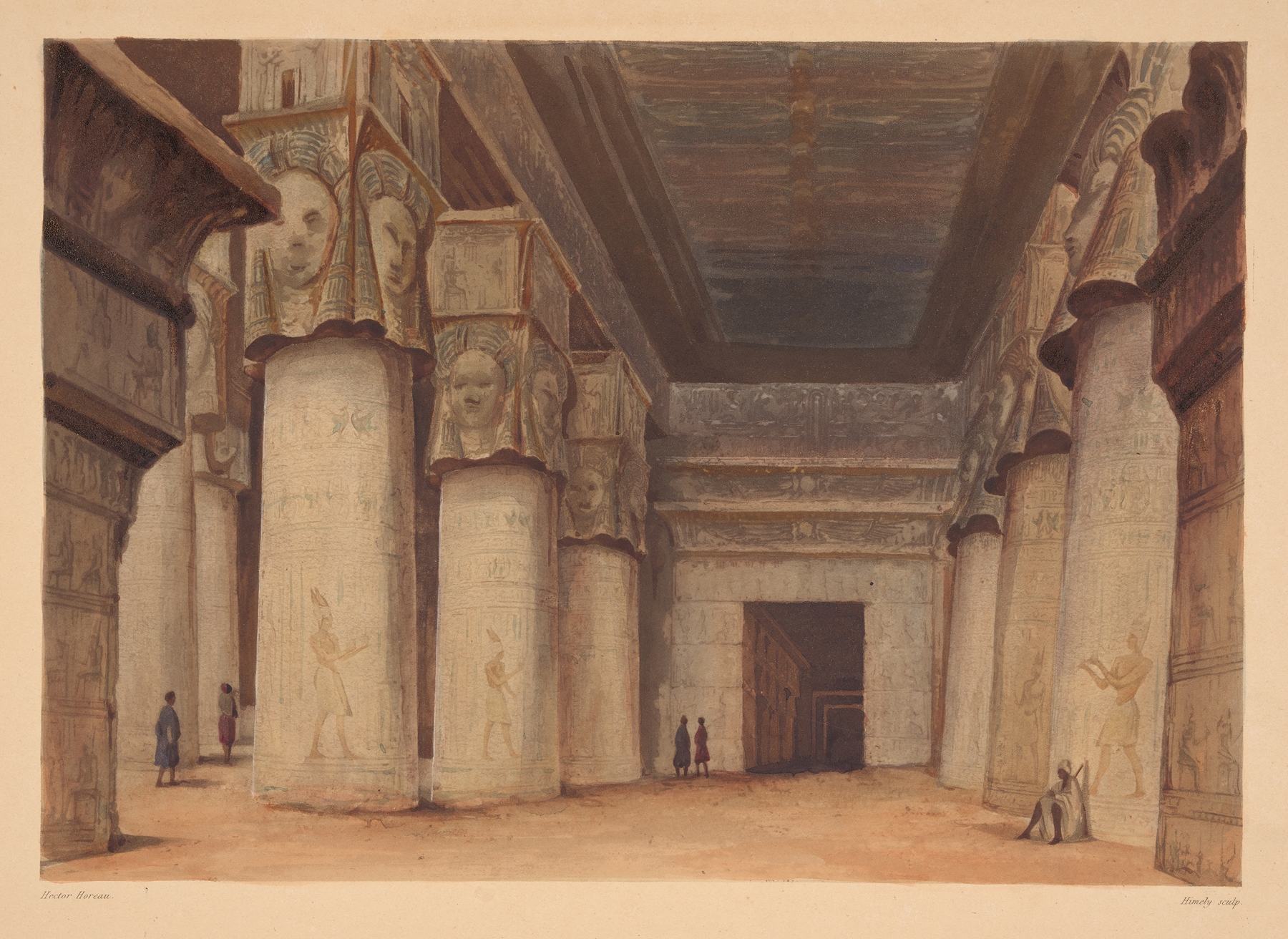
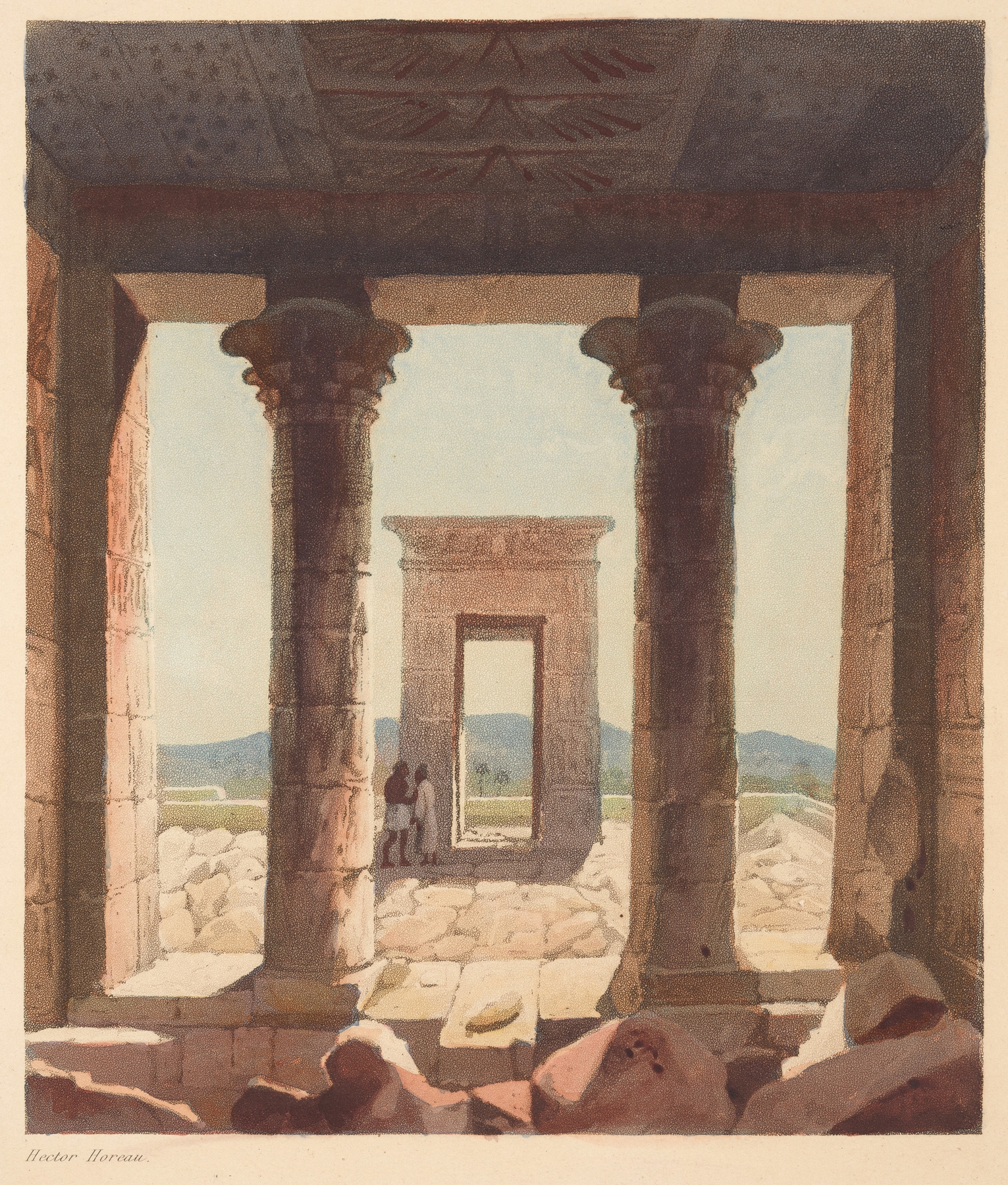
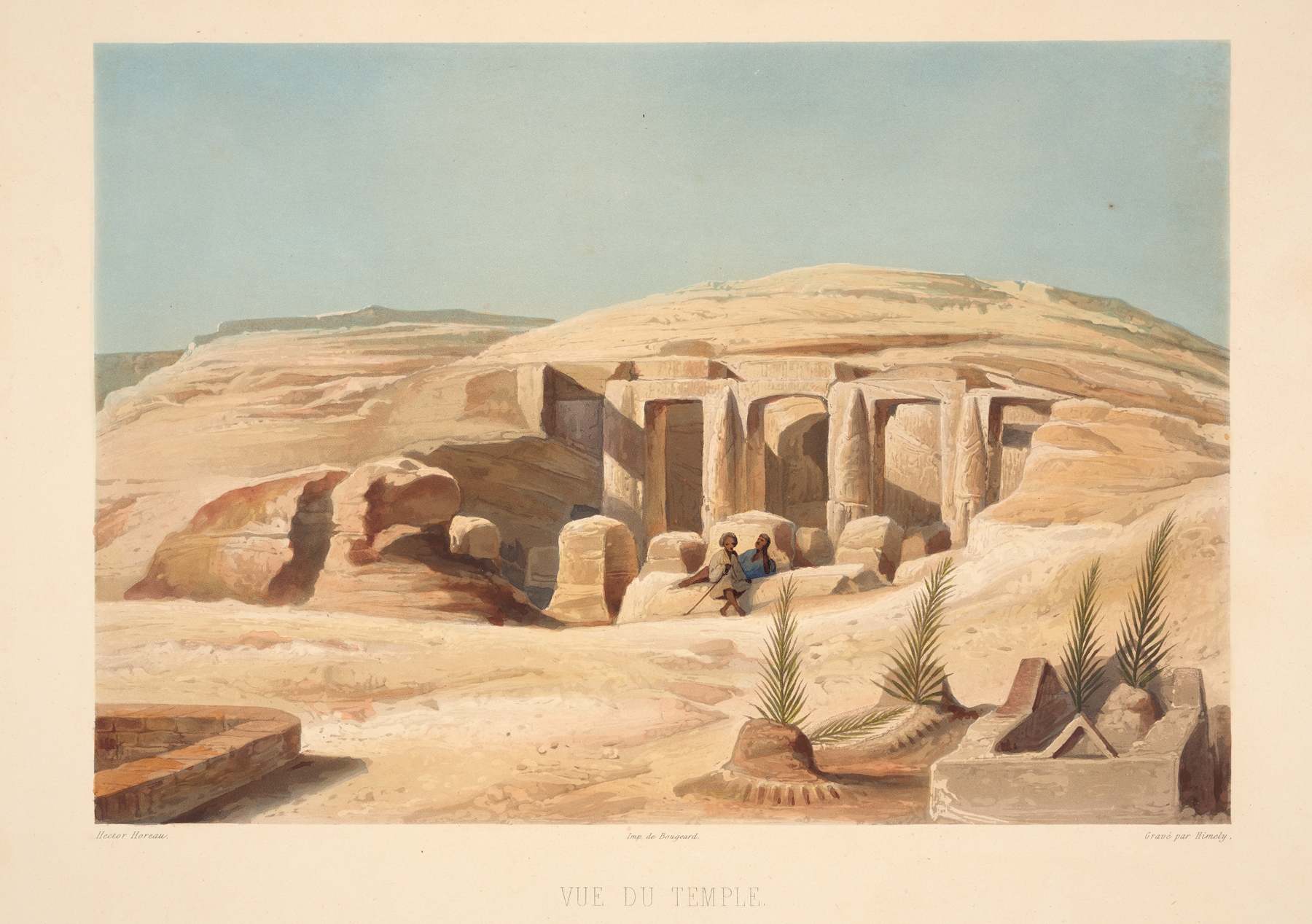
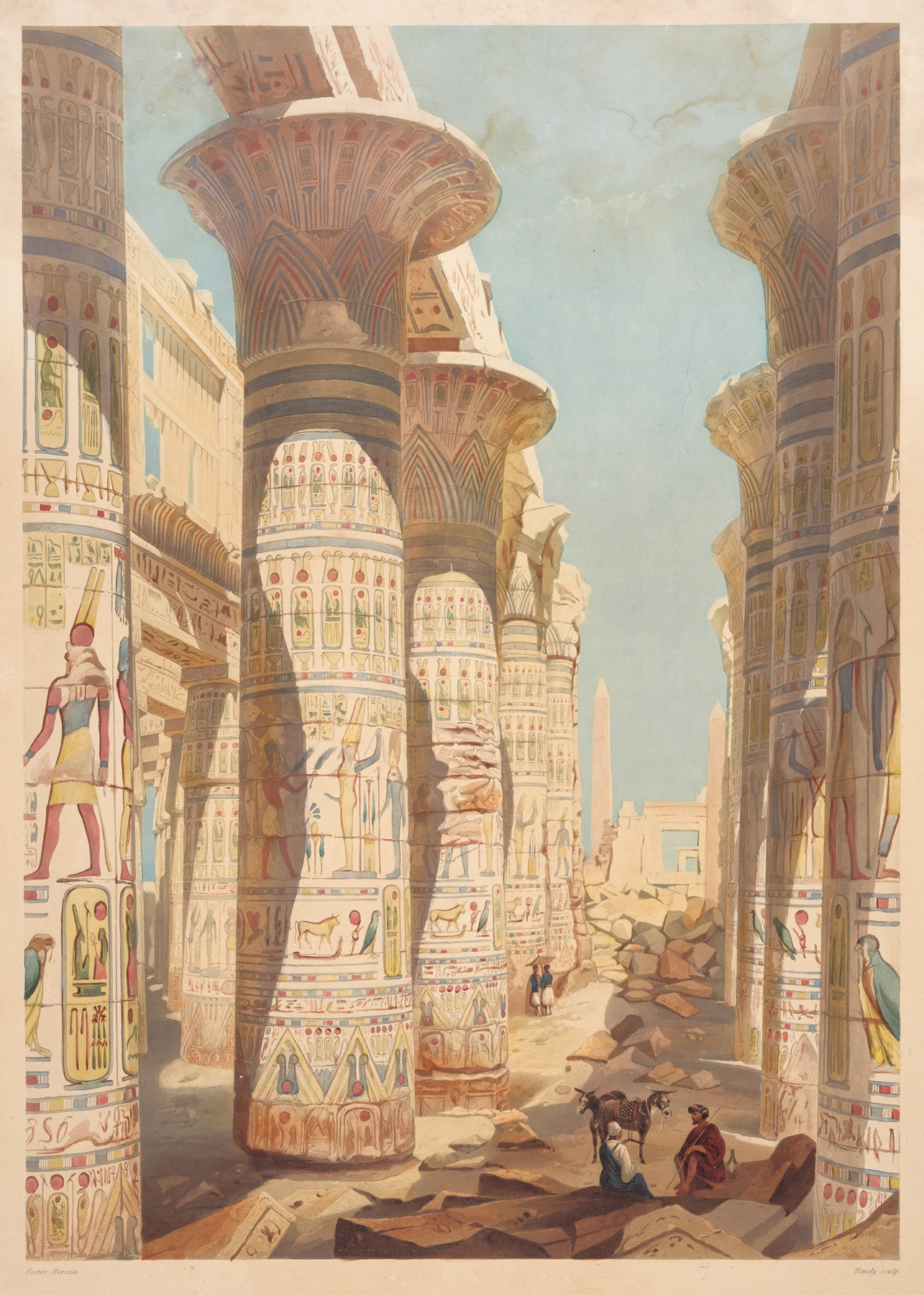
“Every brushstroke is a heartbeat remembered.” In the midst of chaos, a fleeting moment in time captures the essence of an ancient land transformed by the passage of time. Look to the left, where the commanding figures of sphinxes rise majestically amidst the bustling scene. Their stoic expressions contrast sharply with the animated human figures that populate the street, each engaged in their own solitary narratives. Notice how Horeau employs a palette of earthy tones, infused with bursts of brilliant hues to detail the architecture and foliage.
The sunlight dances across the scene, illuminating the intricate carvings of the sphinxes while casting shadows that deepen the sense of history lurking in the background. Beneath the surface, the painting reveals tensions between permanence and transience. The sphinxes, symbols of immortality, stand steadfast against the ephemeral lives of the people around them, who navigate the chaos of their daily existence. Yet, there’s a profound unity; the intertwining of human life with monumental memory evokes a sense of reverence for what has been.
Each figure carries a fragment of the past, subtly suggesting that even in bustling chaos, history remains an indelible thread woven through the fabric of life. In 1839, Horeau was immersed in the exploration of Egypt, capturing its ancient grandeur amidst a period of European fascination with the East. The rise of Romanticism encouraged artists to infuse their works with emotion and a sense of adventure, which is evident in this piece. Horeau’s journey through the ruins and vibrant life of Egypt reflected not only his artistic aspirations but also the growing curiosity of a continent in the throes of cultural awakening.
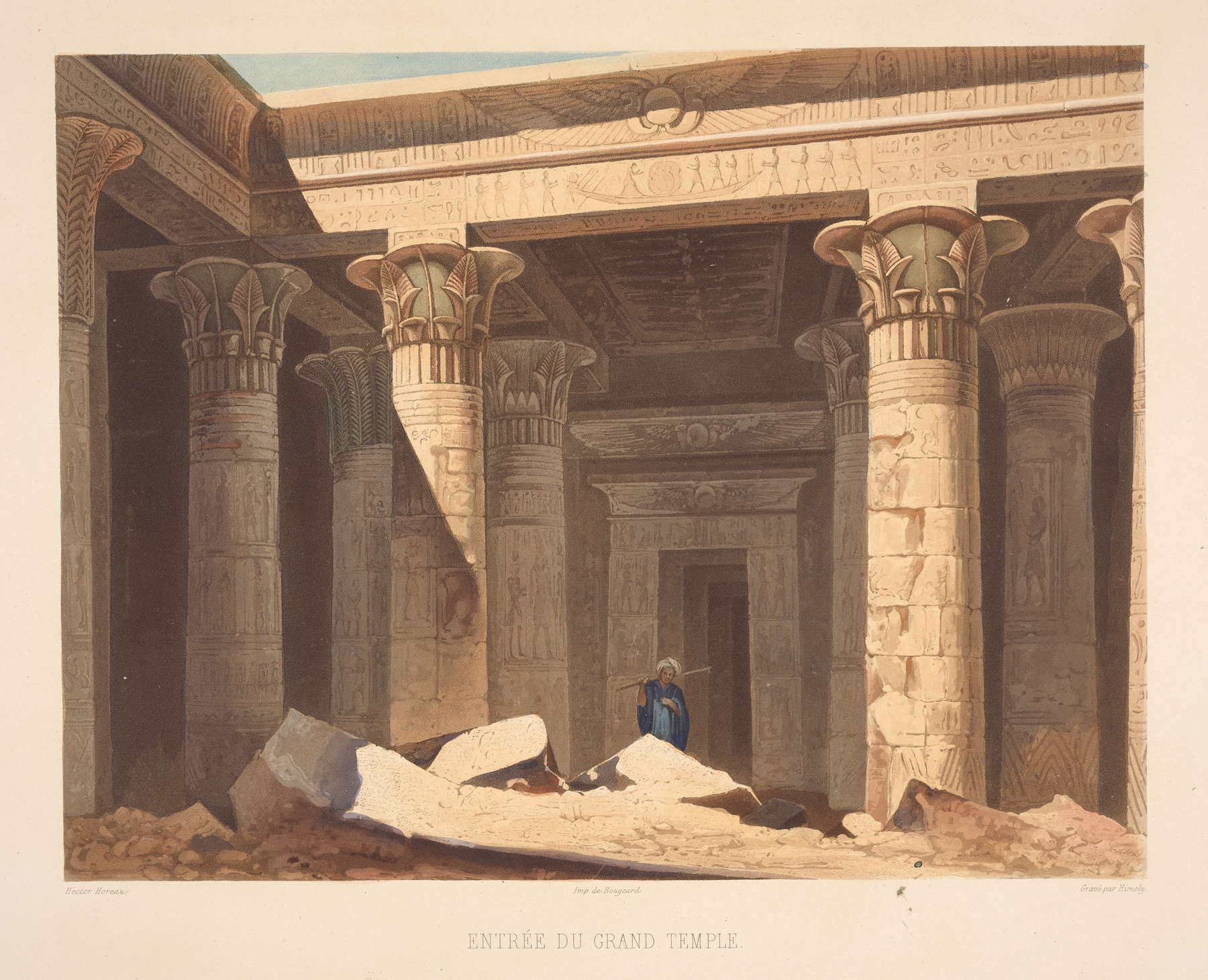
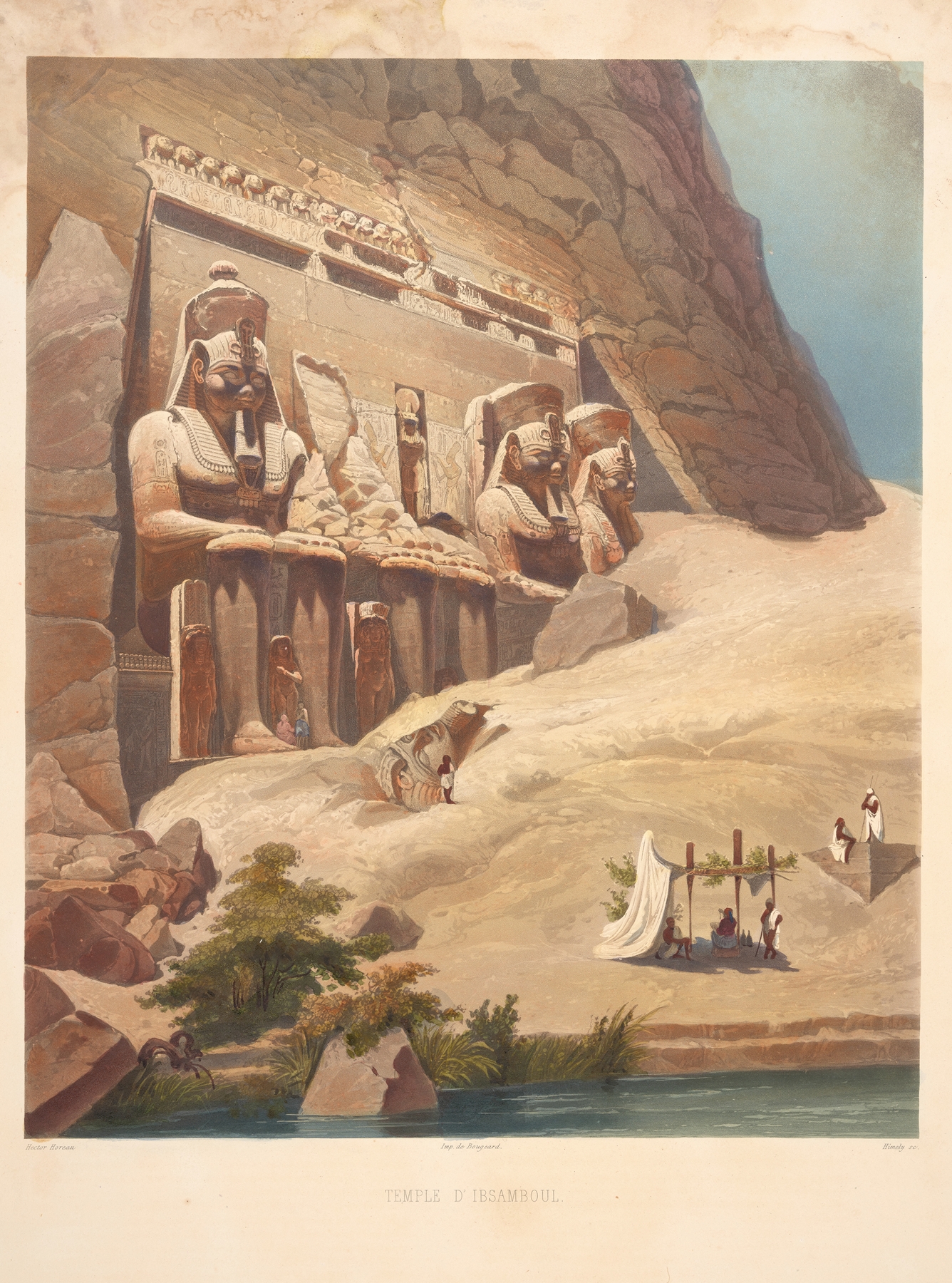
![Temple d’Ibsamboul [Interior view] (Temple of Abu Simbel), by Hector Horeau, public domain](https://froigstrpvutwqtqikzt.supabase.co/storage/v1/object/public/art-images/artworks/3156dbe8015f5681be442de2c2c50af40c84d5e10e8f68f04f9a54d6d857255f.jpg)