Dandour — History & Analysis
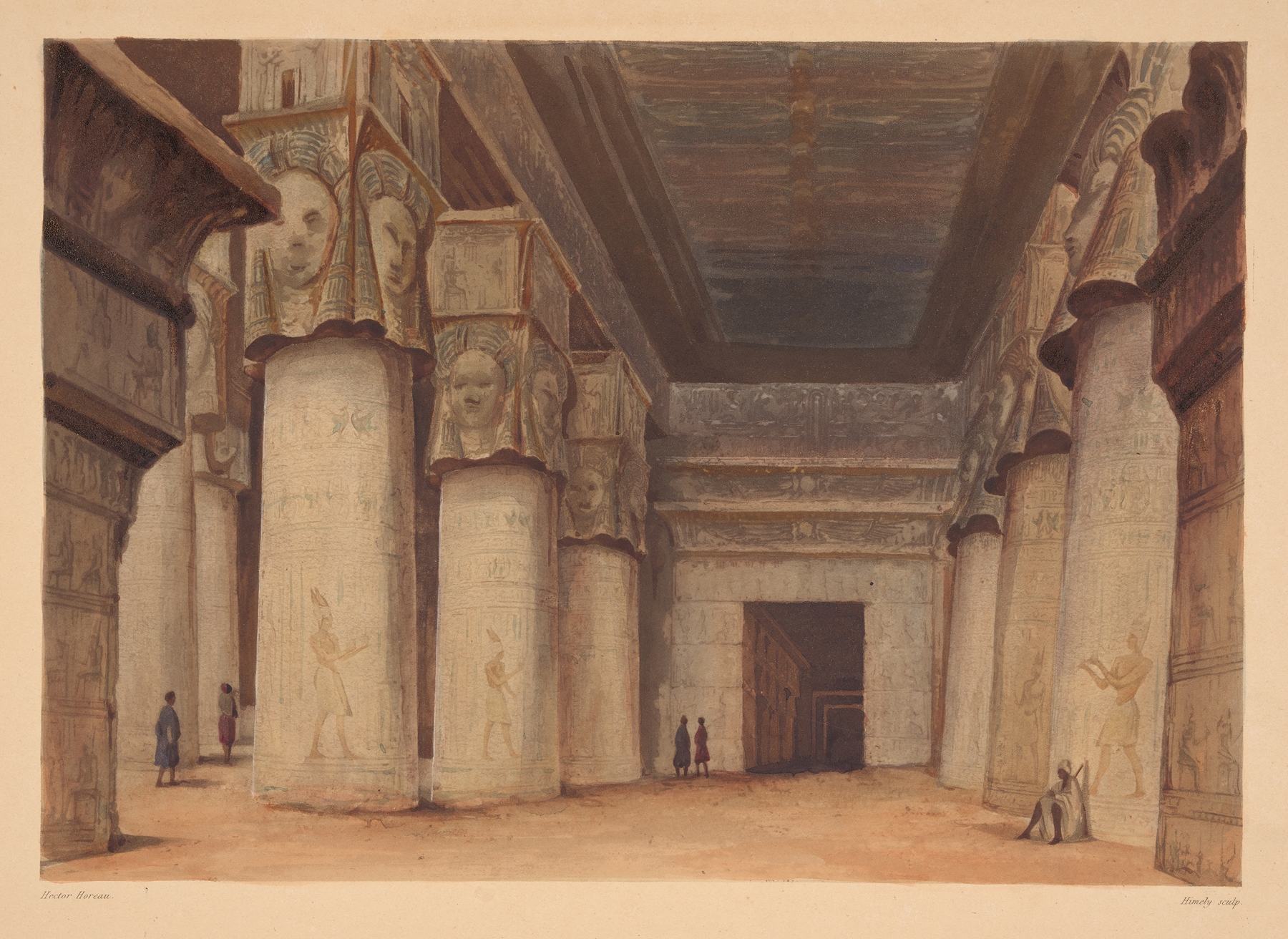
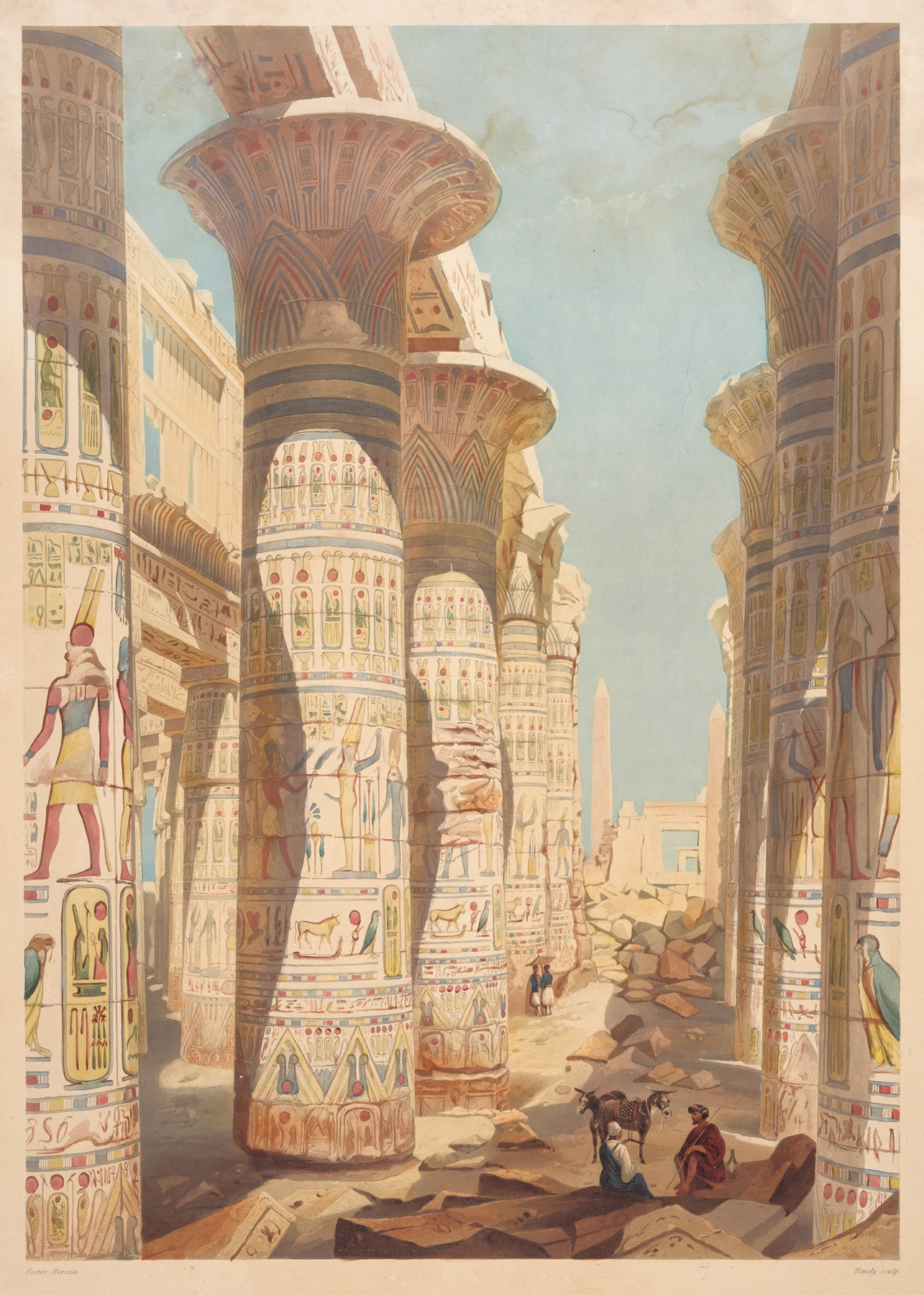
“Sometimes beauty is just pain, disguised in gold.” The allure of this sentiment resonates deeply within the intricate layers of life, where violence and grace often intertwine. Focus on the opulent detailing in the foreground, where vibrant hues of gold and deep azure create a striking contrast. As you take in the scene, the smooth lines of the architecture draw the eye to the intricate patterns that adorn the walls, inviting you to wander through a realm where every ornate design tells a story. The juxtaposition of light and shadow enhances a sense of depth, making the colors flicker like whispers of forgotten tales.
Yet, beneath the surface beauty lies a tension that unsettles. The delicate ornamentation can evoke feelings of entrapment, as if the very splendor of the surroundings conceals unspoken narratives of violence and struggle. Notice the subtle expressions of the figures, each caught in a moment of stillness that belies an underlying turmoil, hinting at the fragility of existence amidst grandeur. The artwork suggests that extravagance often masks the harsh realities of life, raising questions about the cost of beauty.
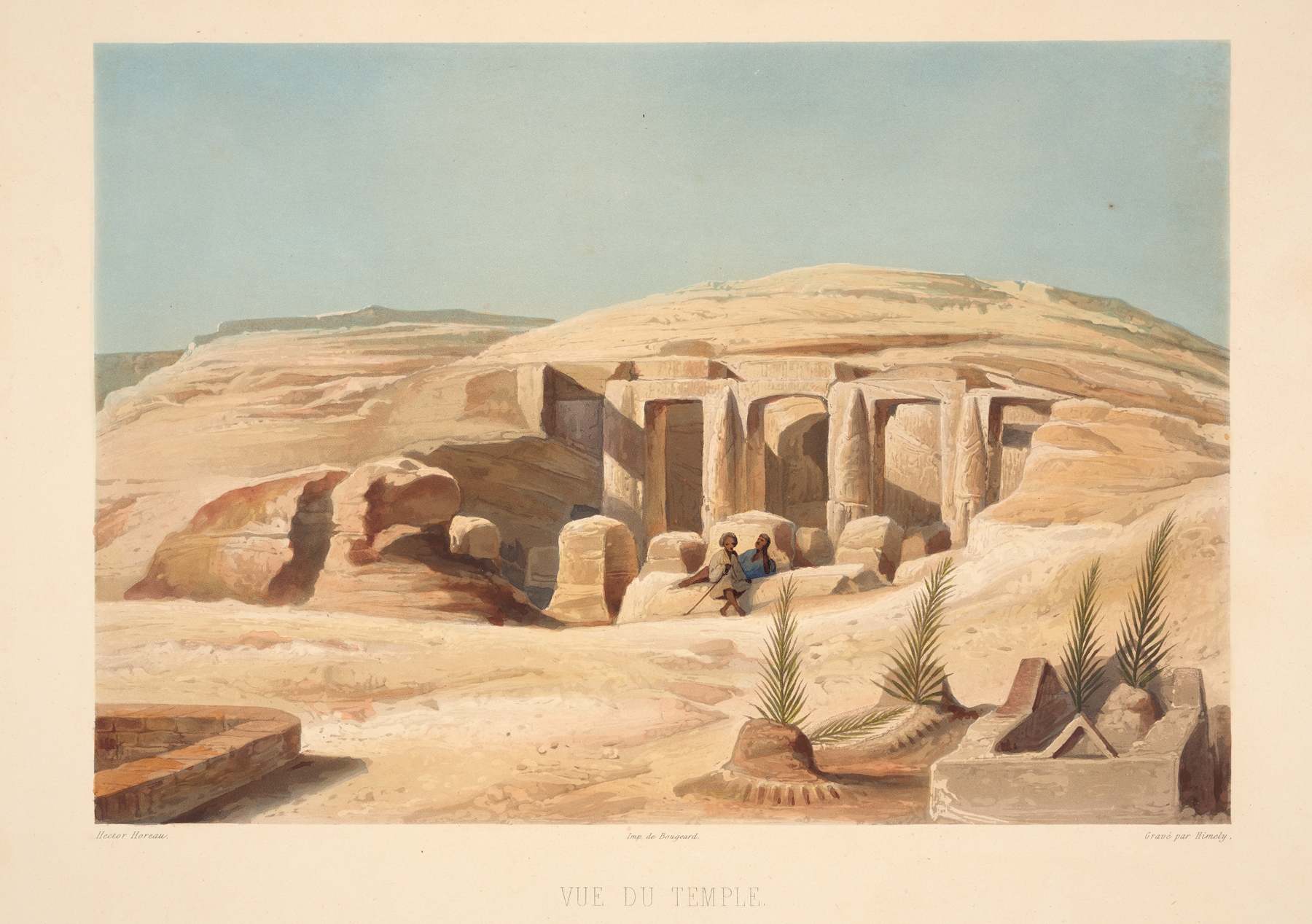
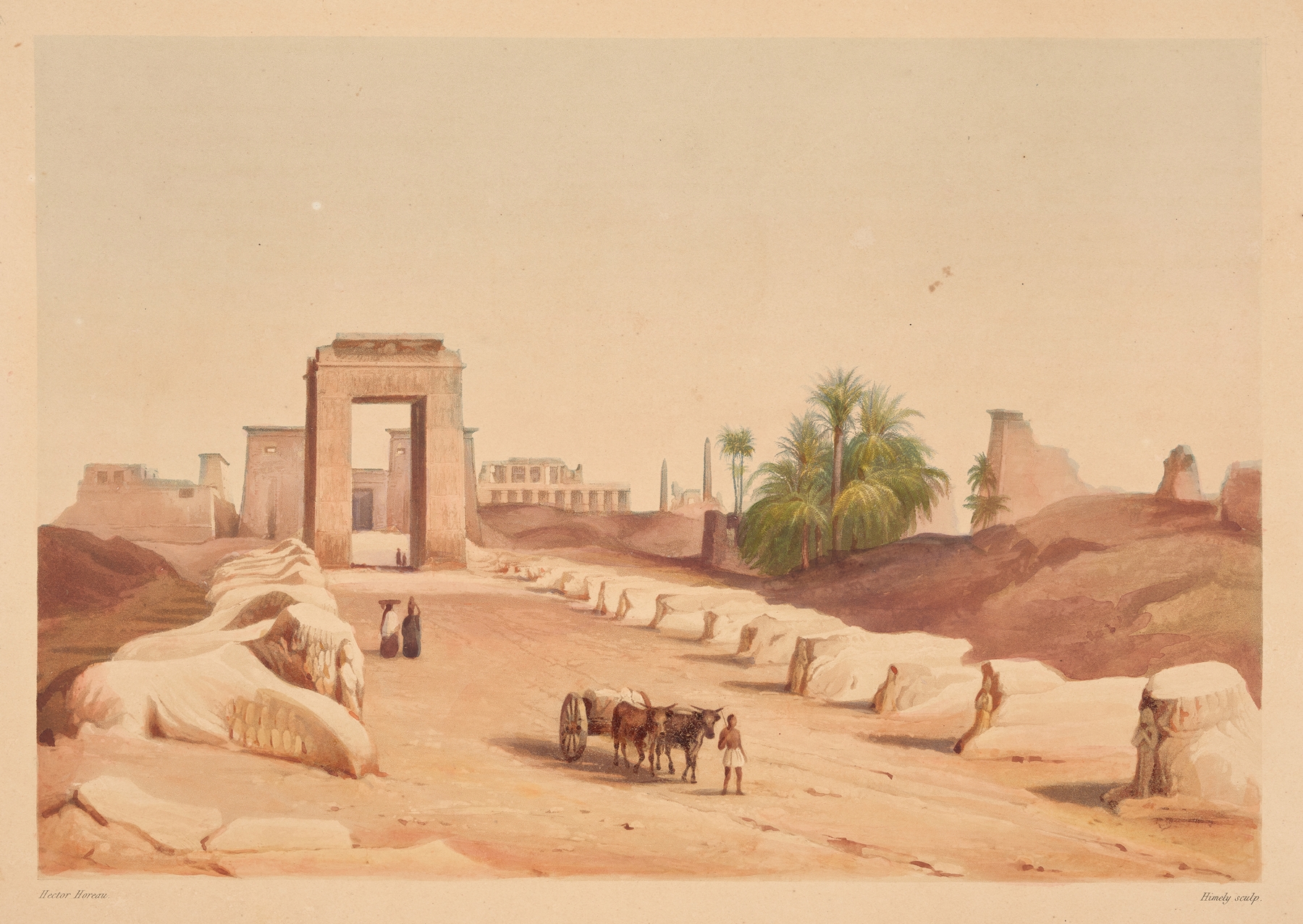
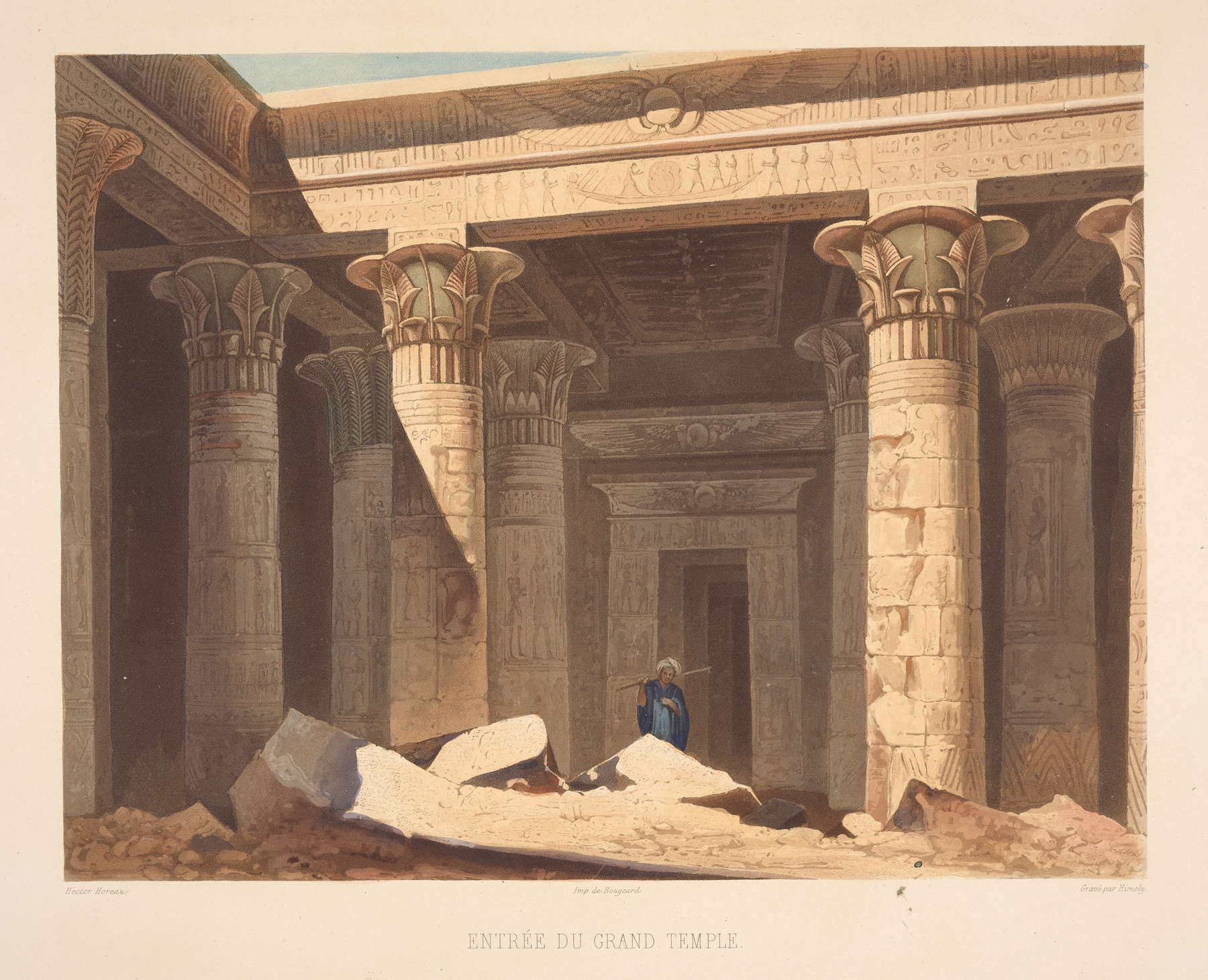
Hector Horeau painted this masterpiece in 1839, during a period marked by both artistic exploration and societal upheaval. Living in Paris, he was influenced by the burgeoning Romantic movement, which sought to evoke deep emotion and challenge traditional aesthetics. In a world that was grappling with change, Dandour encapsulates the contradictions of beauty and violence, reflecting the complexity of human experience amid the elegance of the time.
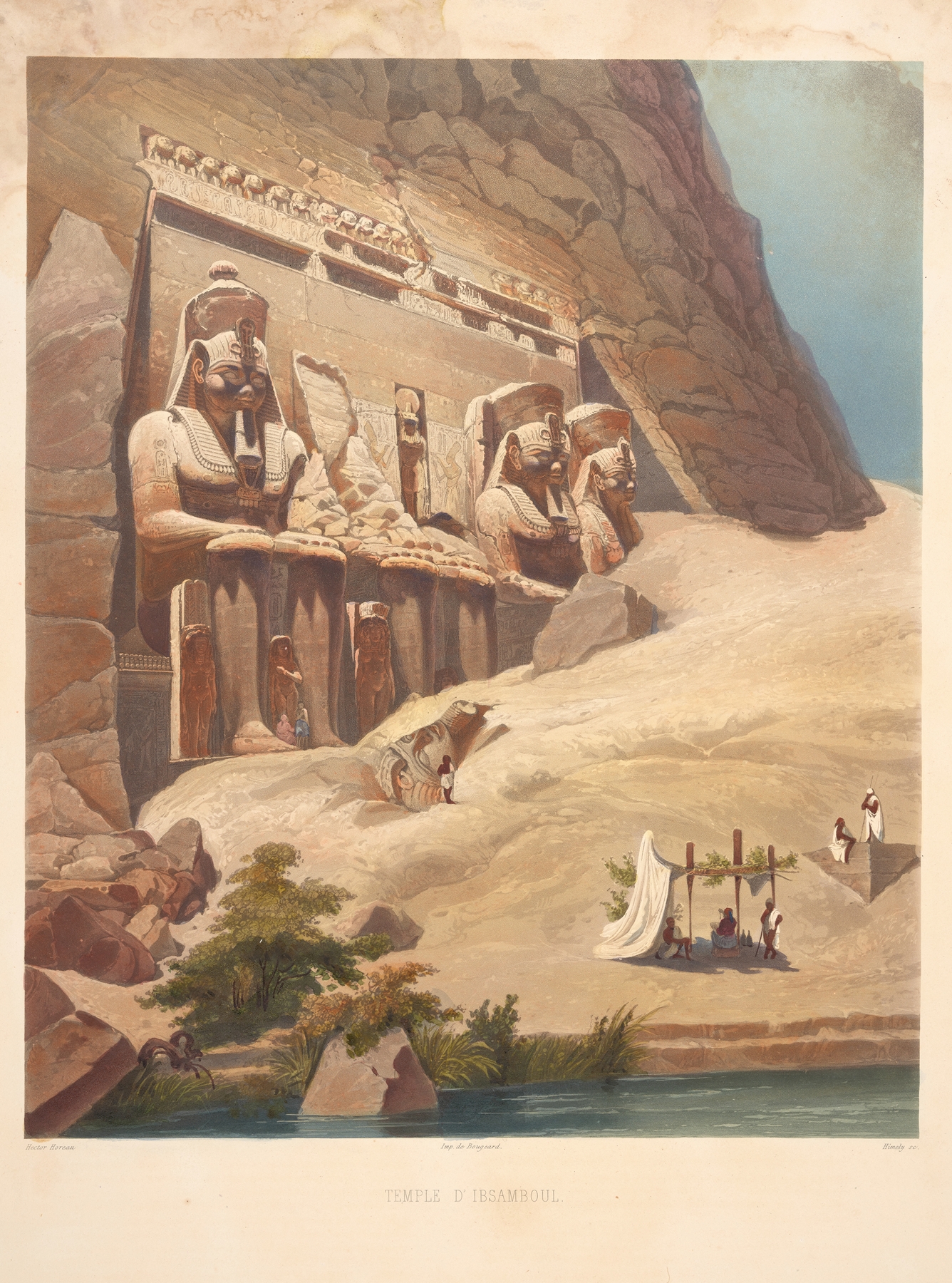
![Temple d’Ibsamboul [Interior view] (Temple of Abu Simbel), by Hector Horeau, public domain](https://froigstrpvutwqtqikzt.supabase.co/storage/v1/object/public/art-images/artworks/3156dbe8015f5681be442de2c2c50af40c84d5e10e8f68f04f9a54d6d857255f.jpg)