Bamboo Pavilion, Tiger Hill — History & Analysis
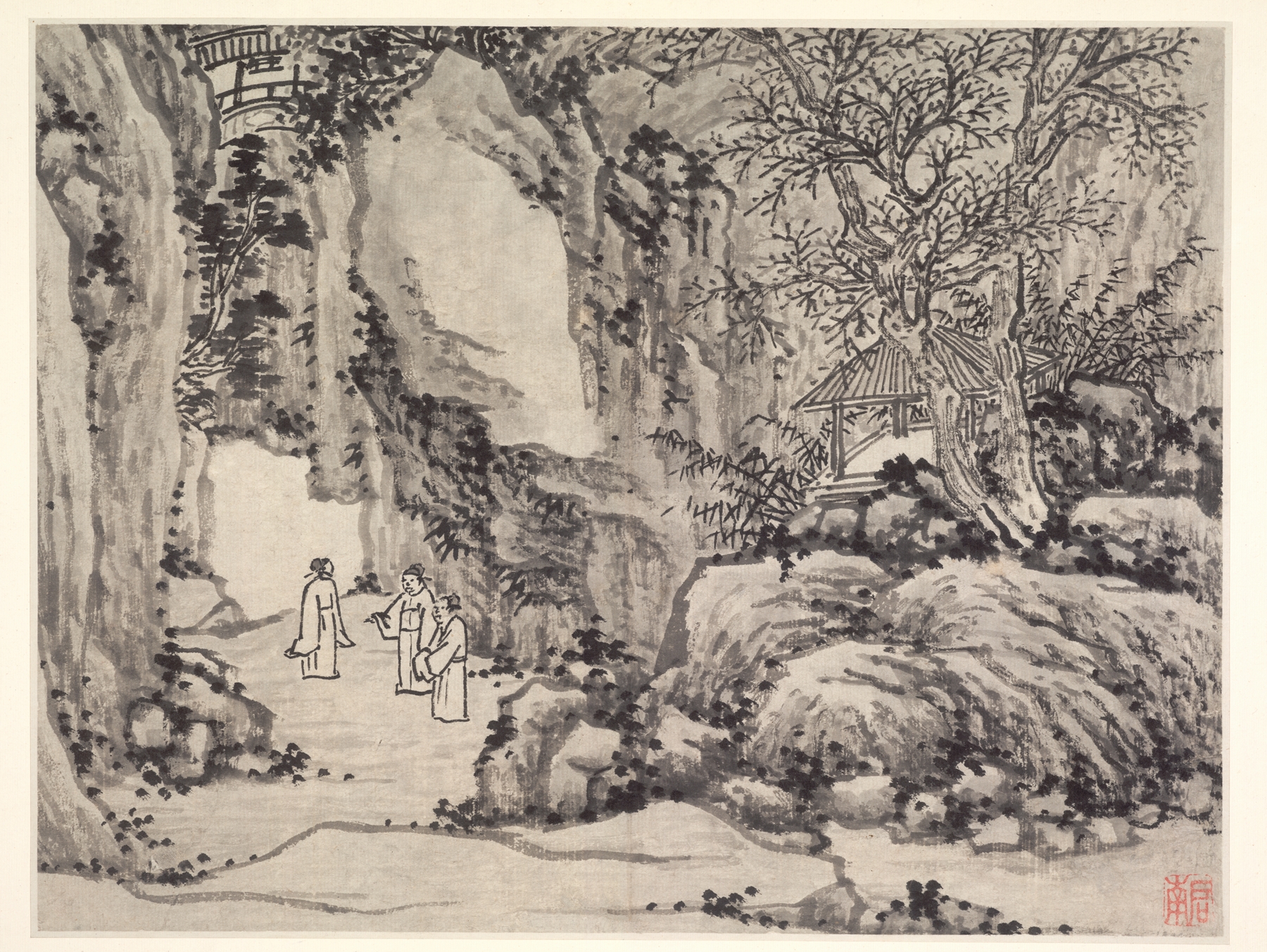
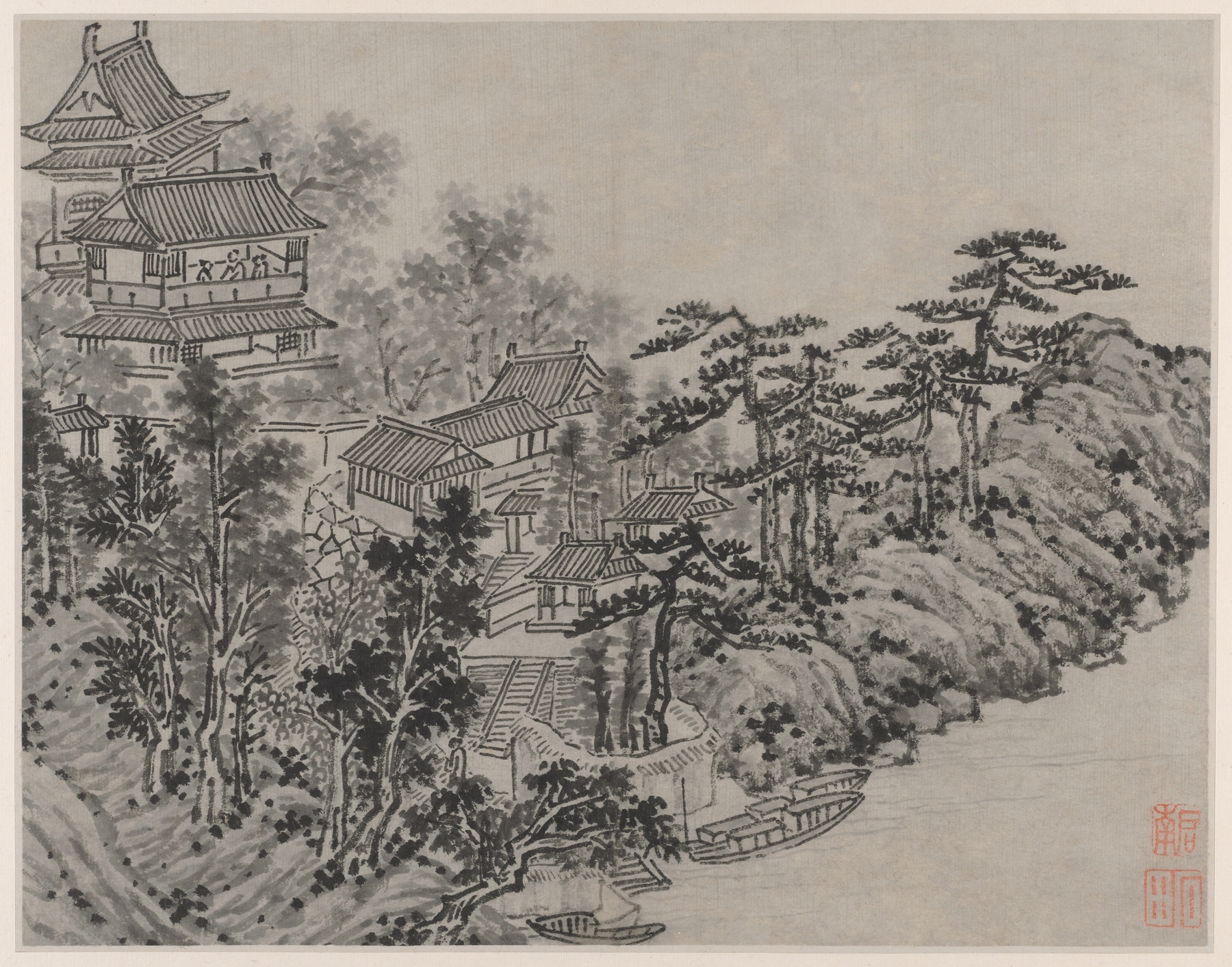
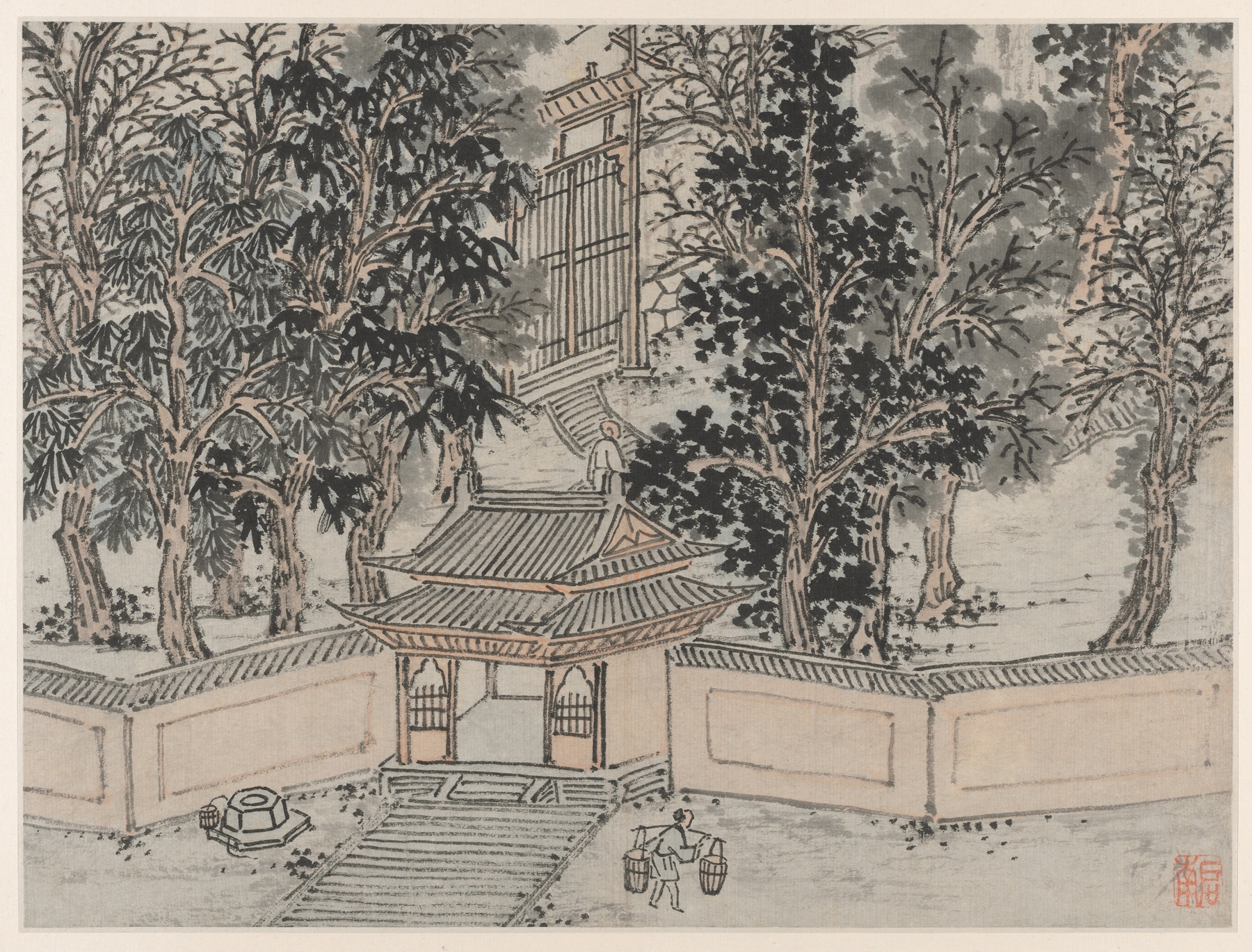
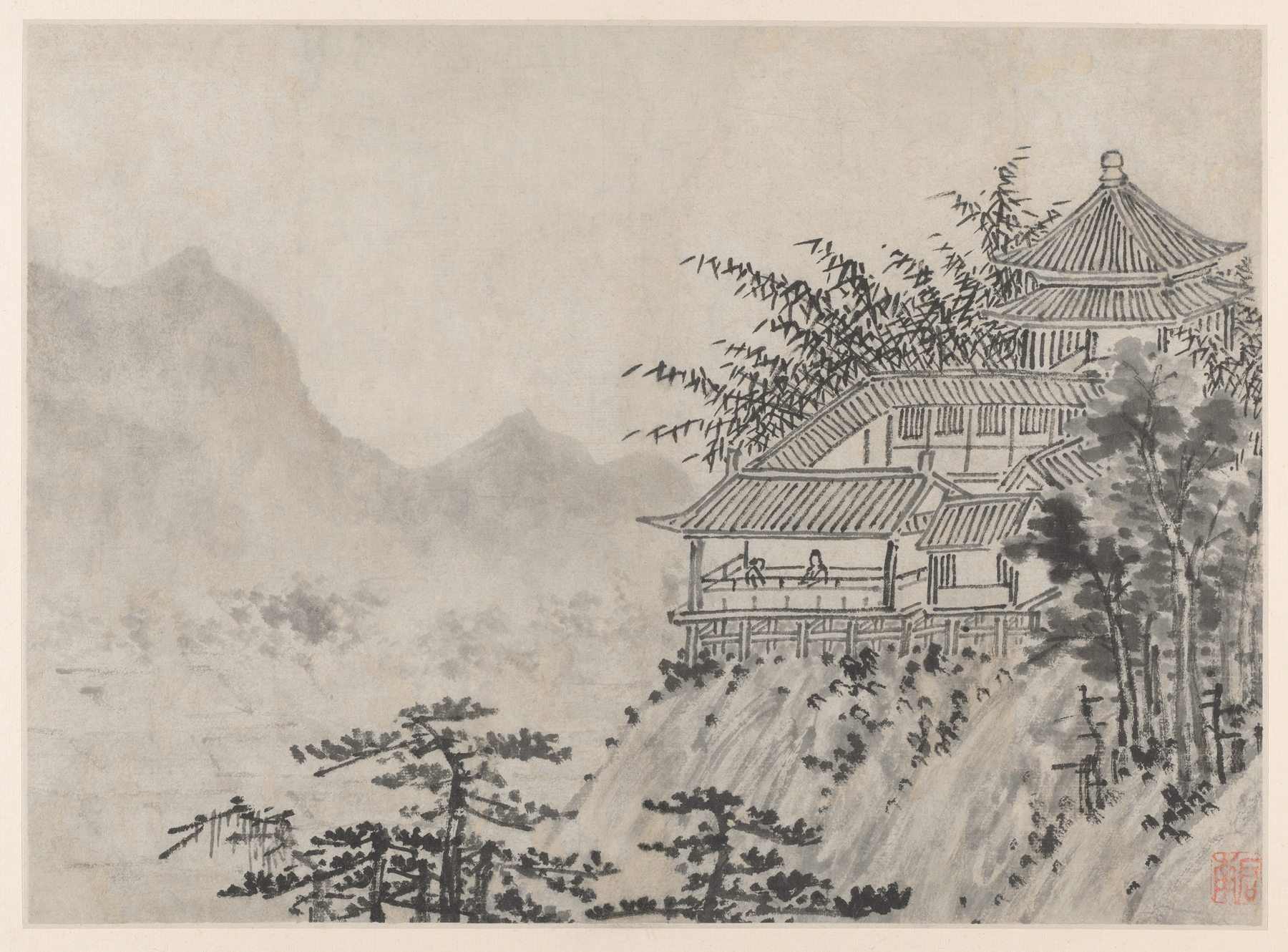
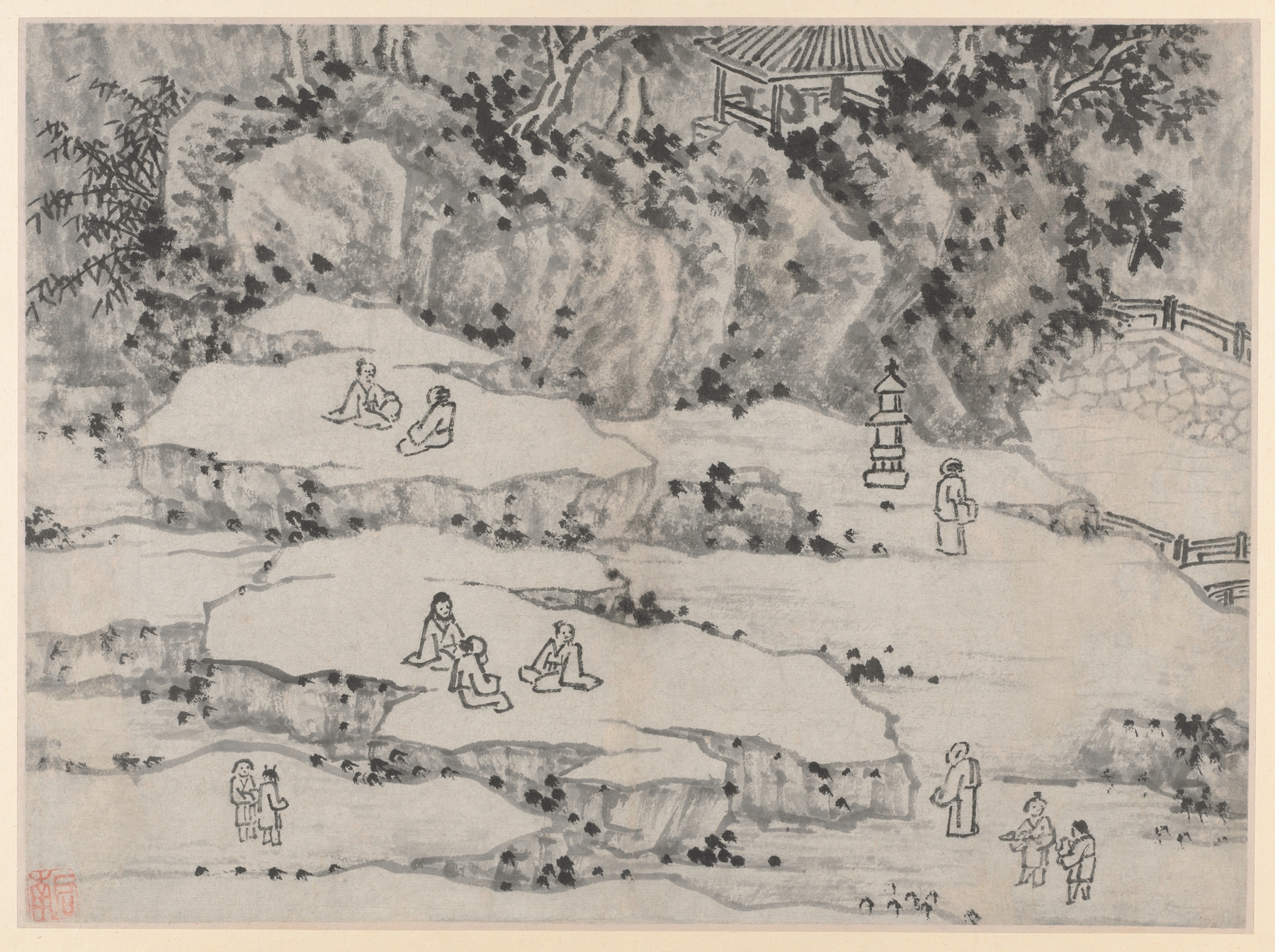
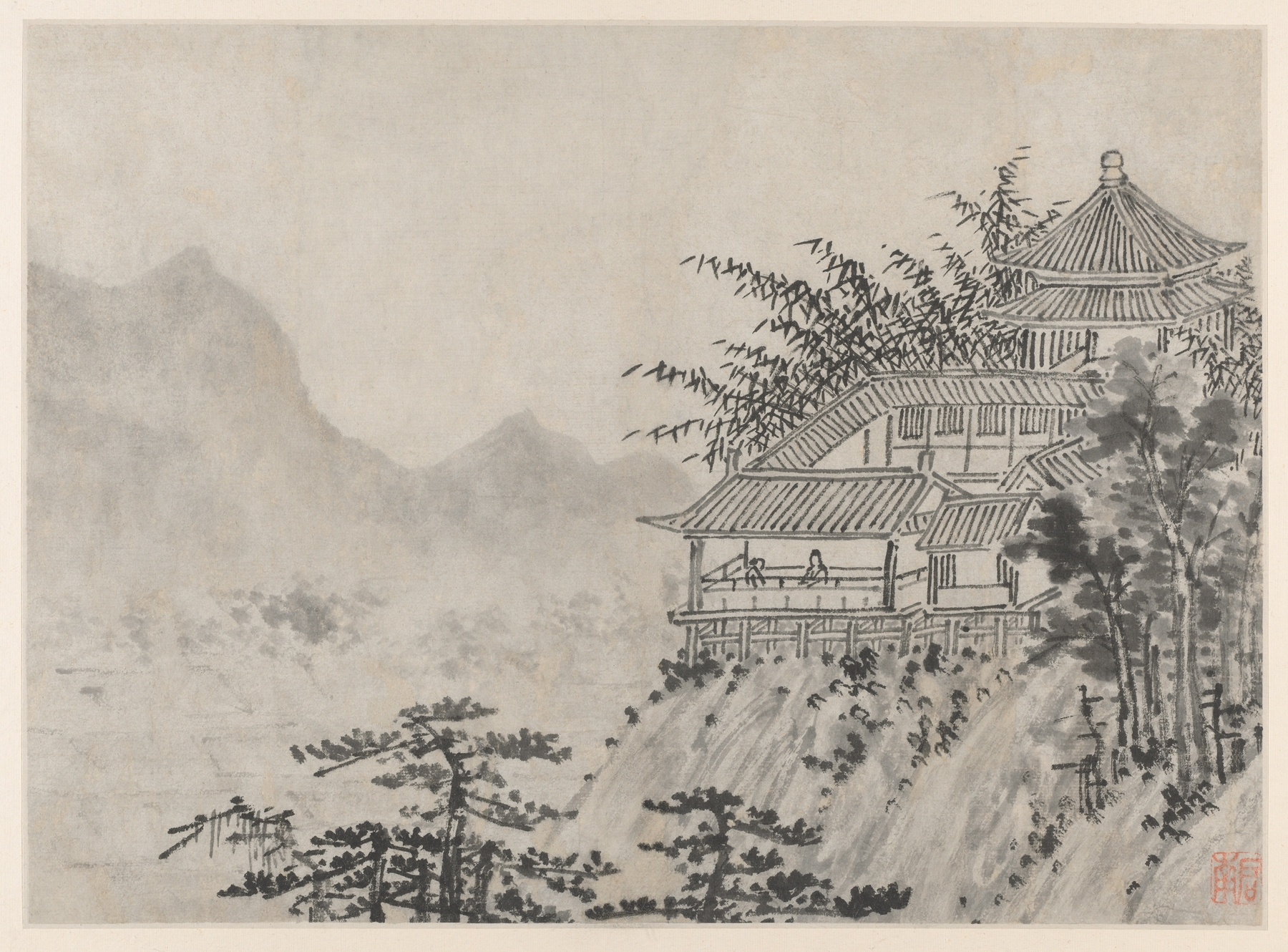
Who listens when art speaks of silence? In Bamboo Pavilion, Tiger Hill, tranquility resonates through serene brushstrokes, whispering secrets of a world untouched by the clamor of humanity. Look to the left at the delicate bamboo stems, their slender forms arching gracefully towards the gentle contours of the pavilion’s roof. Notice how the ink flows in soft, fluid lines, capturing both the strength and fragility of nature.
The muted palette of greens and browns evokes a sense of harmony, drawing the eye into the calm embrace of the landscape. The arrangement of elements creates a rhythm, inviting the viewer to traverse the serene path that leads to the elegantly rendered structure. Beneath the surface, this work speaks to the dichotomy of movement and stillness. The bamboo sways in an imaginary breeze, suggesting life in a space cloaked in silence, while the pavilion stands steadfast, a refuge from the world outside.
The contrast between the vibrant life of the foliage and the tranquil solitude of the architecture captures an essence of balance—an invitation to reflect on the constant interplay of nature and humanity. Created after 1490, this piece emerged during Shen Zhou's later years. As a prominent figure in the Wu School of painting, he found himself immersed in a changing cultural landscape, where traditional themes began to blend with personal expression. The artwork reflects his mastery of literati painting, emphasizing the scholar’s profound connection to nature amid a period of artistic evolution in China.