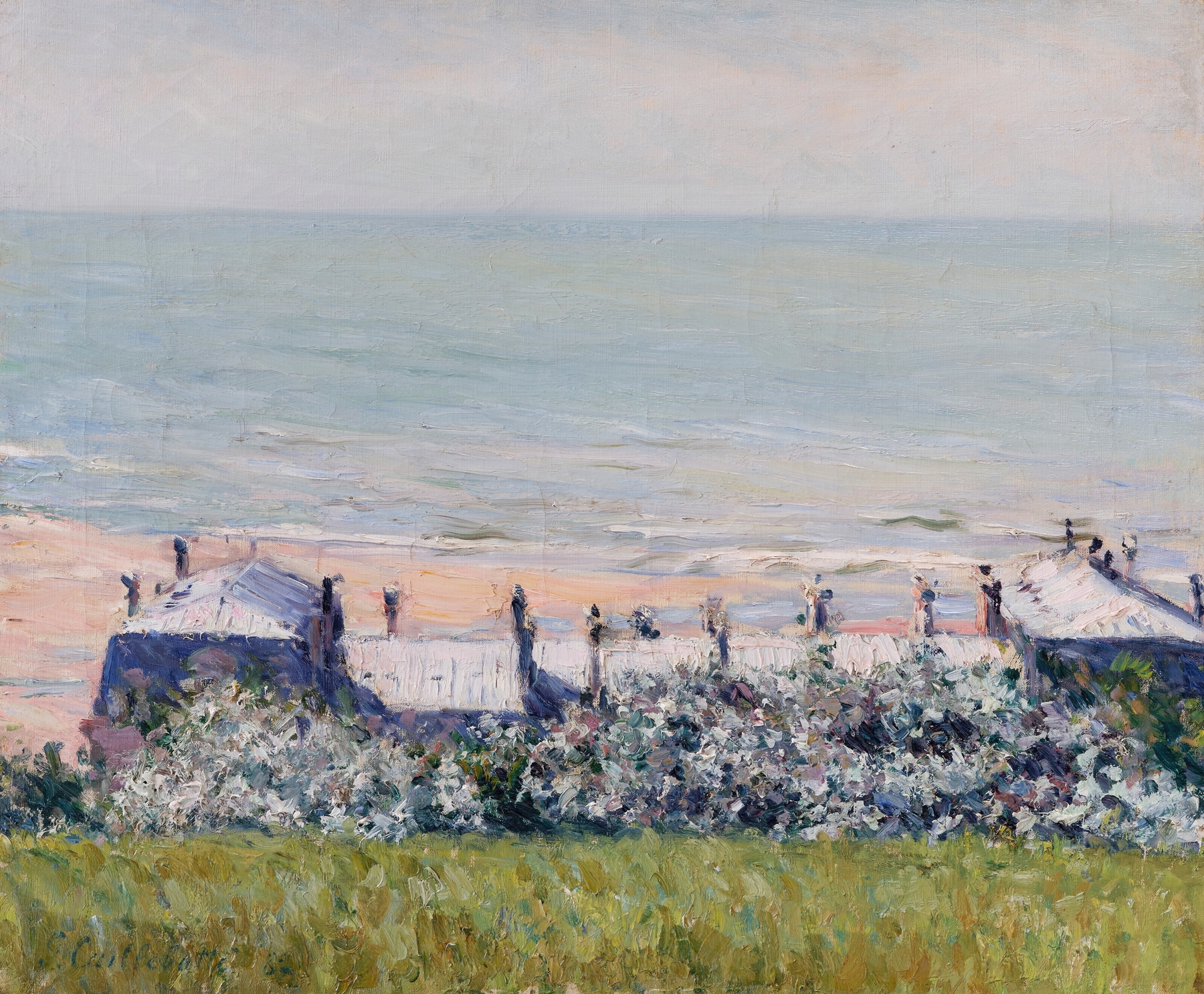
Banks of a Canal, near Naples — History & Analysis
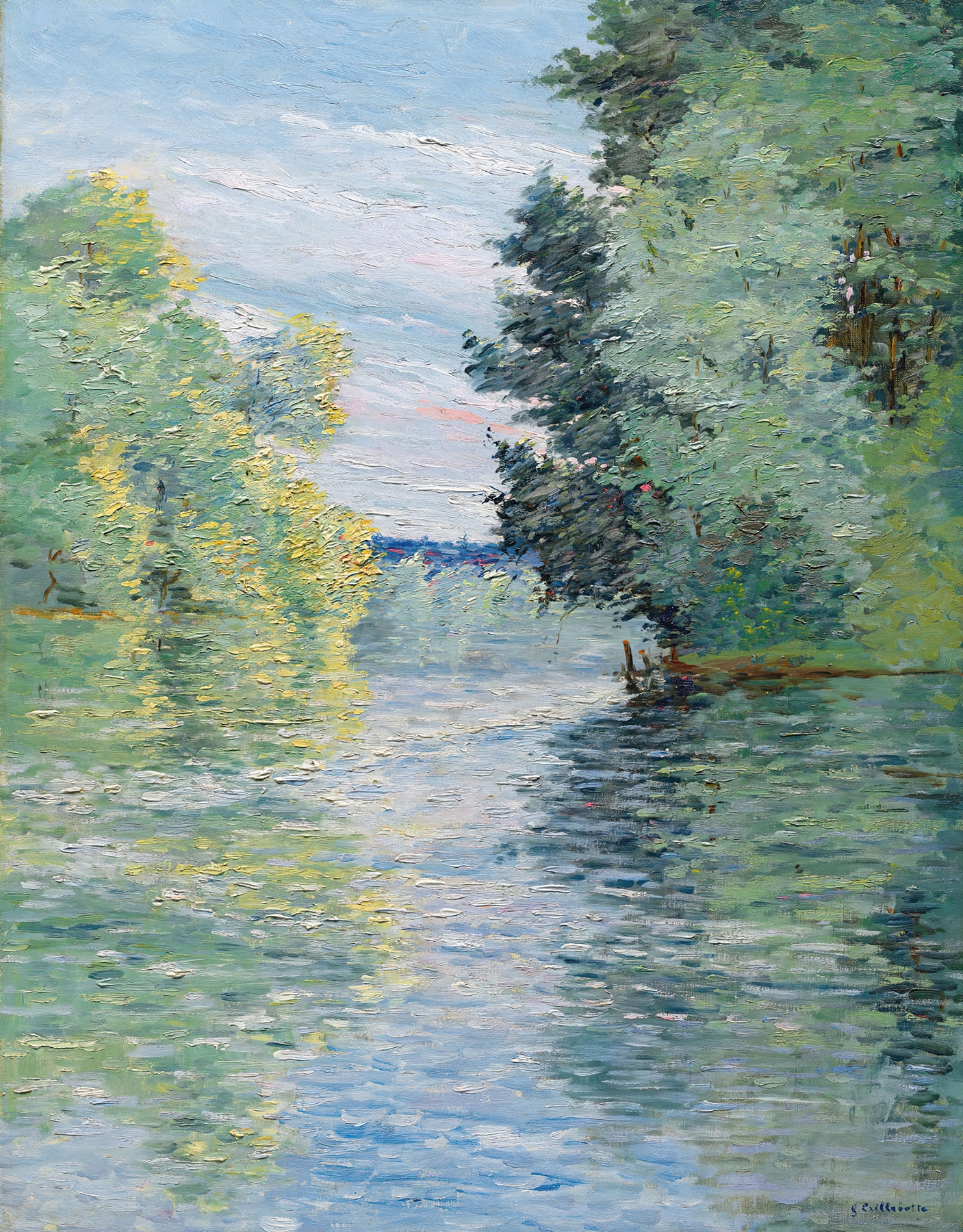
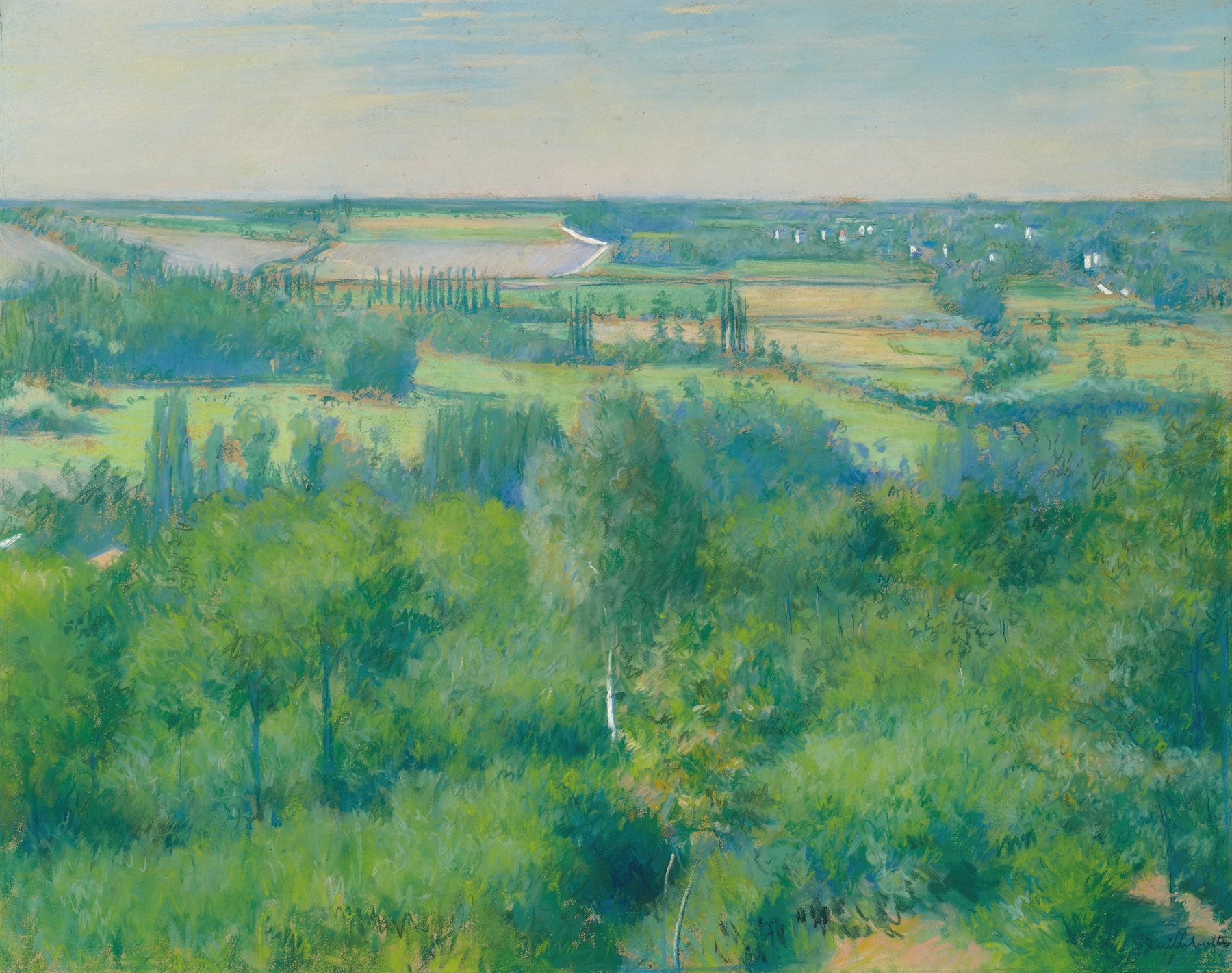
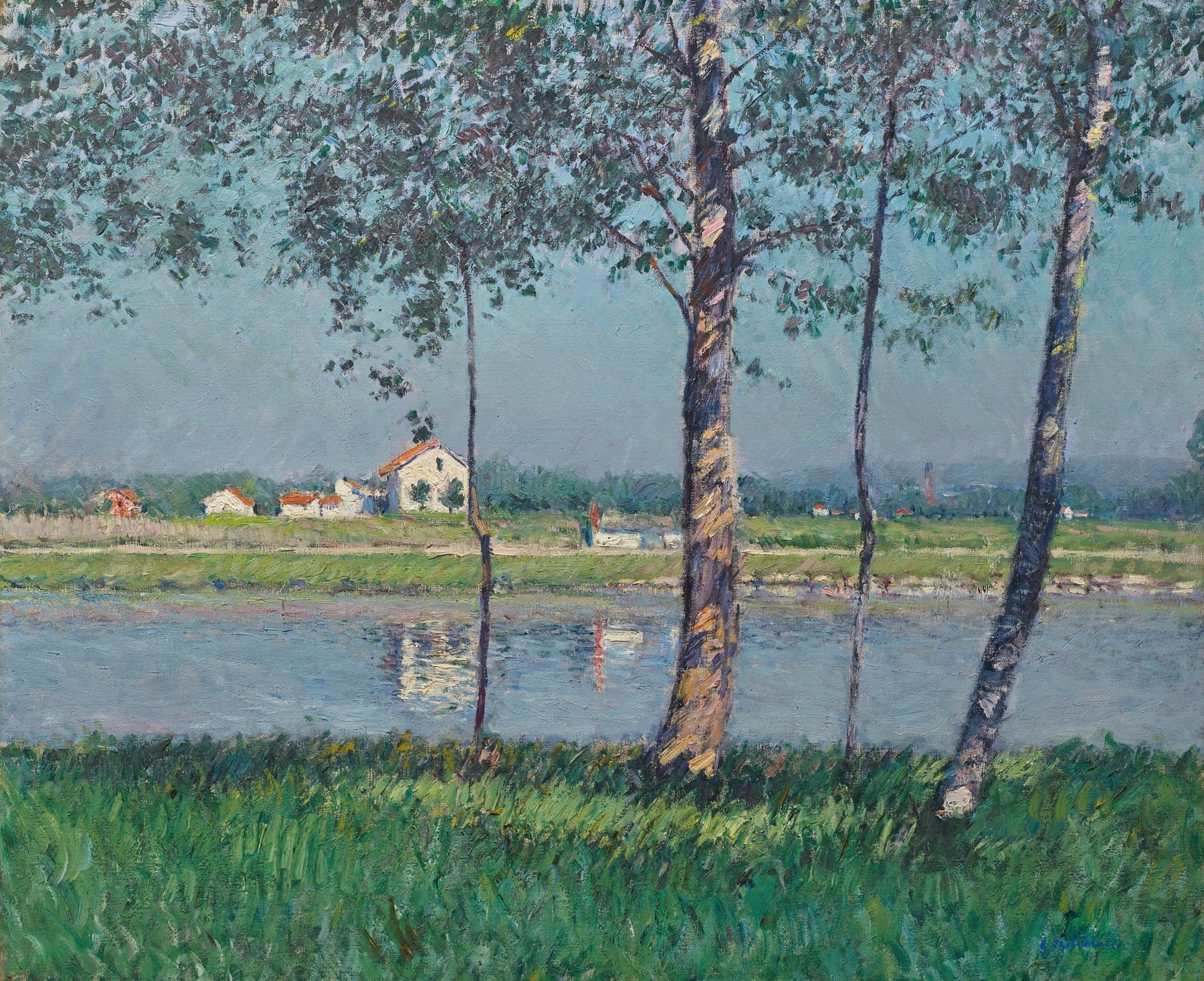
What if silence could speak through light? In Banks of a Canal, near Naples, the stillness is palpable, each stroke whispering the unvoiced destinies of its subjects, held eternally at the water's edge. Look to the water’s surface, where a delicate play of light dances in shimmering reflections. Notice how the painter captures the nuances of the canal with varying shades of blue and green, bringing the scene to life with an impressionistic touch.
Focus on the contrasting elements: the sturdy, earthy banks juxtaposed against the ethereal quality of the water; the figures on the periphery, caught in their own moments, invite viewers into a realm suspended between reality and dream. As your gaze wanders, you'll discern the tension between nature and human endeavor. The canal suggests a passage, a route of travel and commerce, while the solitude of the figures hints at introspection and destiny. The composition, framed by the verticality of trees and the gentle curve of the waterway, evokes a sense of journey — an unspoken call to explore both the external landscape and the inner self.
Caillebotte painted this piece around 1872 while living in Paris, a time marked by a burgeoning interest in modernity and the exploration of light and space in art. The Impressionist movement was gaining momentum, and he was deeply influenced by his contemporaries. Yet, his unique vision set him apart, capturing moments that balance both the vitality of urban life and the tranquility of nature, shaping a legacy that endures.