Bathing Nymph — History & Analysis
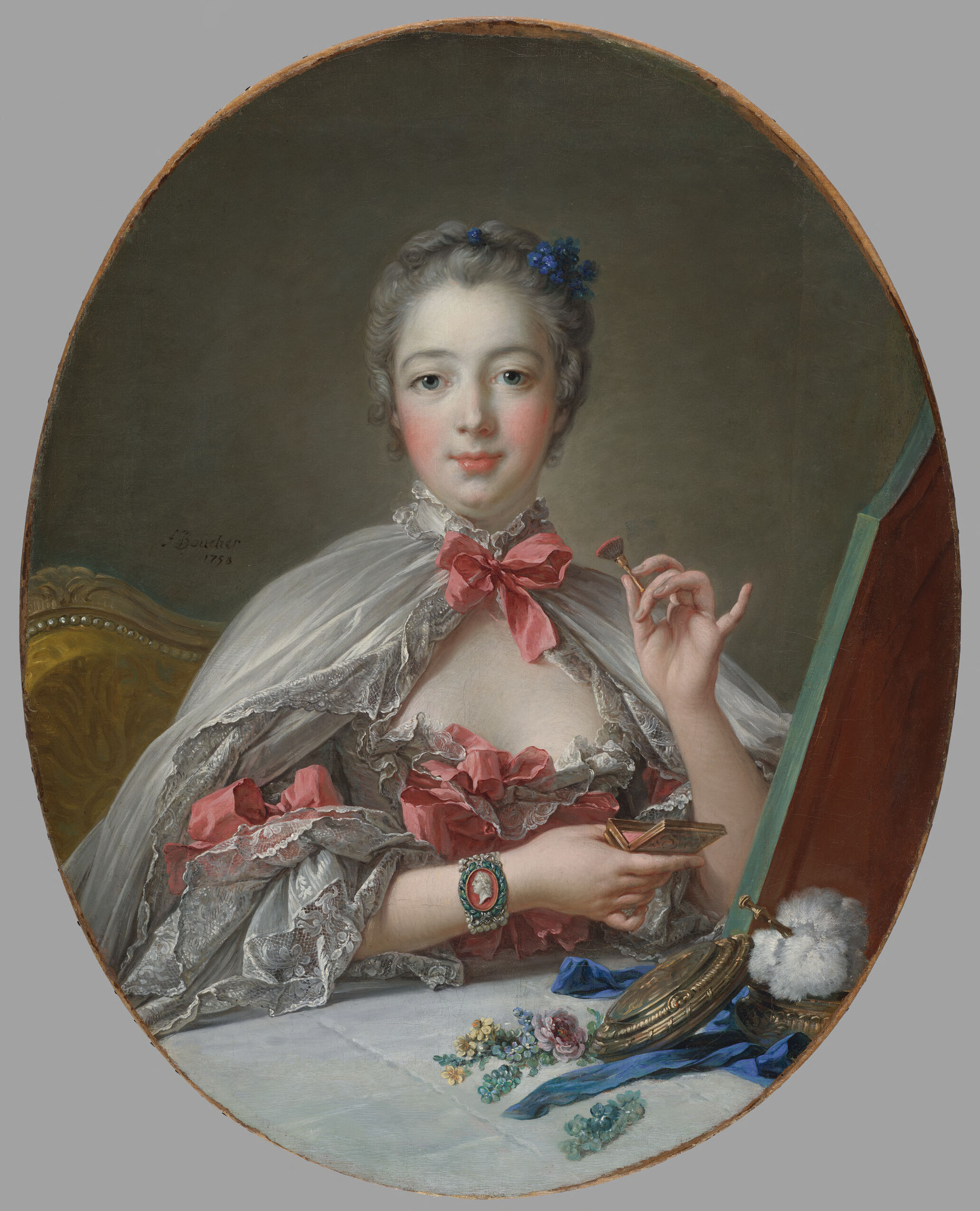
Can paint confess what words never could? In Bathing Nymph, the canvas whispers of solitude beneath layers of sensuous beauty, inviting us to explore the complexities of longing hidden within its serene surface. Look to the right at the elegant figure of the nymph, draped in gentle hues of pastel pinks and blues that meld seamlessly into the lush green surroundings. Notice how the light dances across her skin, capturing every curve in a warm embrace, while the delicate ripples of water reflect both her beauty and her isolation.
The composition draws the viewer’s gaze inward, creating a sense of intimacy that is at once inviting and melancholic. In the subtle interplay of light and shadow lies a profound emotional tension. While the nymph appears to revel in her natural surroundings, her solitary stance hints at an inner yearning—an absence of companionship that amplifies her beauty. The lush vegetation enveloping her can be seen as both a protective cocoon and a barrier, emphasizing the duality of freedom and entrapment.
Every detail, from the soft petals surrounding the scene to the gentle curves of her body, speaks to the complex nature of human emotions and the loneliness that can accompany beauty. François Boucher painted Bathing Nymph between 1745 and 1750 during a period that favored the intimate and the ornate in the Rococo style. Living in France, he became a leading figure in this movement, crafting works that often celebrated pleasure and sensuality. Yet, beneath the lavish festivities represented in his art, Boucher himself faced the challenges of maintaining artistic relevance during a time of shifting tastes in the art world.