The Dovecote — History & Analysis
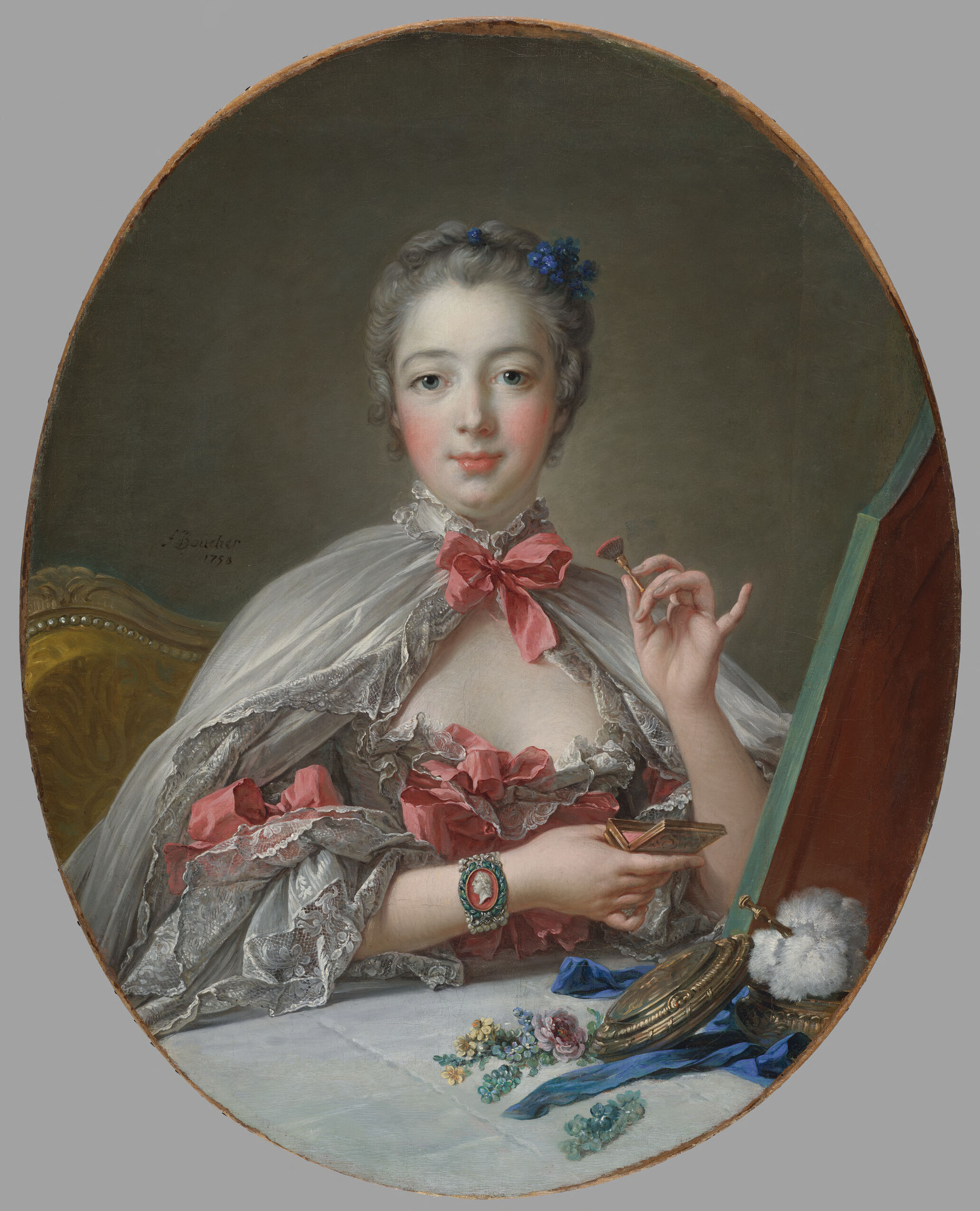
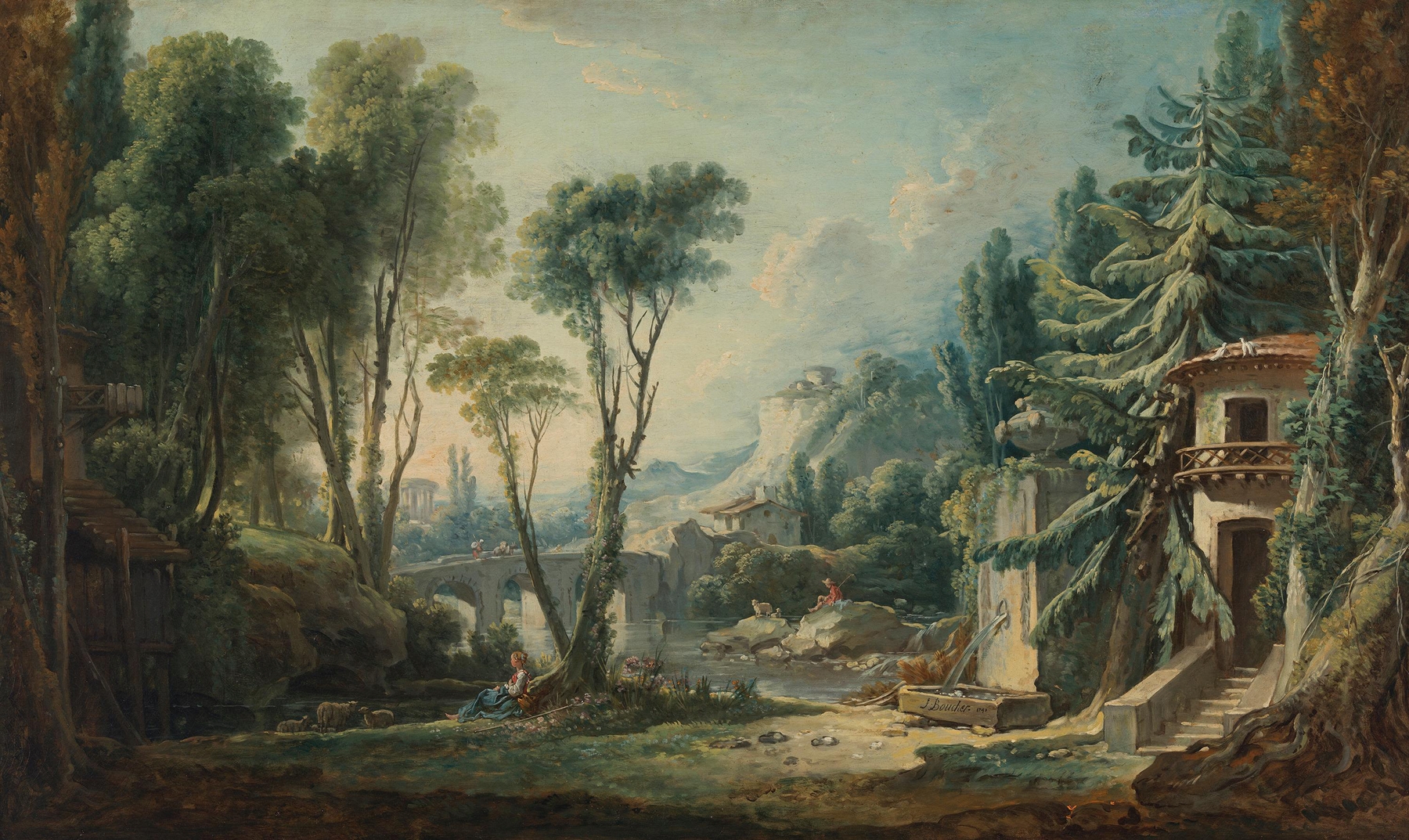
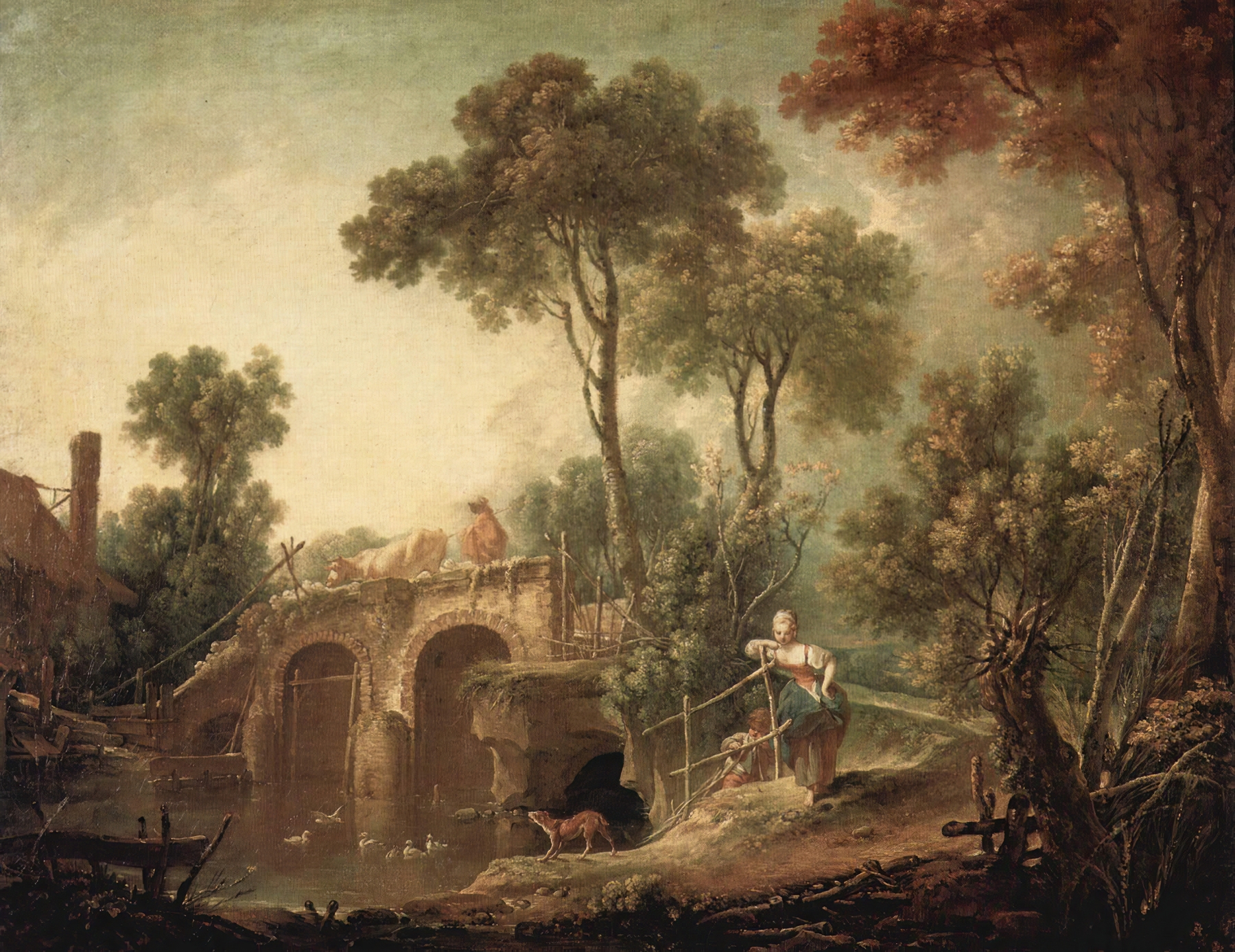
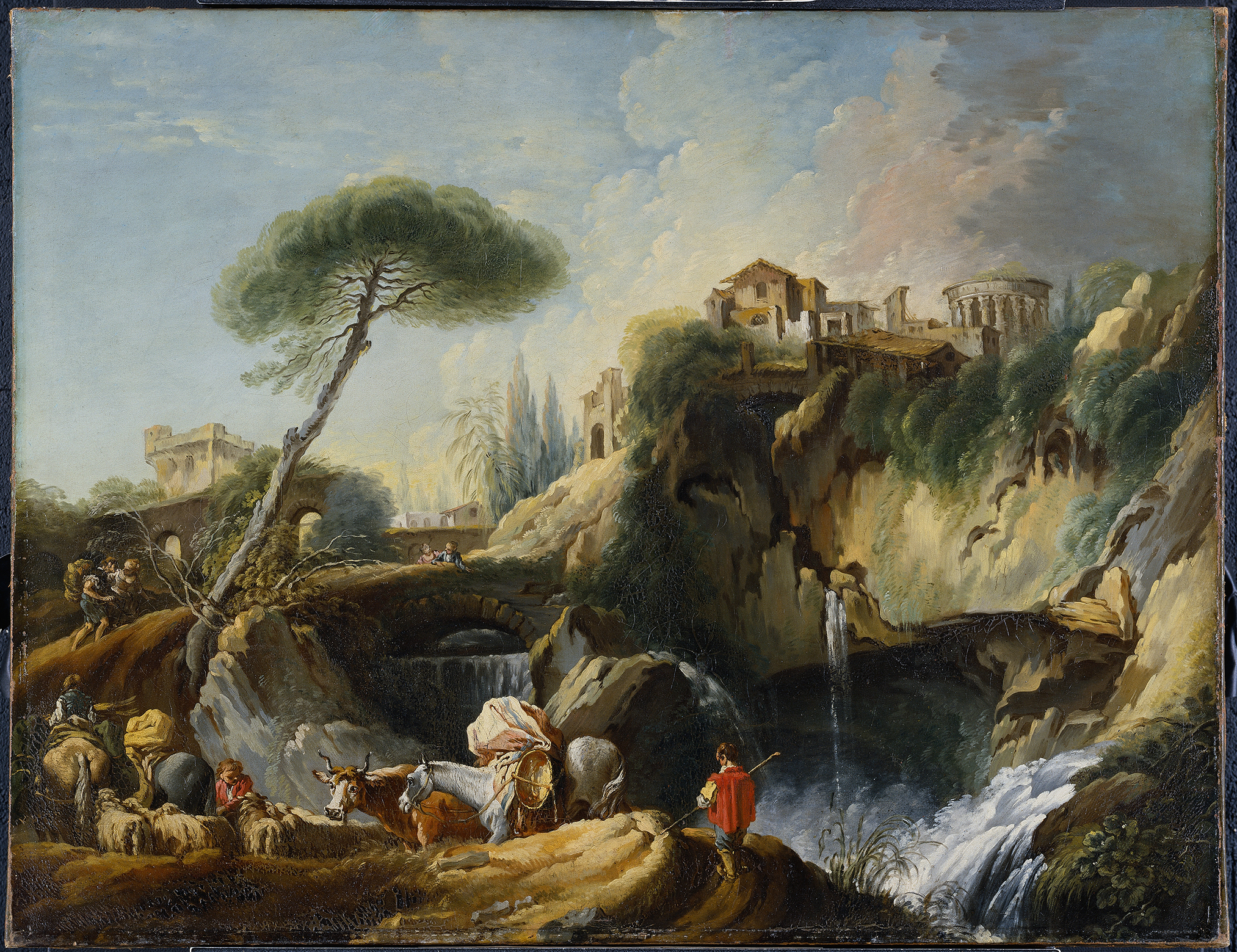
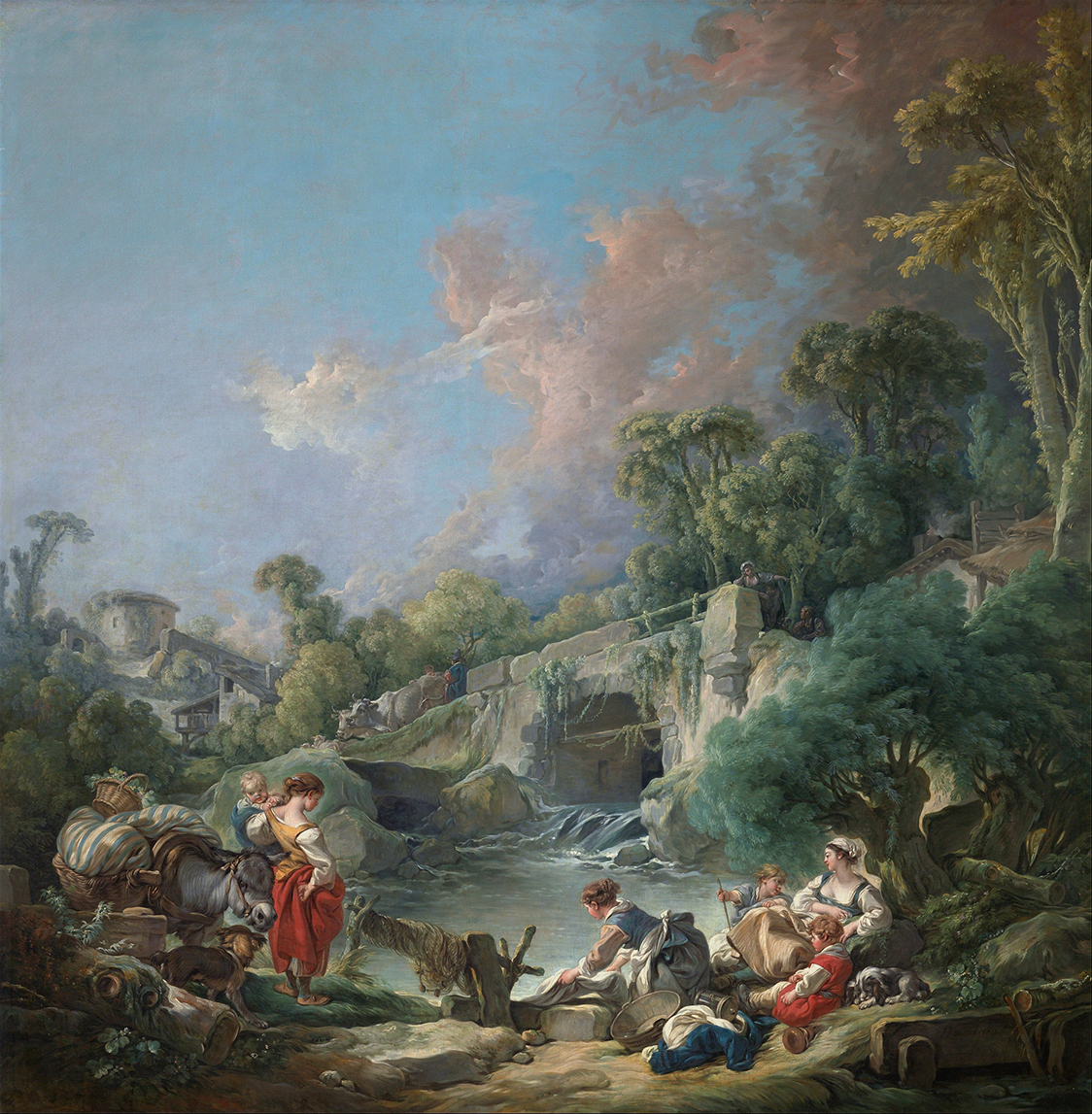
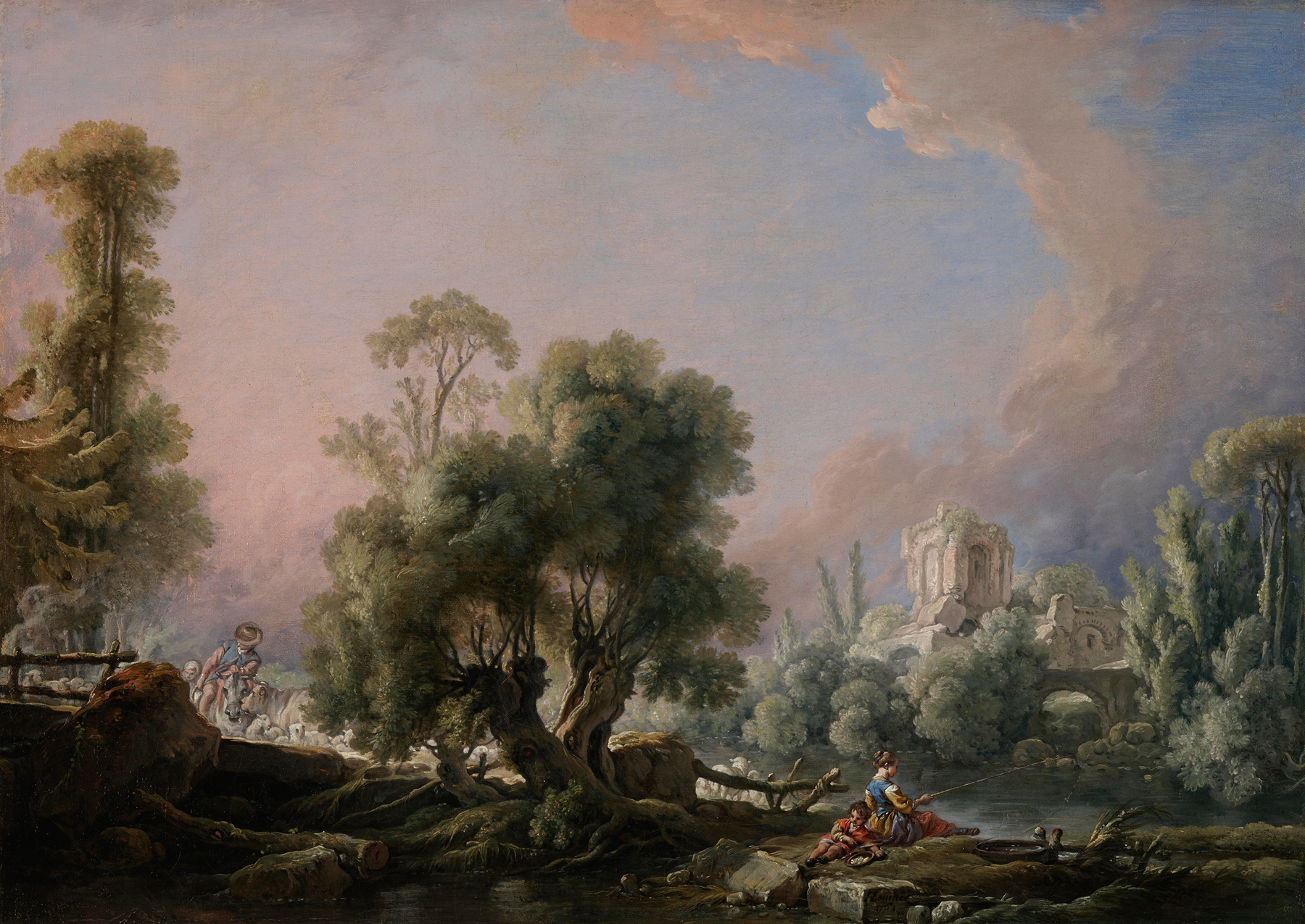
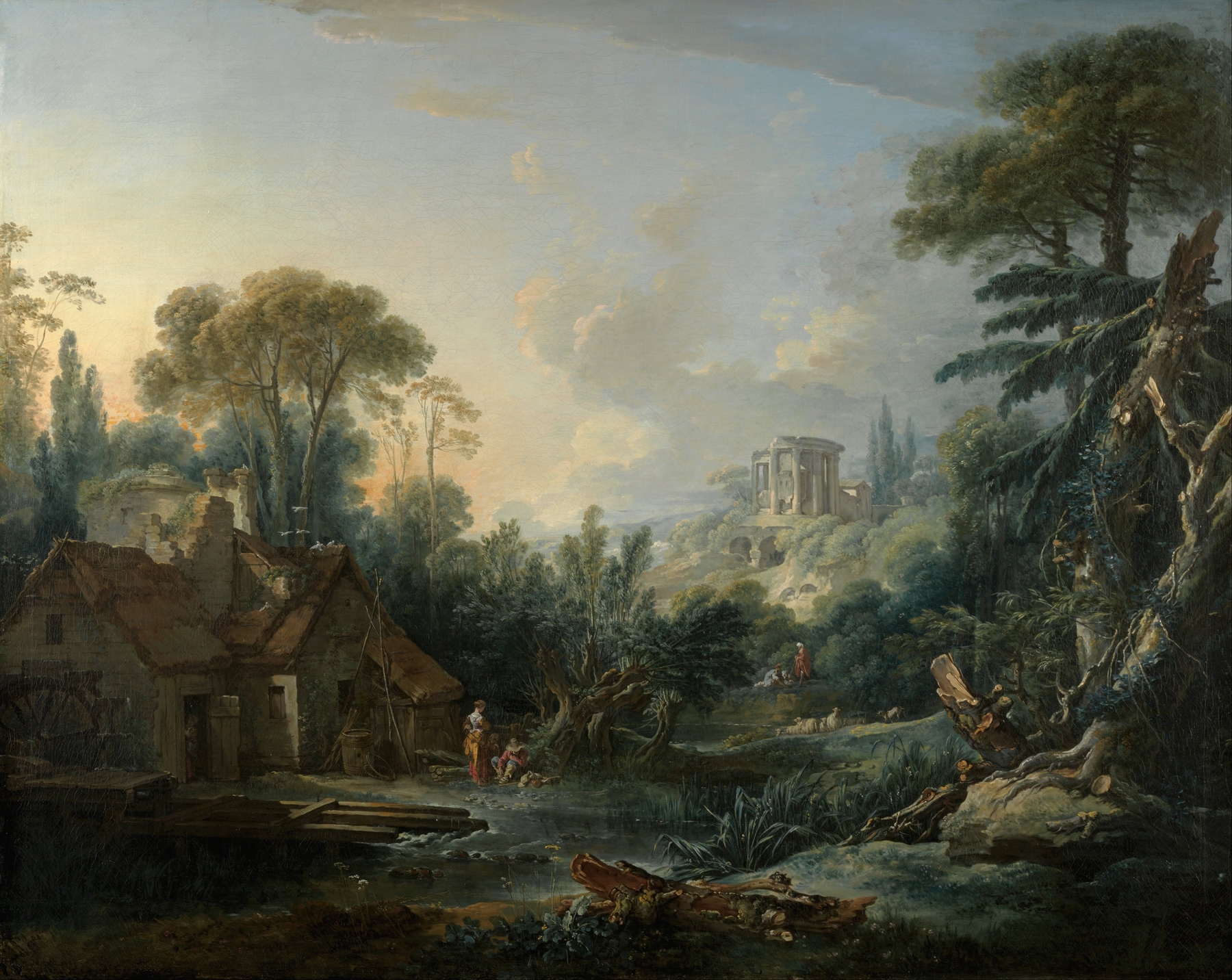
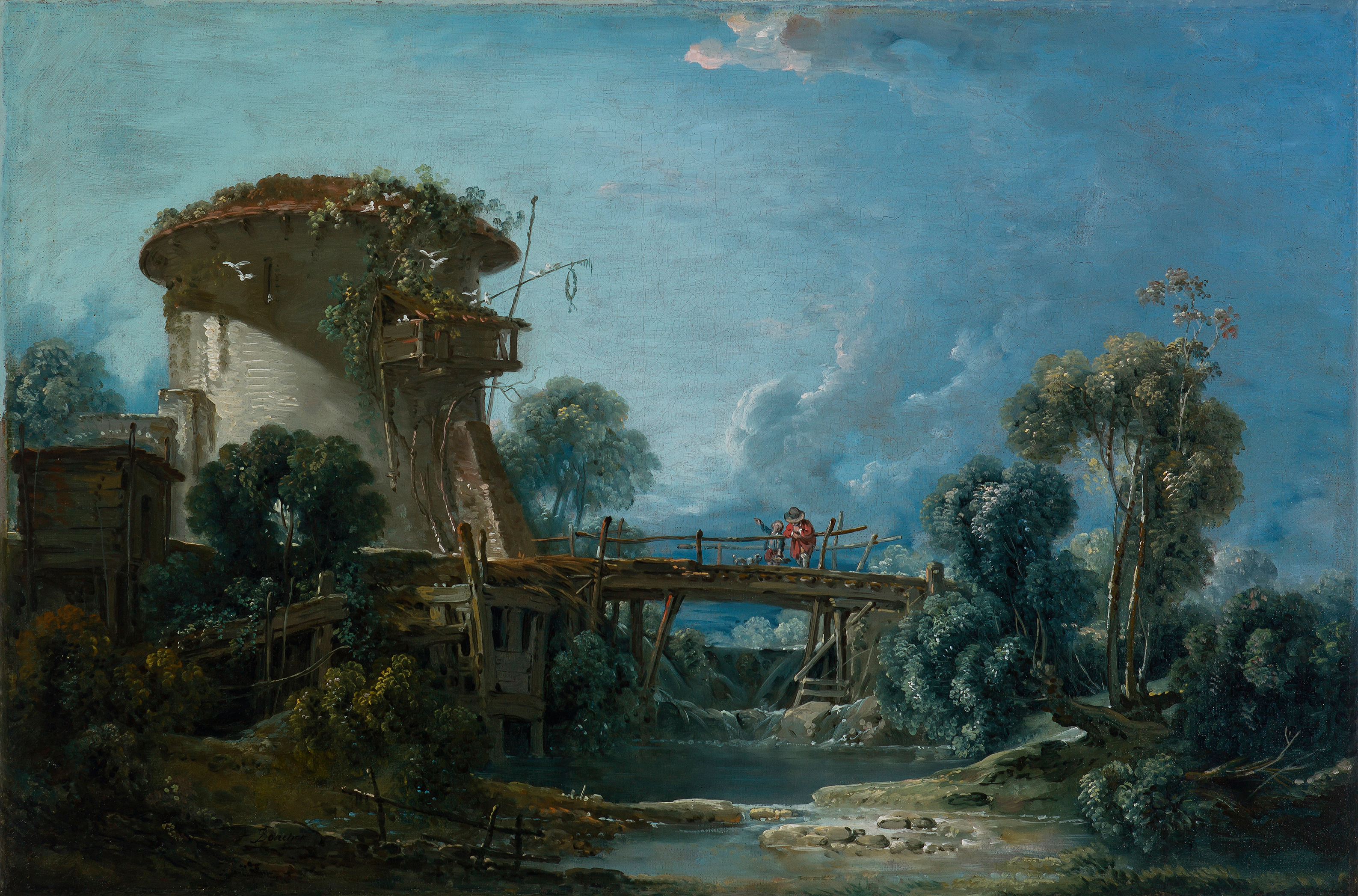
Can beauty exist without sorrow? In François Boucher's The Dovecote, this question lingers in the air, blending the warmth of pastoral life with an undercurrent of loss. Look to the left, where a serene figure leans gracefully against the wooden post of a dovecote, her delicate attire a soft contrast to the rustic structure. Notice how the gentle light cascades through the leaves, casting dappled shadows that dance upon her skin and the surrounding earth.
The artist’s masterful brushwork brings the vivid colors alive, from the lush greens of the foliage to the earthy browns of the dovecote, creating a harmonious yet fleeting moment in time. Yet, beneath the serene exterior lies a tension that hints at deeper emotional currents. The doves, symbols of peace, perch quietly above, perhaps holding secrets that only they know. The woman's gaze, while outwardly tranquil, seems to harbor an unspoken sorrow, hinting at a longing or loss that transcends the idyllic landscape.
This juxtaposition of idyllic beauty and invisible grief evokes a contemplation of the human condition, revealing layers of emotion beneath the surface. Painted in 1758, Boucher was at the height of his acclaim in France, celebrated for his contributions to the Rococo style. This period was characterized by an emphasis on light-hearted themes and lush aesthetics, yet the artist also grappled with the complexities of life and emotion. During this time, he navigated the challenges of court patronage and the shifting tides of artistic expression, encapsulating in The Dovecote both beauty and a whisper of heartache, a reflection of the duality of existence itself.