The Bridge — History & Analysis
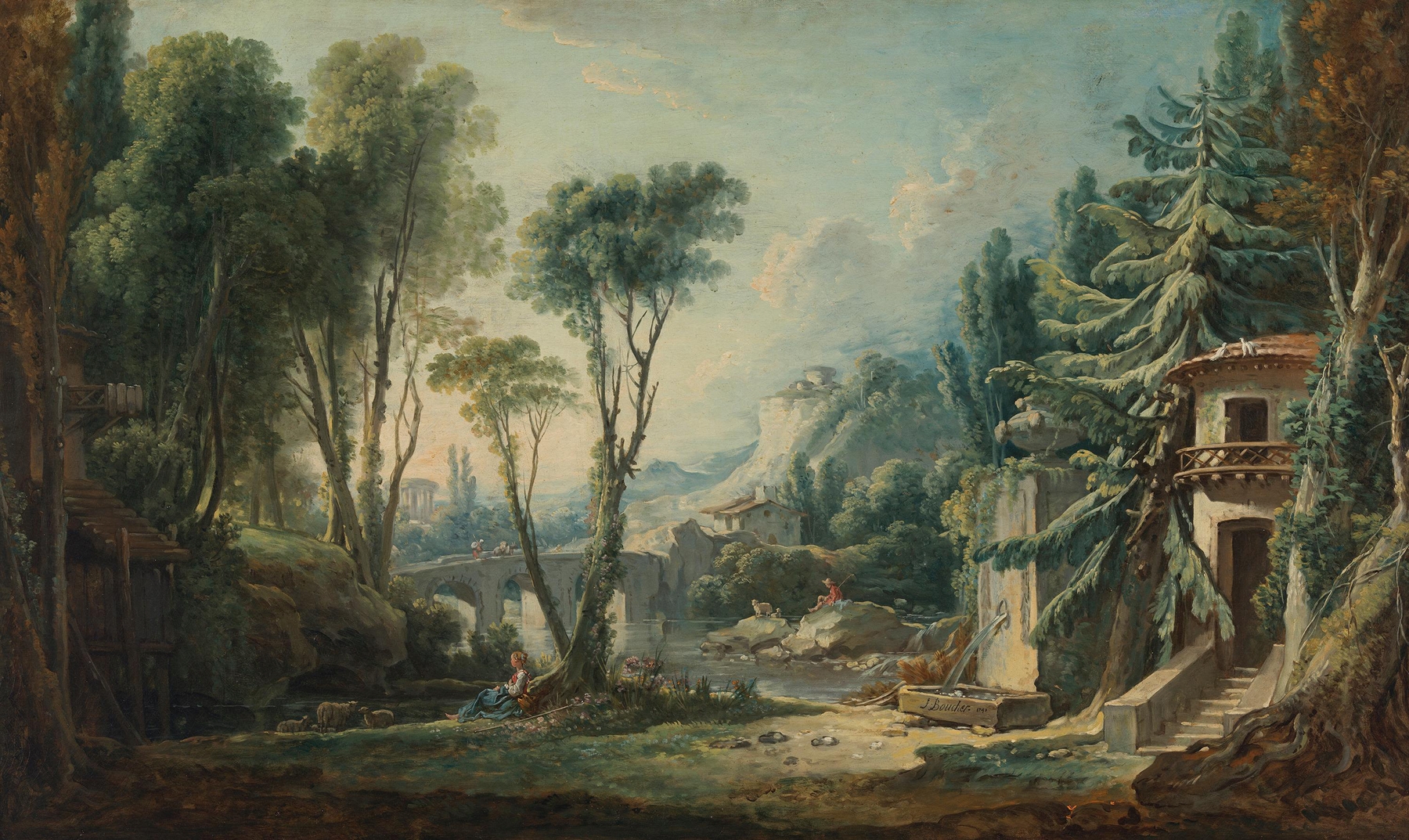
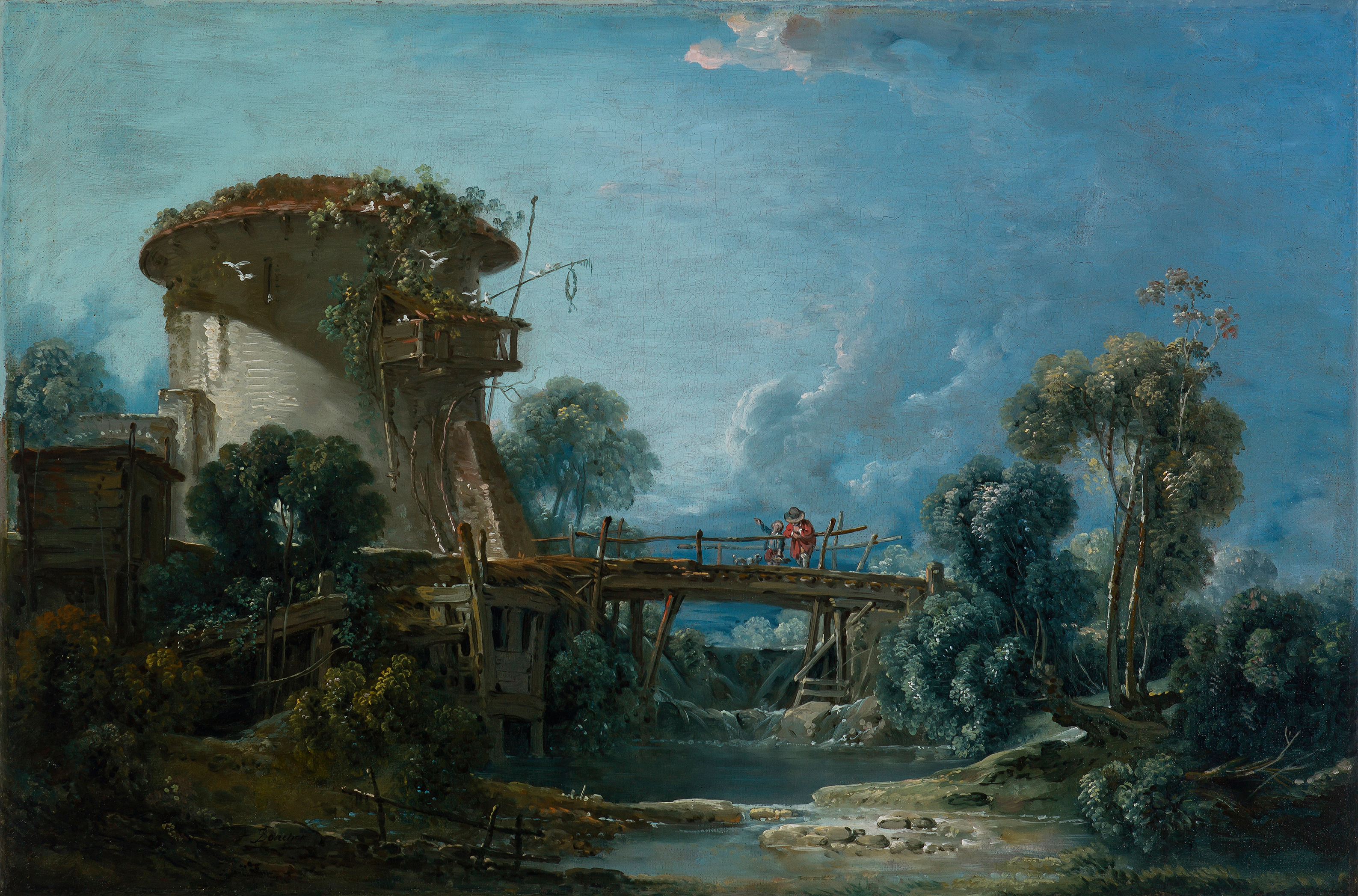
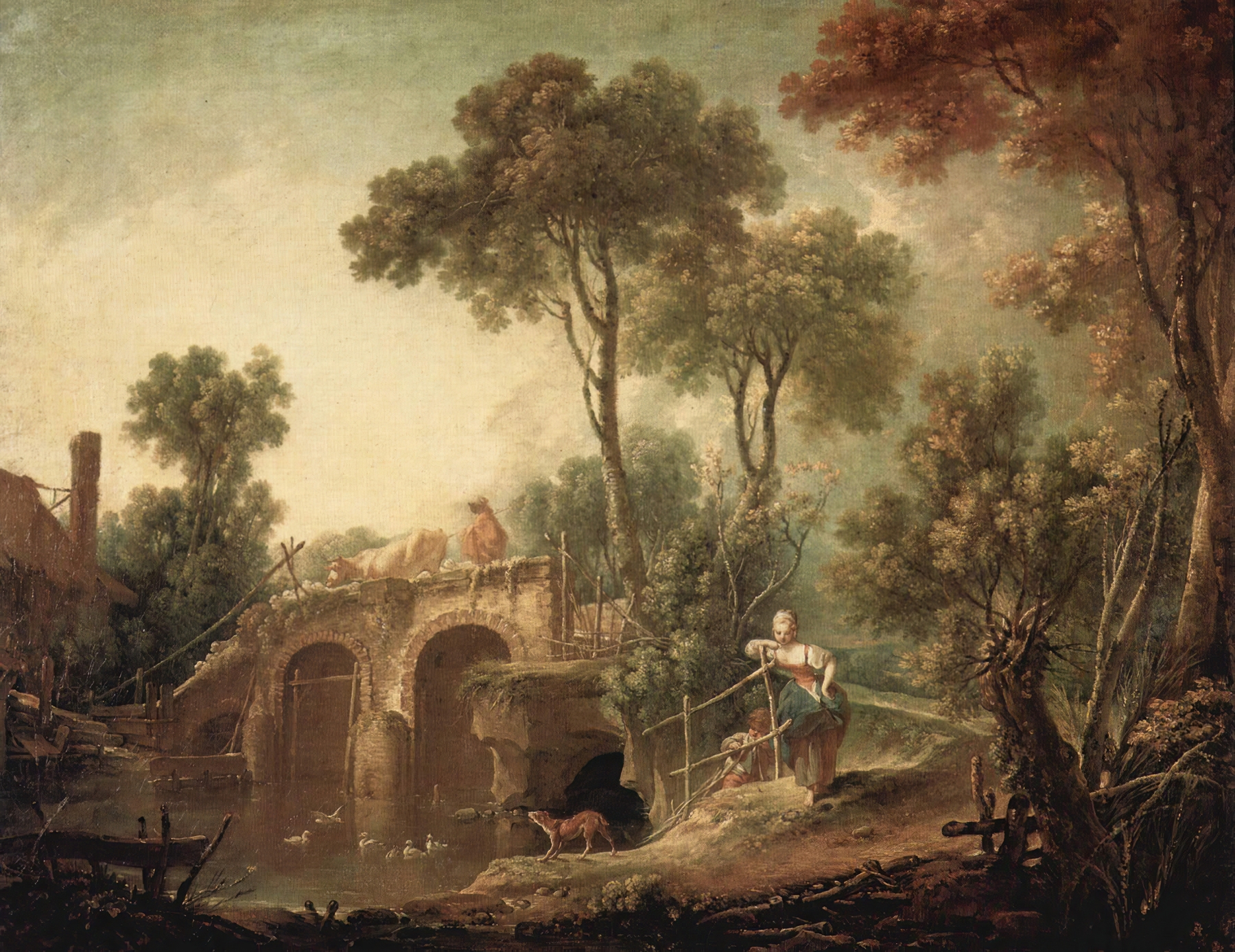
What if silence could speak through light? In the delicate interplay of soft hues and gentle brushstrokes, memories emerge, inviting us to linger in the quiet embrace of nostalgia. Look to the left at the luminous figure standing by the water's edge, bathed in soft light that dances across the surface. Notice how the bridge arches gracefully overhead, its elegant structure forming a harmonious curve that draws the eye into the serene landscape below.
The pastel palette evokes a sense of calmness, while the masterful use of light creates a dimension that breathes life into the scene, capturing a fleeting moment suspended in time. Hidden within the tranquil beauty lies a poignant contrast. The stillness of the water reflects not just the landscape but also the emotions tethered to this place—a longing or perhaps a sense of loss. The figure's posture suggests both contemplation and solitude, hinting at their internal world, as if the silence of the surroundings holds whispered secrets of the past.
This duality creates an emotional tension that resonates with anyone who has experienced the weight of memory. In 1751, when this work was created, the artist was rooted in France's Rococo movement, celebrated for its ornate style and emphasis on decorative arts. Boucher, thriving in the Parisian art scene, painted The Bridge during a period of personal stability and professional acclaim. His ability to evoke emotional depth while adhering to the playful elegance of Rococo exemplifies his mastery of the genre, revealing a complex relationship between beauty and introspection.