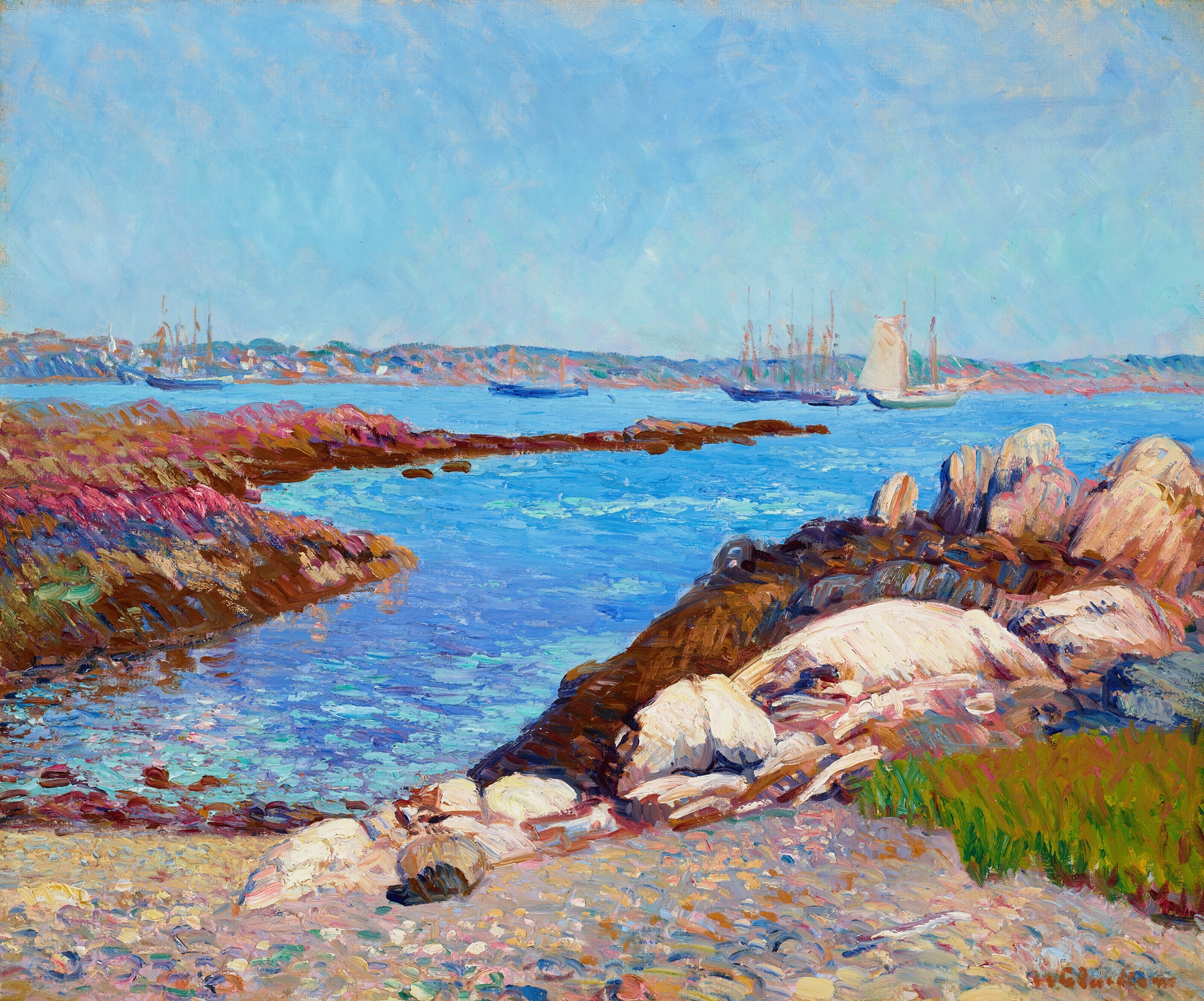
Beach Scene — History & Analysis
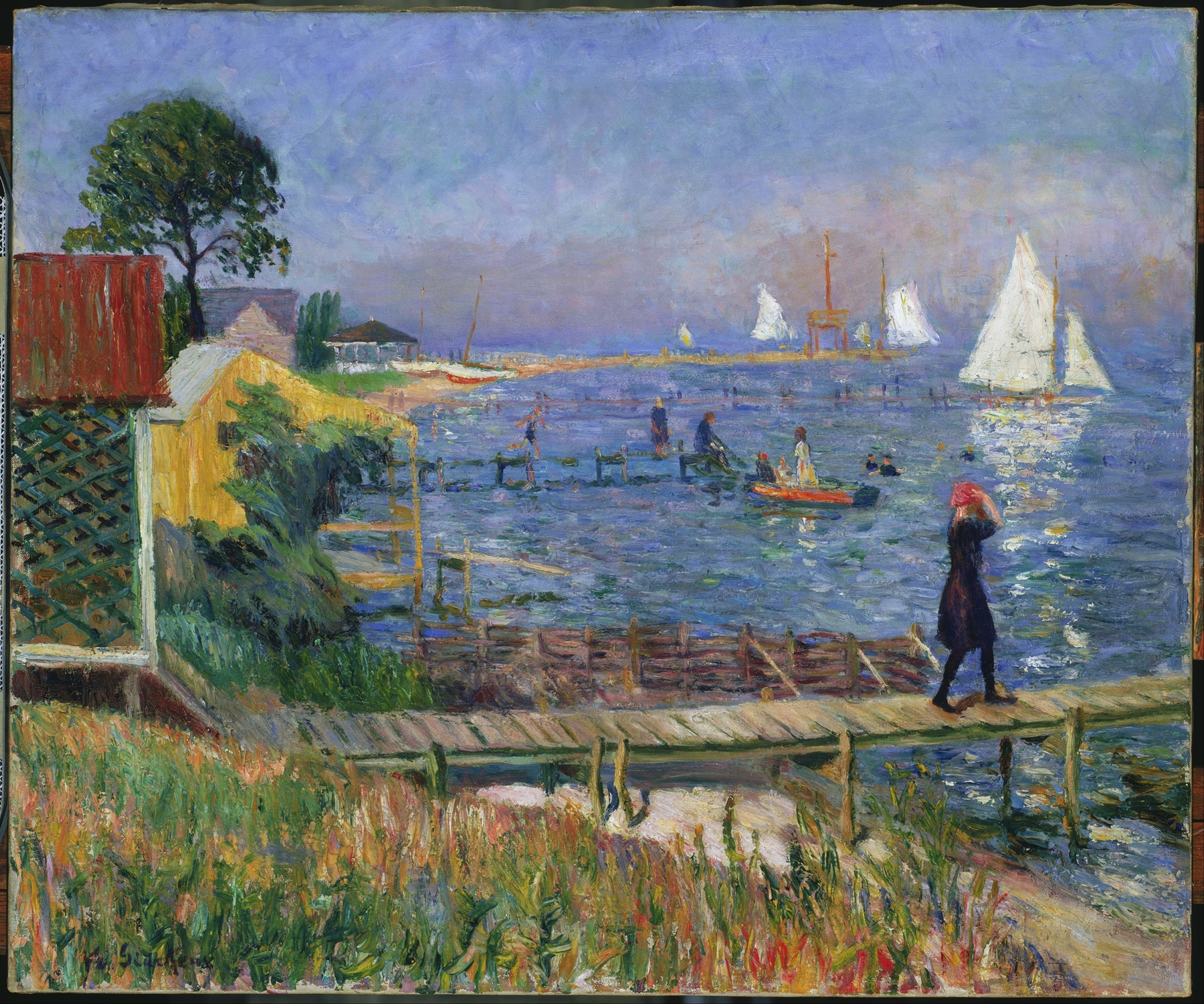
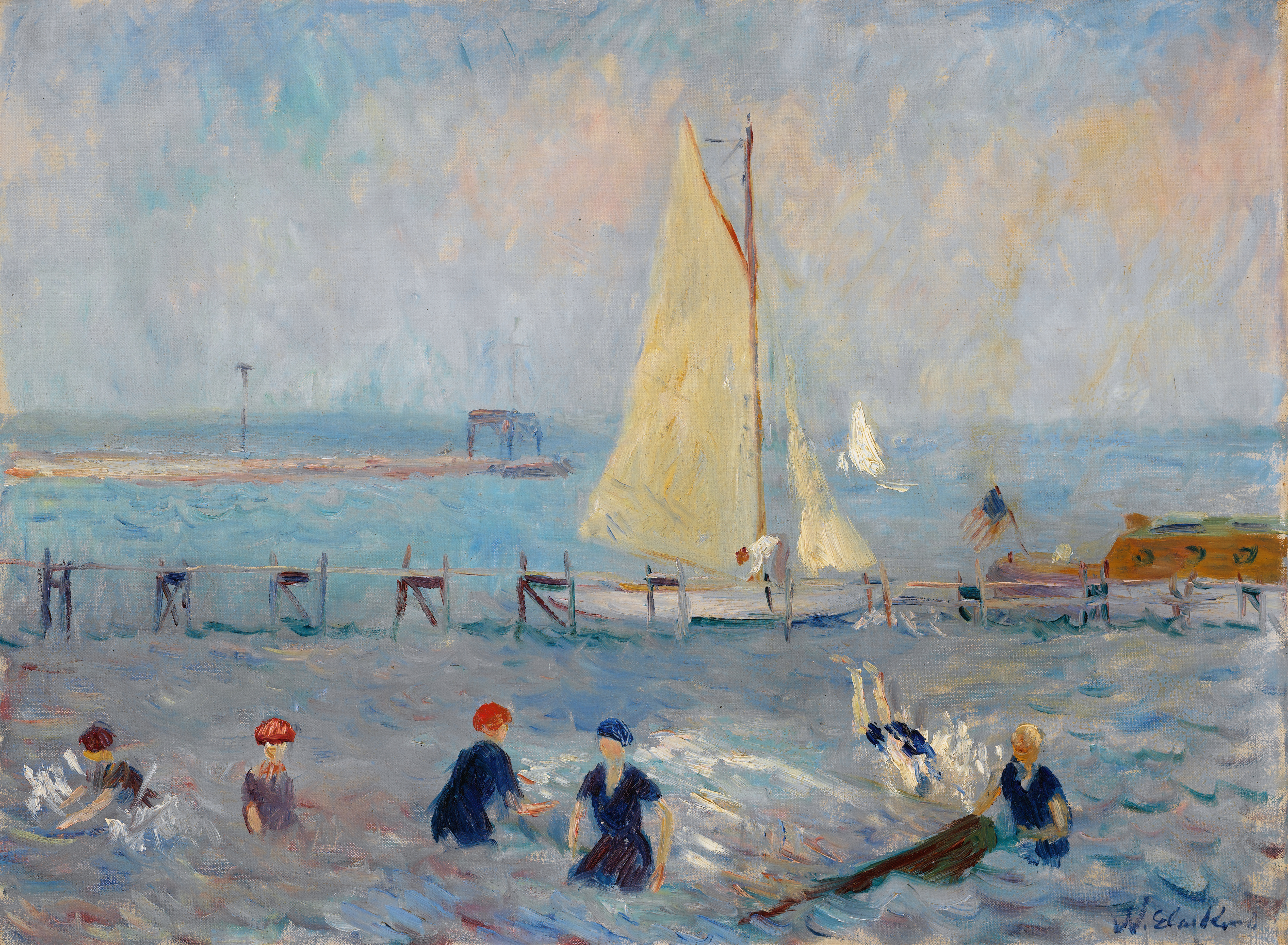
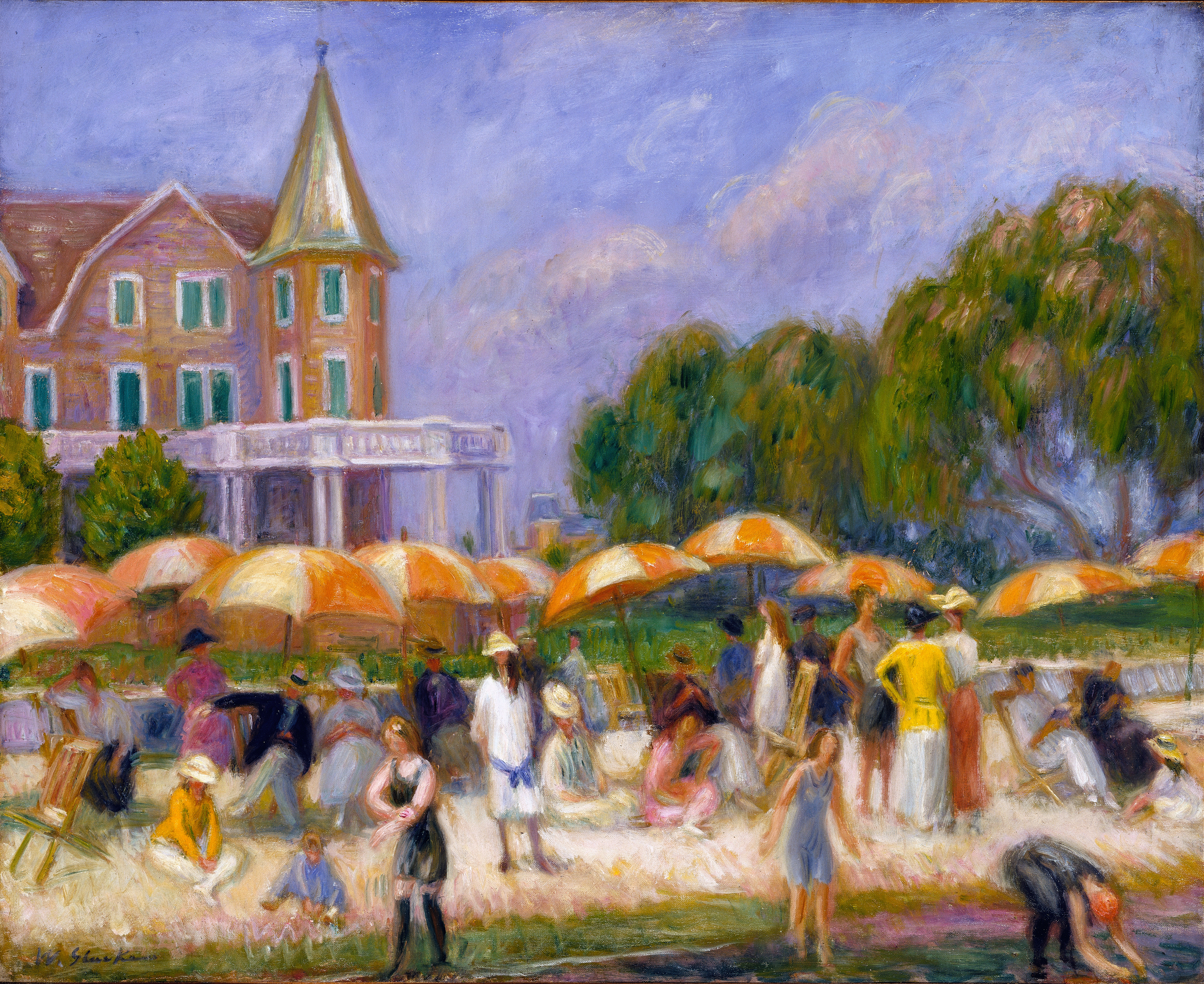
What secret hides in the quiet of the canvas? In Beach Scene, the tranquility of the shoreline invites contemplation, while vibrant blues and yellows pulse with life, revealing a world steeped in leisurely joy and hidden narratives. Look to the center where sun-drenched figures bask under the warm embrace of summer. The playful brushstrokes suggest movement, as swirls of color depict the gentle lapping of waves and the laughter of children at play.
Notice how the light falls upon the white sands, illuminating the faces of sunbathers who appear both relaxed and utterly absorbed in their own worlds. Each detail, from the shimmering water to the soft curves of the dunes, beckons you to step closer and immerse yourself in this idyllic moment. Yet there is a deeper tension here—a contrast between the carefree atmosphere and the fleeting nature of such bliss. The figures, while engrossed in their enjoyment, seem to hint at the inevitability of change, as if the summer sun itself is a reminder of time slipping away.
The vivid colors evoke joy, yet there lies a vulnerability in their easy smiles, inviting the viewer to ponder the impermanence of happiness and the secrets that may linger just below the surface. In 1914, Glackens created this work during a period marked by burgeoning modernism in the art world. Working in New York, he was part of the Ashcan School, which aimed to capture everyday life with unvarnished honesty. The painting reflects not only his artistic evolution but also the societal shifts of the early twentieth century, where leisure began to take on new significance amidst the swift changes of urban life.