Berliner Straße bei Nacht — History & Analysis
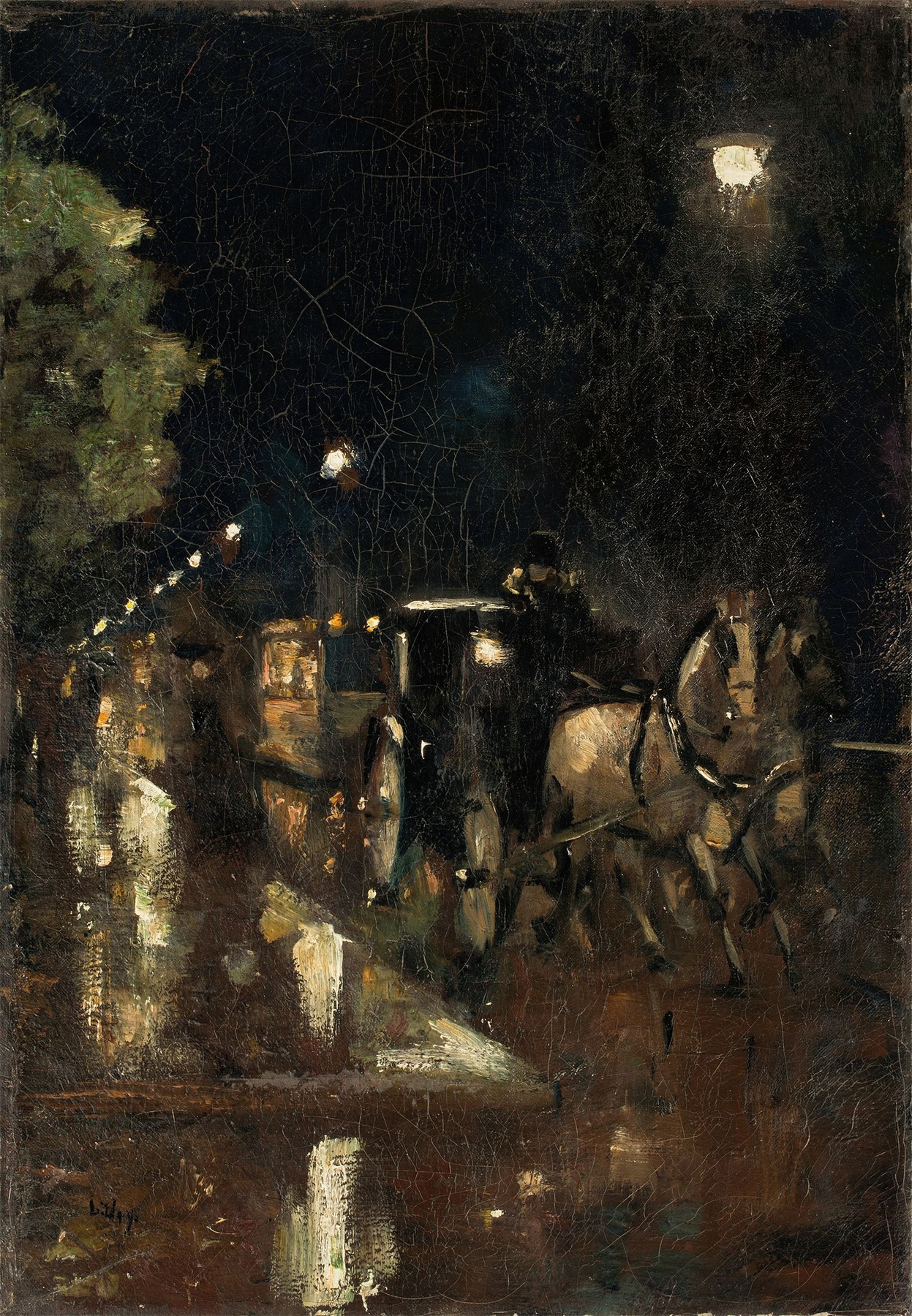
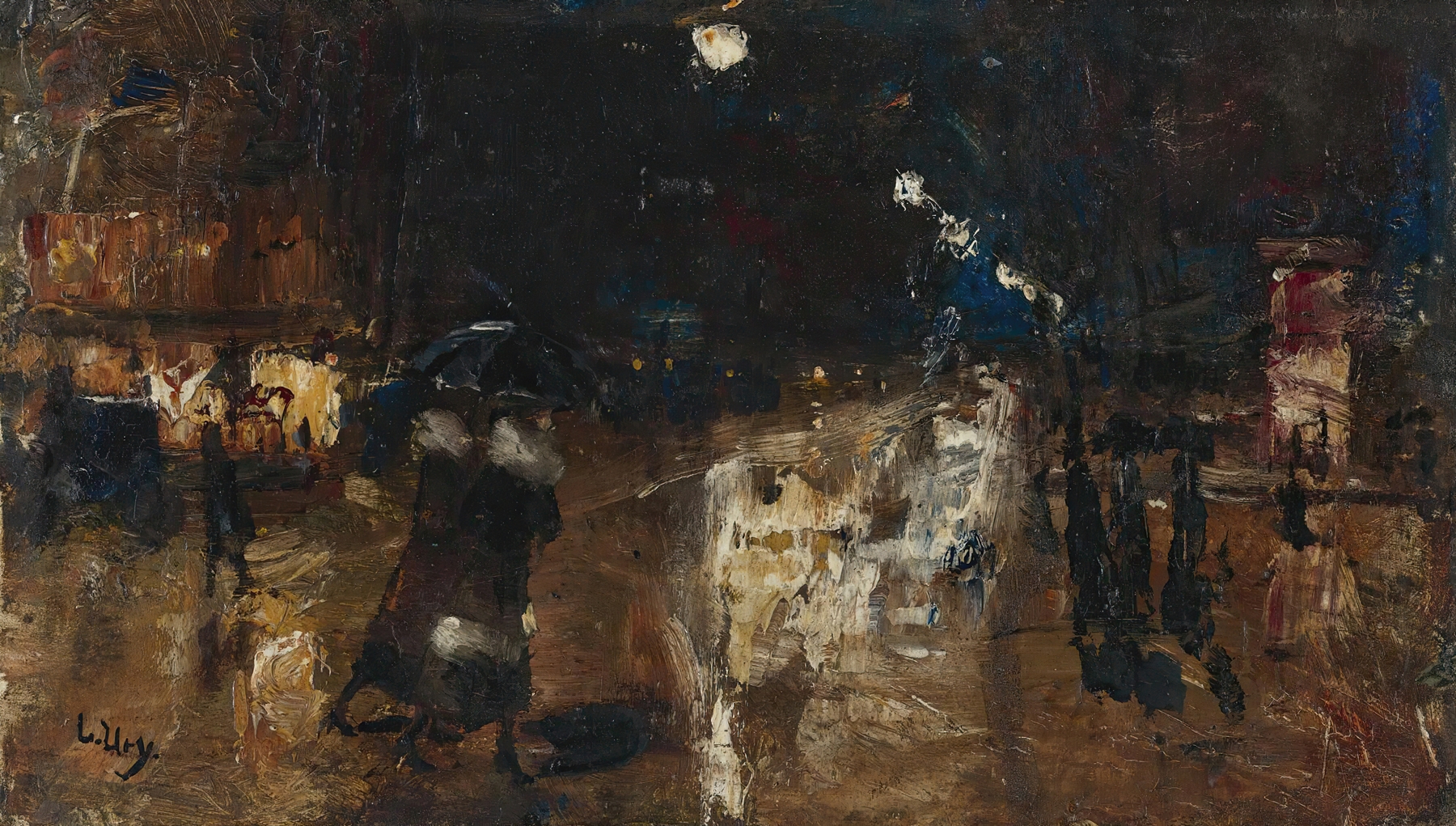
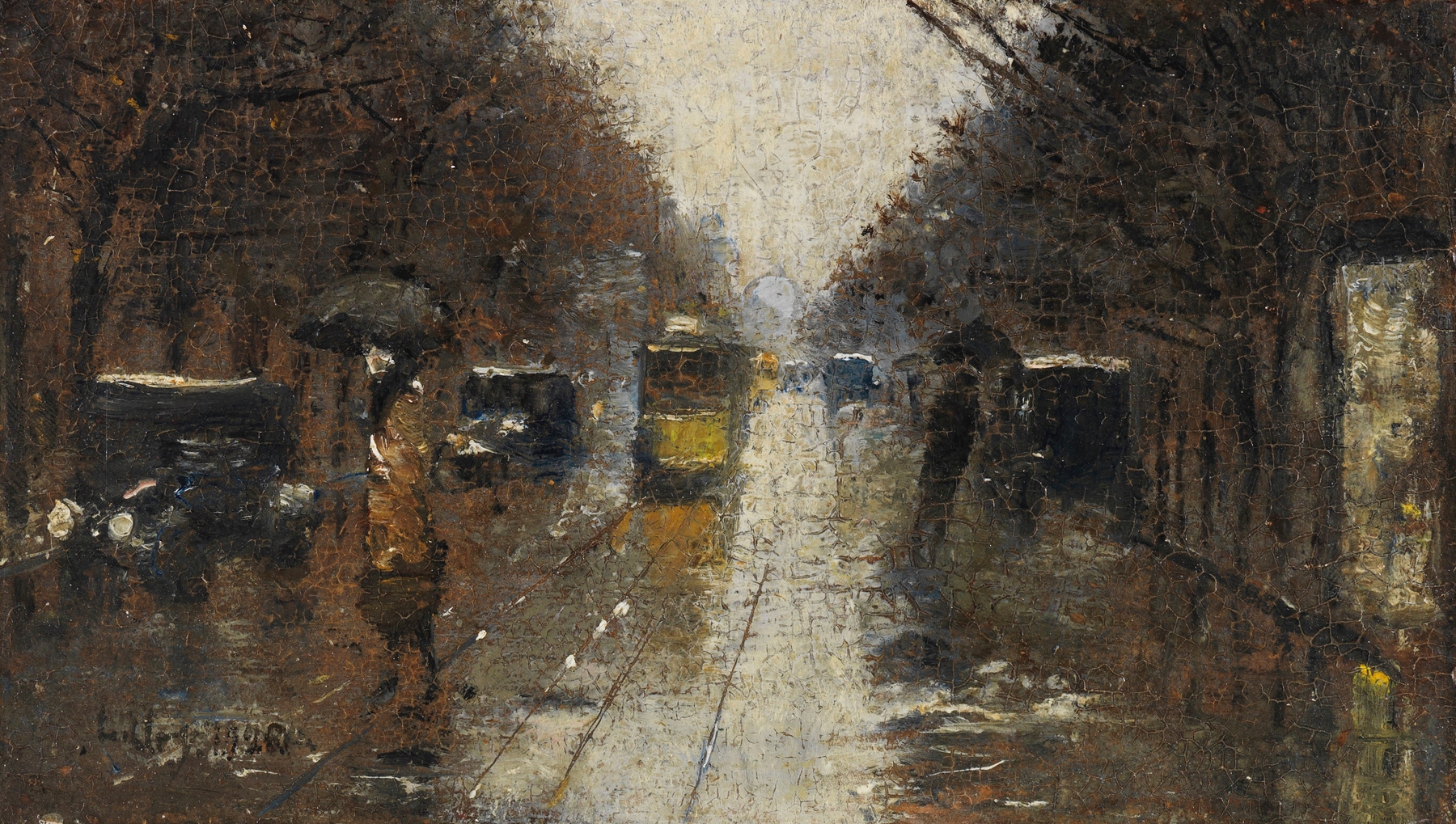
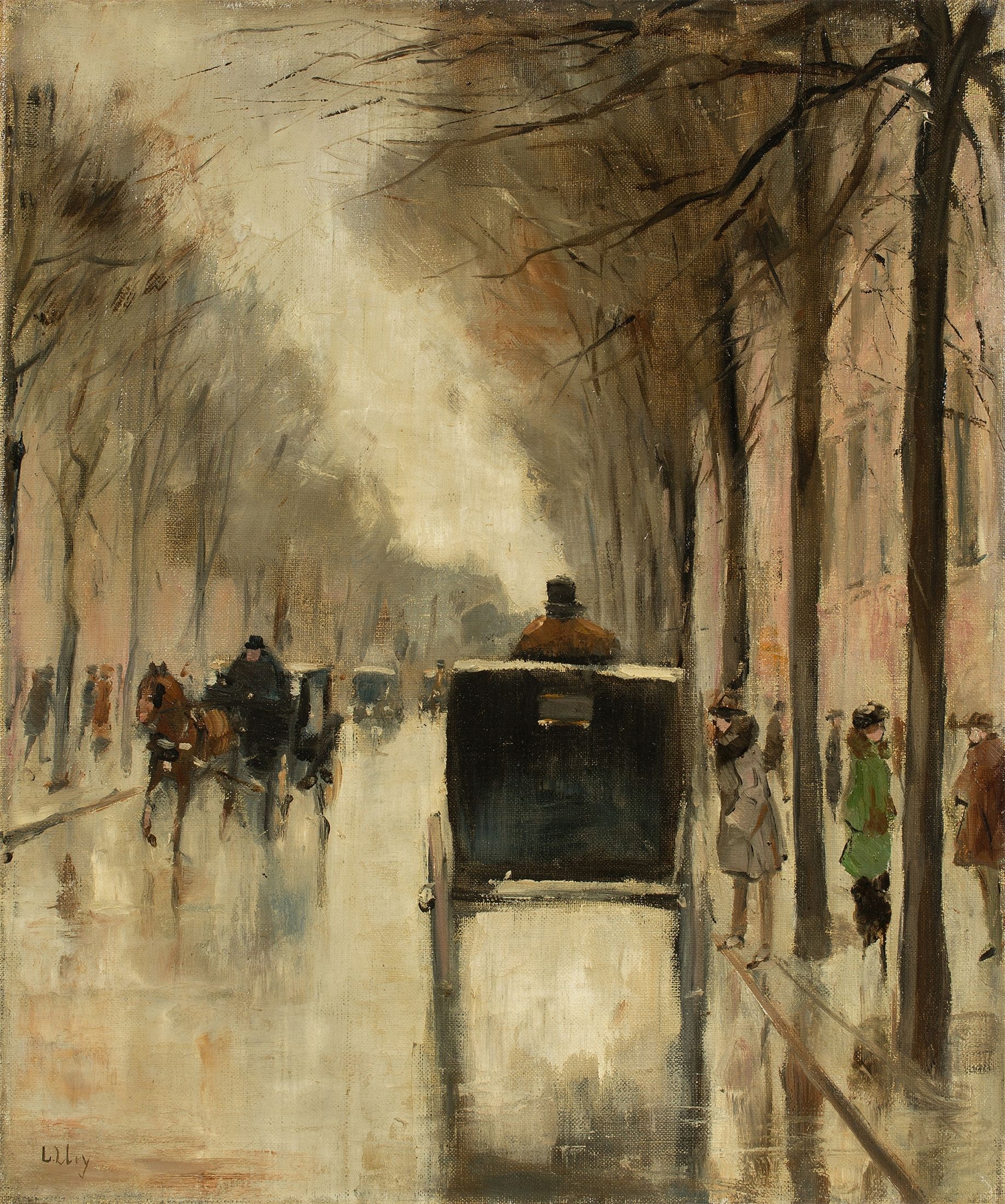
Can paint confess what words never could? In Berliner Straße bei Nacht, the canvas whispers the secrets of a city cloaked in darkness, where each stroke of the brush unveils the silent fears of its inhabitants. Look to the left at the flickering gas lamps casting a warm, inviting glow that stands in stark contrast to the surrounding shadows. The vibrant strokes capture the bustling street life, with figures who seem lost within the enveloping night. Notice the blending of deep blues and blacks that dominate the background, highlighting the warm yellows and oranges that shimmer like fleeting hopes amidst the encroaching darkness.
This careful interplay of light and color creates a palpable tension, inviting the viewer to explore the stories that linger within the shadows. Beneath the surface, a myriad of emotional tensions emerge. The figures, though engaged in their mundane activities, appear detached, as if the very night has swallowed their aspirations. The juxtaposition of the vibrant street life against the looming darkness suggests an underlying fear of the unknown that lurks just beyond the reach of the light.
Each brushstroke echoes a longing for connection, yet hints at the isolation that comes with city living, capturing the duality of vibrancy and desolation. In 1889, Lesser Ury painted this work in Berlin, a city alive with the energy of modernization and the anxieties of an evolving society. During this period, he was deeply influenced by the Impressionist movement while striving to capture the unique ambiance of urban life. As technology and industry transformed the cityscape, Ury sought to convey the emotional complexities of his environment, reflecting the fears and hopes of a generation standing on the brink of monumental change.