Rainy Street — History & Analysis
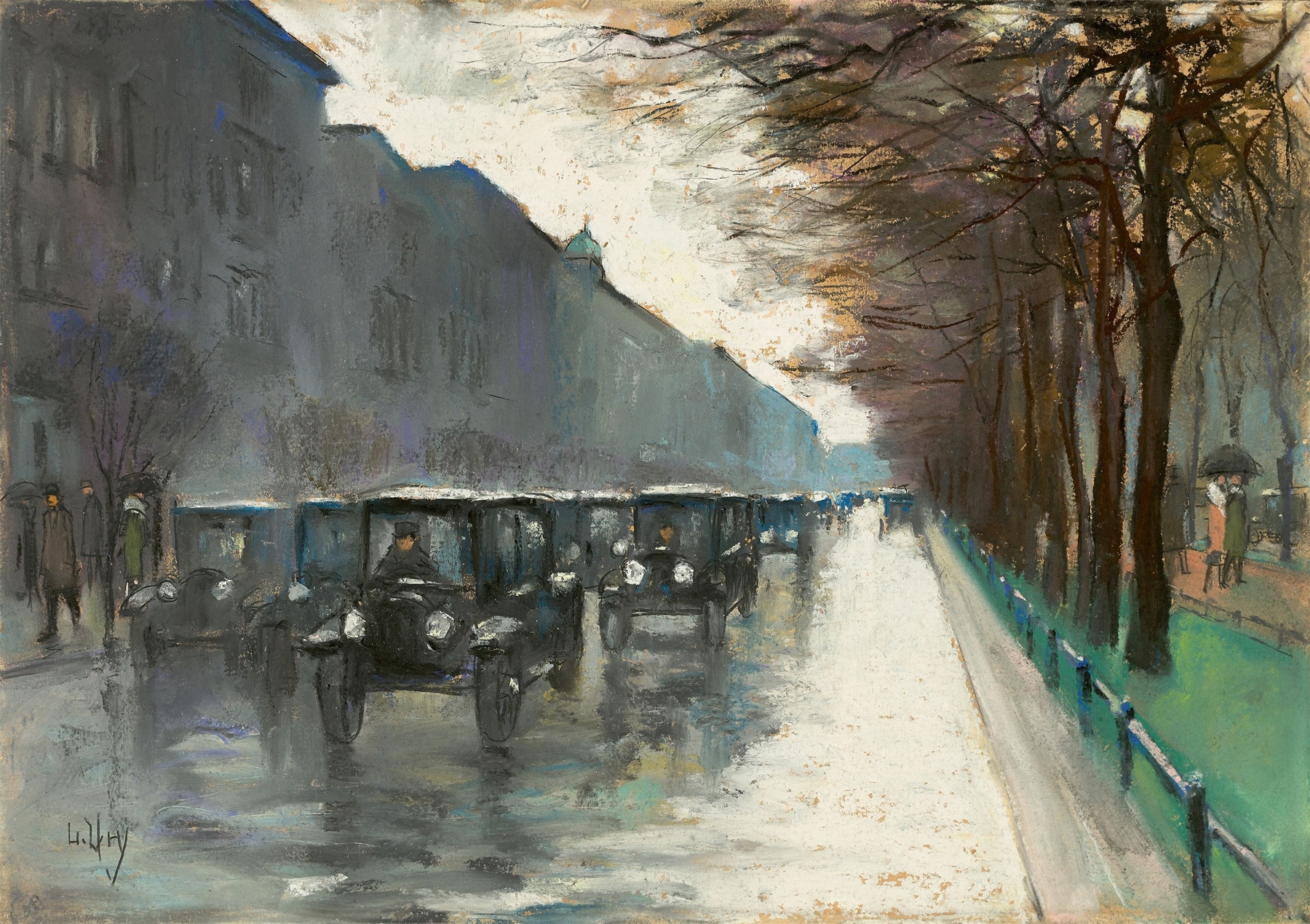
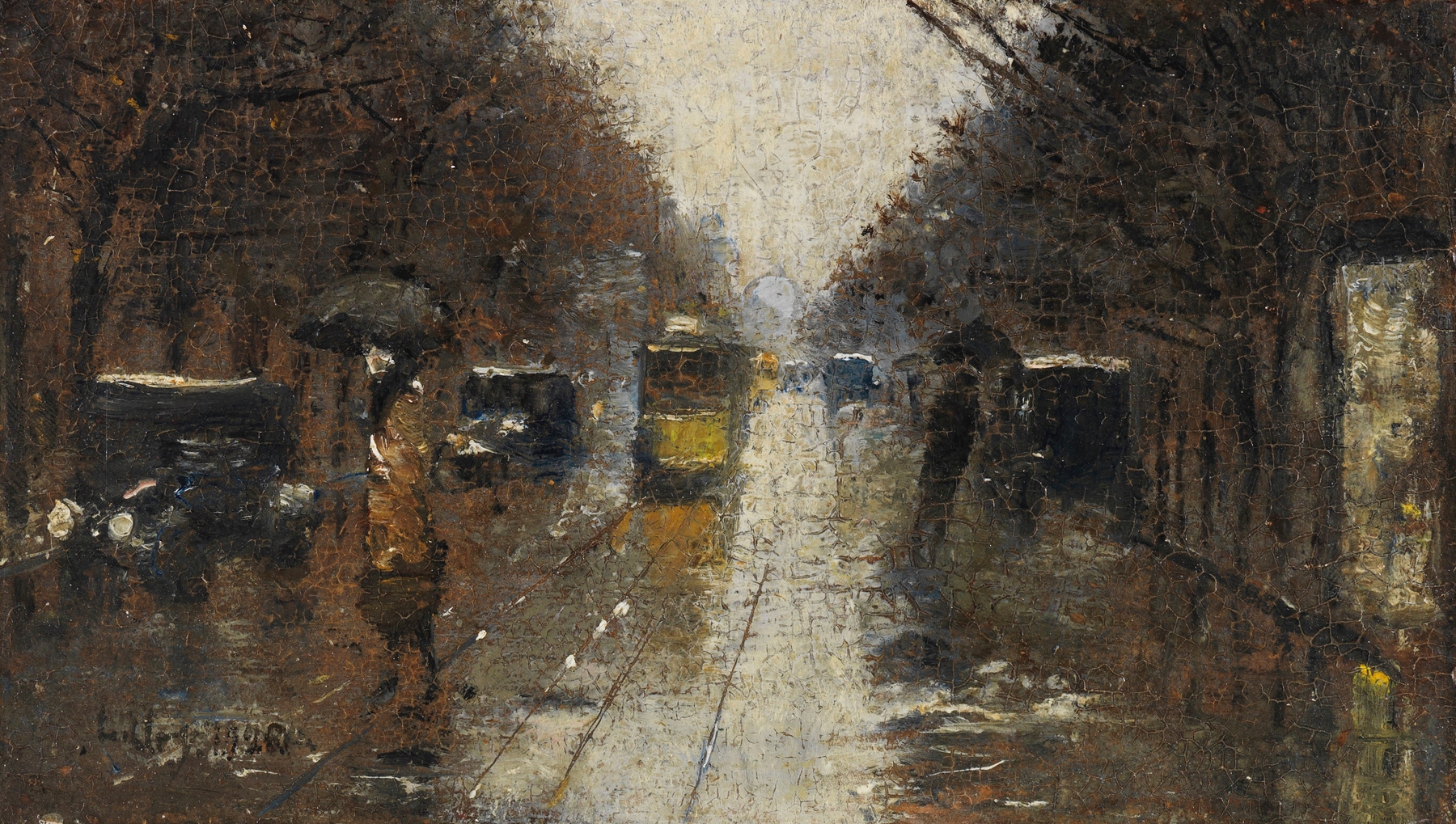
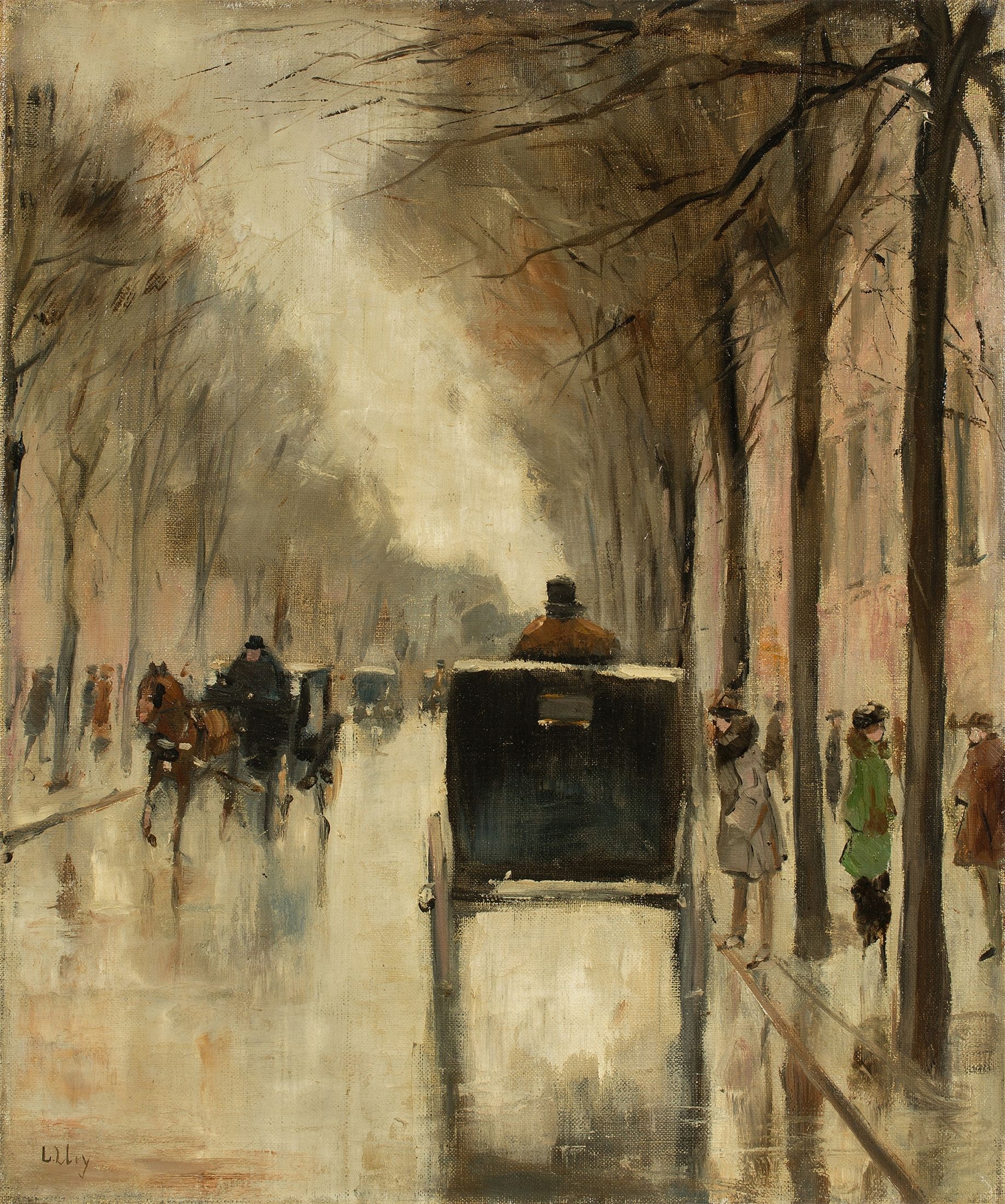
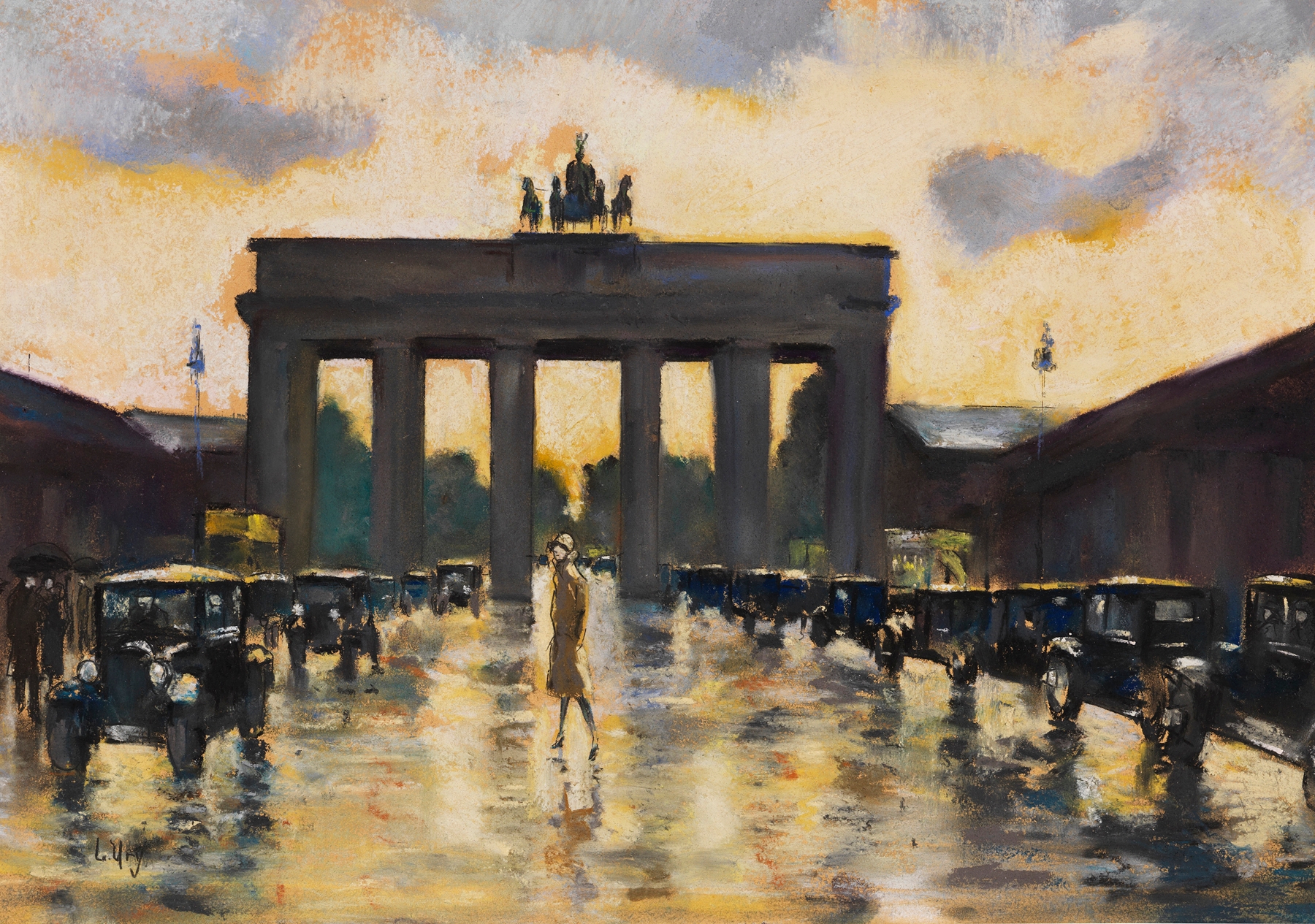
Can beauty exist without sorrow? In the quietude of a rainy street, that question resonates deeply, echoing through the whispers of water and the shadows of solitude. Look to the center of the canvas, where muted grays and soft blues converge to form a glistening pavement, slick with rain. The blurred outlines of figures, hands raised against the drizzle, evoke a sense of both motion and stillness. Notice how the artist plays with light, allowing it to shimmer off the wet surface, creating a dynamic interplay between shadow and reflection that emphasizes the transience of the moment.
The gentle brushstrokes breathe life into the scene, instilling an atmospheric intimacy that draws the viewer in. Yet, hidden within this beauty lies an emotional undercurrent. The figures, faceless and indistinct, suggest anonymity, perhaps representing the shared loneliness of urban existence. The steady rain appears as a veil, shrouding not only the street but also the inner lives of those who traverse it.
This tension between the vividness of the scene and the melancholy it evokes illustrates the dual nature of life—filled with fleeting joys but shadowed by loss. Created in the early 20th century, during a period of great change in Europe, the artist captured this essence of urban life amid the trials of modernity. It reflects his own experiences of dislocation and yearning, as well as the broader societal shifts that characterized the time. The melding of impressionistic techniques with a focus on emotional depth marks this period as a pivotal moment in his artistic exploration.