Berliner Straße im Sonnenschein — History & Analysis
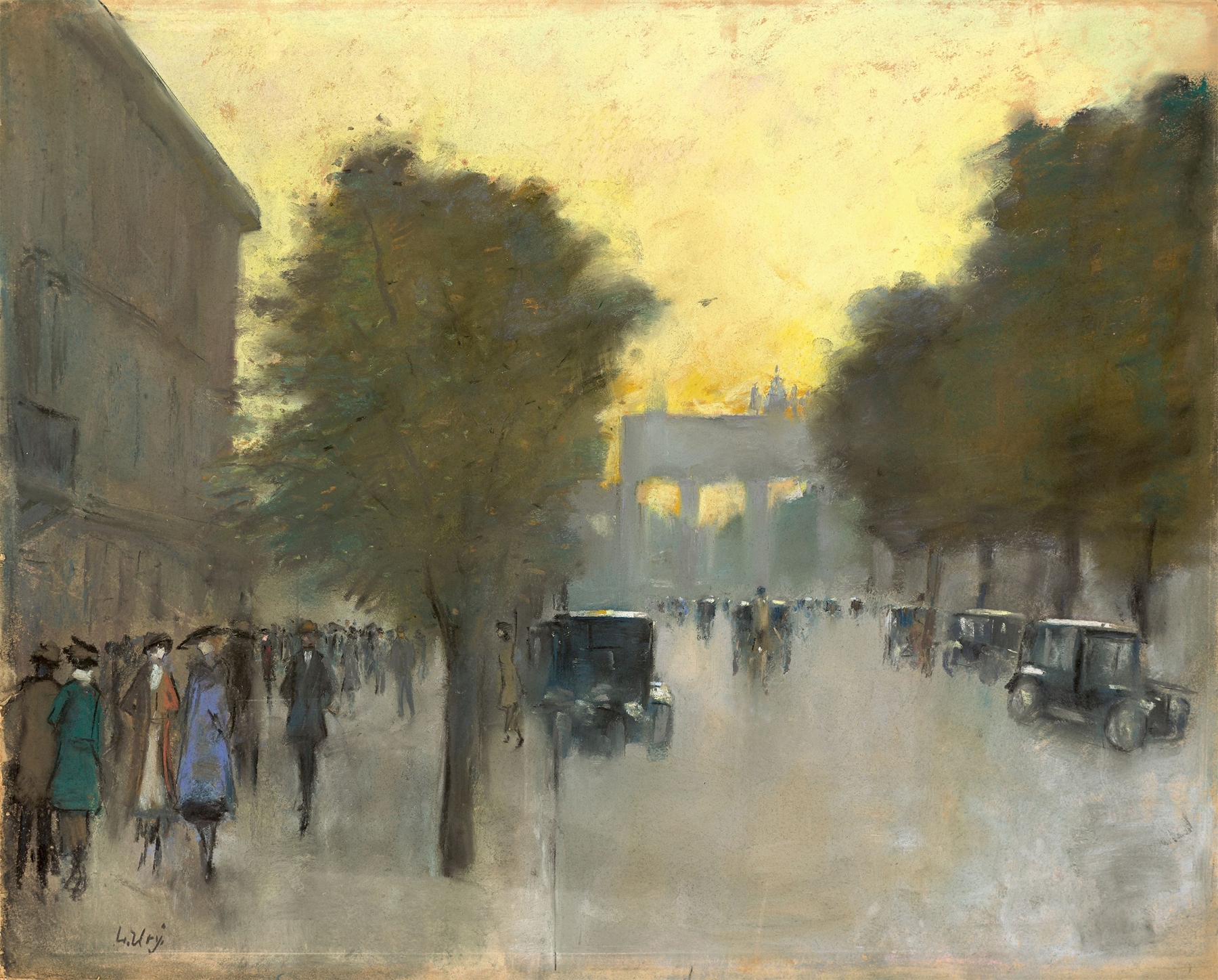
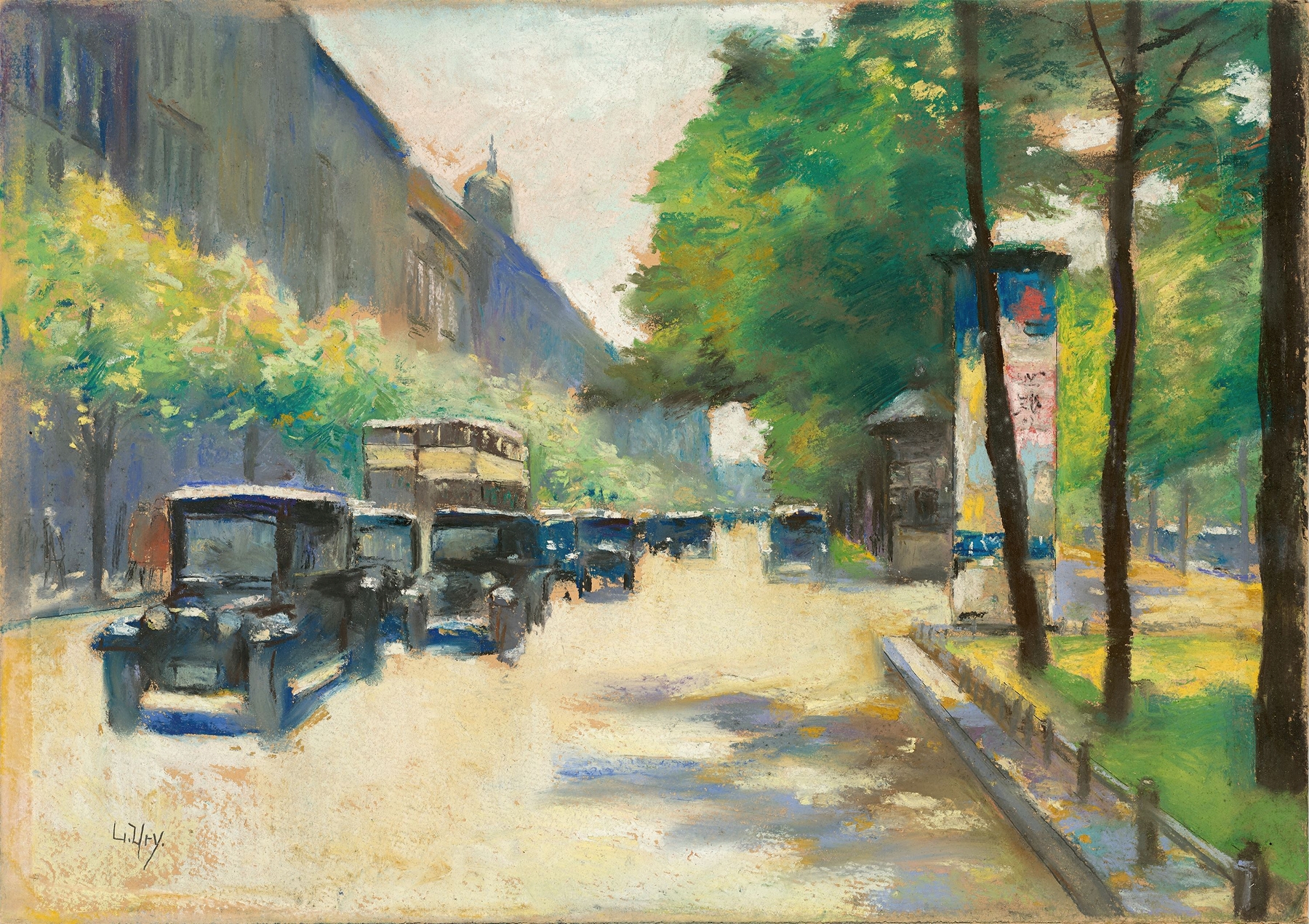
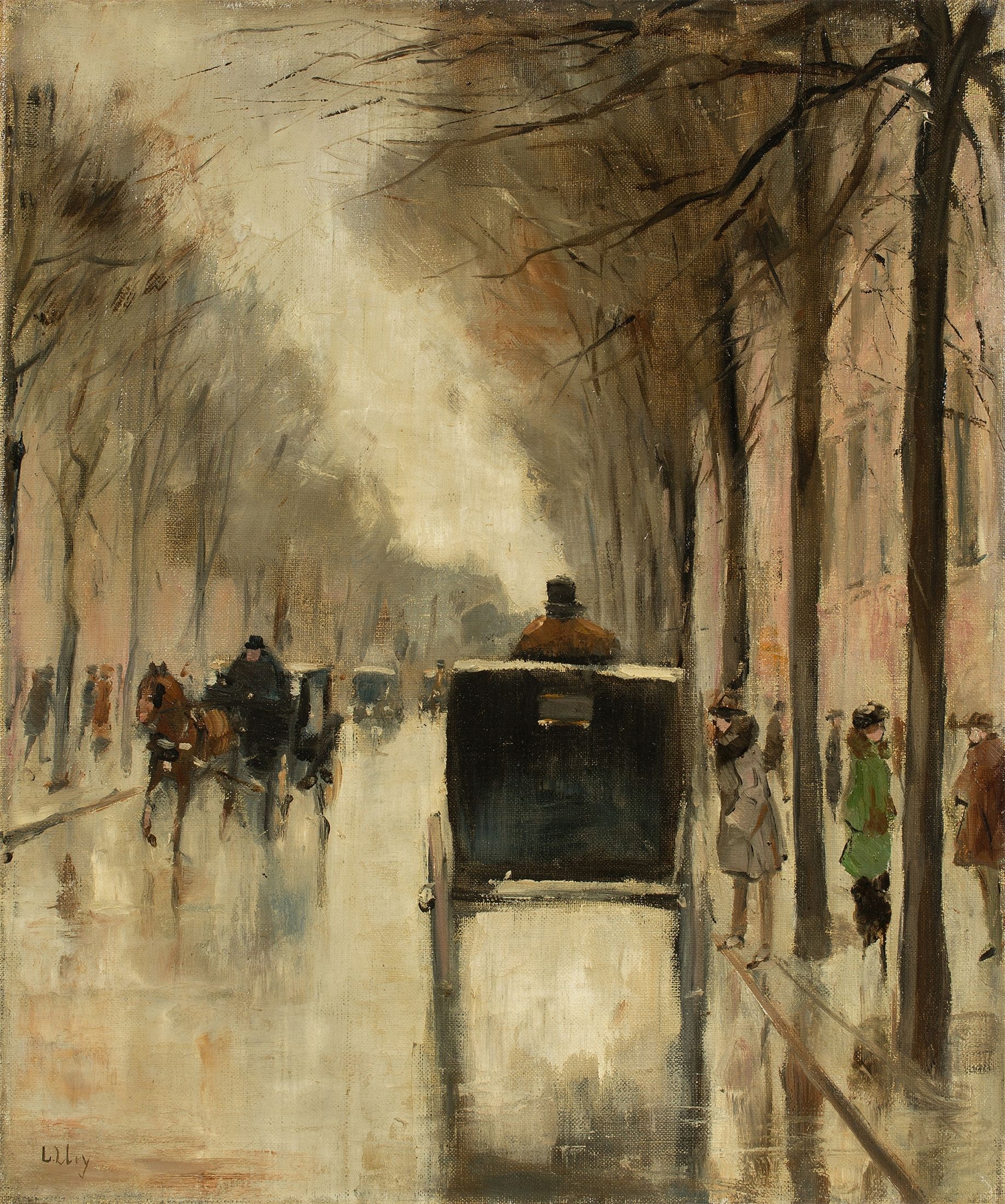
“Between color and silence, truth hides.” In an era marked by the tumult of change, the emptiness captured in a moment can speak louder than the noise of life itself. Look to the left at the delicate interplay of light and shadow dancing across the cobblestones, inviting you into the heart of the scene. The gentle hues of yellow and gold saturate the sunlit street, while the cool tones of the buildings create a calm contrast. This harmony of color creates a palpable sense of serenity, drawing the viewer’s eye along the path that seems to stretch infinitely, suggesting both a journey and a moment suspended in time.
Yet, amidst this tranquil beauty lies an underlying tension. The absence of people renders the street a stage devoid of its actors, highlighting the solitude of urban existence. The emptiness feels heavy; it invites contemplation about the lives that once thrived there, now whispered away by time. This contrast between vibrant sun and the hollow space serves as a powerful reminder of the transient nature of human presence and the stories we leave behind.
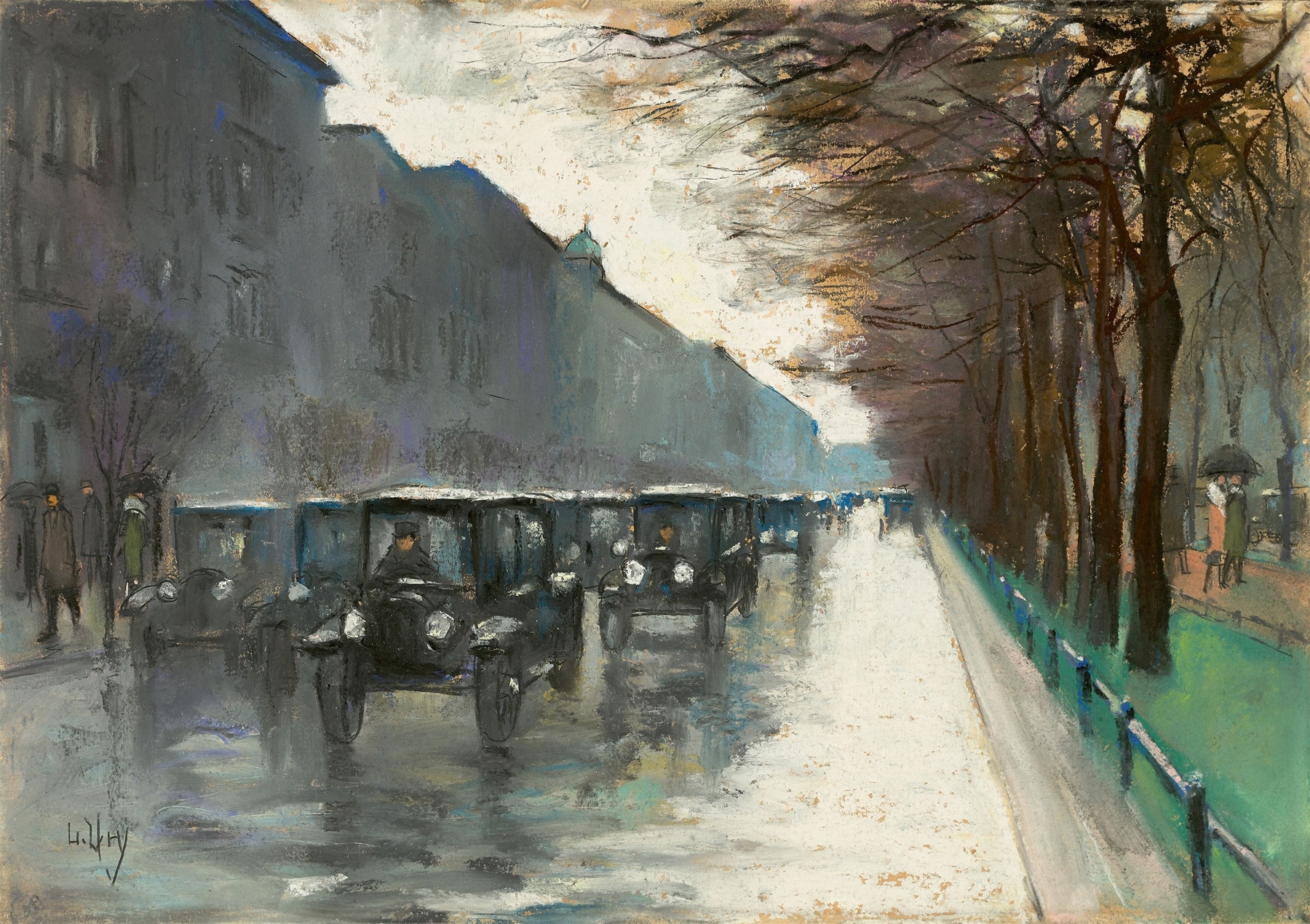
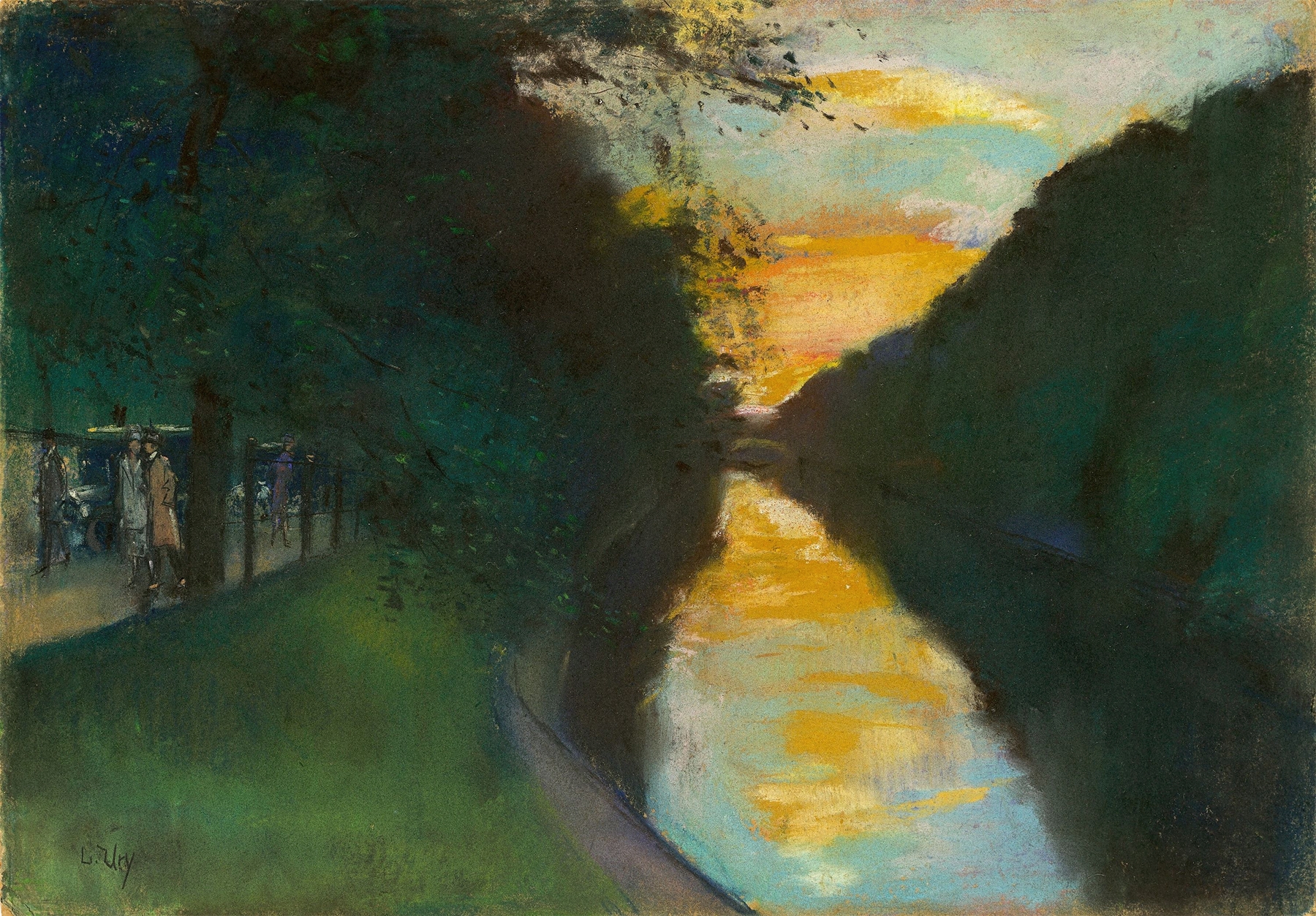
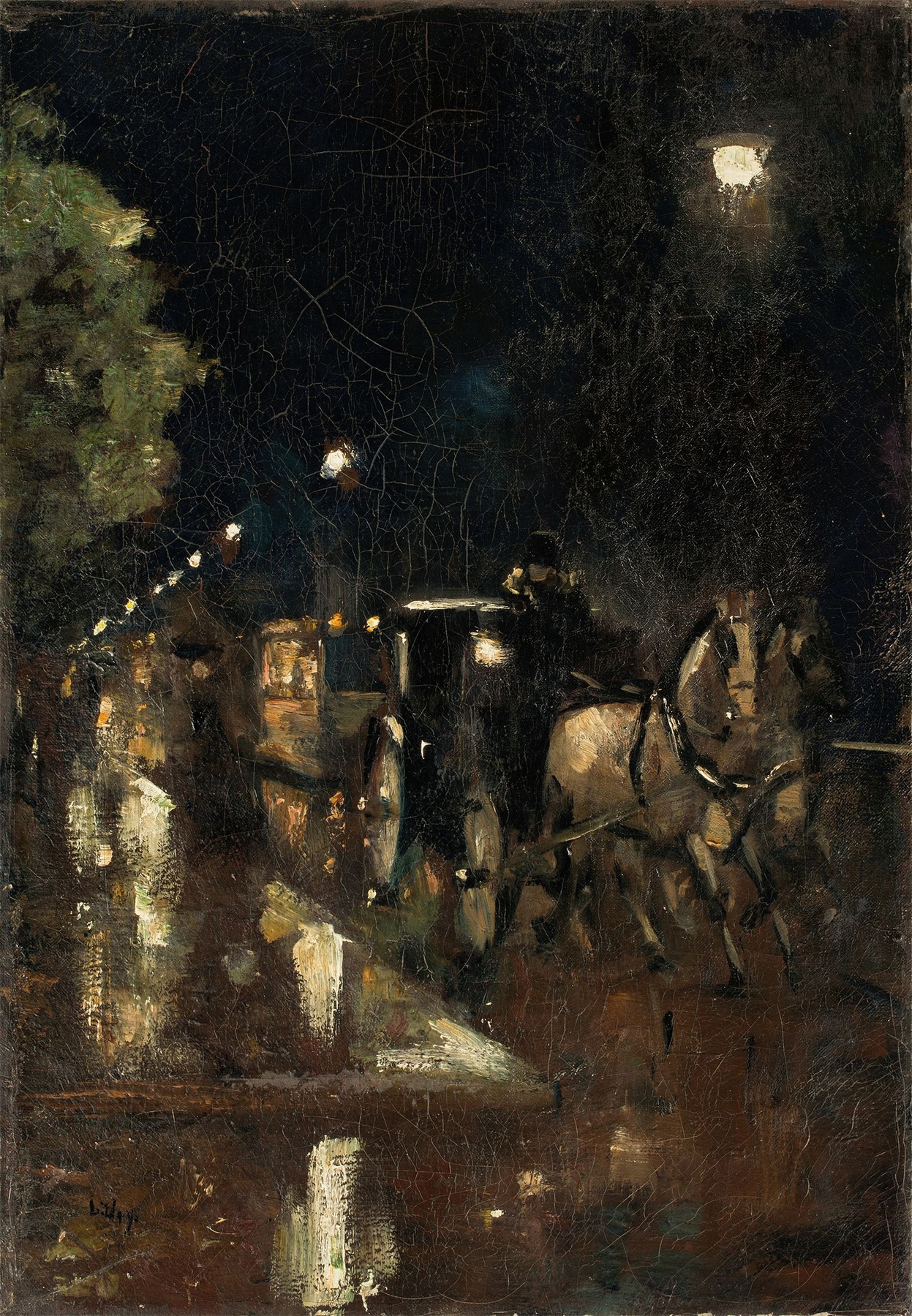
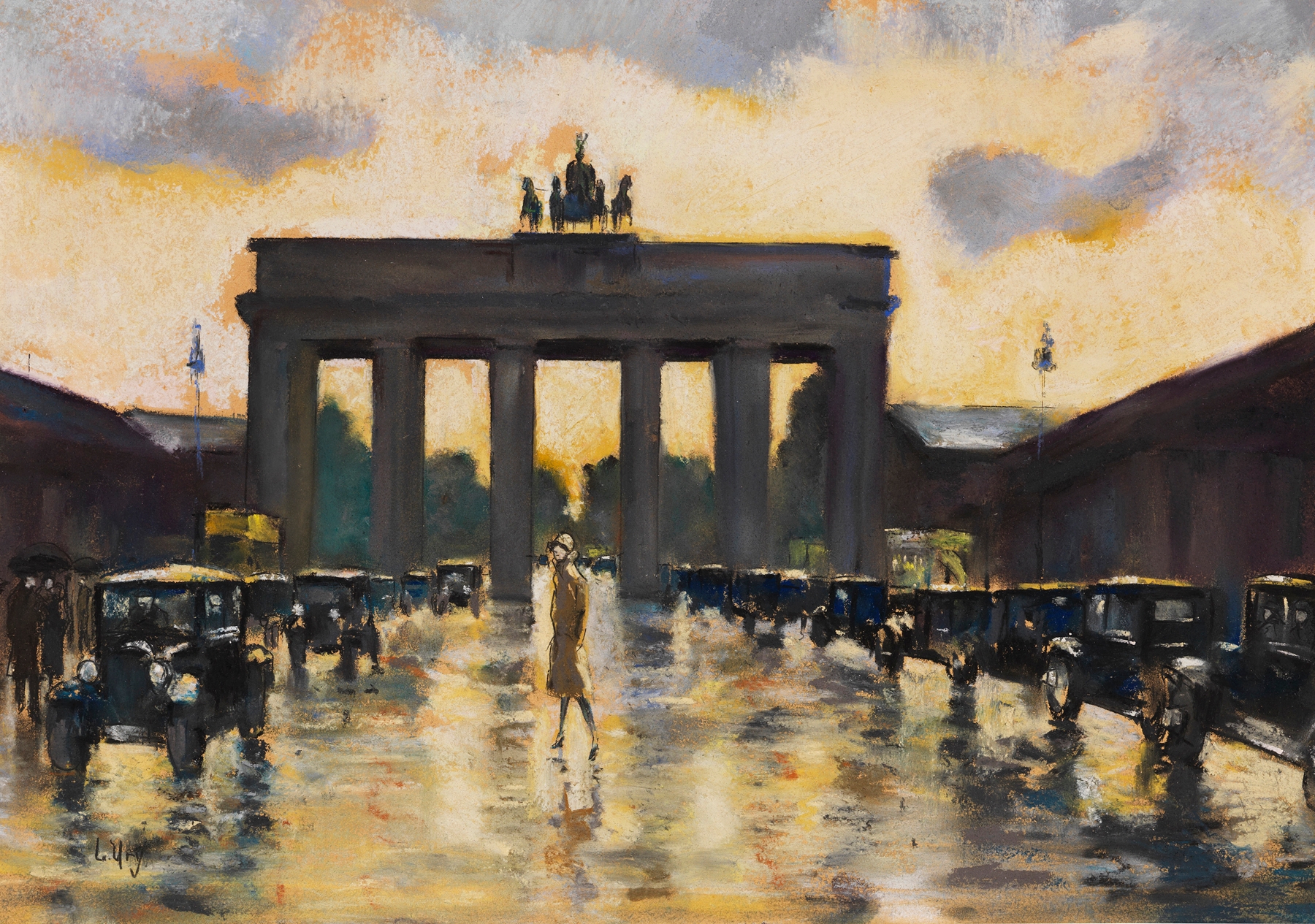
In the 1920s, Lesser Ury created Berliner Straße im Sonnenschein during a time of radical transformation in Germany. Following World War I, the artist grappled with an evolving art scene that sought to convey the complexities of modern life. His sensitivity to the interplay of light and space reflected not only his personal aesthetic but also a broader artistic movement that sought to capture the essence of urban existence in a rapidly changing world.