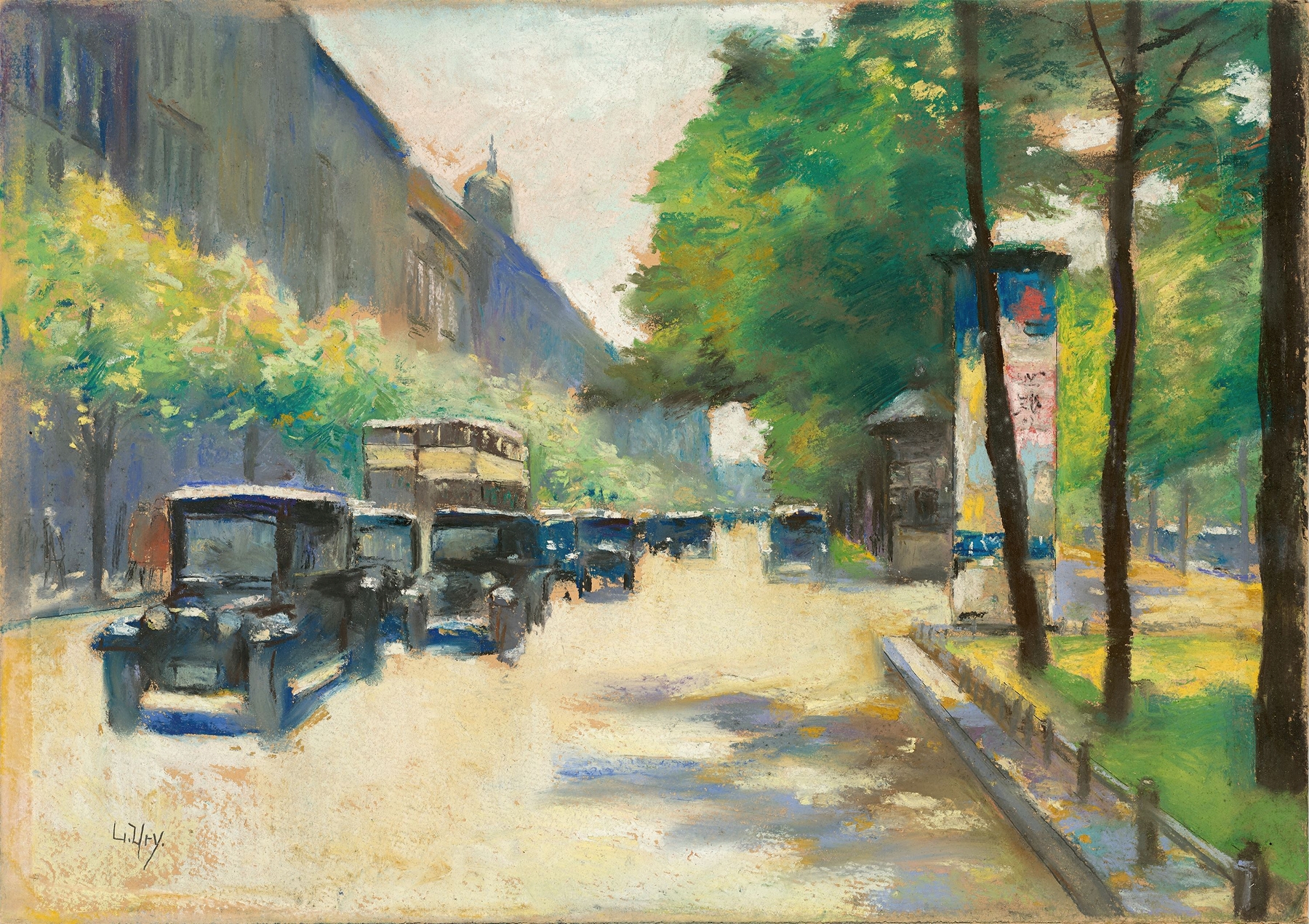
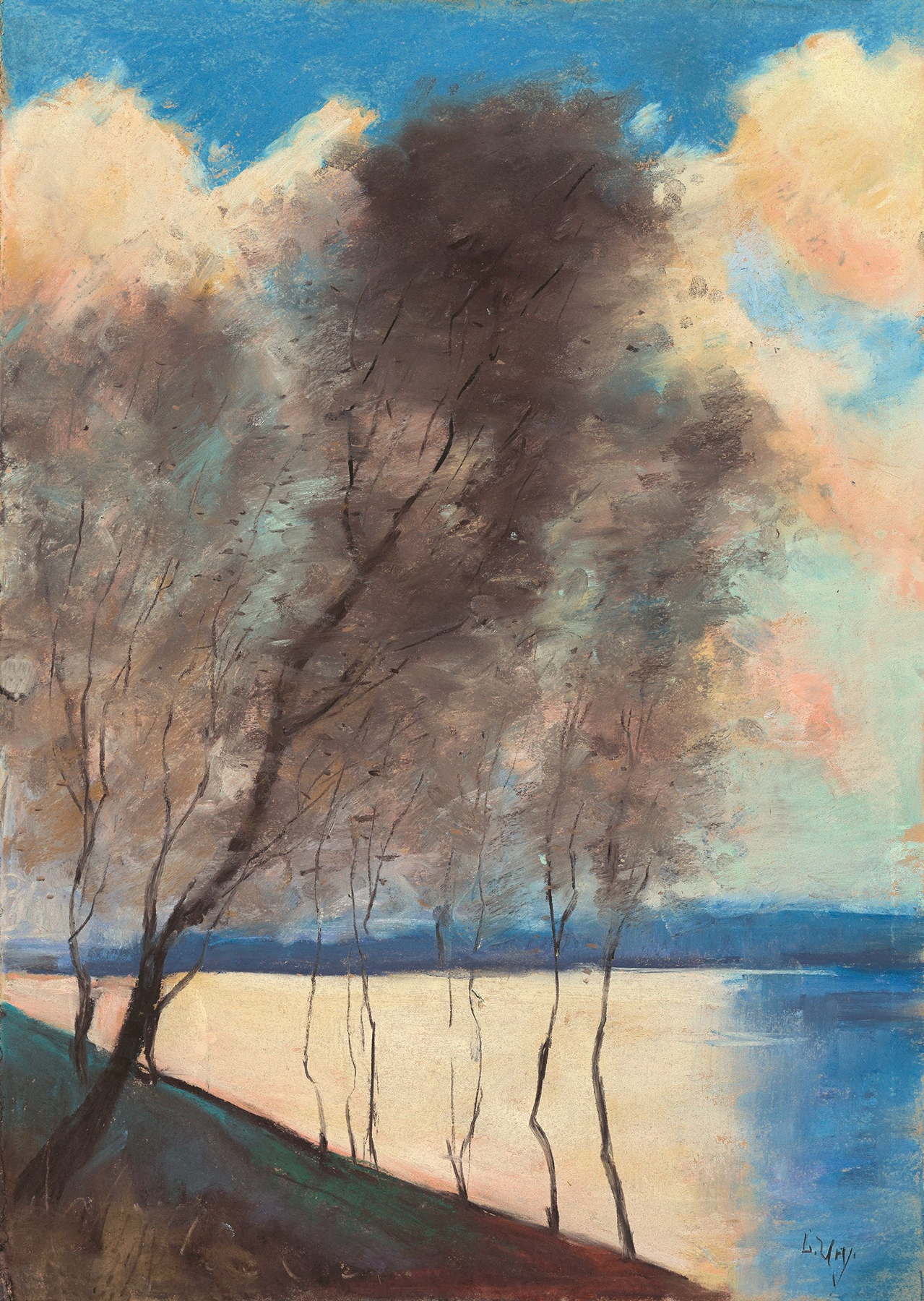
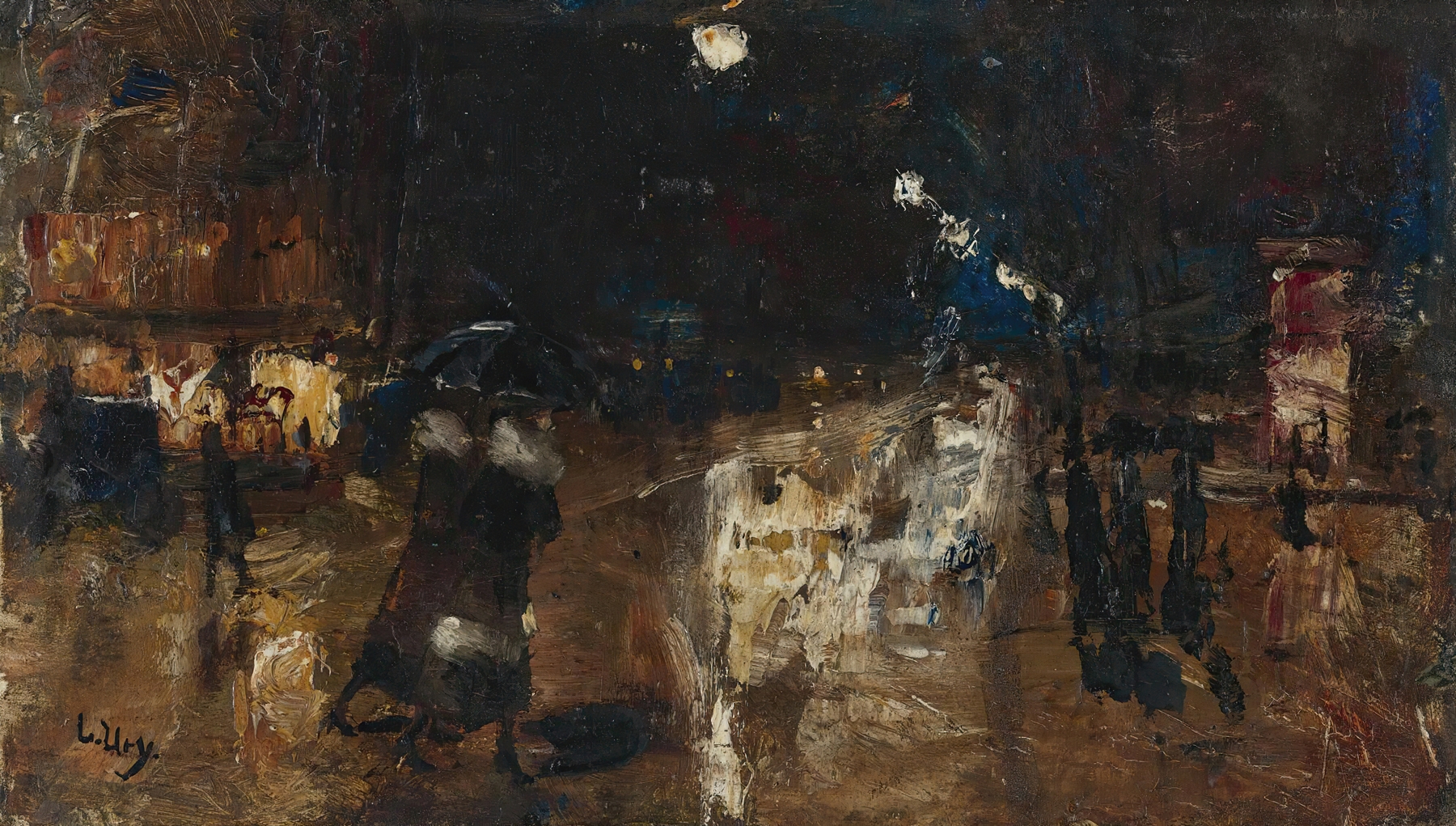
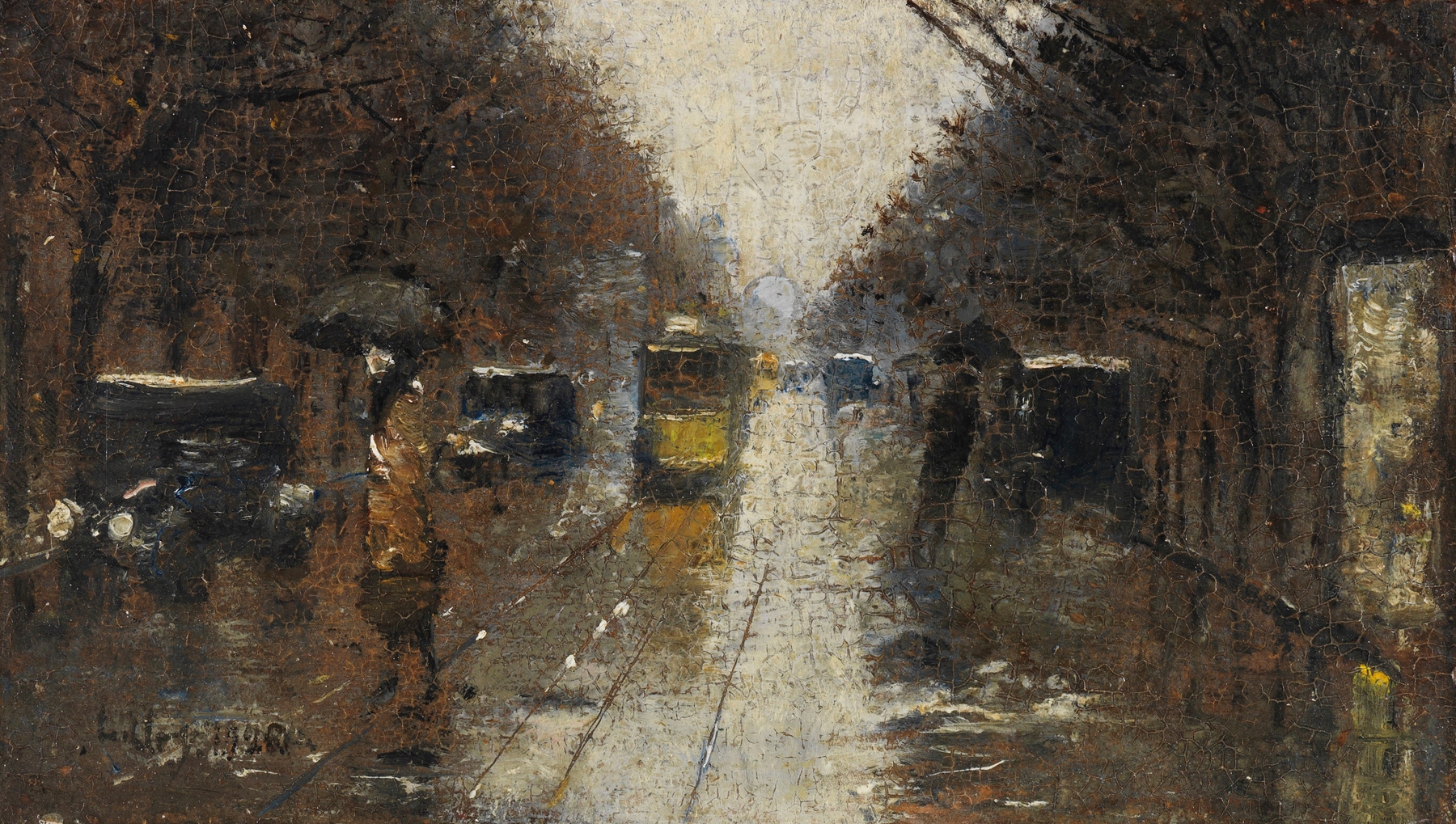
Am Landwehrkanal, Berlin — History & Analysis
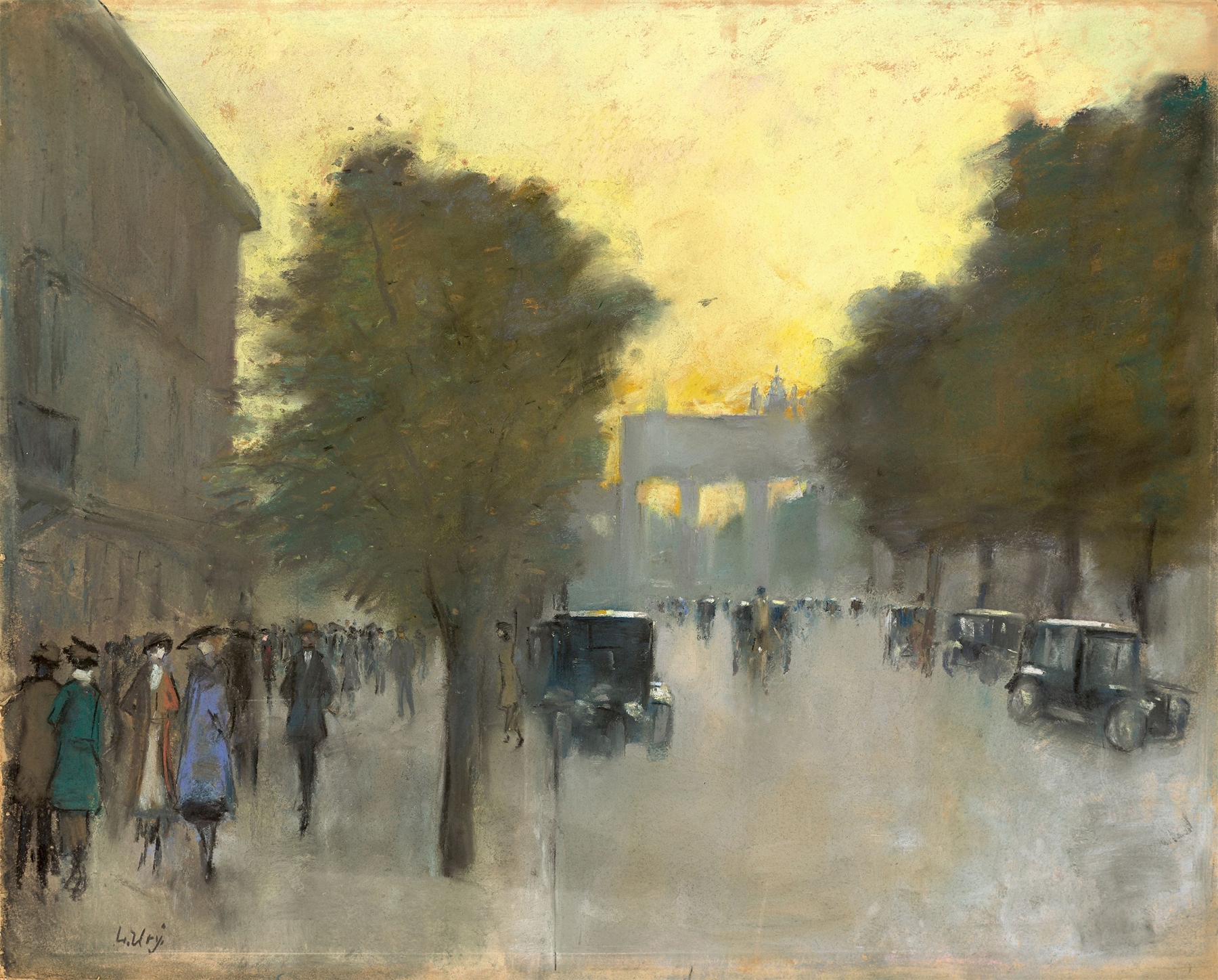
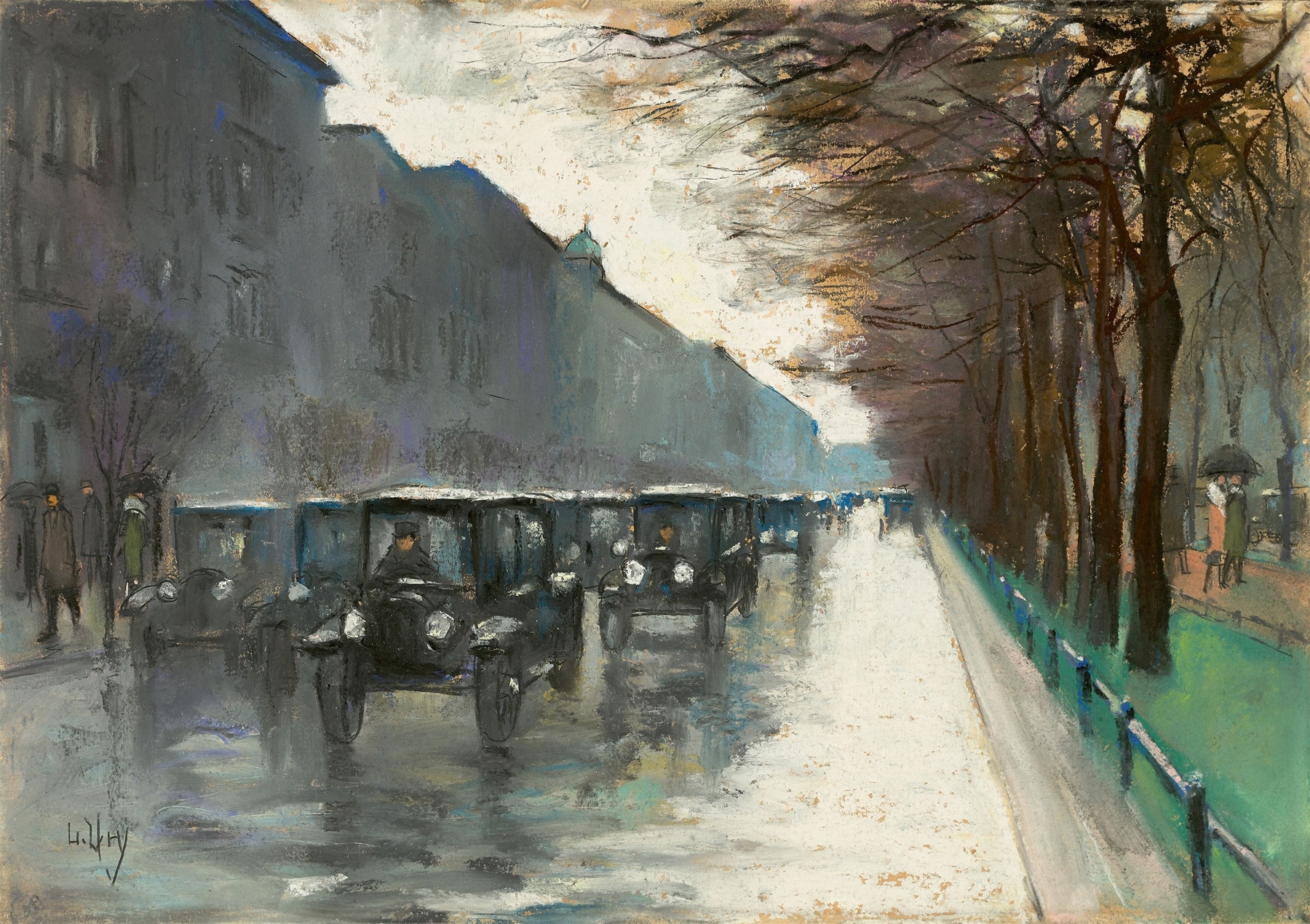
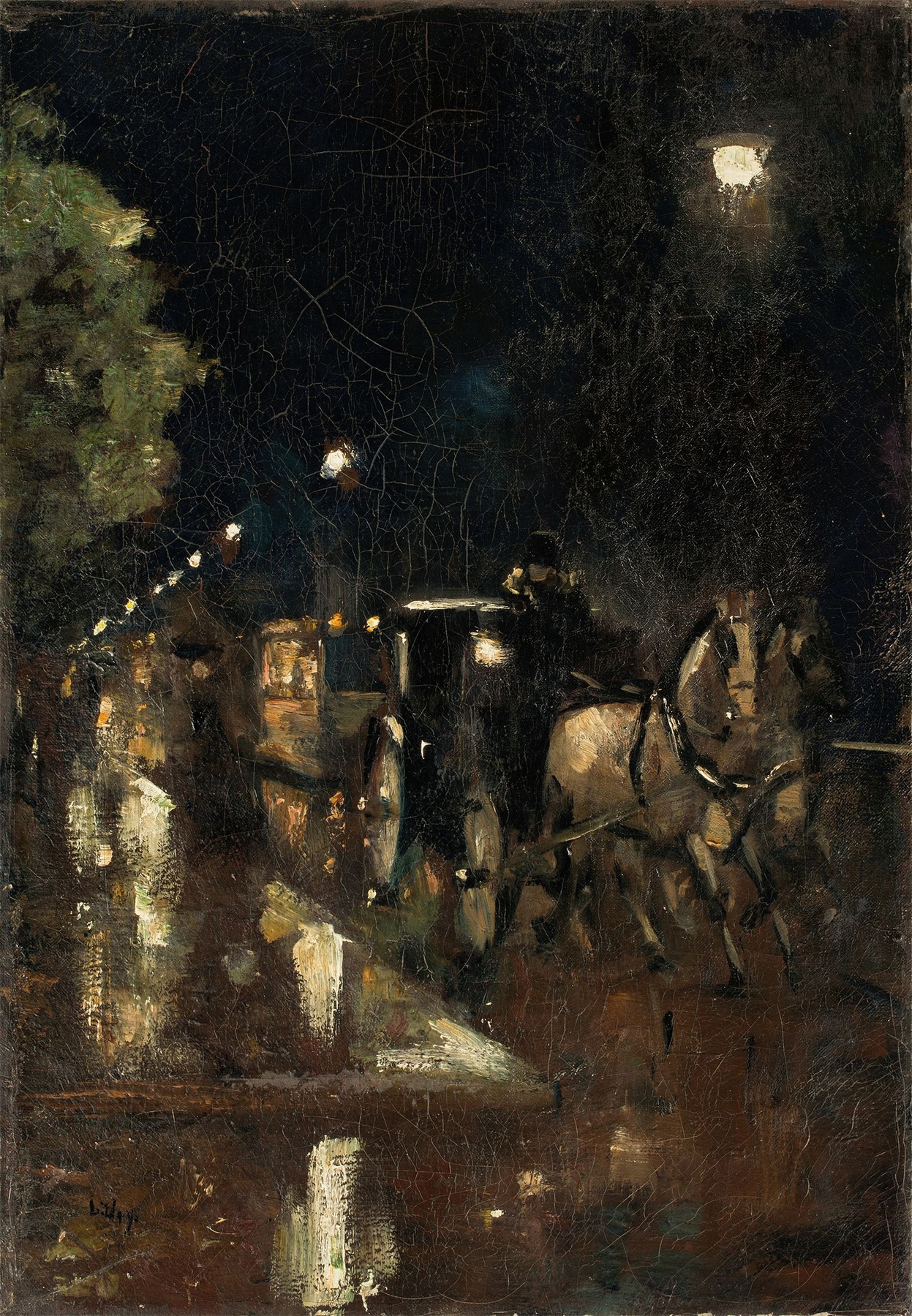
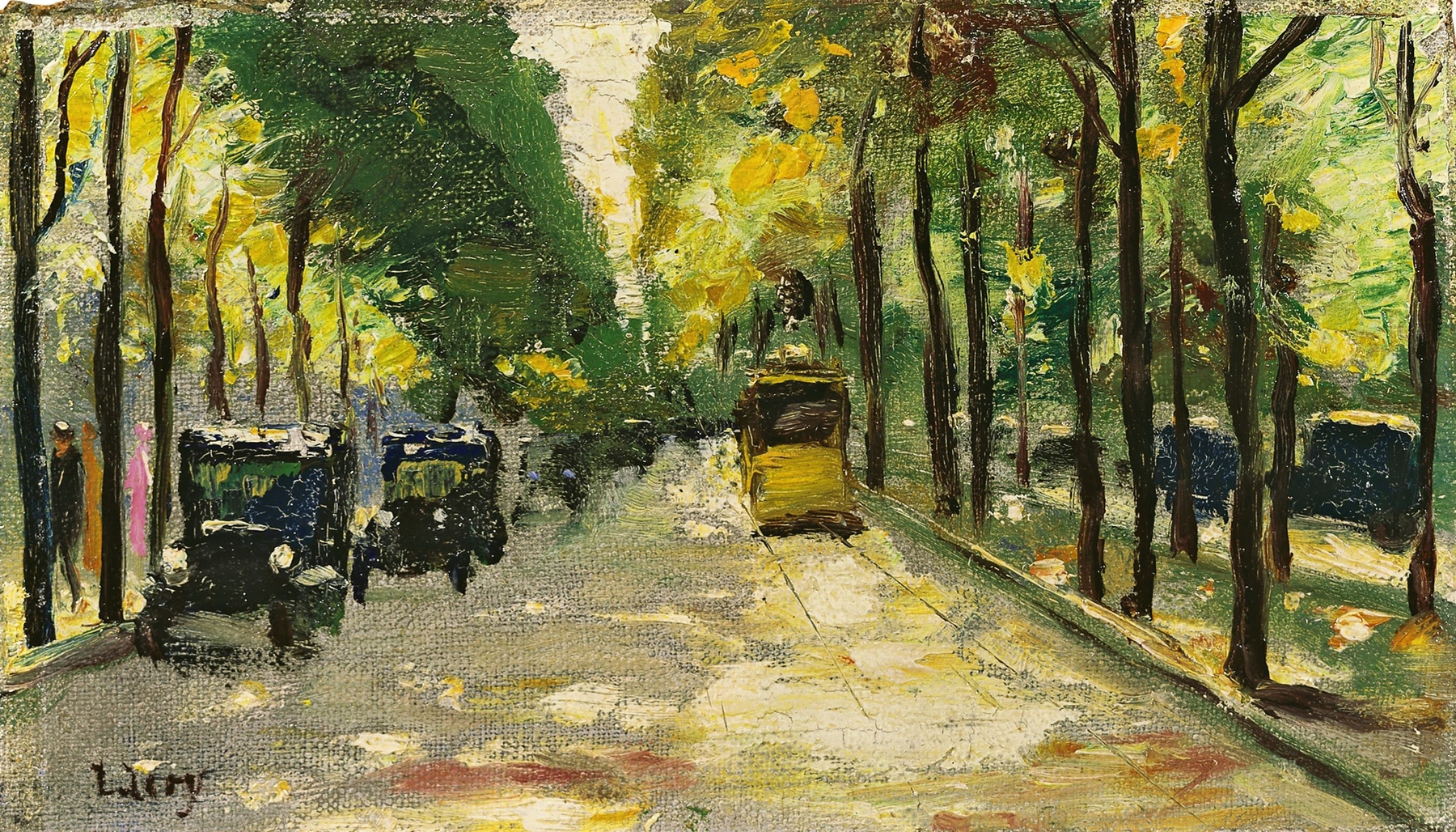
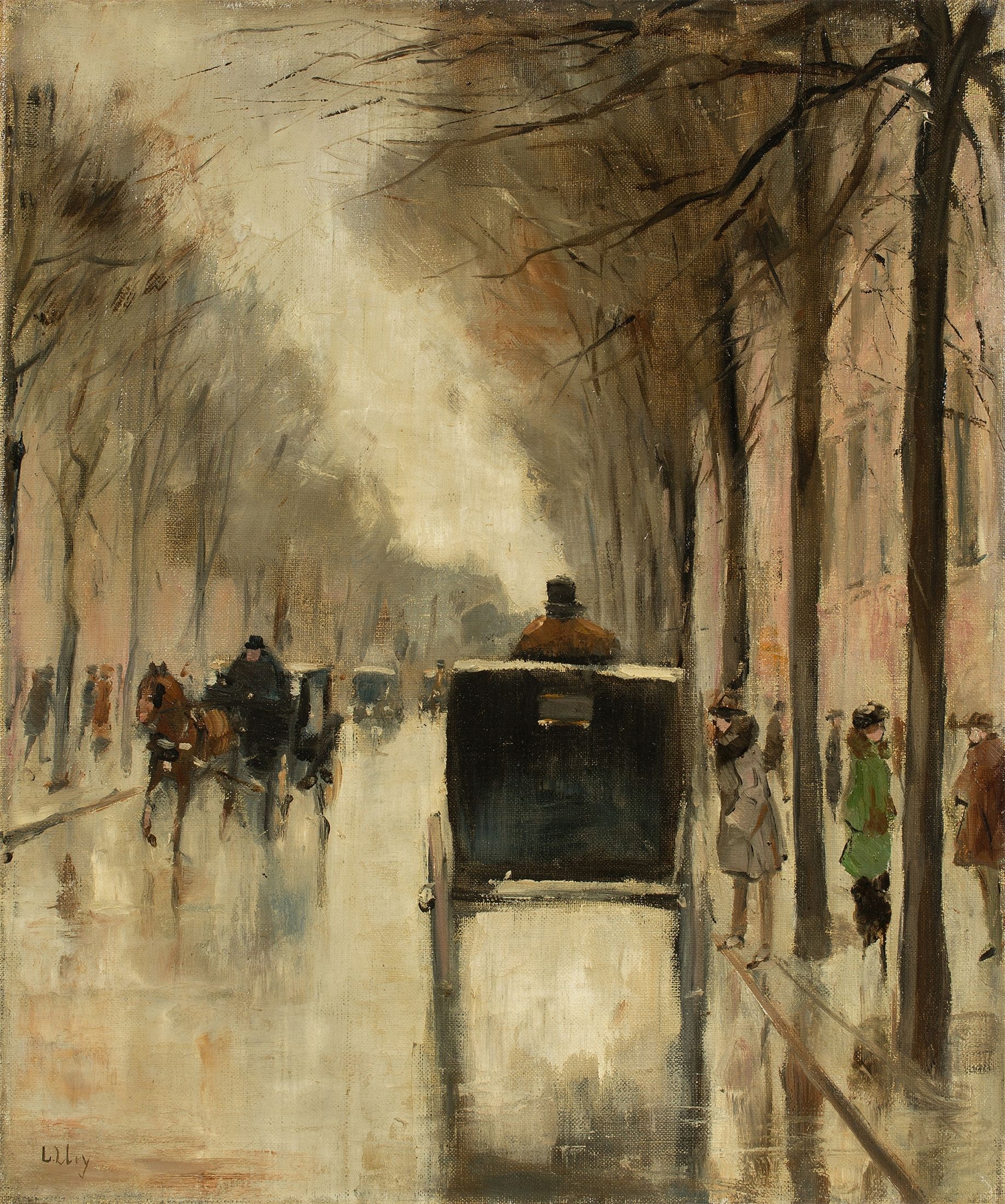
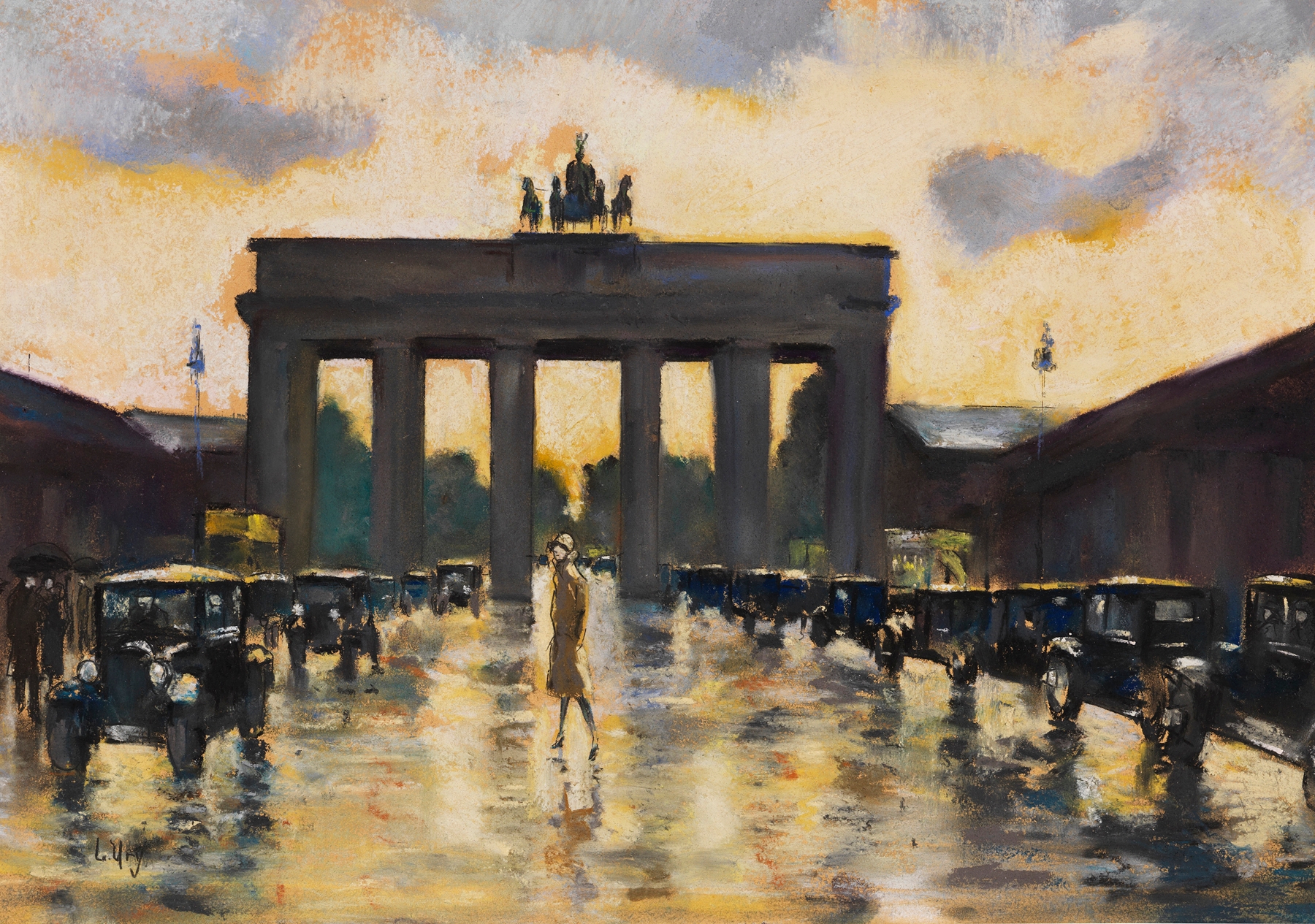
Where does light end, and longing begin? In the gentle caress of soft hues, we find a tender narrative woven into the fabric of fleeting moments. The innocence captured here transcends time, beckoning us to a place where the past lingers, yet the present is eternally vivid. Focus on the delicate interplay of light and shadow along the canal's edge. The painter masterfully employs a palette of muted blues and warm earth tones, guiding your gaze to the shimmering water that reflects a whisper of the sky above.
Notice how the gentle ripples seem to dance with the flicker of sunlight, creating an atmosphere that feels both serene and nostalgic. The soft brushstrokes add an ethereal quality, inviting you to get lost in the scene's tranquility. Beneath this peaceful surface lies an emotional tension, where innocence meets the bittersweet reality of time. The quiet presence of a solitary figure, perhaps a child or a dreamer, evokes a sense of yearning and solitude, bringing forth the universal experience of longing for simpler days.
The contrast between the lively water and the stillness of the surrounding trees suggests a moment caught between movement and pause, capturing the essence of a fleeting childhood memory. In the 1920s, when this piece was painted, Lesser Ury found himself immersed in the vibrant art scene of Berlin, a city grappling with the aftermath of war and the search for identity. This period was marked by a shift towards modernity, yet Ury remained deeply connected to Impressionism, using light and atmosphere to explore the emotional landscapes of everyday life. His works from this era often reflect a blend of personal introspection and the broader societal changes unfolding around him.