Unter den Linden mit Blick auf das Brandenburger Tor — History & Analysis
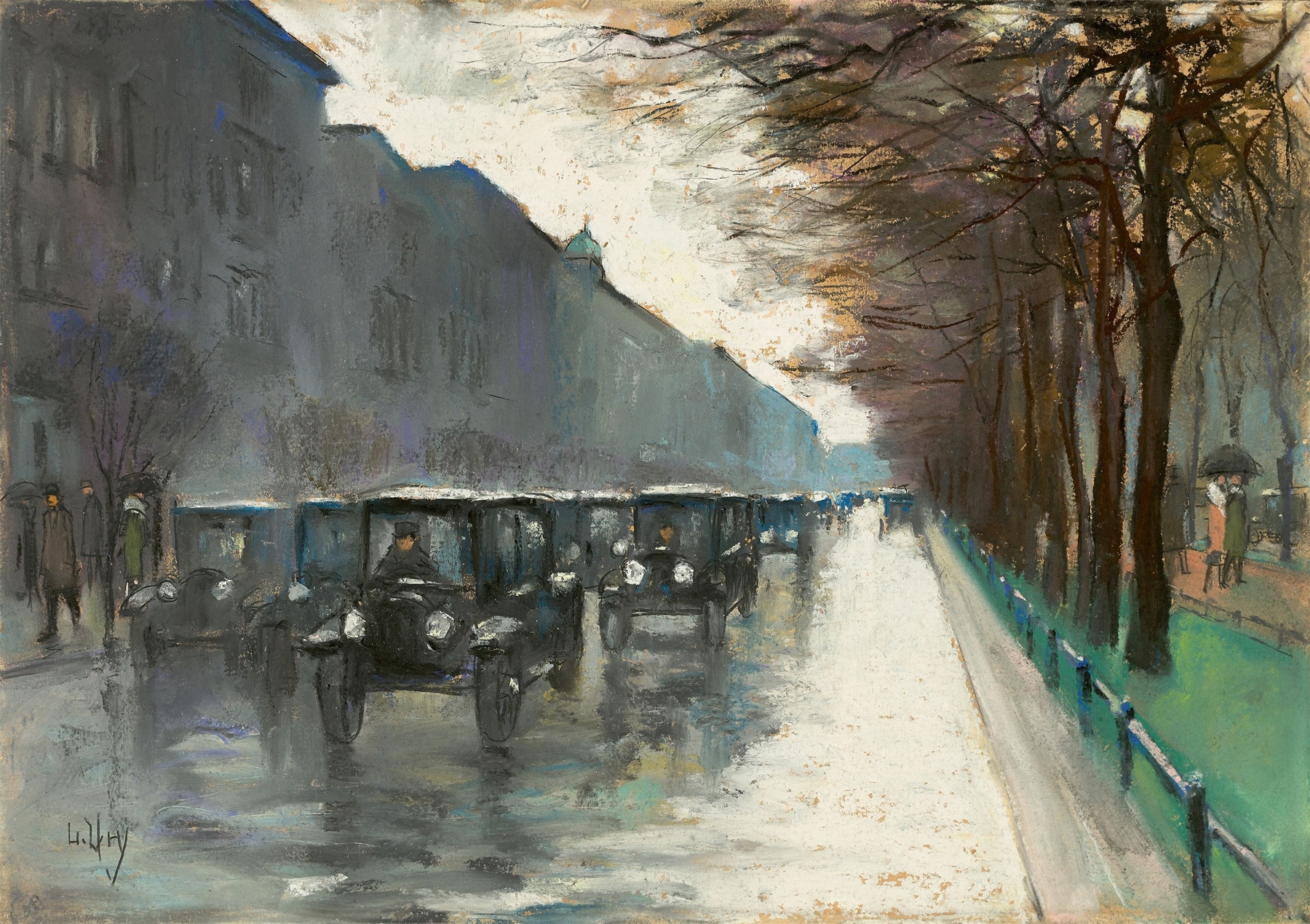
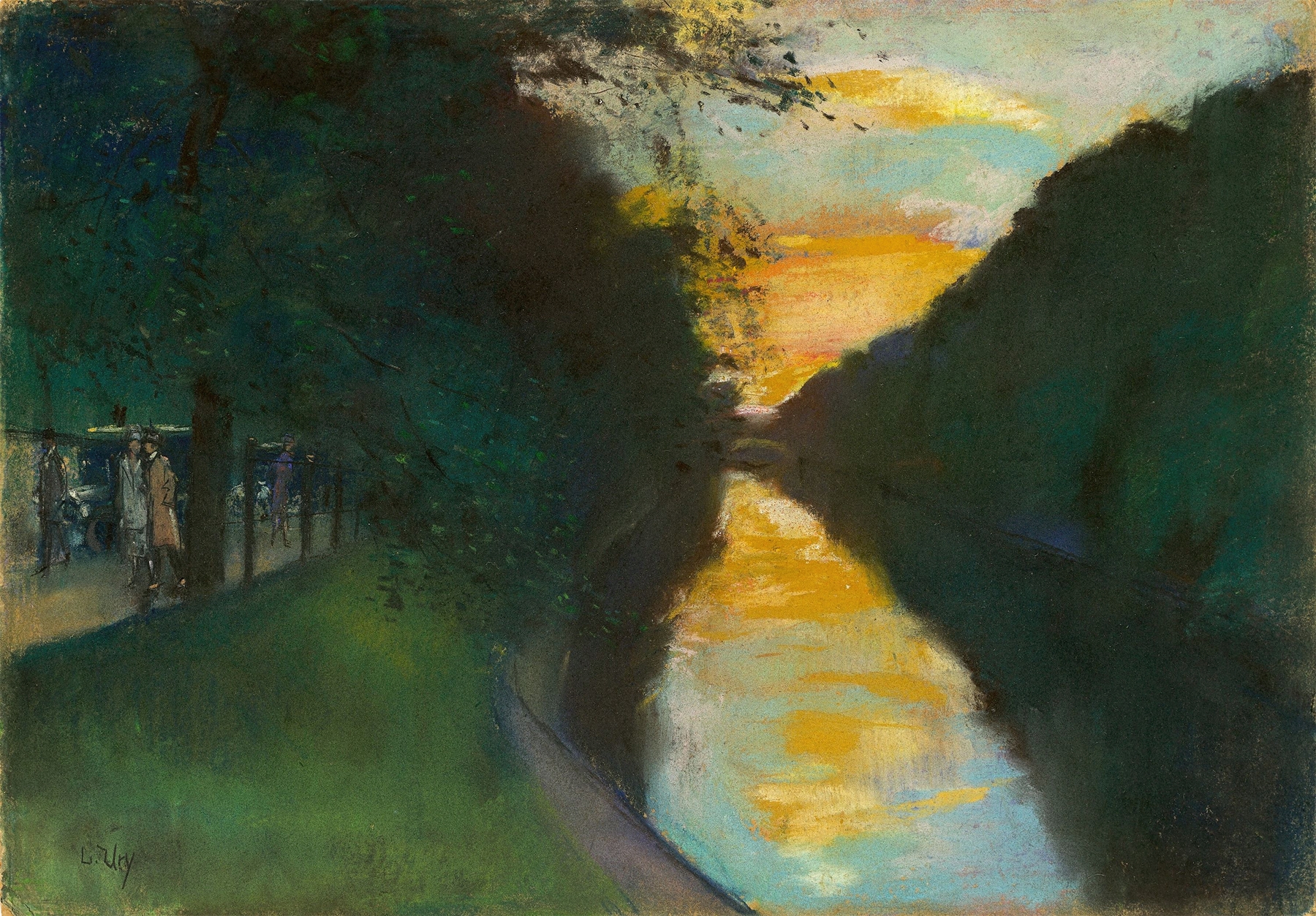
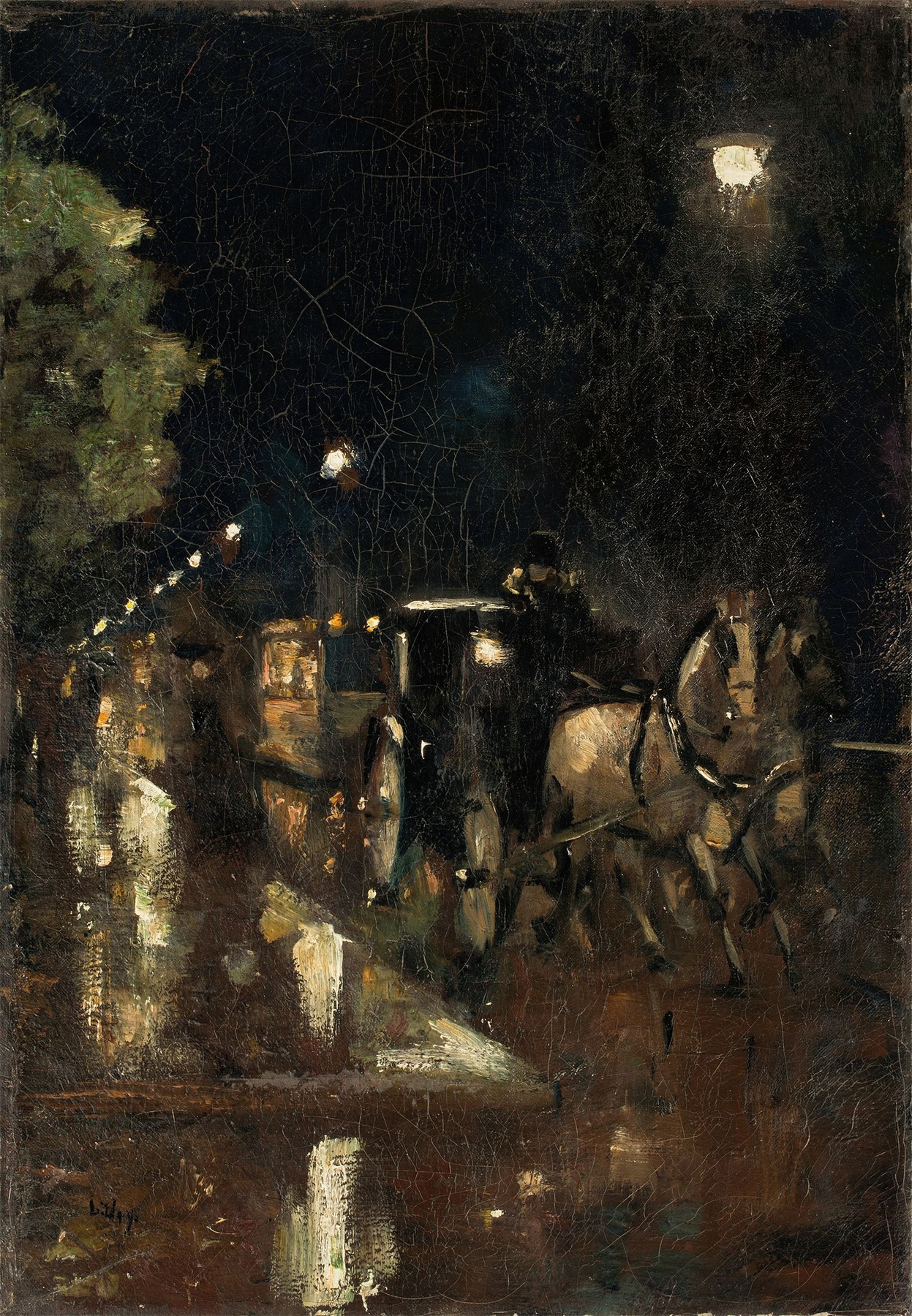
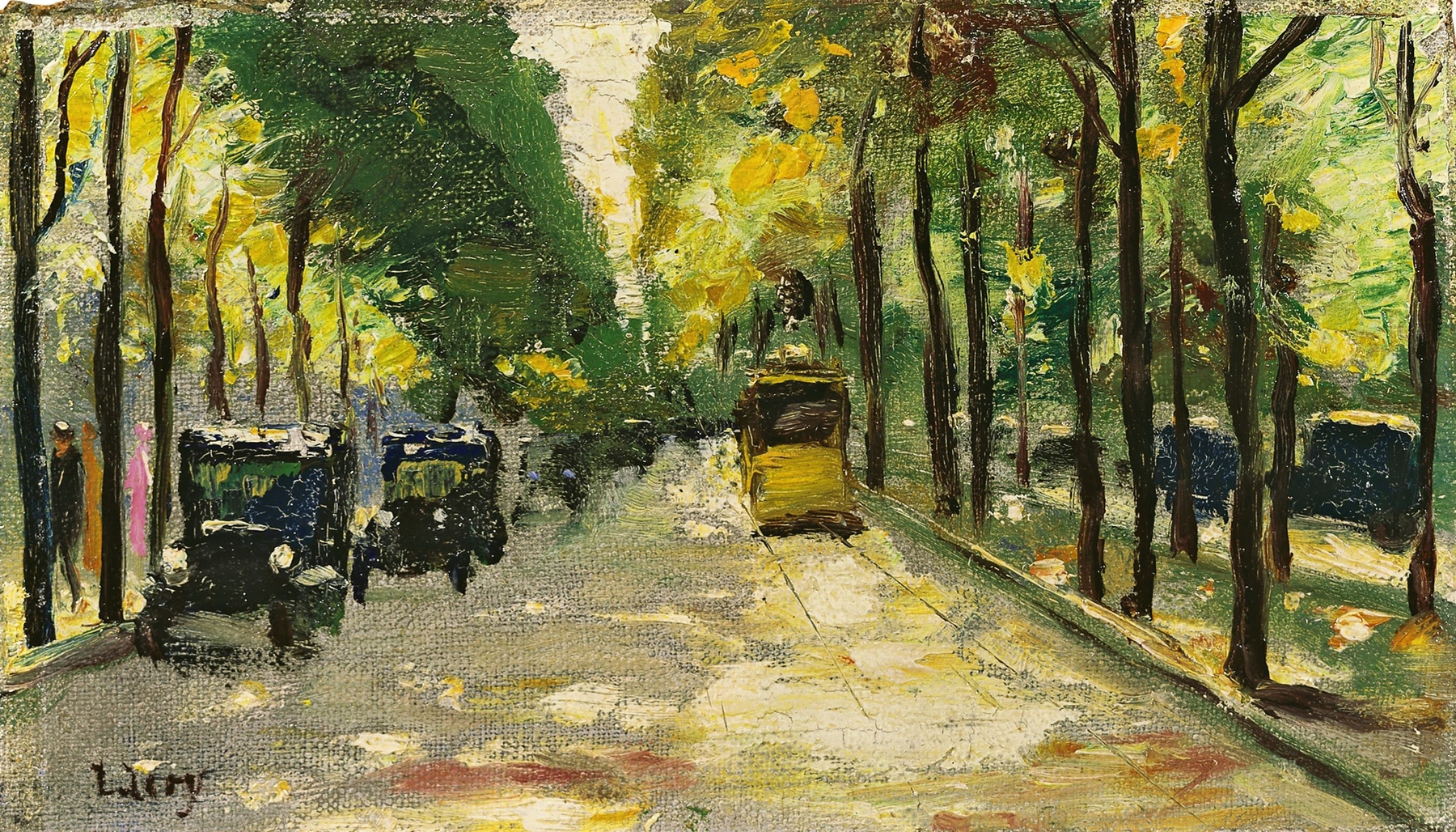
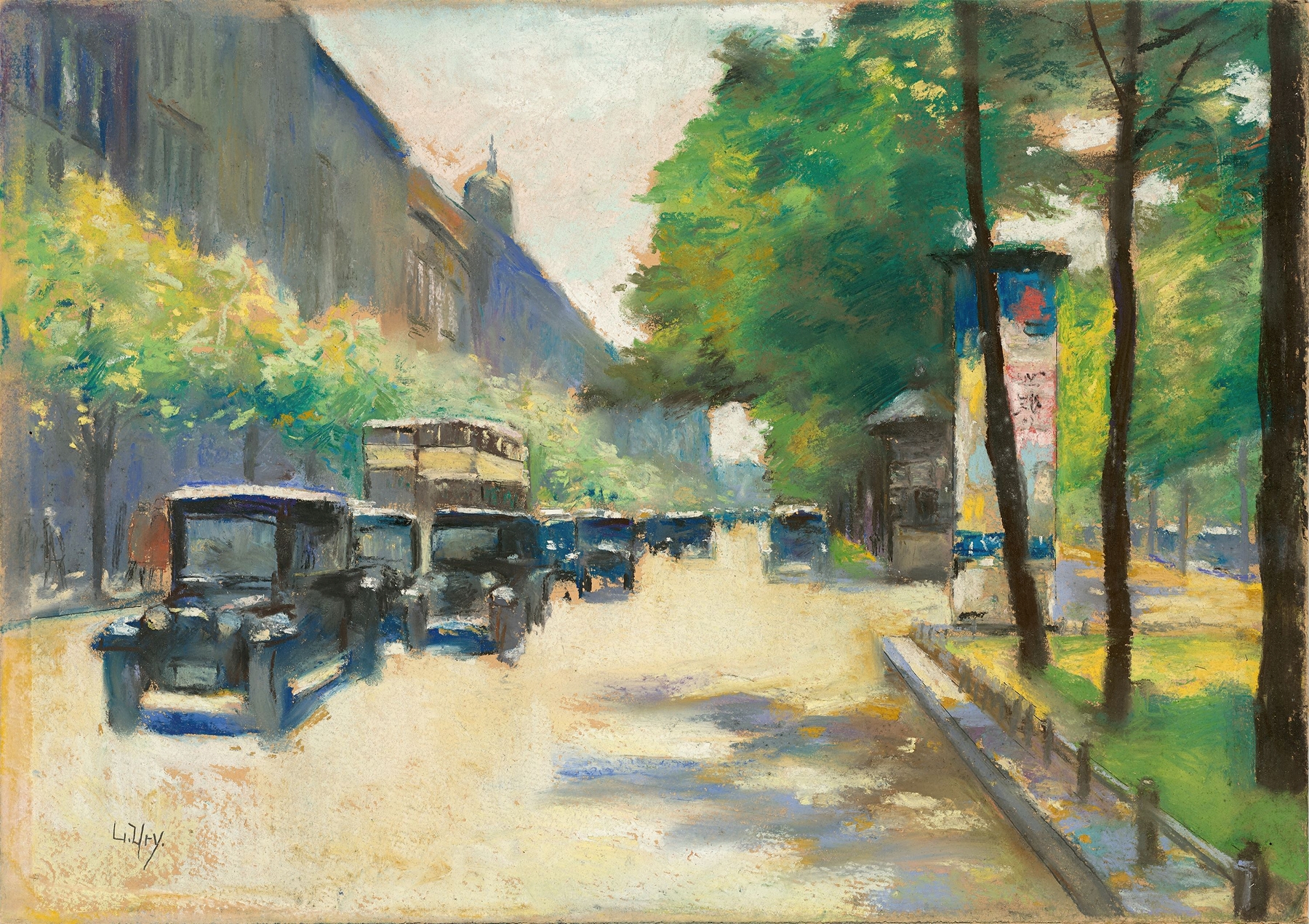
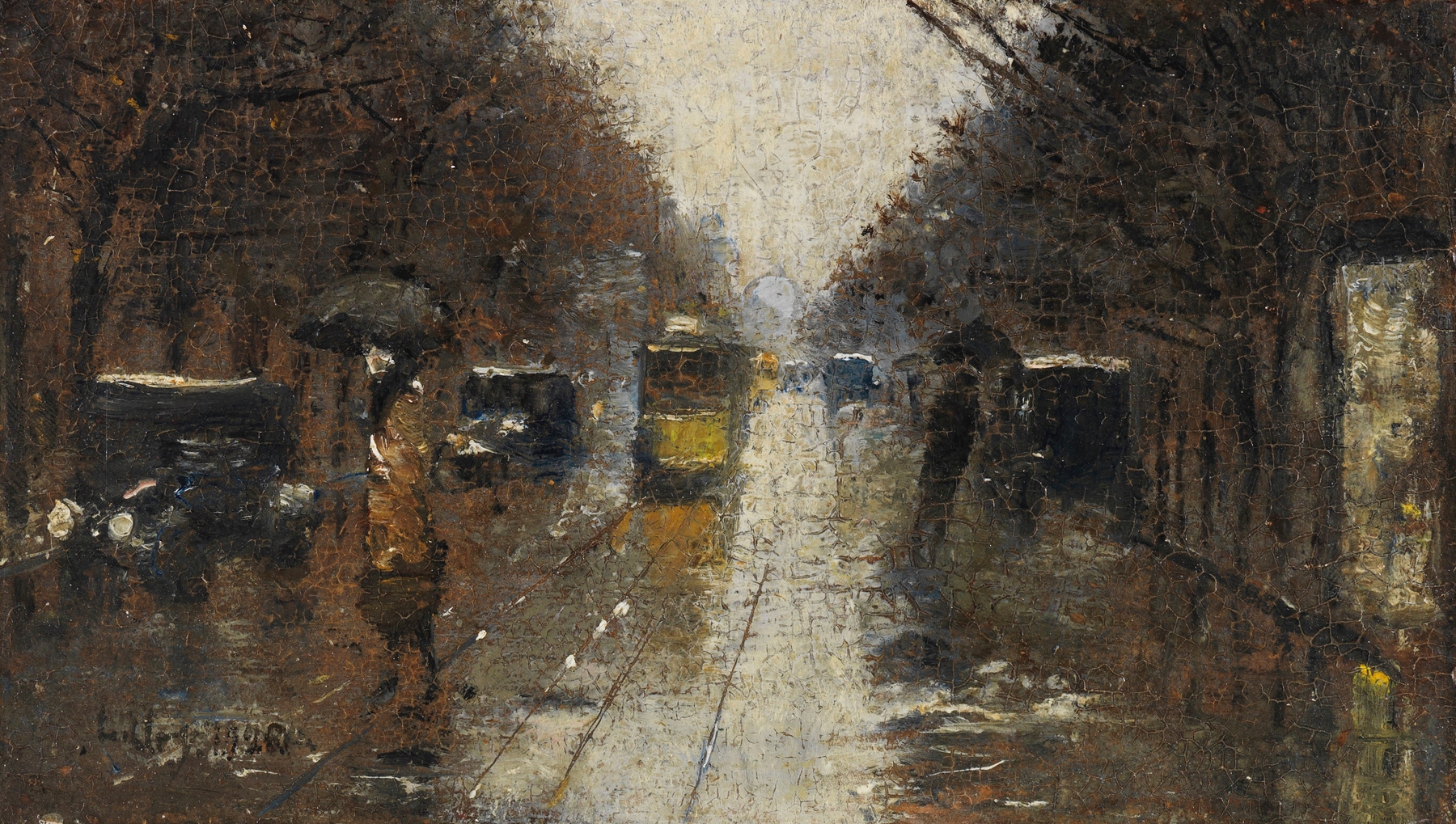
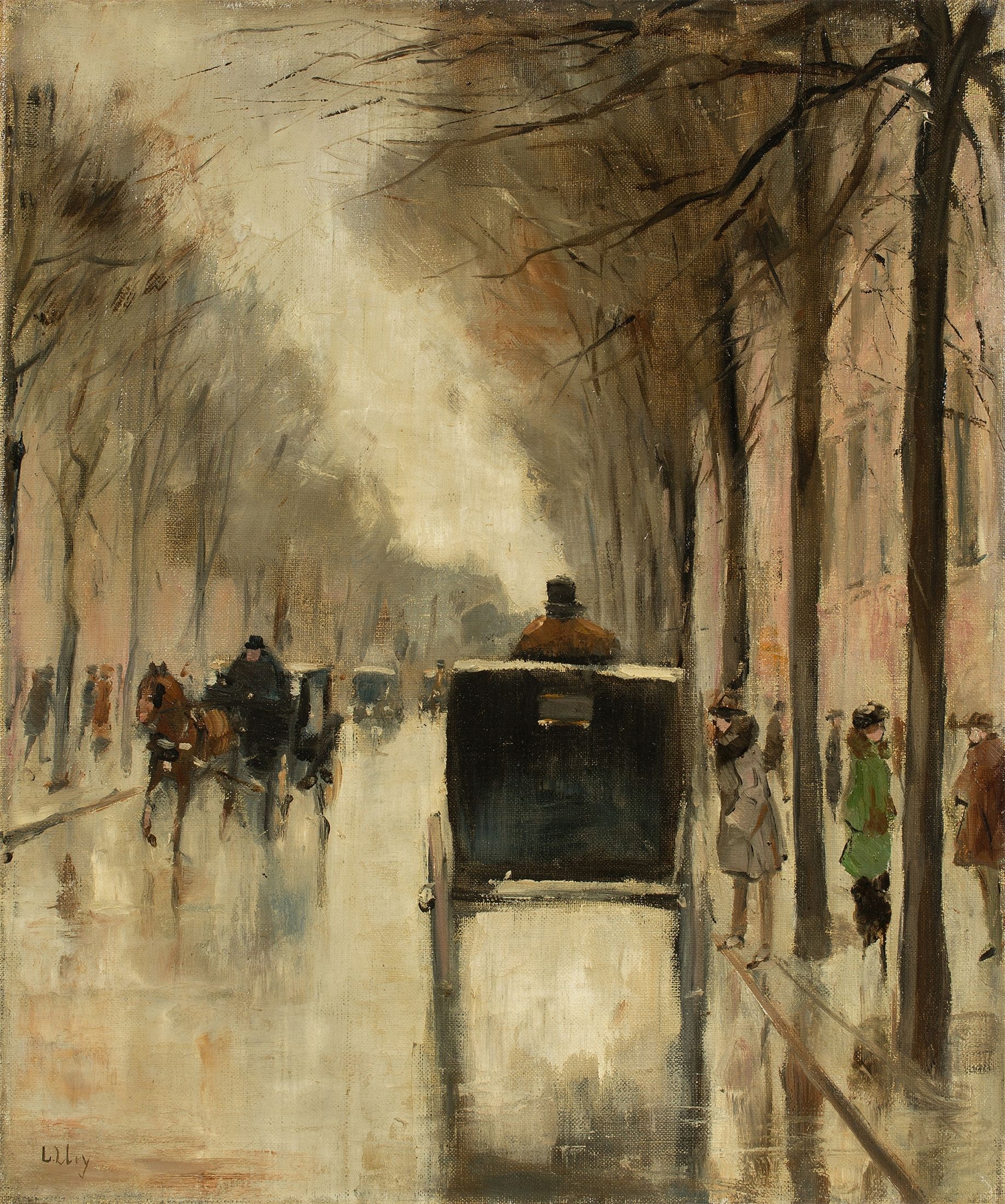
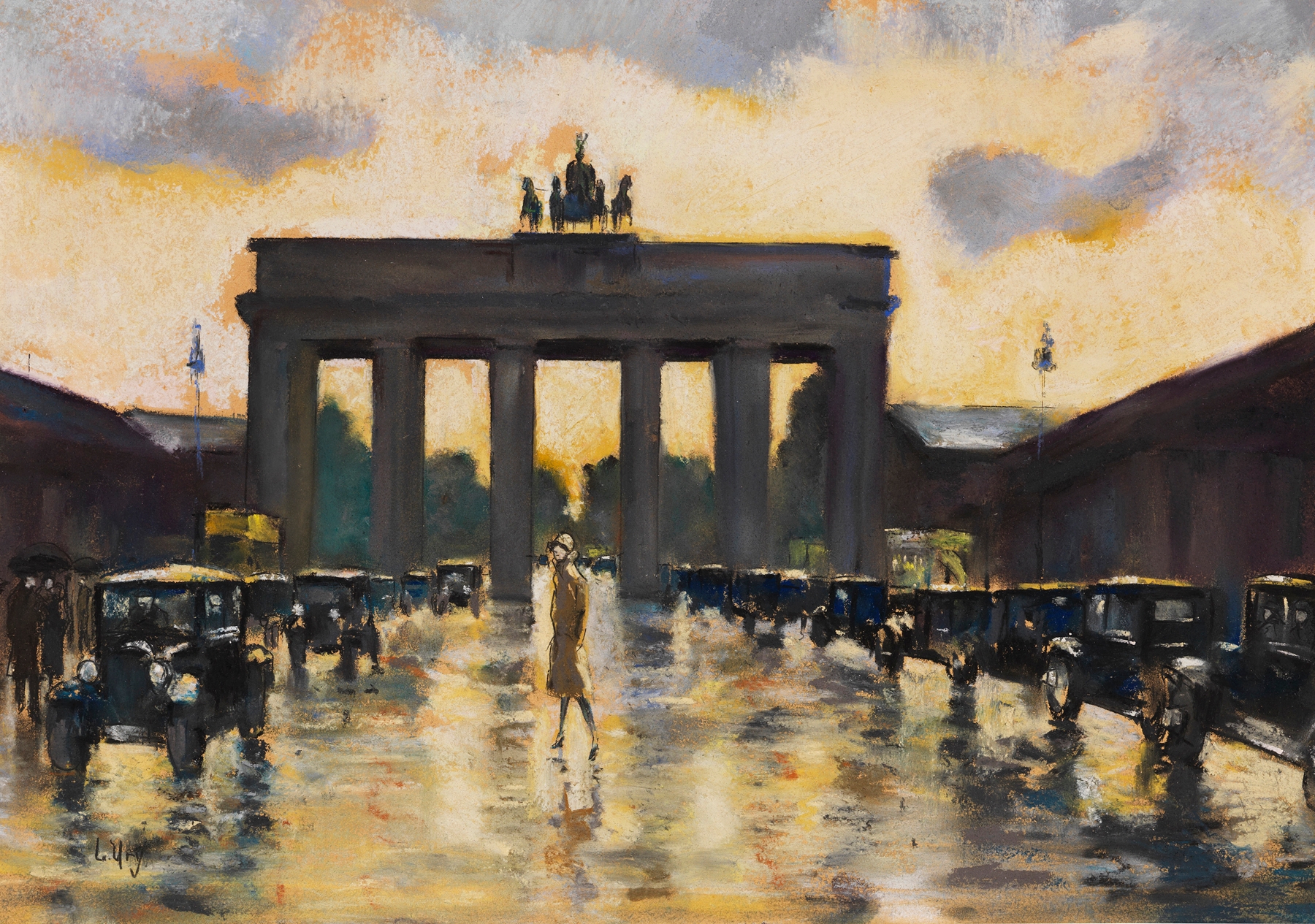
“The canvas doesn’t lie — it simply waits.” In the stillness of memory, grief holds a space that echoes the tenderness of loss. Here, a fading world lies beneath a delicate veil of nostalgia, inviting the viewer to reflect on what remains when we are stripped of the familiar. Look to the left at the ghostly silhouettes of trees, their skeletal branches reaching skyward, framed against the soft wash of muted blues and greys. Notice how the light dances gently across the cobbled path, hinting at the whisper of footsteps long departed. The Brandenburger Tor stands stoically in the distance, a monumental guardian that looms over a scene imbued with both beauty and melancholy.
Ury’s brushwork is fluid yet deliberate, capturing the ephemeral quality of twilight as it wraps everything in its soft embrace. Within this composition lies a profound contrast between the vibrant life of the past and the somber quietude of the present. The interplay of light and shadow serves as a metaphor for the layers of memory that we carry within us. Each tree stands like a sentinel, marking the passage of time while the emptiness of the path speaks to the absence of those who once walked its stones.
Grief seeps into the edges of the scene, transforming a simple view into an elegy for what has been lost. Created in 1920, this work emerged during a tumultuous period in Germany's history, as the nation grappled with the aftermath of World War I. Lesser Ury was living in Berlin, a city rife with transformation and uncertainty. The social and artistic landscape was evolving, with movements like Expressionism gaining traction, and Ury, drawing from his experiences, imbued this piece with a deep sense of introspection that resonates powerfully even today.