Brandenburger Tor vom Pariser Platz aus gesehen — History & Analysis
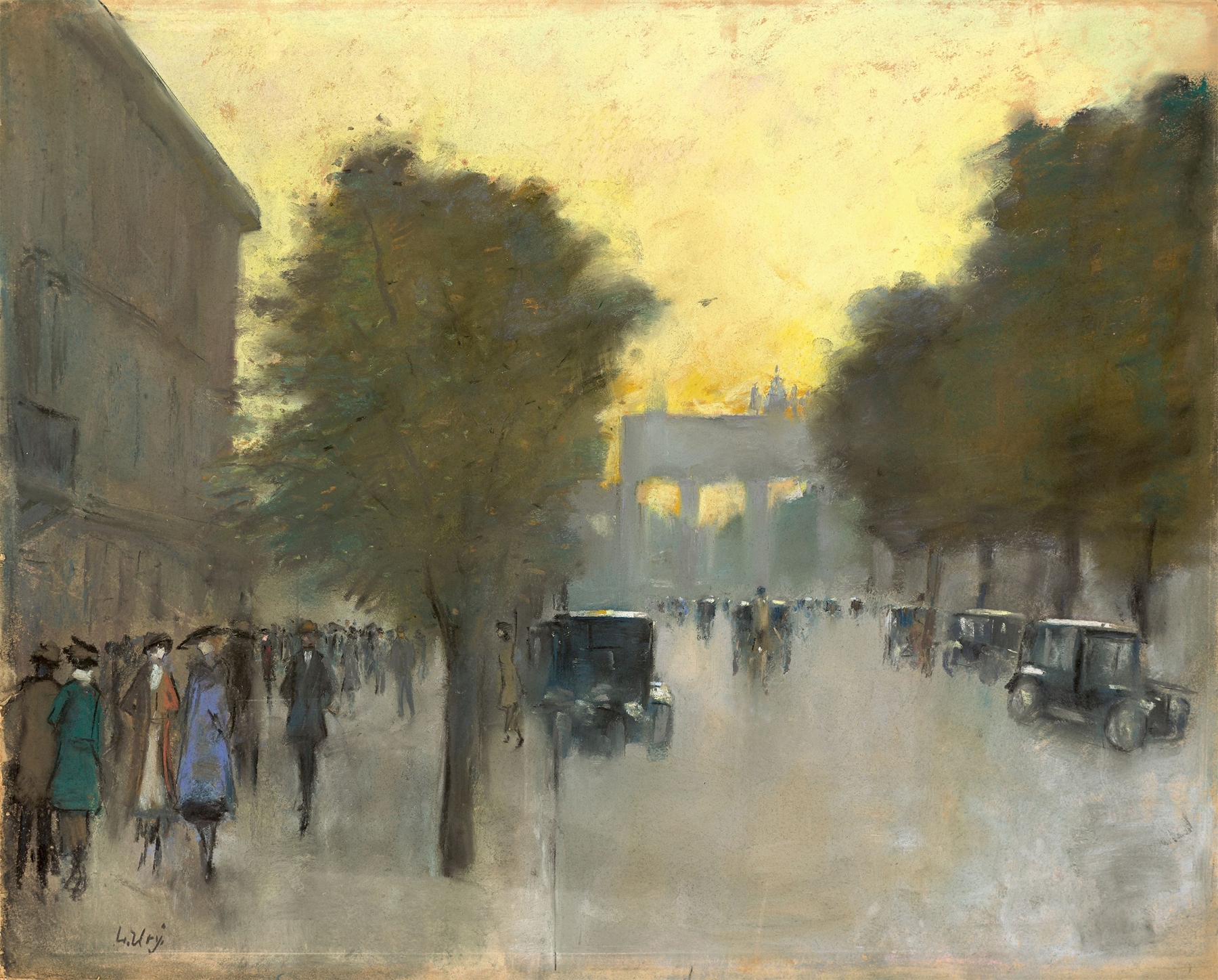
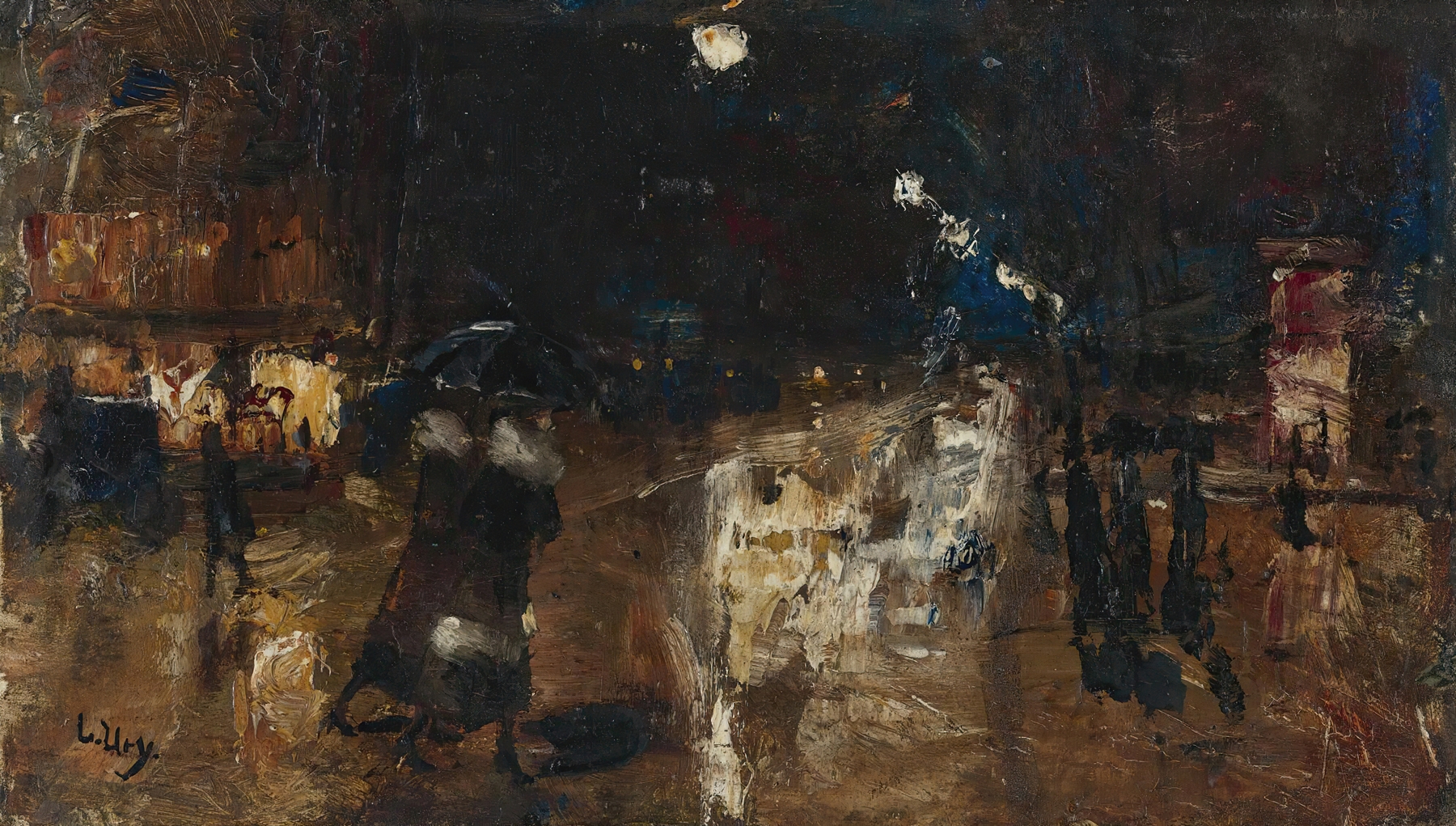
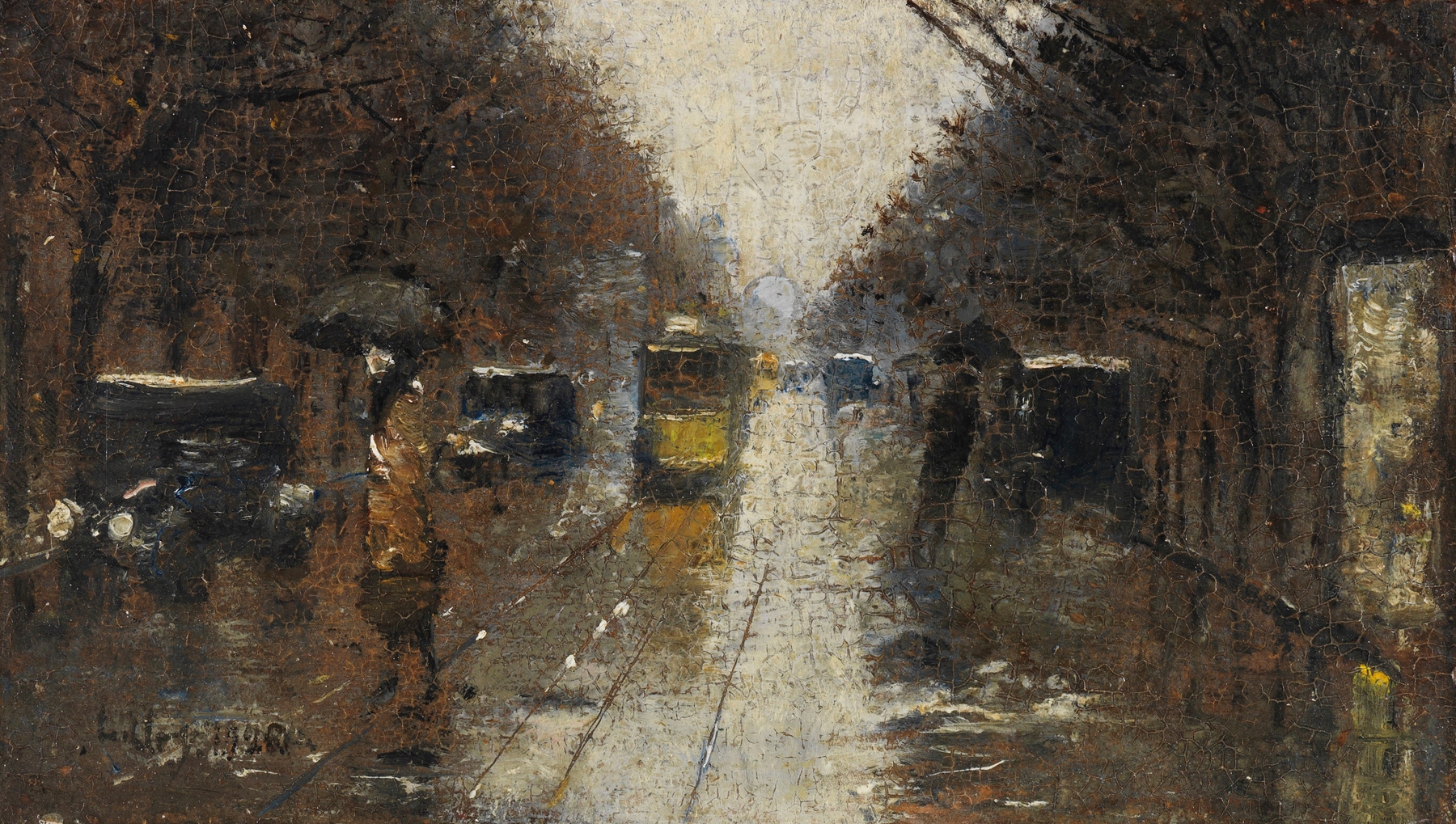
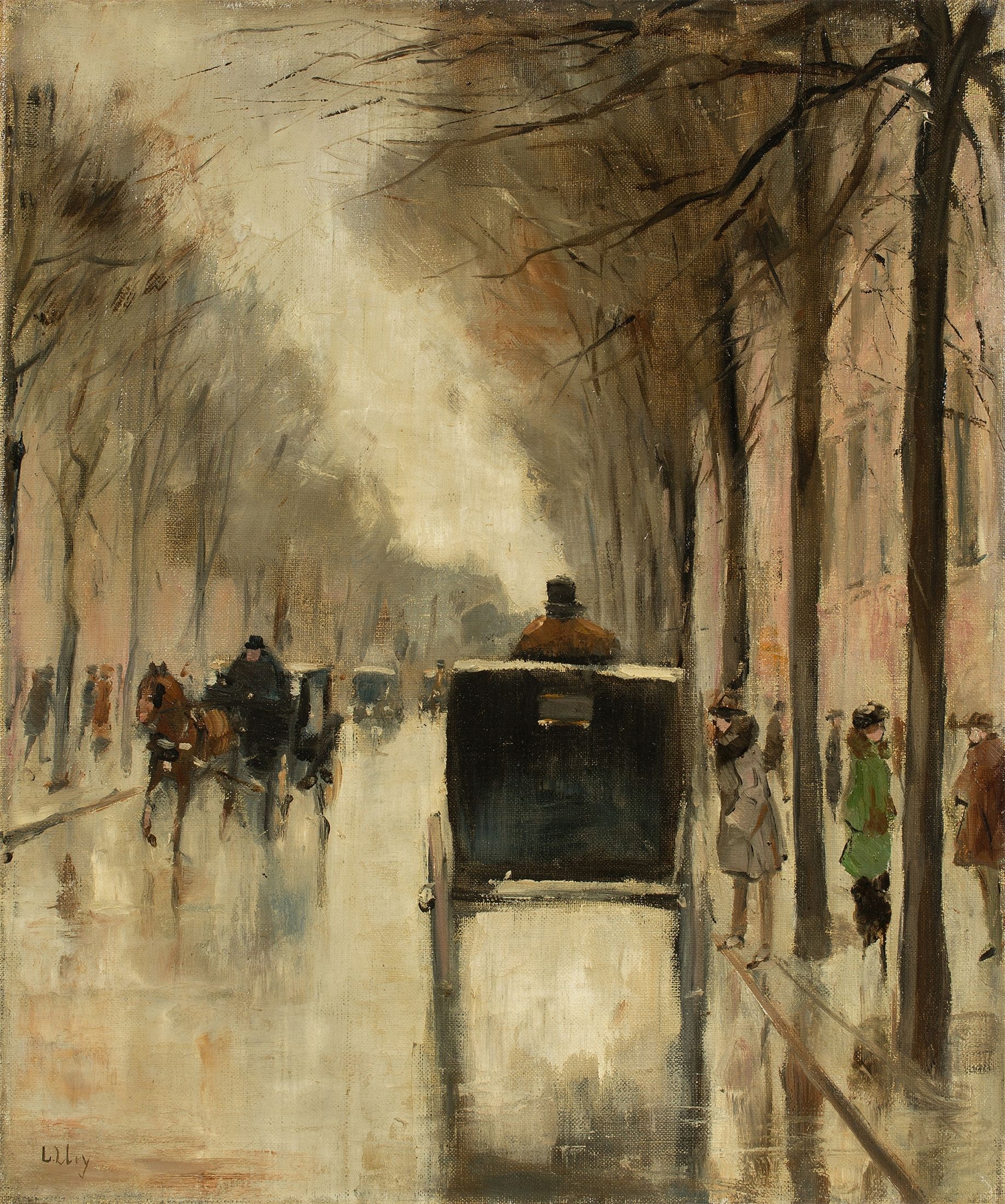
“Every silence here is a confession.” In this quiet moment, a profound melancholy lingers, echoing through the spaces between memories and modernity. Look to the center of the canvas where the Brandenburger Tor stands in stoic glory, its majestic columns bathed in a soft, muted light. The surrounding structures melt into the background, rendered in gentle strokes that blur the lines between reality and reverie. Warm hues of ochre and gray imbue the scene with a sense of nostalgia, drawing you into a tranquil yet poignant reflection on time.
As you explore, note the delicate play of shadows, which hint at unseen stories tucked away in the recesses of the urban landscape. The faint silhouettes of passersby, though understated, resonate with the weight of history, suggesting a connection to the past that is both tender and tragic. Each element—the timeless architecture, the soft light, the distant figures—evokes an emotional tension, capturing not just a place, but the essence of memory and loss.
Created in 1928, during a period of social and political upheaval in Germany, the artist found himself navigating a world rife with change. Lesser Ury, known for his evocative use of light and atmosphere, painted this piece amidst a revival of interest in the Impressionist techniques, reflecting both his personal artistic evolution and the broader shifts in the art world during the Weimar Republic. As he captured this iconic landmark, he also encapsulated the bittersweet essence of a city at a crossroads, forever altered by the weight of its own history.