Black Lion Wharf — History & Analysis
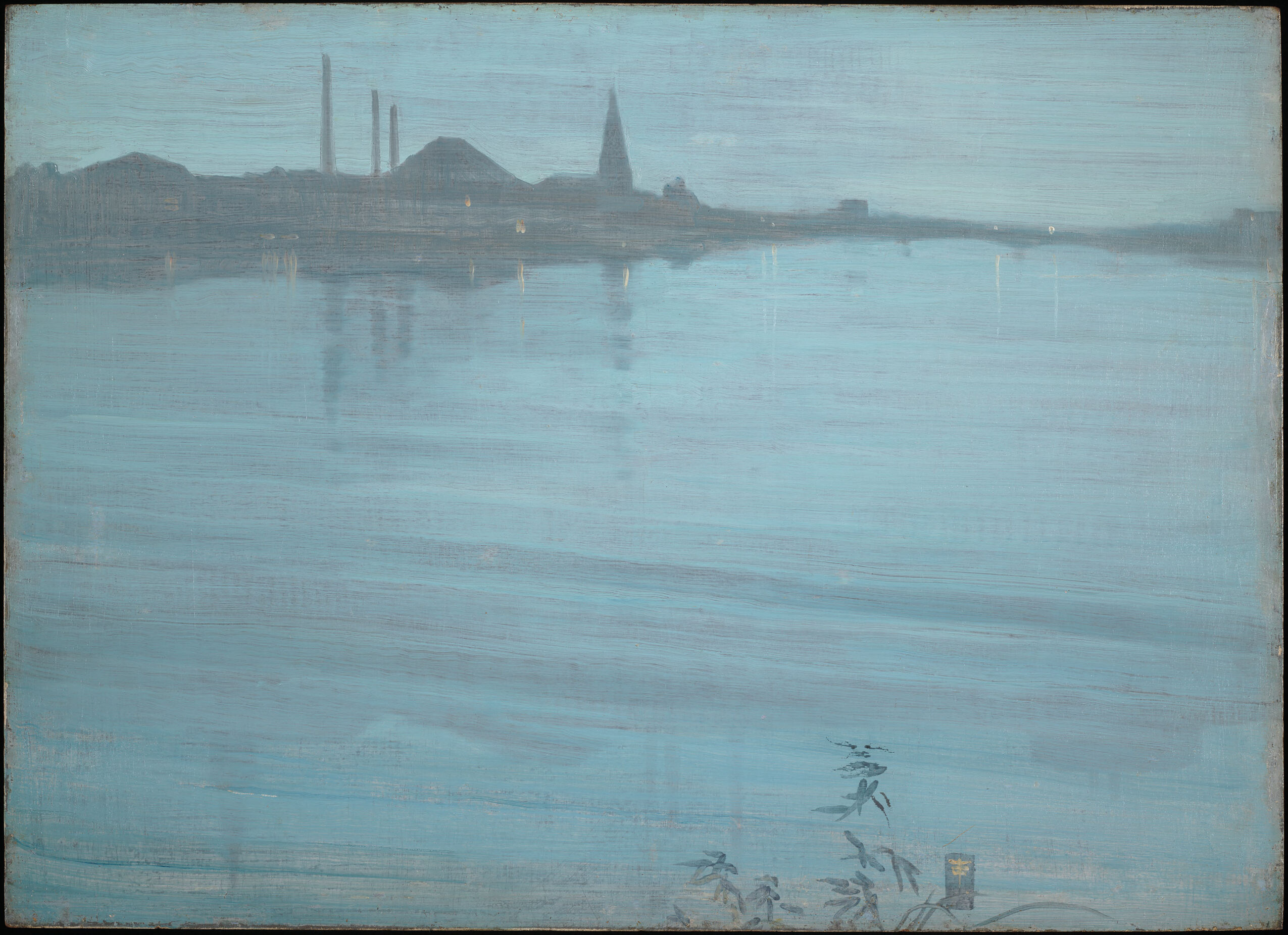
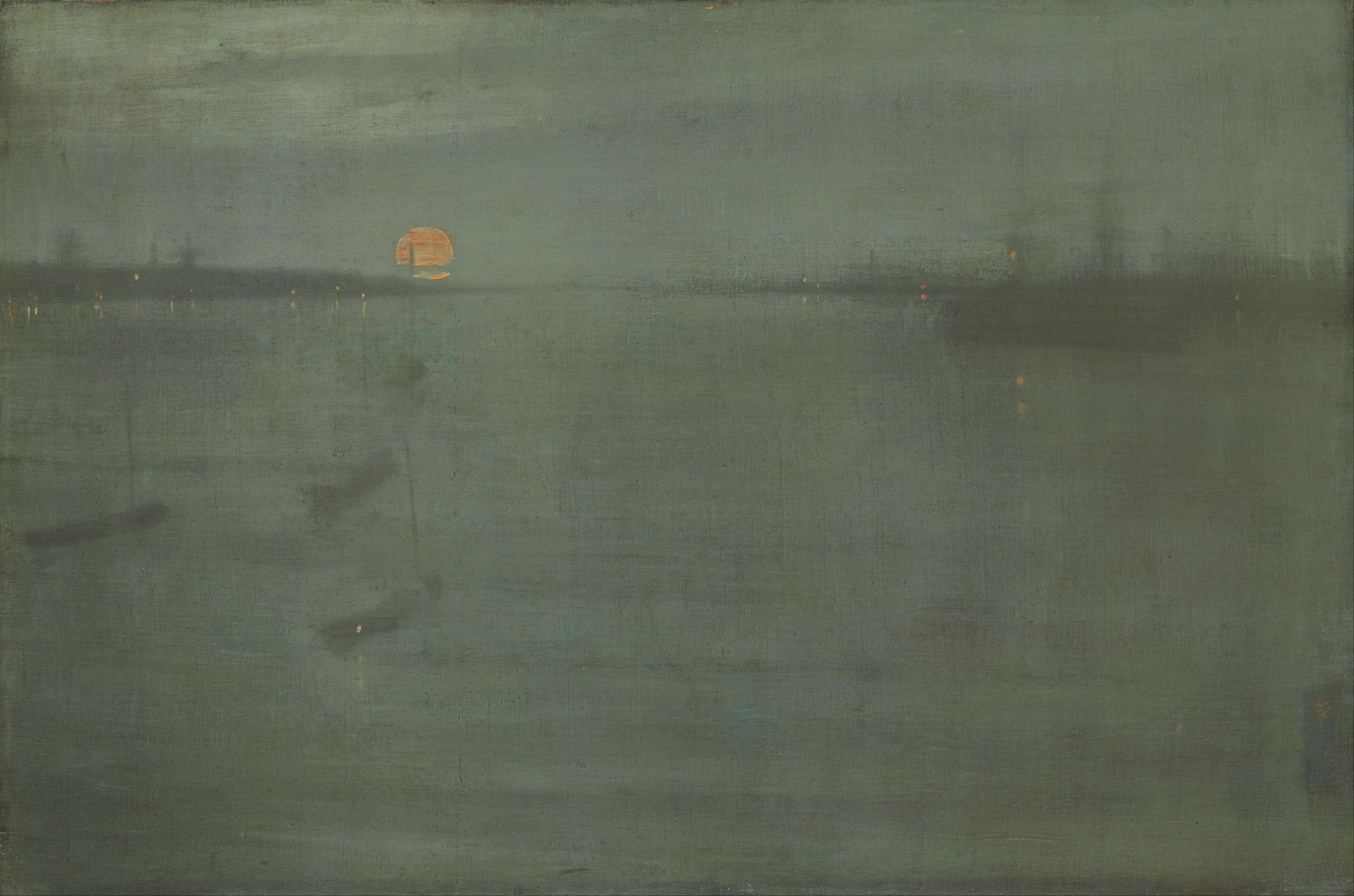
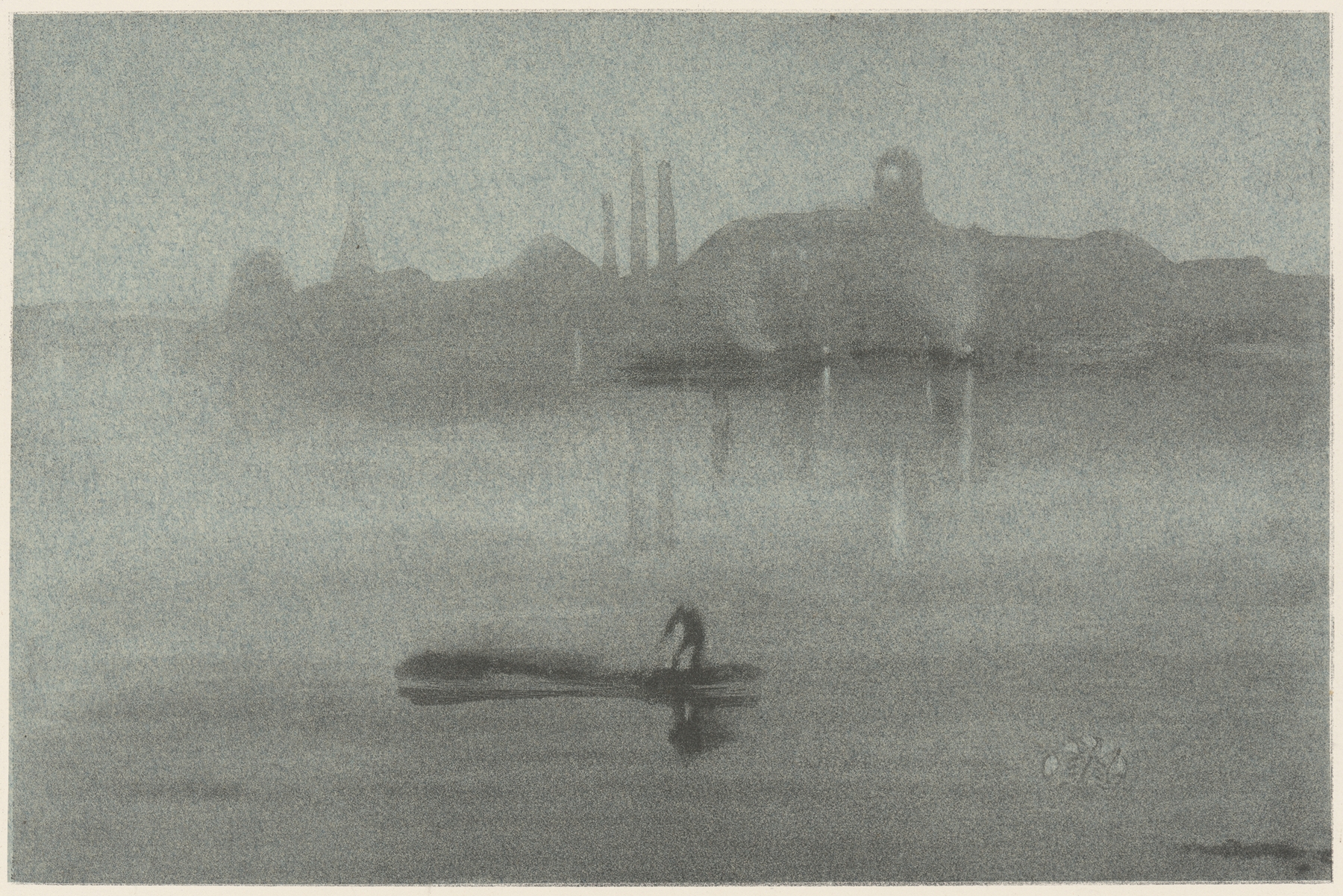
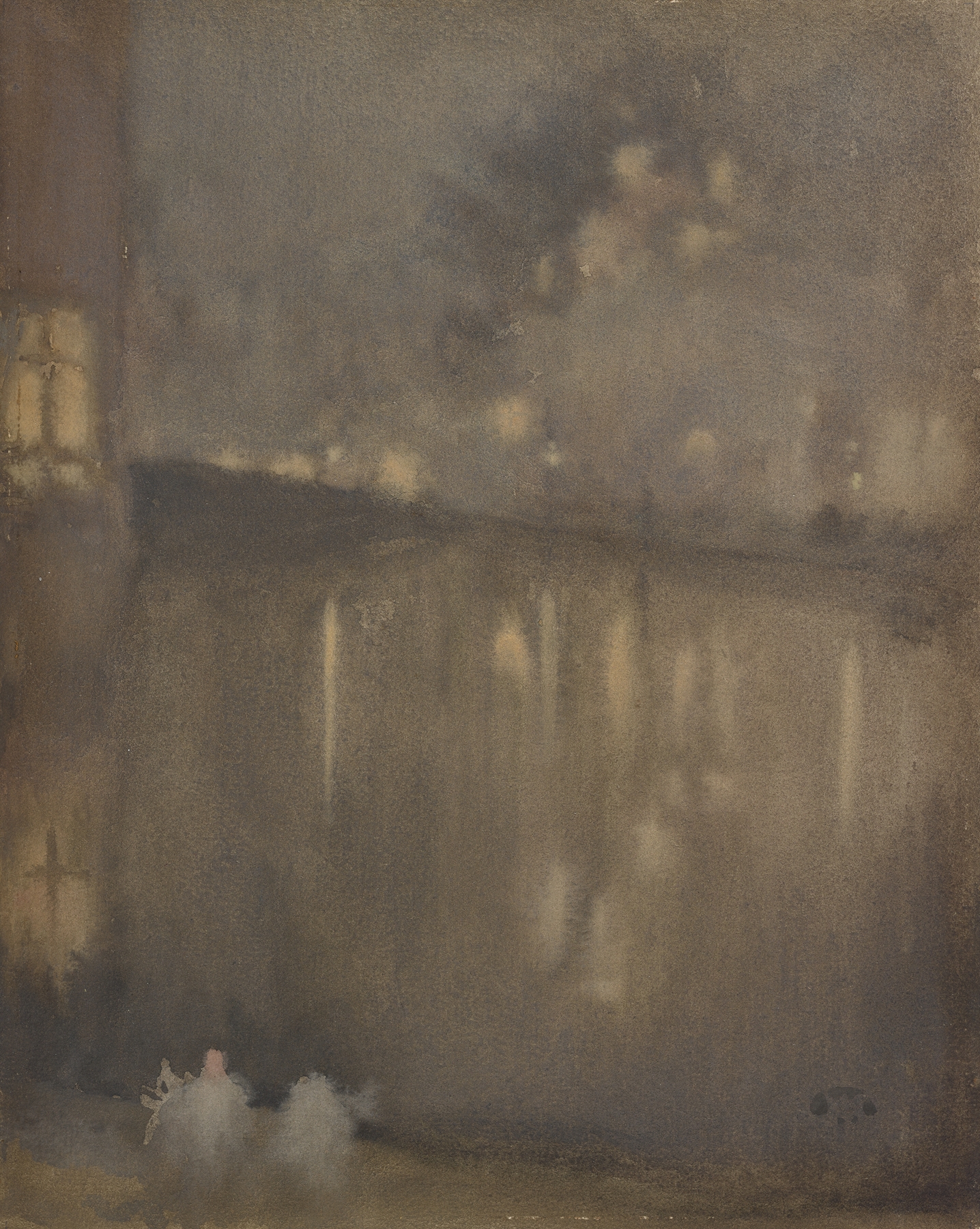
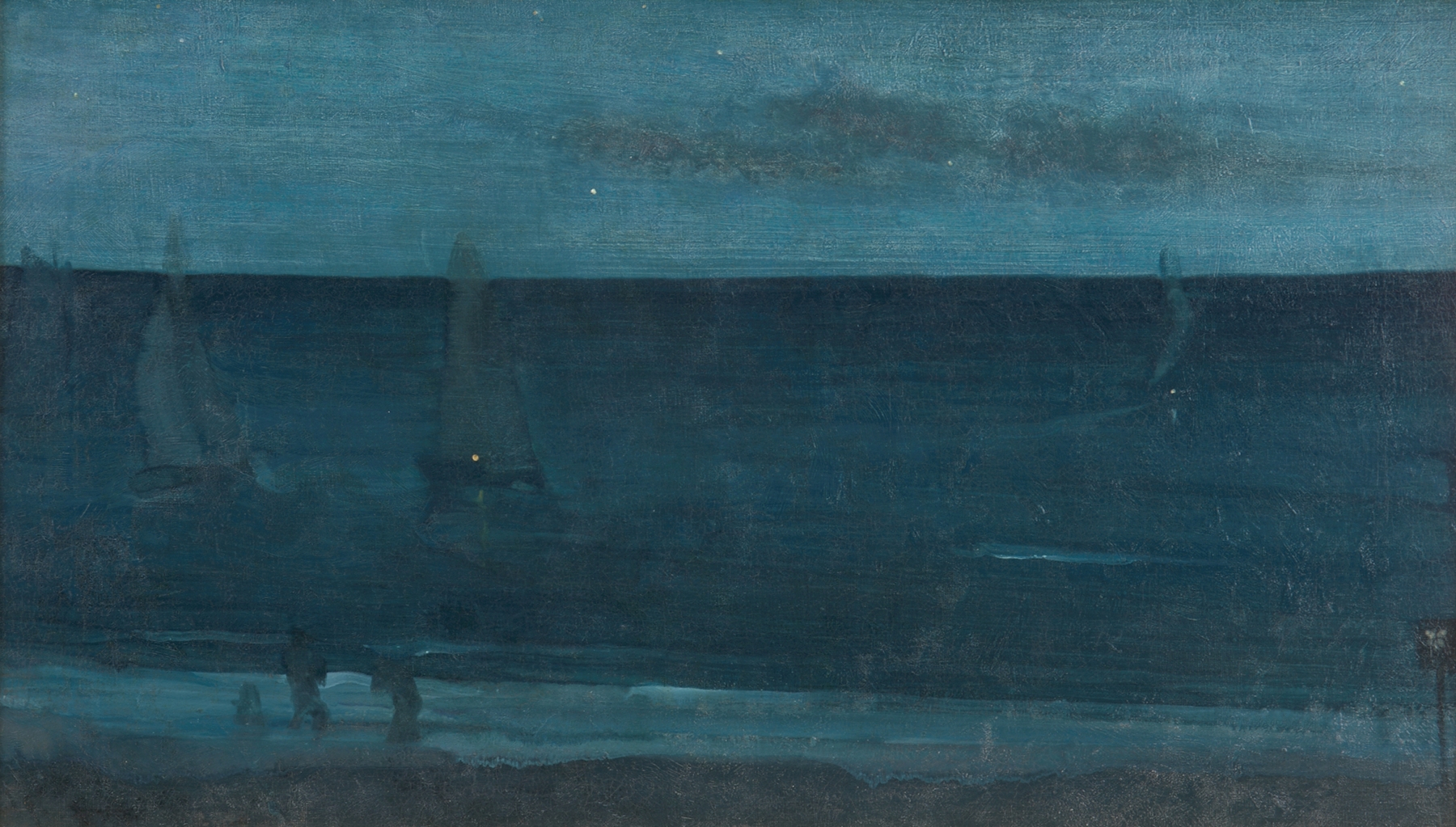
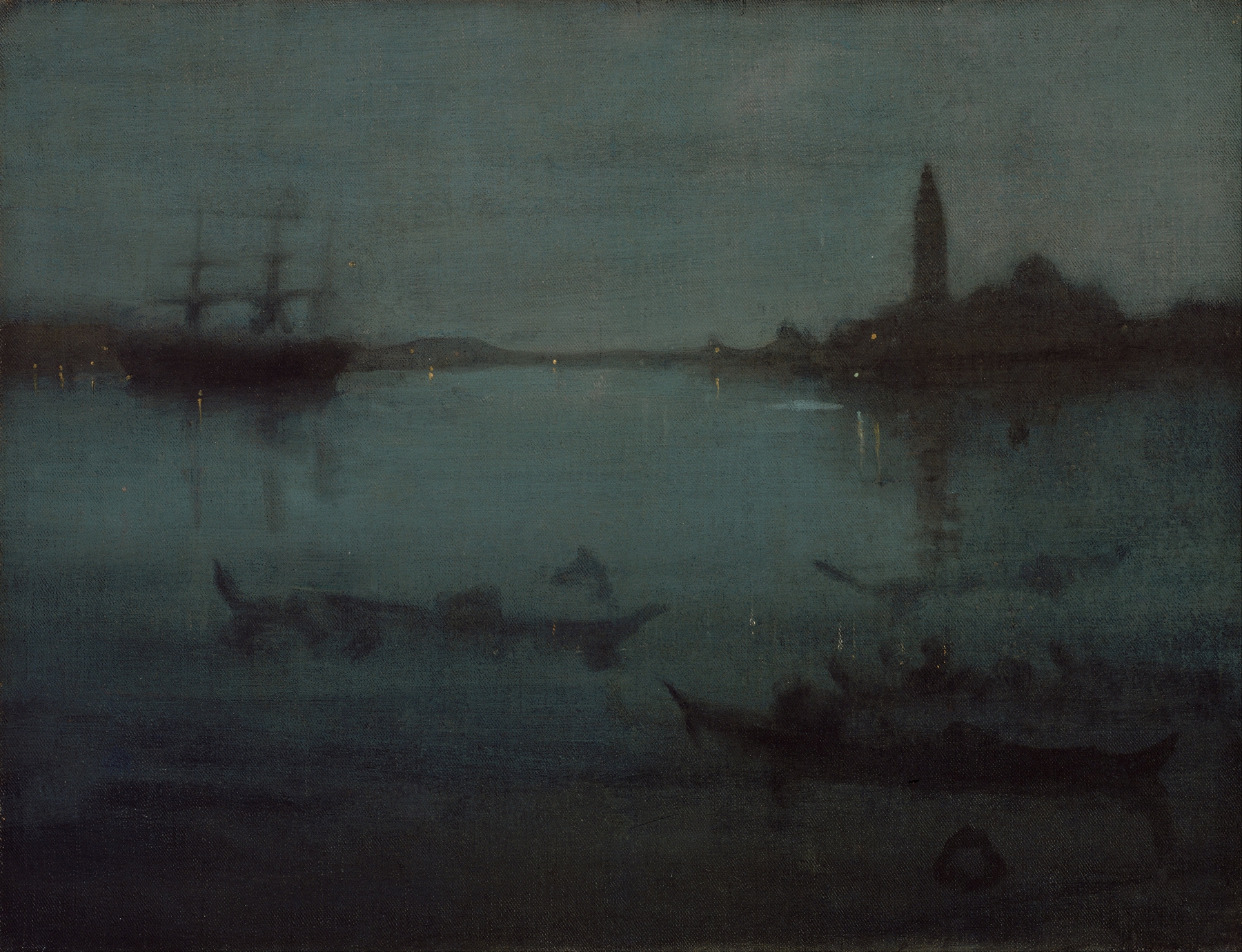
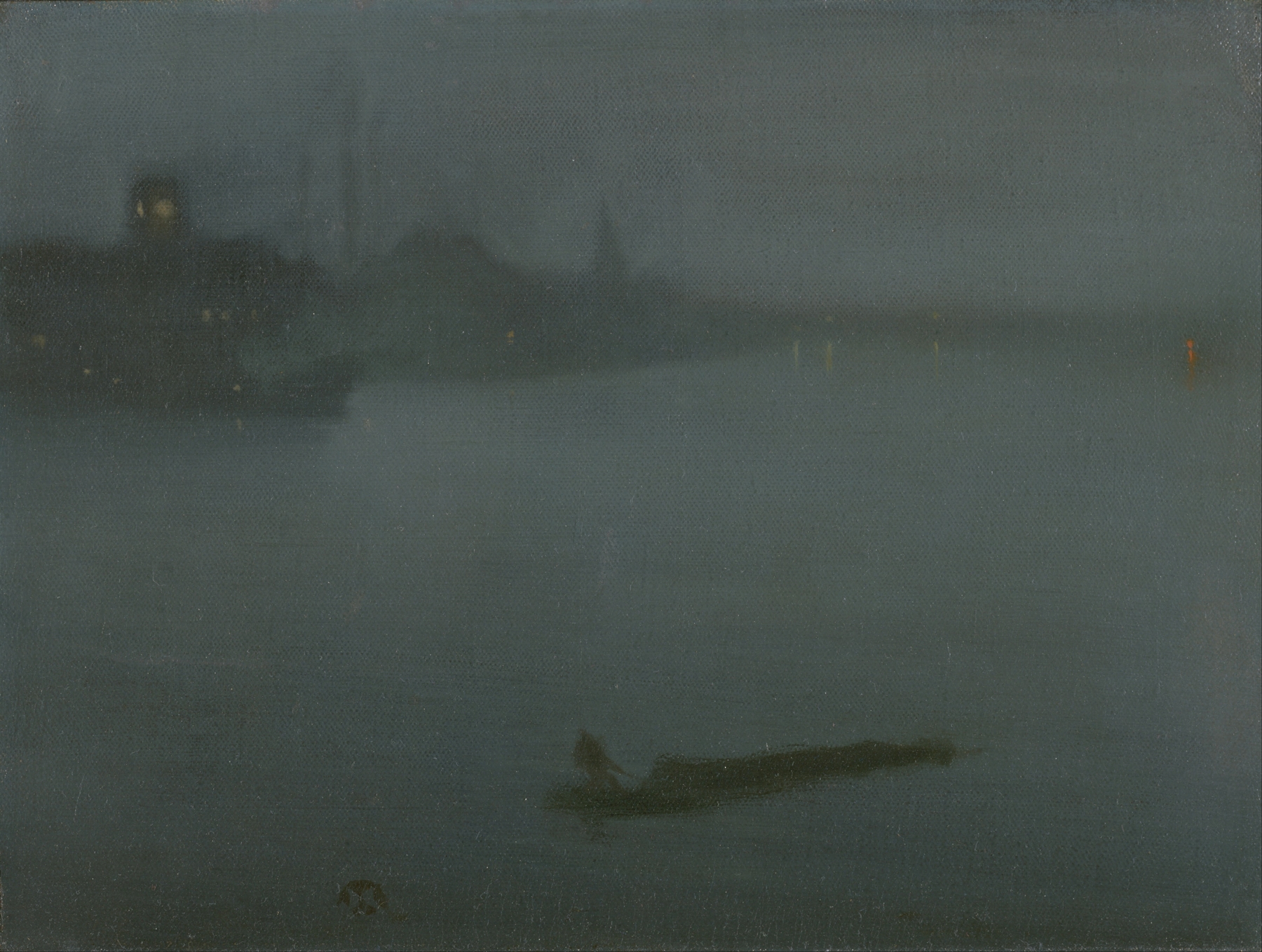
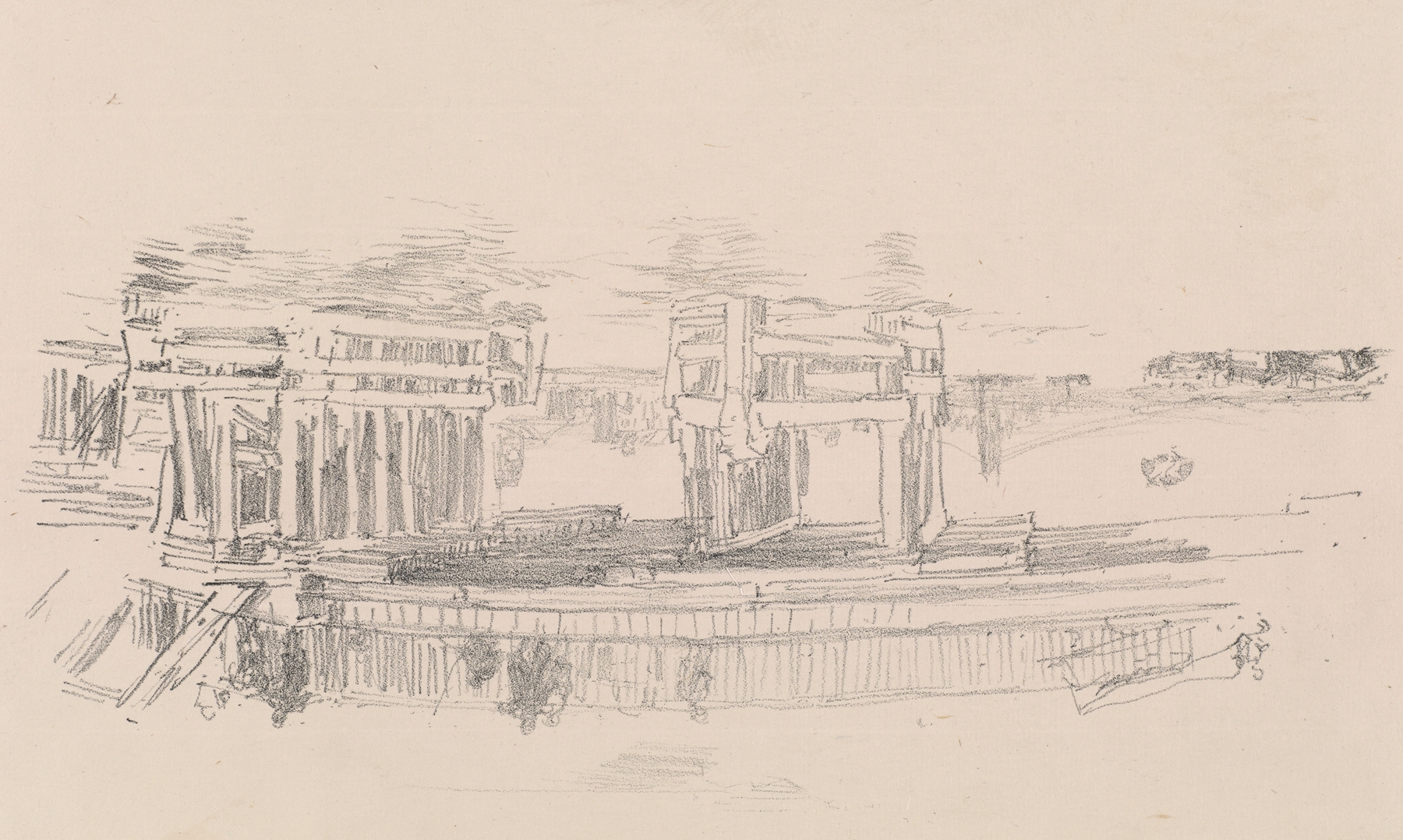
Where does light end, and longing begin? The silence of the night whispers secrets held within the depths of Black Lion Wharf, a canvas that embodies both the palpable stillness of water and the unspoken yearnings of the human soul. Look to the center where the darkened silhouettes of boats emerge from the murky waters, their forms softened by the gentle embrace of twilight. Notice how the subtle gradients of blue and gray blend seamlessly, creating a dreamlike atmosphere.
The delicate brushwork captures the shimmer of moonlight on the water’s surface, while the stark contrasts between shadow and light draw the viewer’s eye deeper into the scene, evoking a sense of contemplation and tranquility. Beyond its serene exterior, the painting hints at the complexities of existence. The quiet boats suggest solitude, while the distant buildings loom like unfulfilled aspirations. This juxtaposition evokes a poignant tension between the serenity of the natural world and the restless desires of urban life.
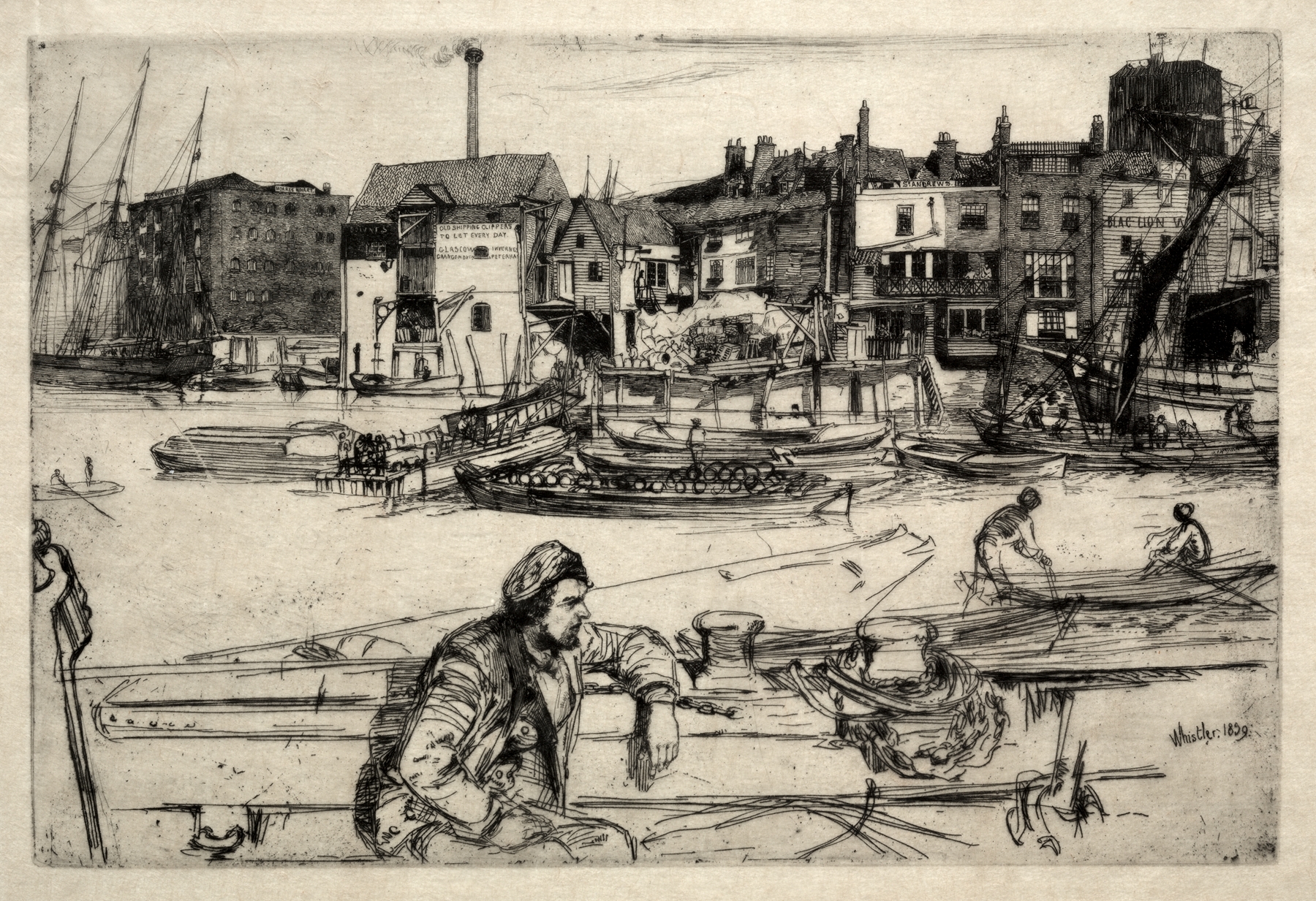
Whistler’s skillful use of color and light amplifies this feeling, inviting onlookers to reflect on their own inner landscapes amidst the silence depicted. In 1859, Whistler was living in London, navigating the complexities of an evolving art scene. It was a time of experimentation and shifting ideals as artists began breaking away from traditional academic styles. Black Lion Wharf serves as a significant point in his career, showcasing his developing mastery of tone and atmospheric effect, while also aligning with the broader aesthetic movements of the era.