Blekerijen achter een vaart — History & Analysis
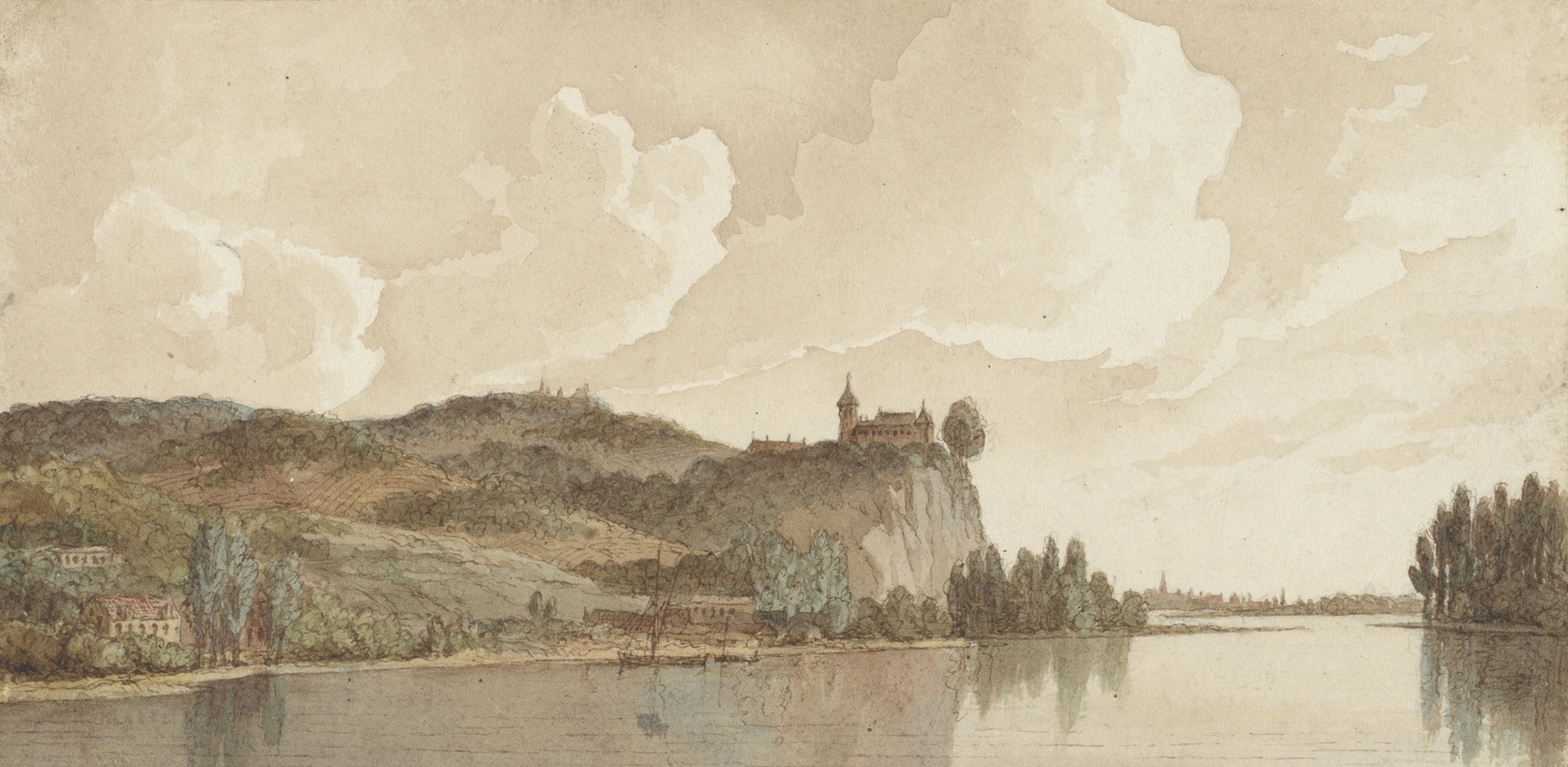
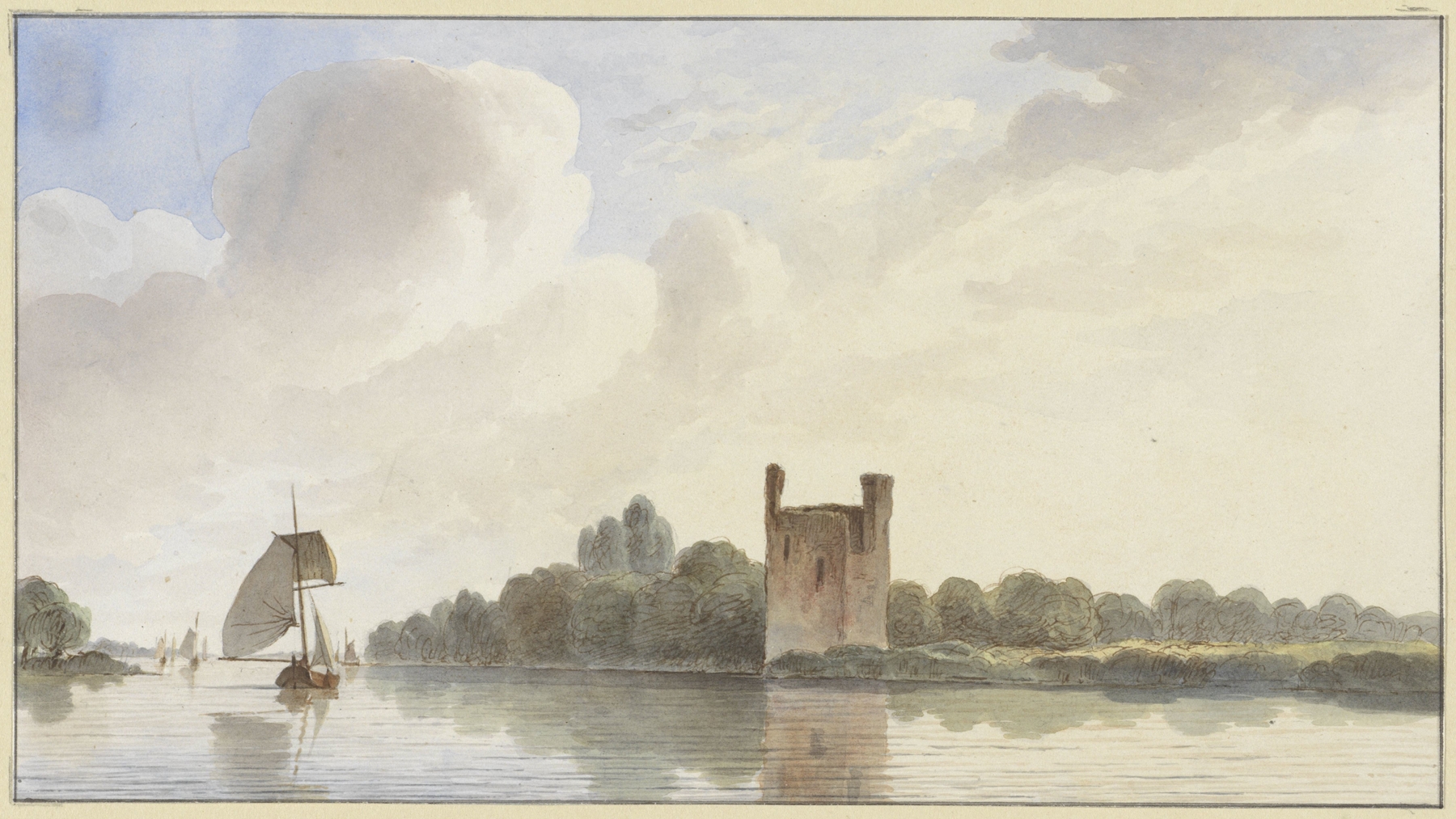
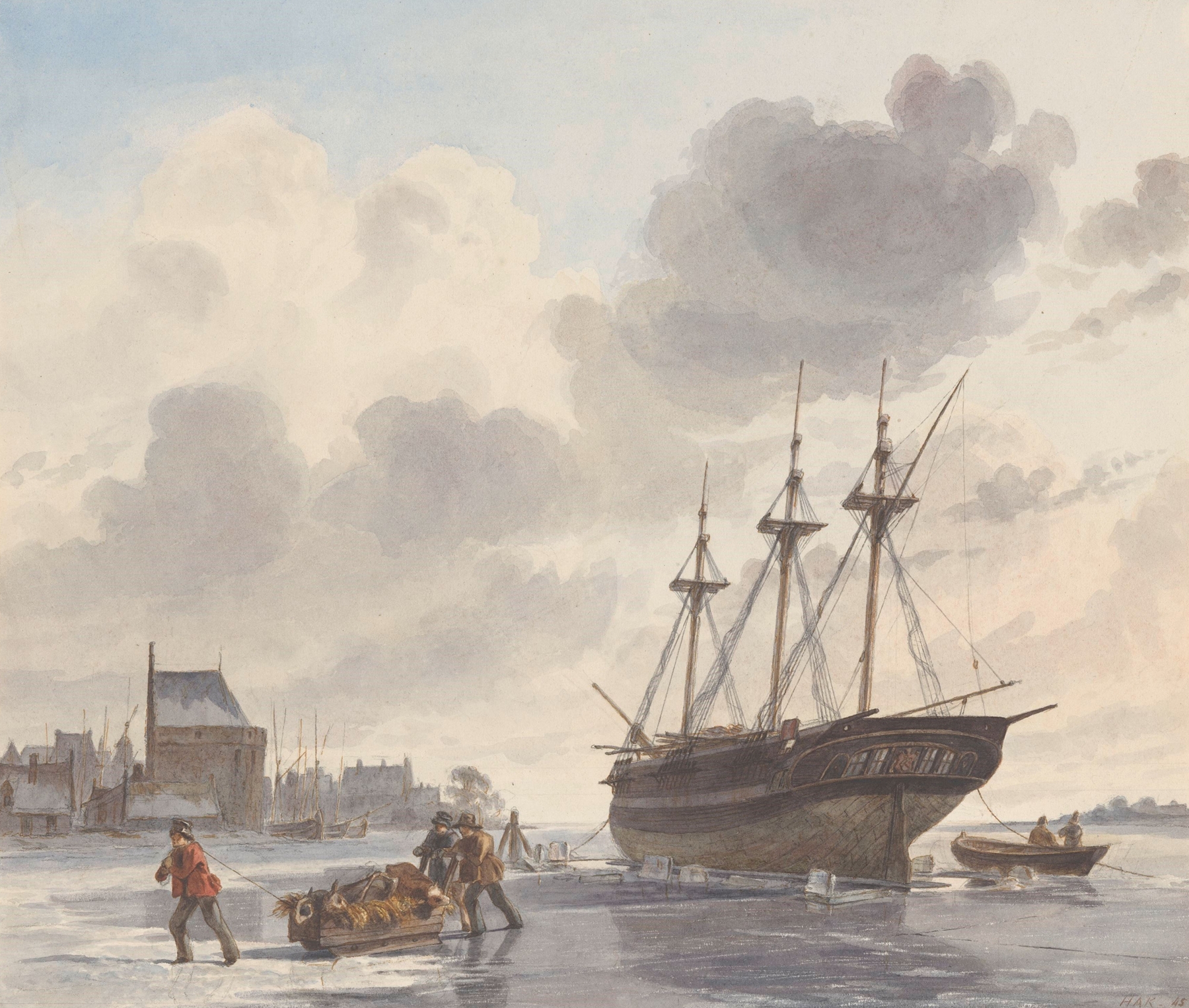
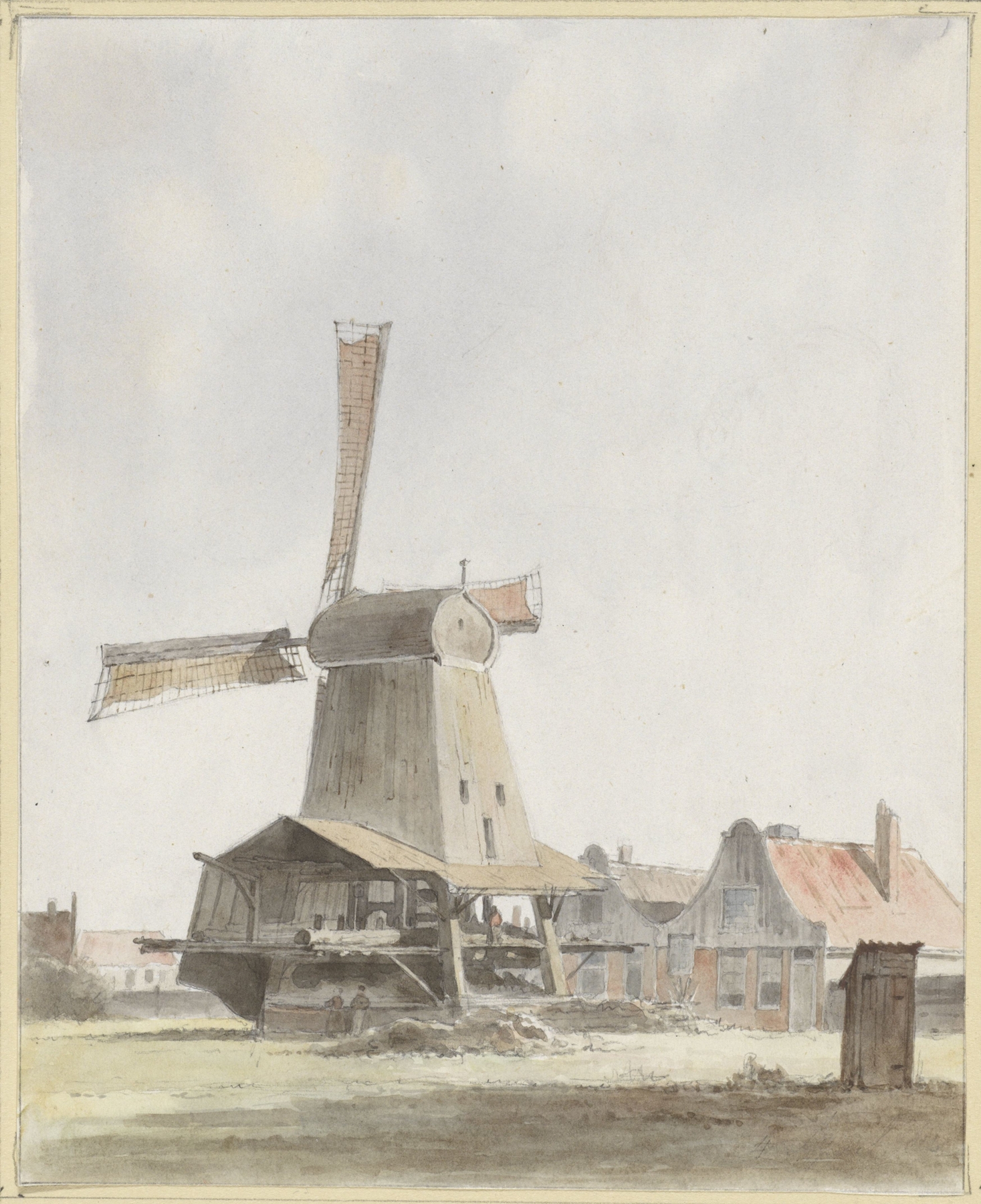
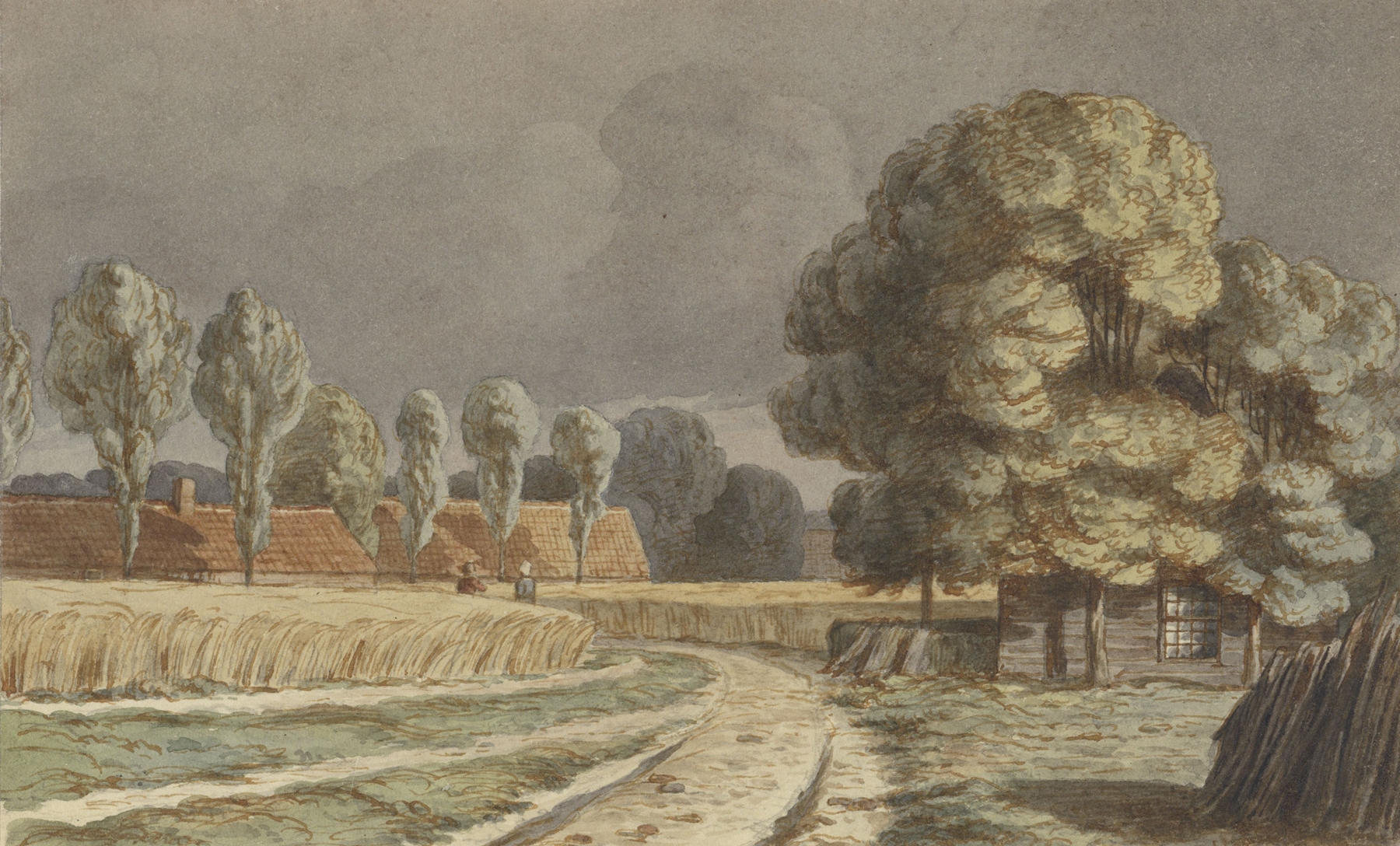
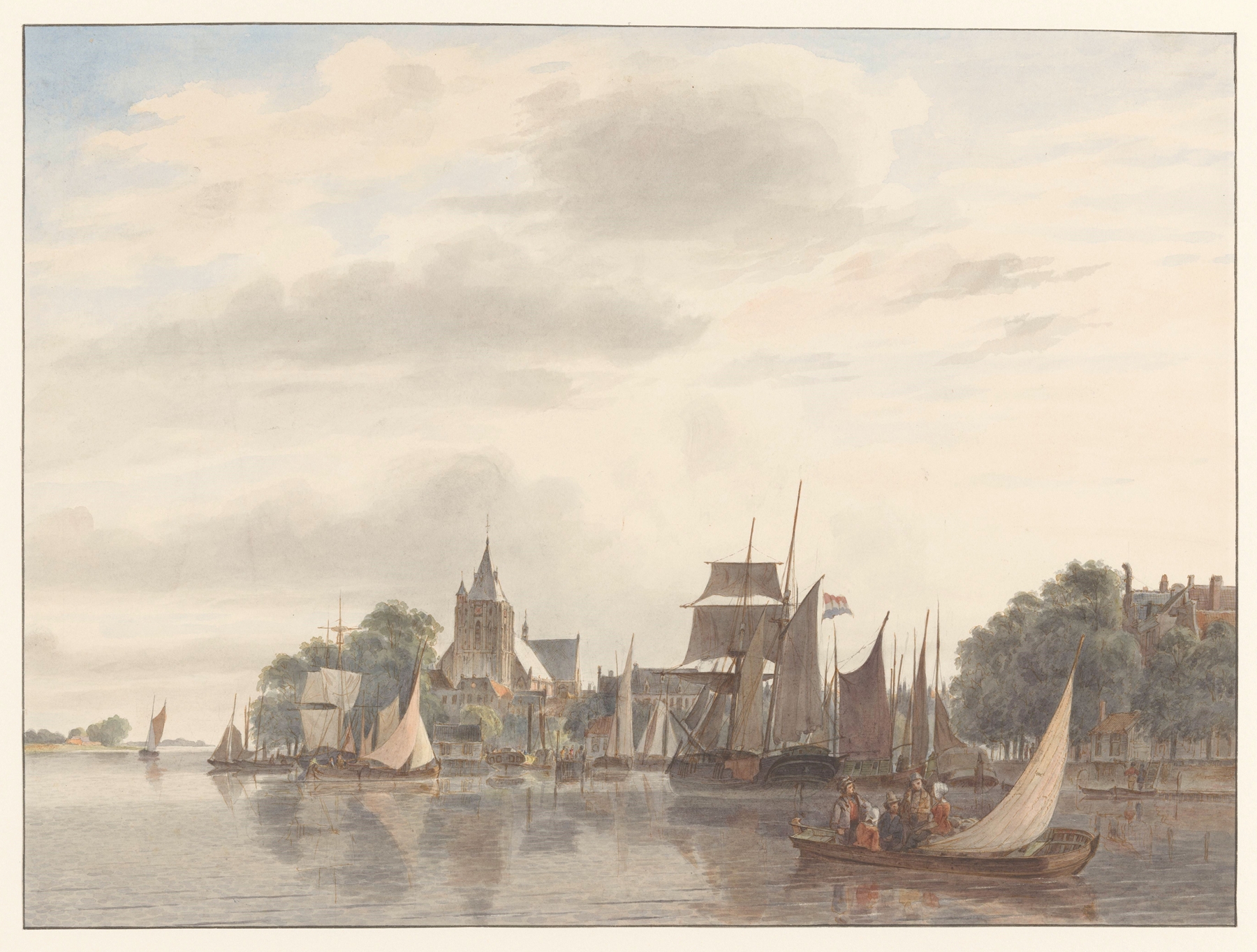
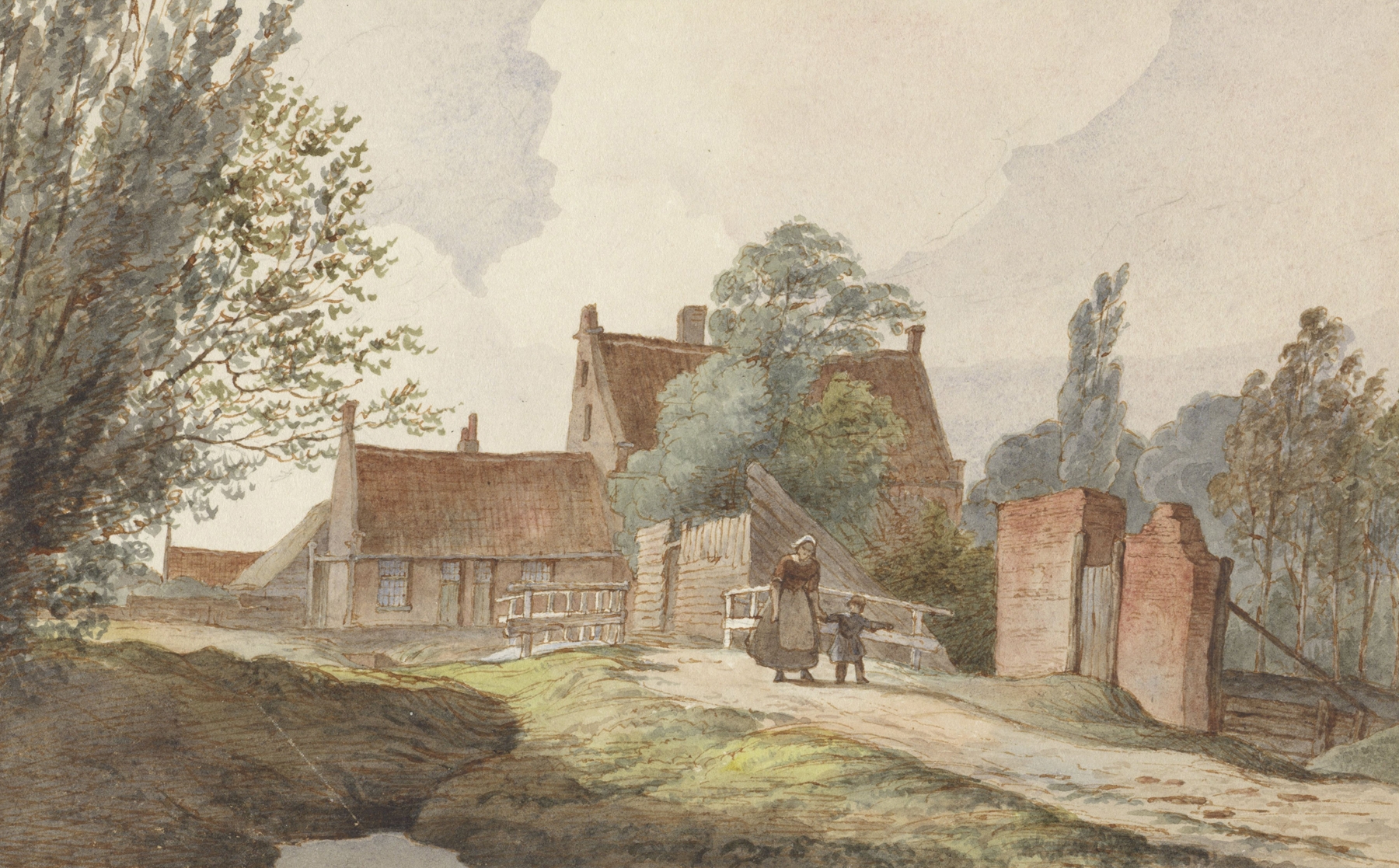
Did the painter know this moment would outlive them? In Blekerijen achter een vaart, the stillness of an ordinary scene speaks of a deep yearning, echoing across time and space. Focus on the right side of the canvas, where the gentle curve of a waterway invites your gaze. The painter’s delicate brushwork captures the shimmering surface reflecting the muted hues of a cloudy sky. The bleakeries—structures used for drying and processing flax—stand stoically, bathed in soft light that imbues the scene with a sense of tranquility.
Notice how the subtle shades of green and brown weave together, grounding the image in the natural landscape and enhancing the feeling of simplicity and harmony. Yet, as you linger, a deeper longing resonates beneath the surface. The stillness of the scene evokes a sense of time suspended, as if the viewer is caught between the present and a distant past. The bleakeries, while functional, symbolize a connection to a bygone era, echoing the lives and labor that once filled these spaces with purpose.
The juxtaposition of the serene waterway and the silent buildings captures a tension between nature and industry, tranquility and toil. Hendrik Abraham Klinkhamer painted Blekerijen achter een vaart in the early 19th century, a period of significant transformation in the Netherlands. Living in a time when industrialization began to alter the landscape, he sought to document and preserve these fleeting moments of rural life. Klinkhamer’s reflections on his surroundings contribute profoundly to the artistic dialogue of the time, bridging the gap between tradition and the emerging modern world.