Rivierlandschap met Chokier aan de Maas — History & Analysis
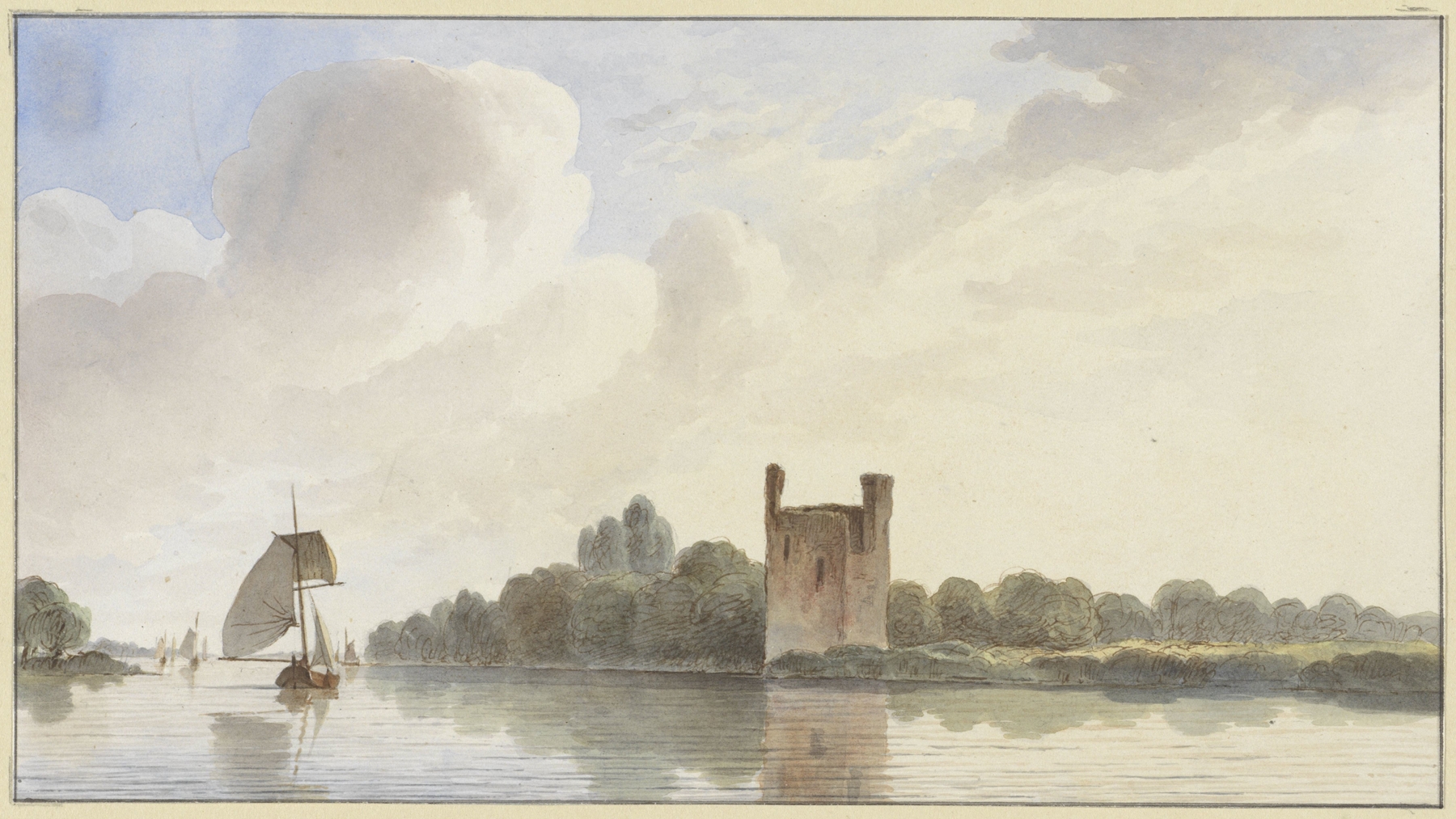
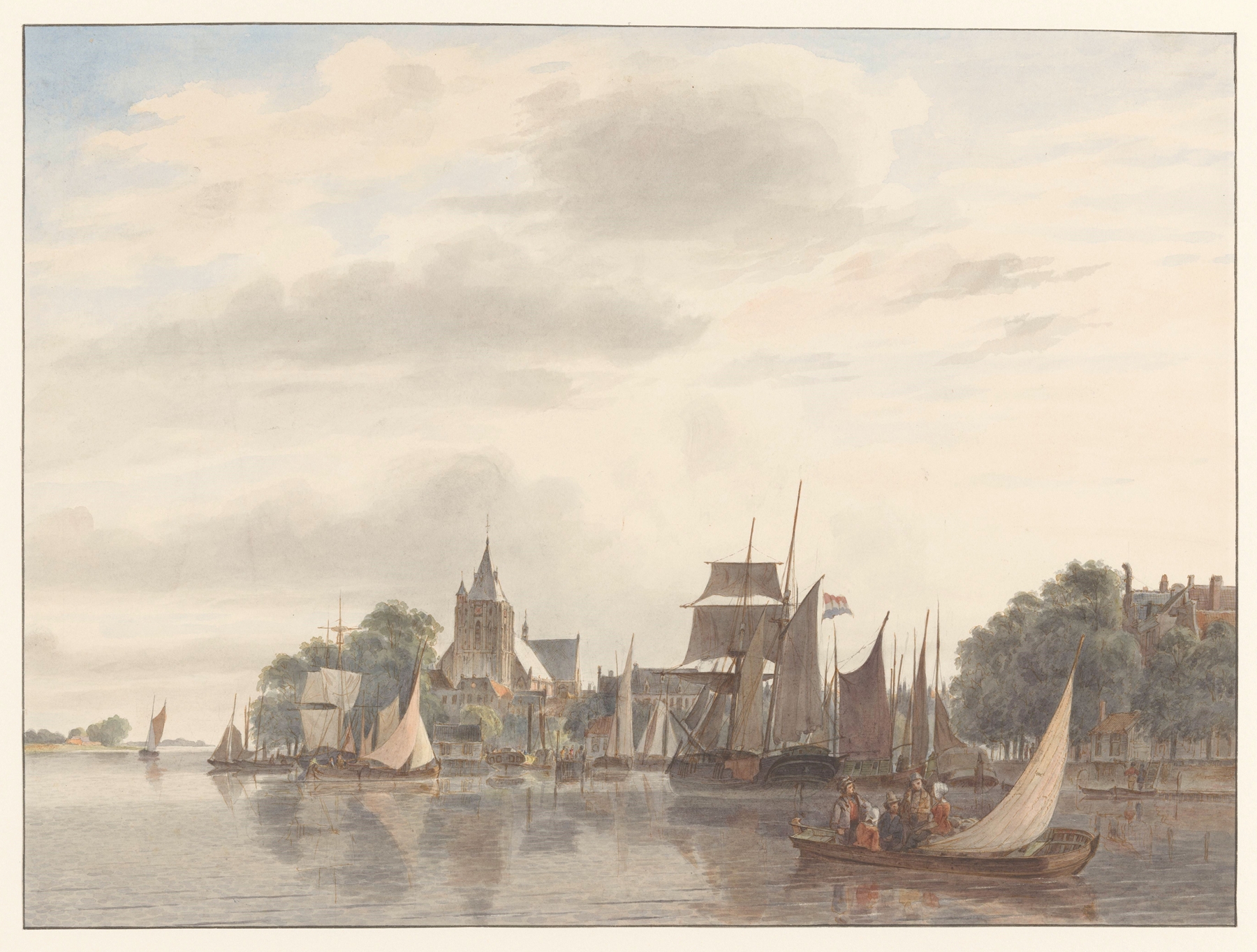
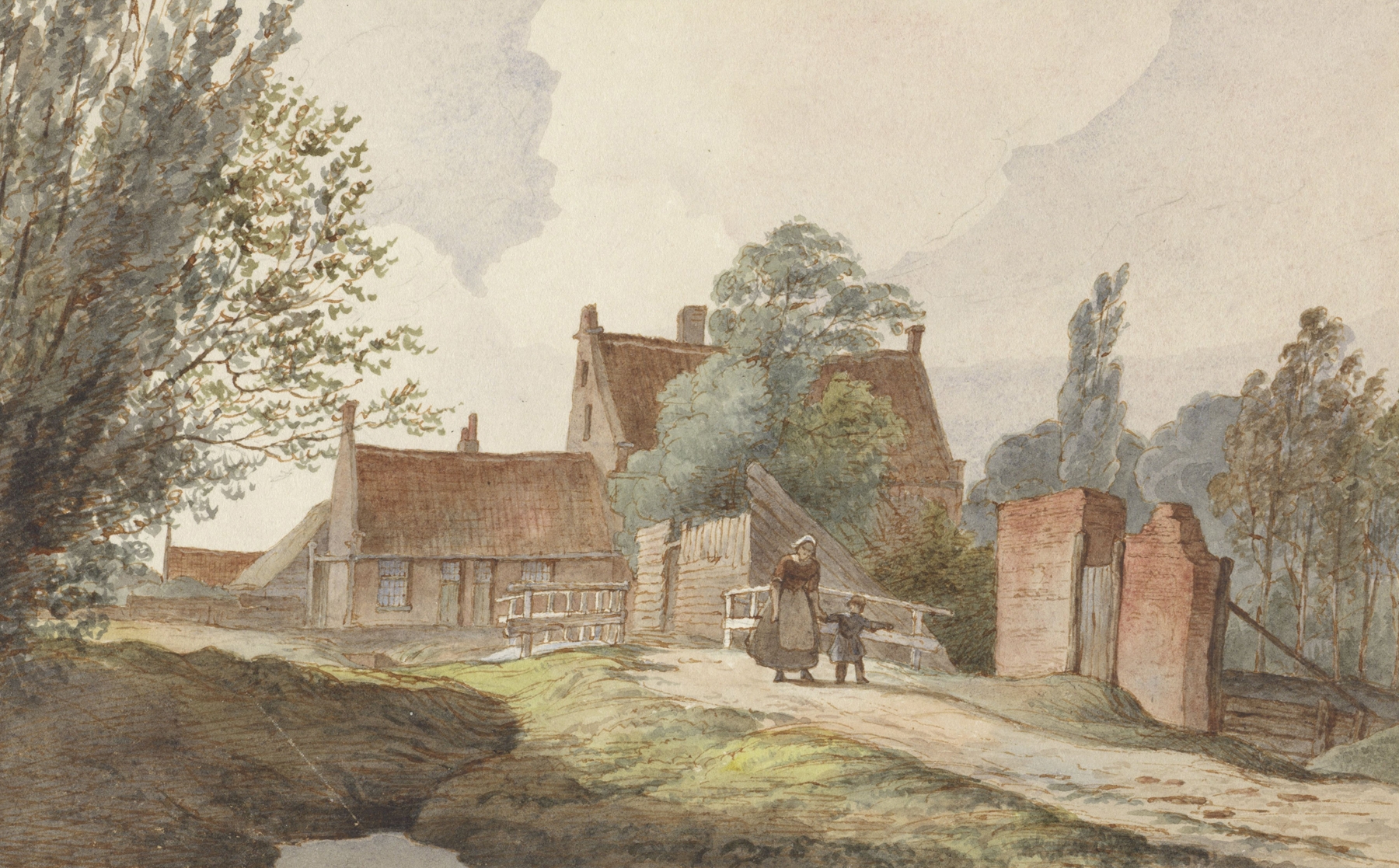
Could a single brushstroke hold eternity? In Rivierlandschap met Chokier aan de Maas, beauty intertwines with nature, inviting contemplation of the ephemeral and the eternal within the world around us. Focus on the gentle undulations of the landscape, where greens and browns meld seamlessly beneath a tranquil sky. Look to the left, where a distant figure, perhaps a shepherd or a laborer, stands near the water’s edge, embodying a sense of solitude that resonates with the viewer.
Notice the meticulous brushwork that defines the ripples of the Maas River, as well as the delicate play of light reflecting on its surface, creating a sense of movement amidst the stillness of the scene. Each stroke is intentional, and the earthy palette conveys both tranquility and depth, drawing you into this serene moment. As you observe the painting, consider the contrast between the vibrant life of nature and the solitary figure, suggesting a deeper narrative of human existence within a vast, indifferent landscape. The quietude evokes a feeling of isolation, yet the lush surroundings foster a sense of connection to the earth.
This juxtaposition reflects the artist's exploration of beauty not just as a visual spectacle but as an emotional experience that reminds us of our place within the world. Hendrik Abraham Klinkhamer created Rivierlandschap met Chokier aan de Maas between 1820 and 1872, a period marked by profound changes in both Dutch art and society. Residing in the Netherlands during the rise of Romanticism, Klinkhamer embraced the idealization of nature, reflecting contemporary trends that favored emotional depth and the sublime in landscape painting. This work demonstrates his ability to encapsulate beauty while conveying the rich narrative potential of the natural world.