Houtzaagmolen — History & Analysis
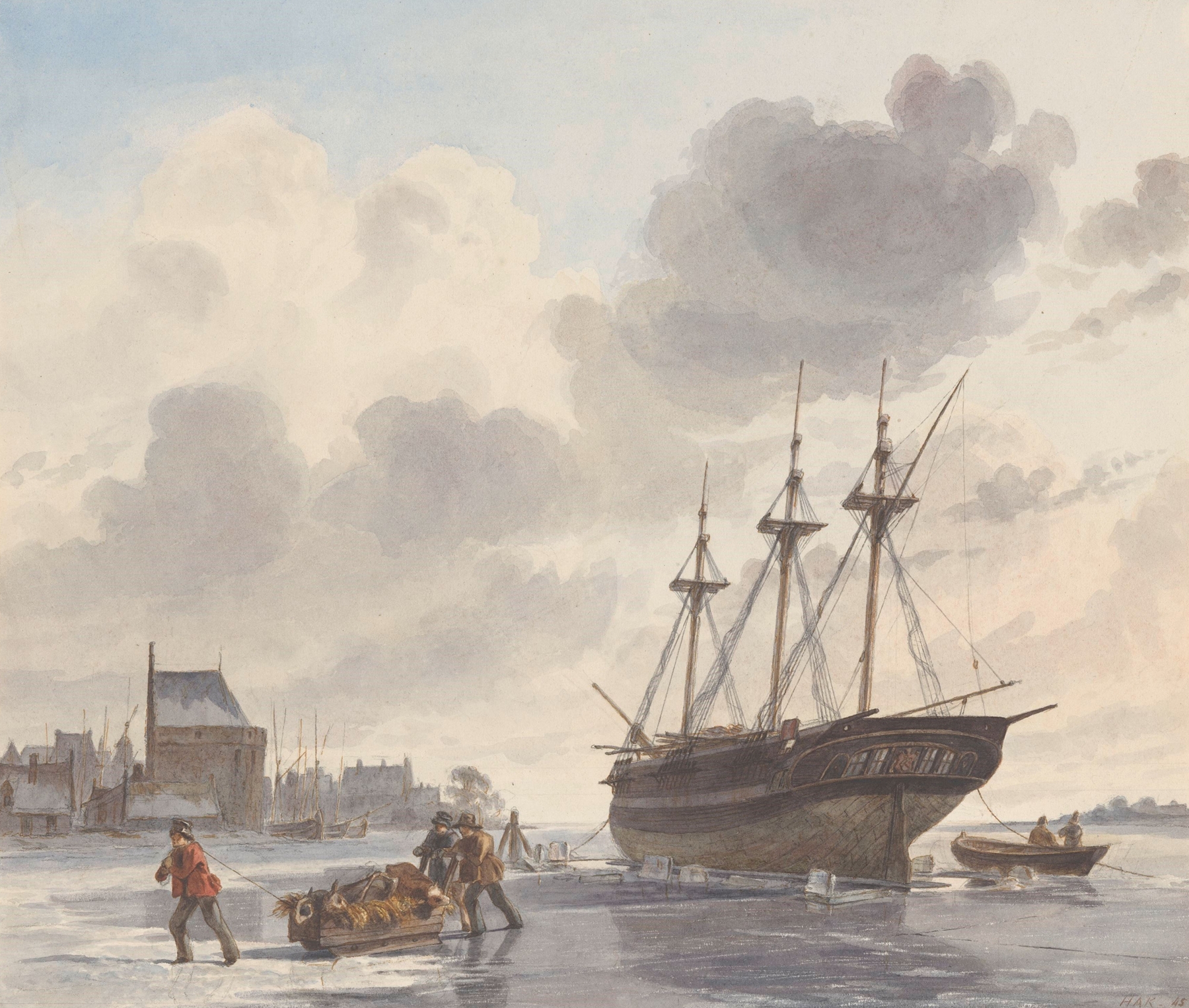
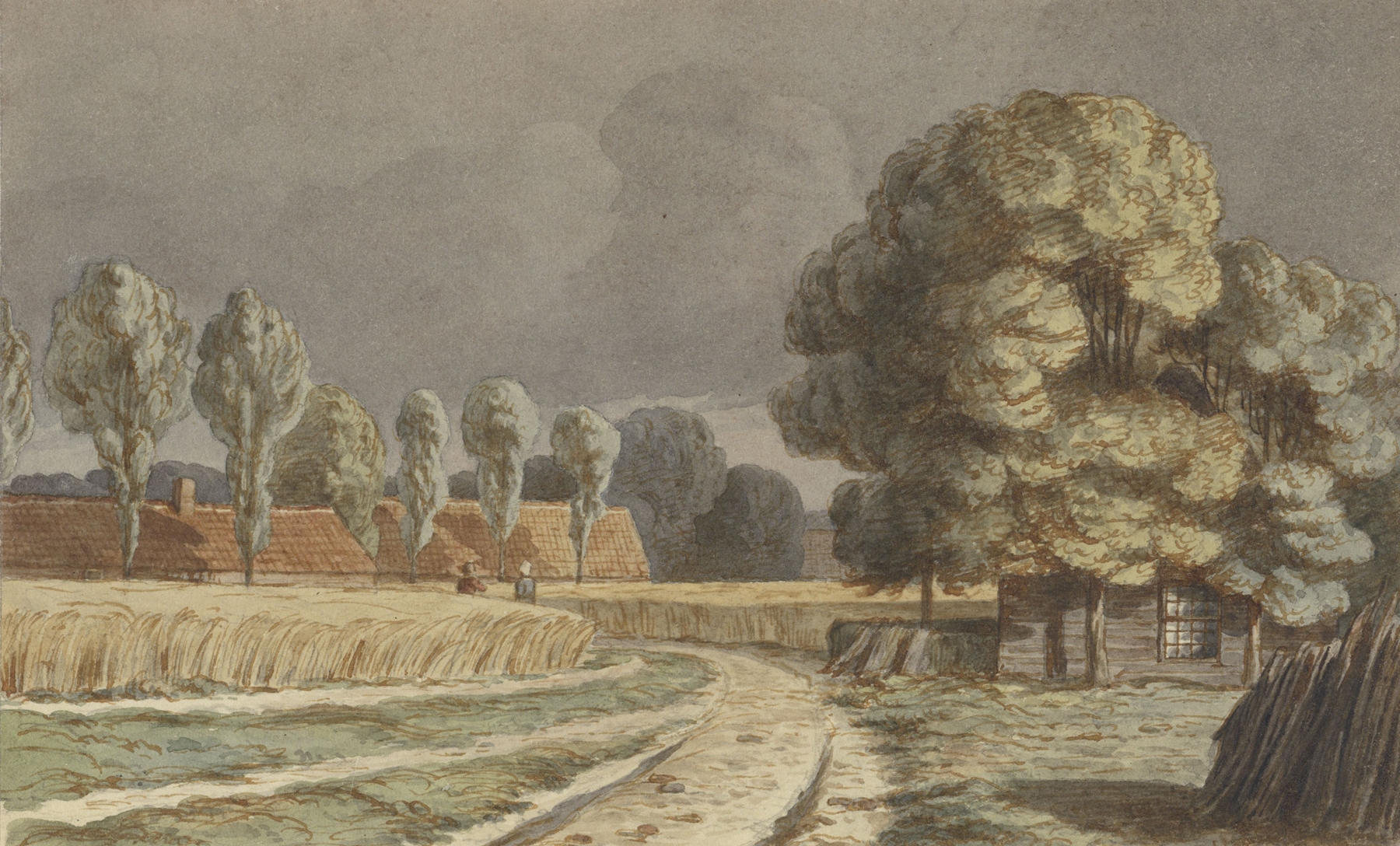
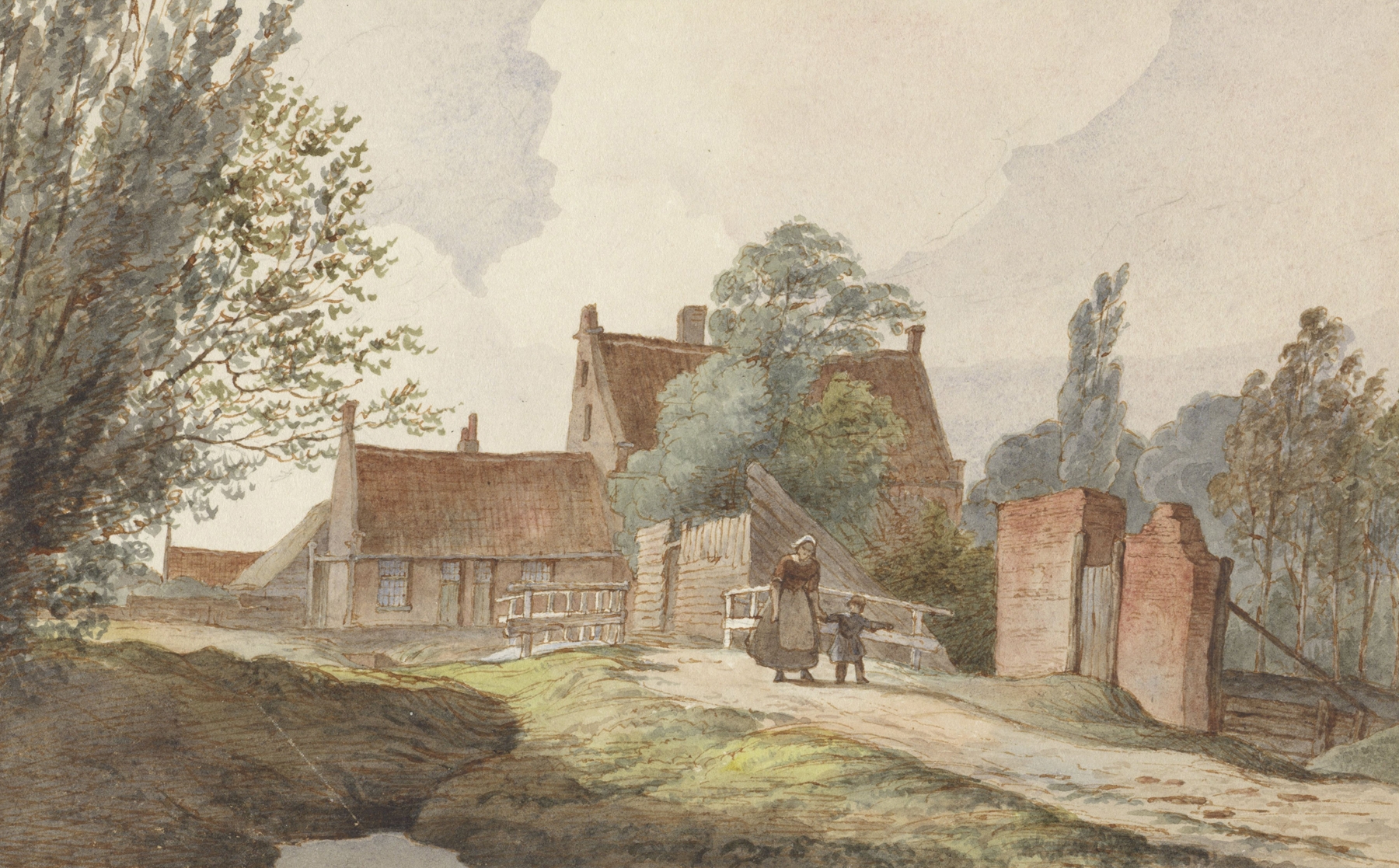
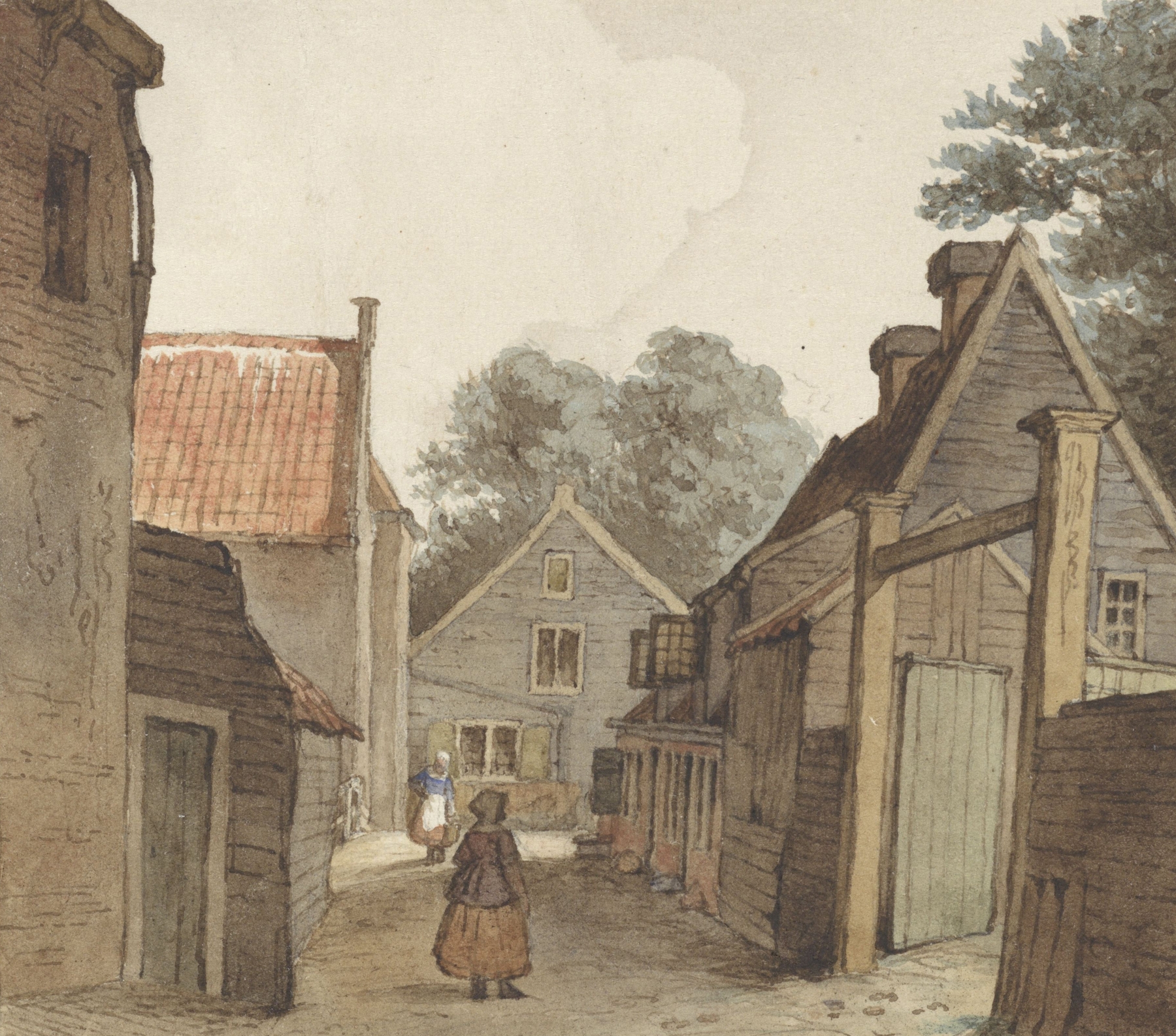
Could a single brushstroke hold eternity? In Hendrik Abraham Klinkhamer’s Houtzaagmolen, the passage of time seems captured within a single moment, revealing the profound beauty of everyday life. Focus on the graceful lines of the windmill that rise against the horizon. The gentle curves of its sails, rendered with soft pastels, draw the eye, while the interplay of light and shadow defines the surrounding landscape. Notice how the emerald fields stretch out, capturing the warmth of late afternoon sun that bathes the scene in golden hues.
Each element harmonizes, creating a tranquil yet vibrant tableau. Hidden beneath the surface lies a tension between nature and industry. The windmill stands as a testament to human ingenuity, yet its towering presence is softened by the surrounding tranquility of the rural setting. Look closely at the tiny figures laboring by the water’s edge; they hint at the relentless cycle of labor and life.
This juxtaposition of activity and serenity invites contemplation about the relationship between man and the landscape he shapes. Created in 1845, Klinkhamer painted this work during a period marked by the burgeoning Industrial Revolution. The Netherlands was experiencing significant changes as agriculture and technology began to intertwine. Klinkhamer, influenced by his contemporaries, sought to capture not just a scene, but the delicate balance between progress and the natural world, a theme that resonates deeply in this evocative piece.