Schip in het ijs op een rivier bij een stad — History & Analysis
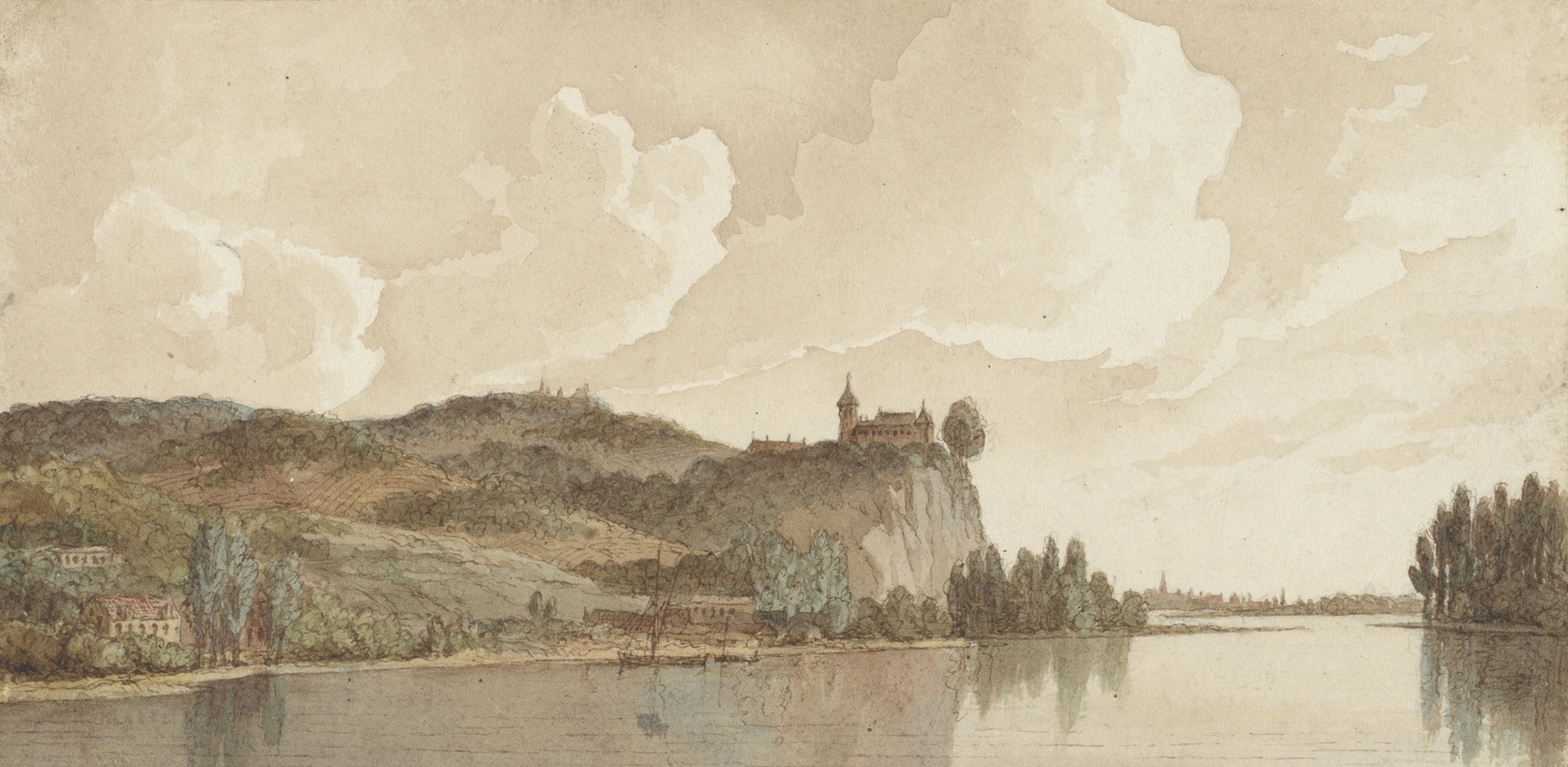
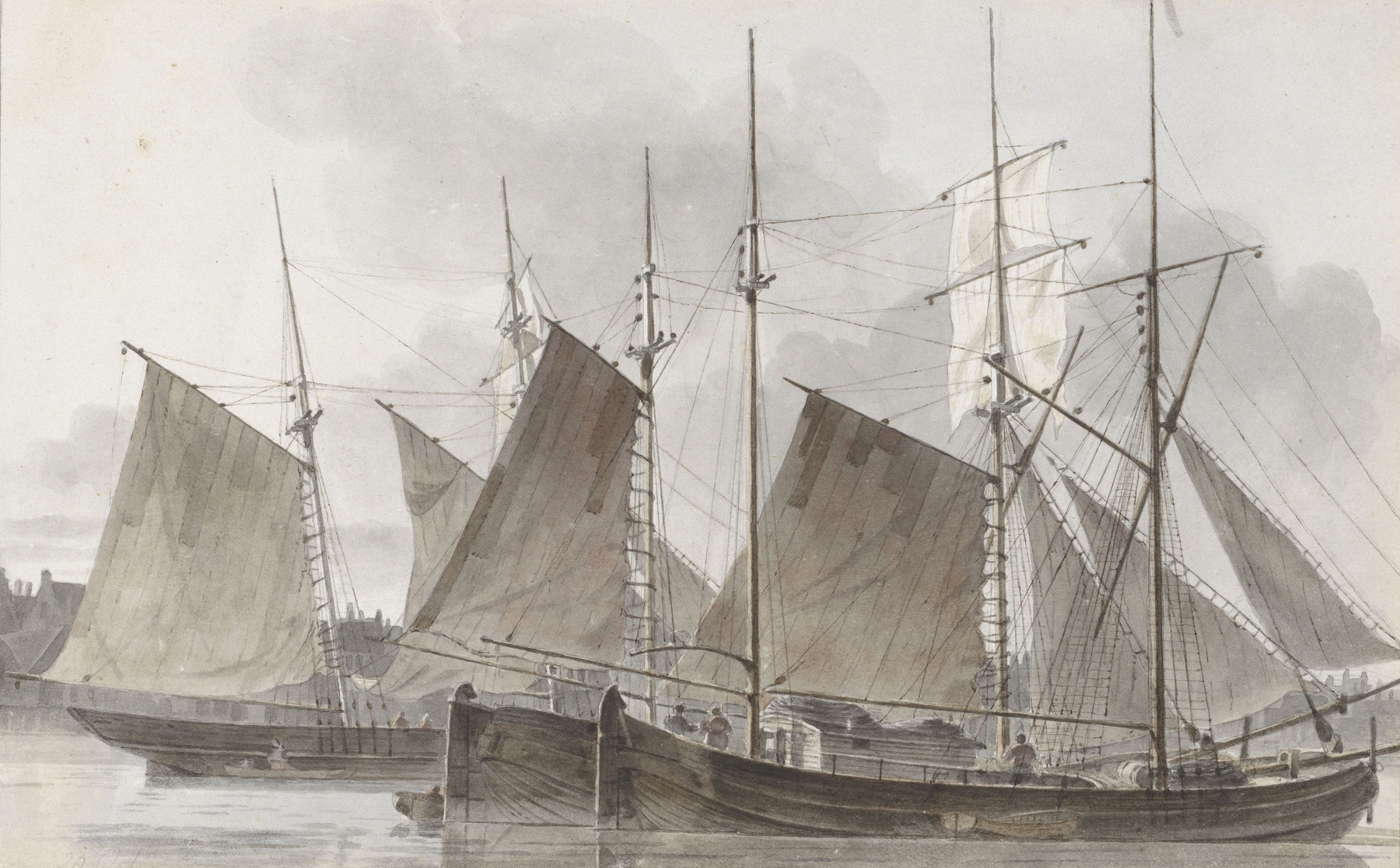
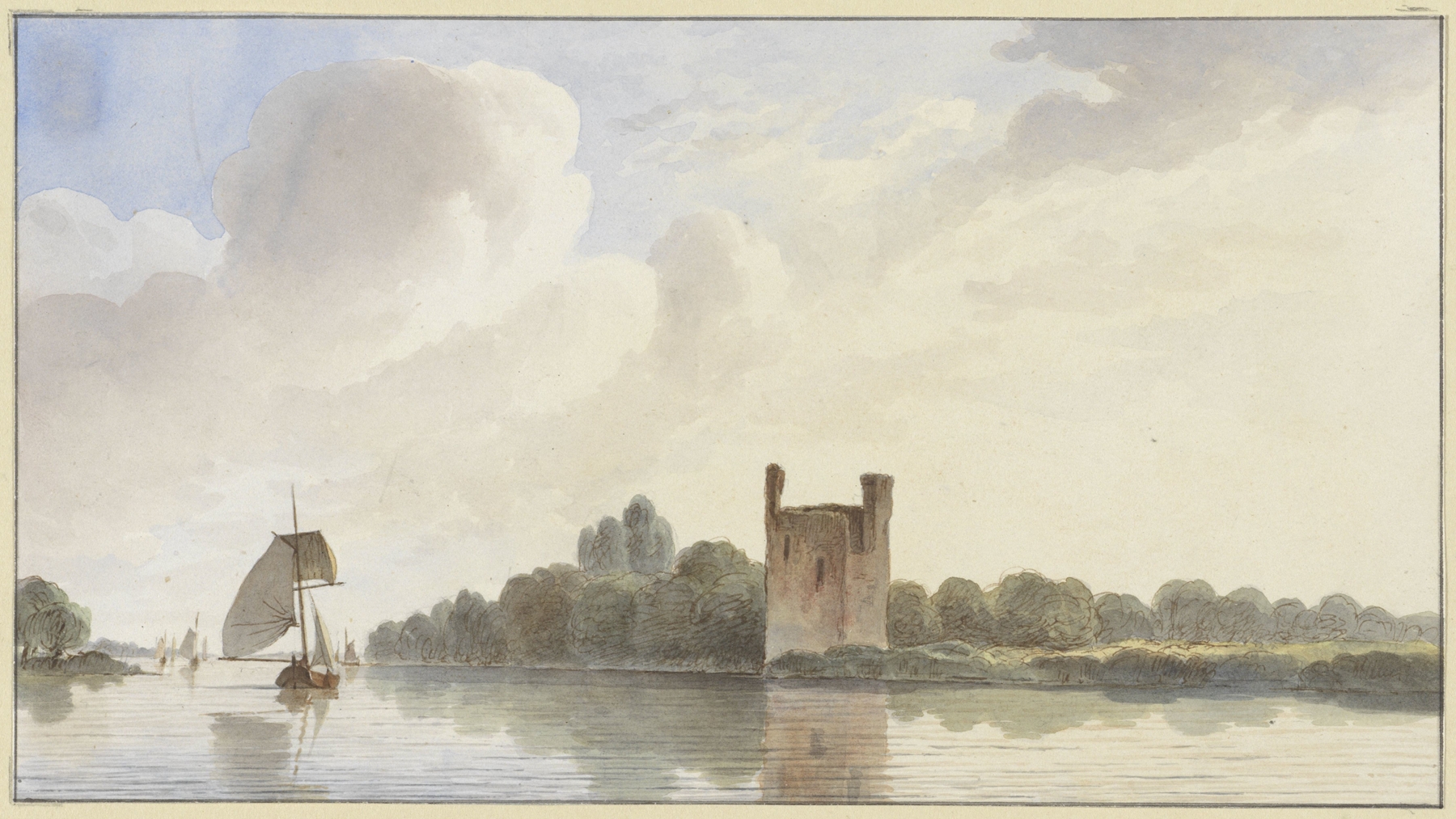
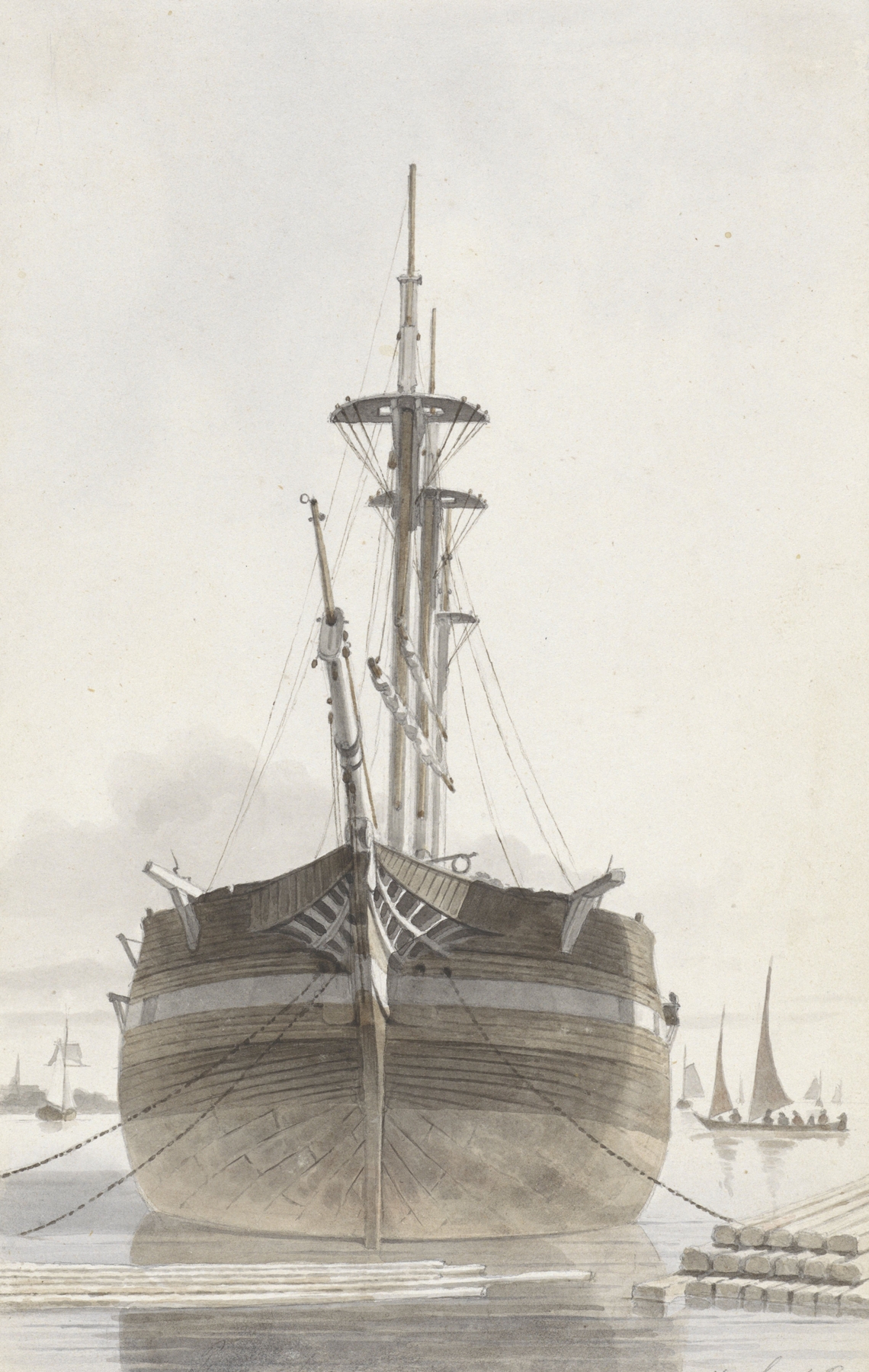
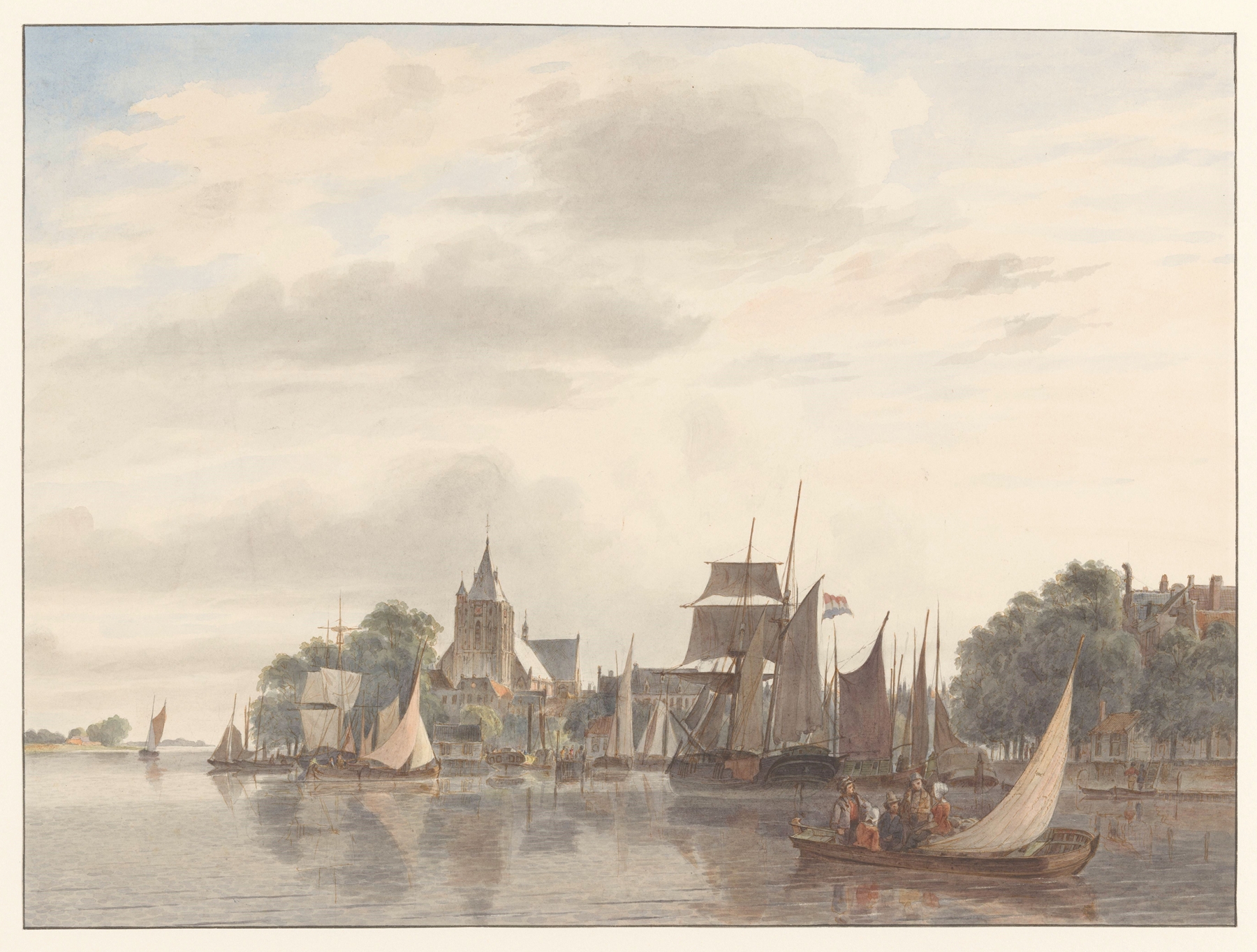
“The canvas doesn’t lie — it simply waits.” In this stillness, one feels the weight of absence, where the essence of loss permeates the air. A ship, trapped in icy waters, becomes a poignant symbol of halted journeys and dreams subdued by the chilling embrace of winter. Look closely at the frozen river, where the ship’s hull stands stark against the muted palette of whites and greys. Notice how the light dances across the ice, casting an ethereal glow that hints at movement within stillness.
The interplay of shadows and reflections invites the viewer’s eye to trace the contours of the vessel, from its weathered timbers to the delicate rigging, skillfully rendered with precise brushwork. The city looms in the distance, its silhouettes softened by the haze of a cold day, framing the scene with a sense of isolation. Deeper insights emerge as one contemplates the contrast between the bustling life of the city and the chilling stasis of the ship. The soft blues and whites suggest a beauty that masks despair, while the sharp outlines of the ship create a tension that speaks to the fragility of human endeavors.
Each frozen detail seems to echo the stories of those who once ventured forth, now captured in a moment of suspended time, embodying both hope and resignation. In 1845, Hendrik Abraham Klinkhamer painted this work during a period marked by the Romantic movement's fascination with nature and emotion. Living in the Netherlands, he experienced a world undergoing rapid changes in industry and society, which influenced his exploration of themes like isolation and the passage of time. This painting, rooted in both personal and collective loss, reflects not just a moment in nature but a resonant metaphor for the human condition itself.