Stad aan het water — History & Analysis
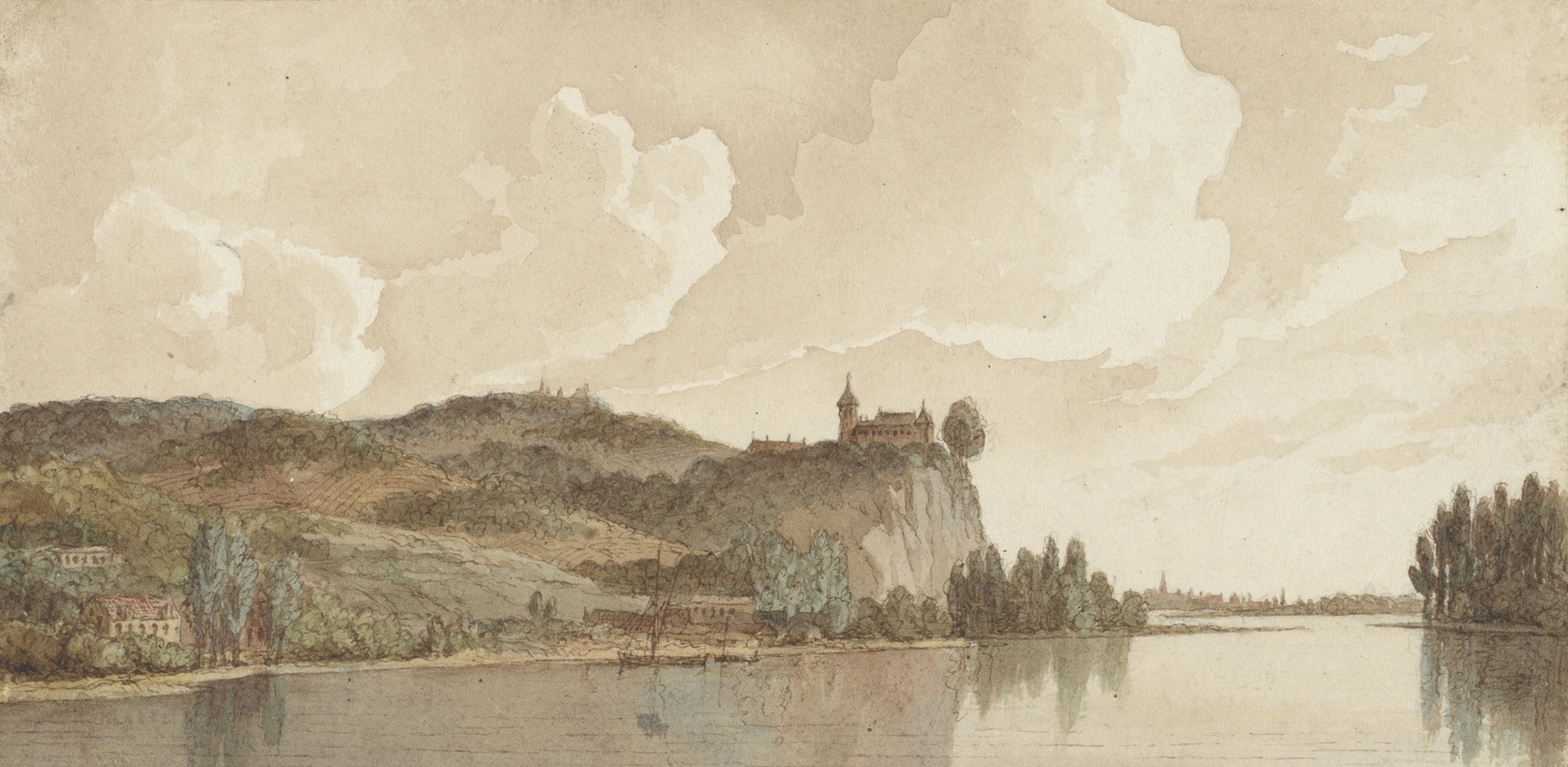
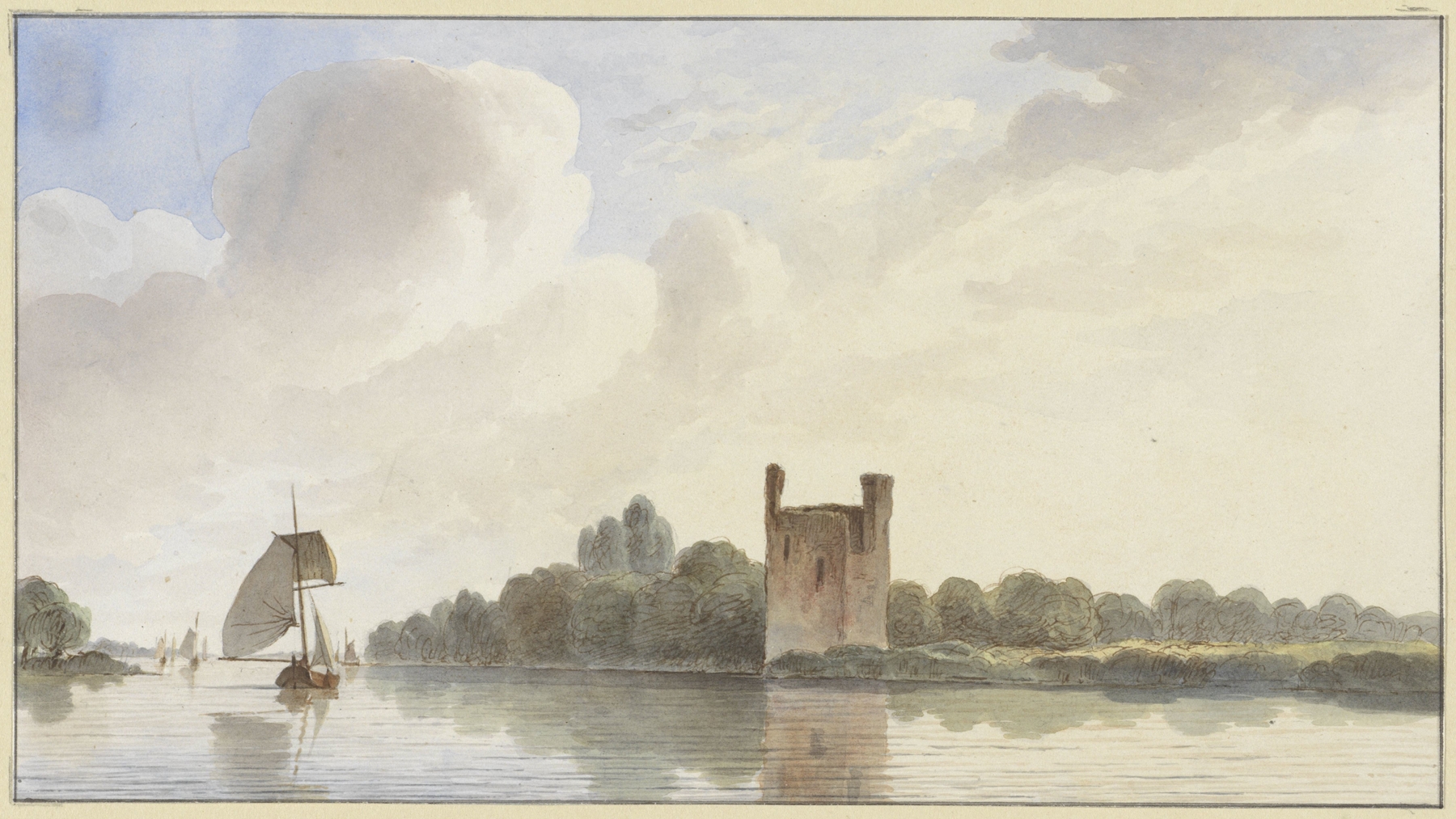
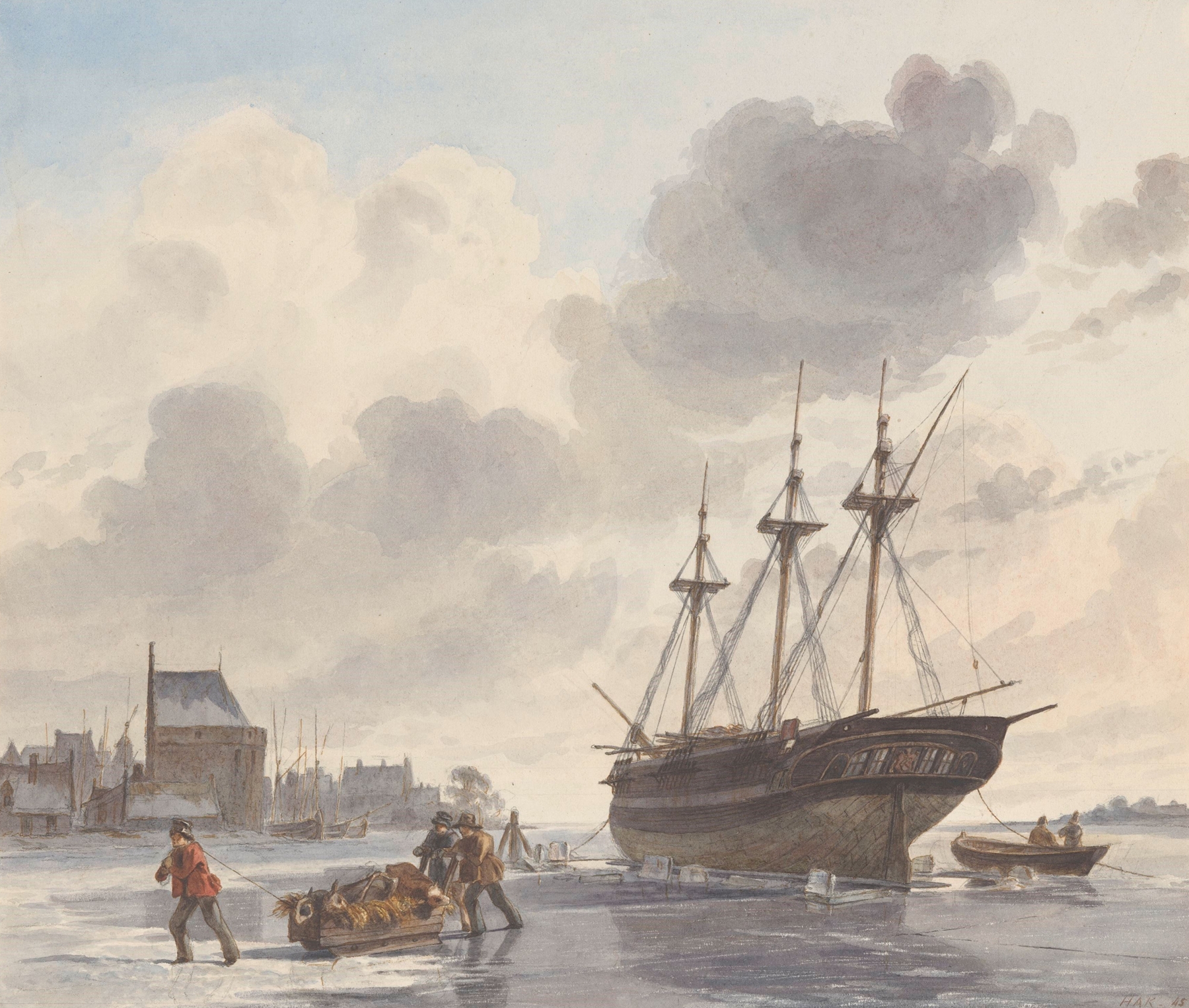
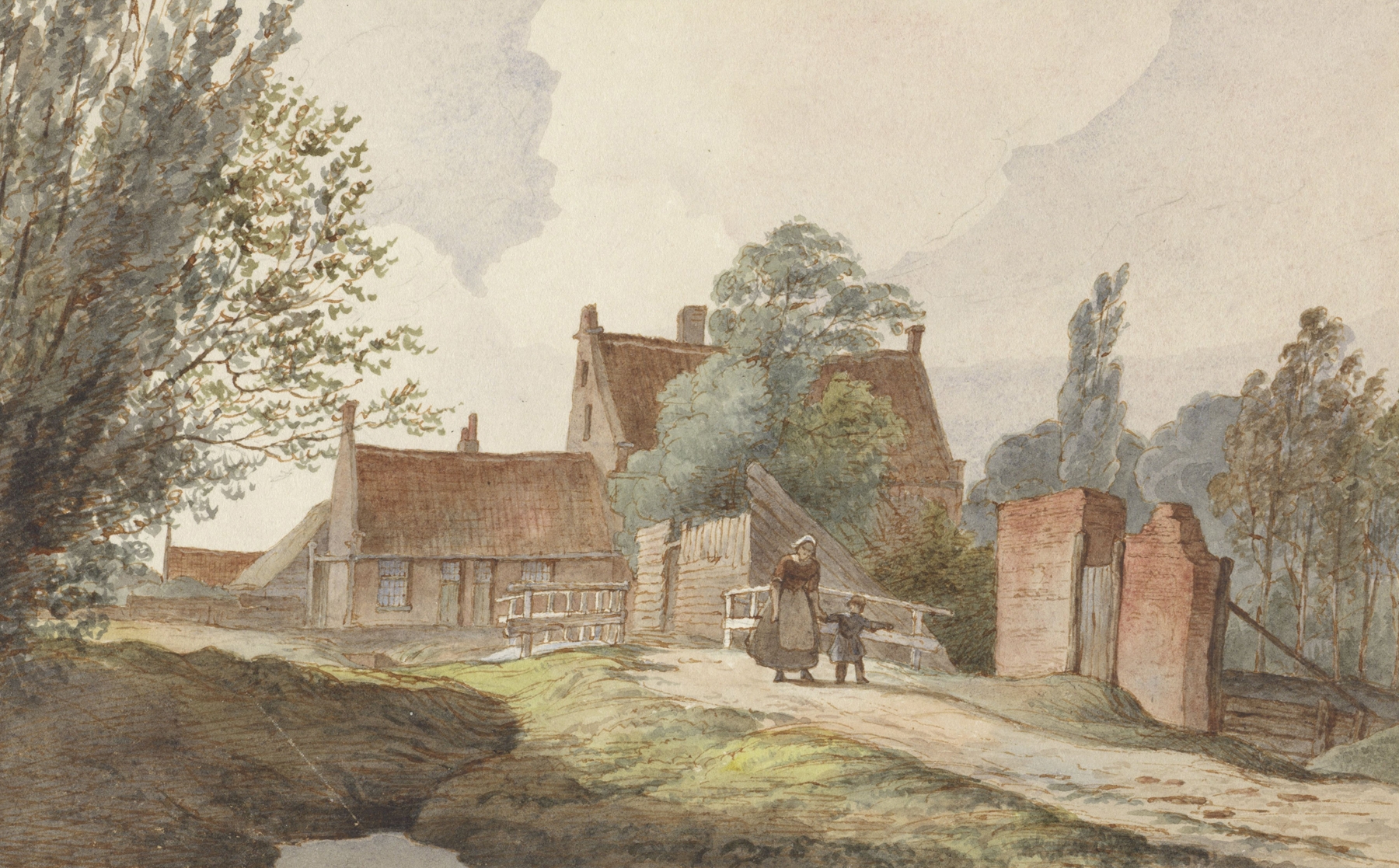
“Every silence here is a confession.” In the stillness of this serene landscape, a world is captured in the midst of transformation, where the waters reflect not only the sky but the very essence of change. Look to the left at the gentle curve of the river, where it meanders quietly, guiding your gaze toward the horizon that glows with the soft hues of dawn. The muted pastels of blue and gold intertwine, suggesting a new beginning, while the delicate brushwork creates a sense of fluidity, as if the scene might ebb and flow with the rhythm of the water. Notice how the trees, standing solemnly along the banks, cast elongated shadows that stretch across the surface, hinting at the passage of time and the interplay between light and darkness.
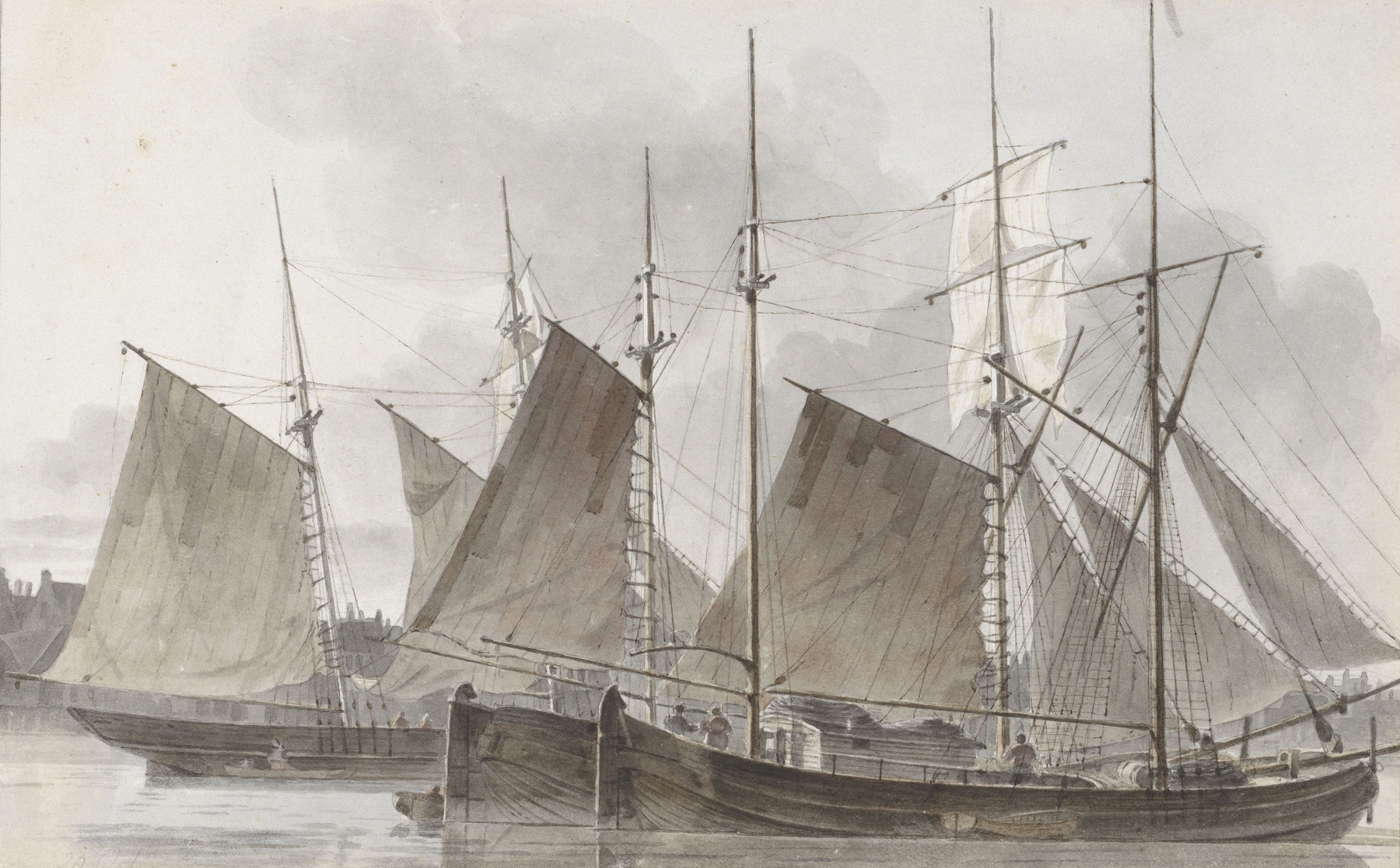
Diving deeper, the painting reveals a juxtaposition of tranquility and anticipation. The stillness of the water belies the potential for tumult, embodying the duality of peace and unrest that often accompanies transformation. The small boats, docked yet ready to set sail, symbolize the quiet readiness for change, while the soft ripples suggest that even in calmness, there are undercurrents of movement and possibility.
In 1845, while painting this work, Klinkhamer was immersed in a period of personal and artistic evolution. Living in the Netherlands, he found inspiration in the landscapes surrounding him, drawing on the Romantic ideals that were sweeping through Europe at the time. His exploration of light and atmosphere marked a pivotal moment in the 19th-century art scene, reflecting not only his own journey but also the broader cultural shifts occurring in his world.