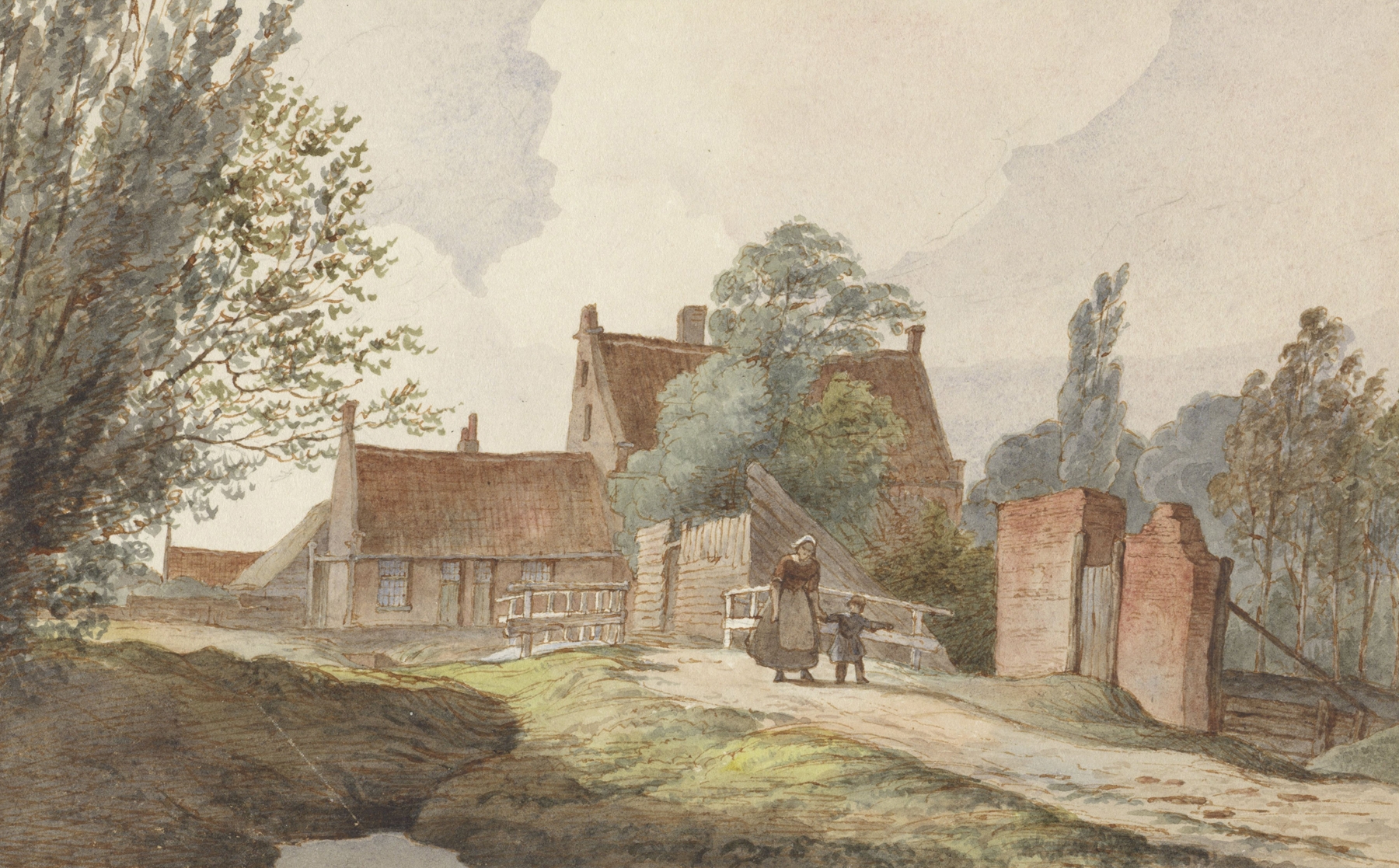
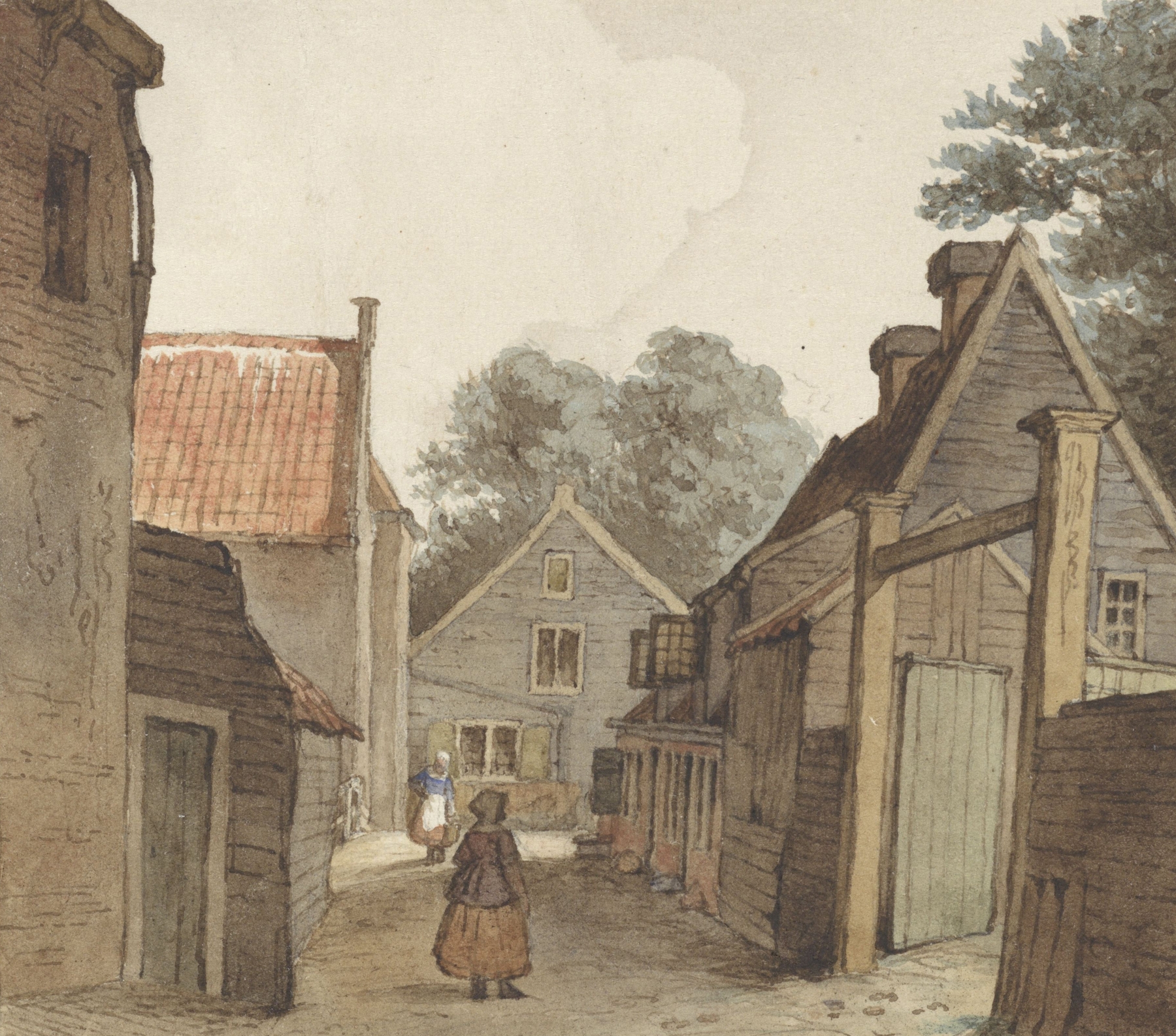
Herder, herderin en vee rustend voor een vervallen stal, after Adriaen van de Velde — History & Analysis
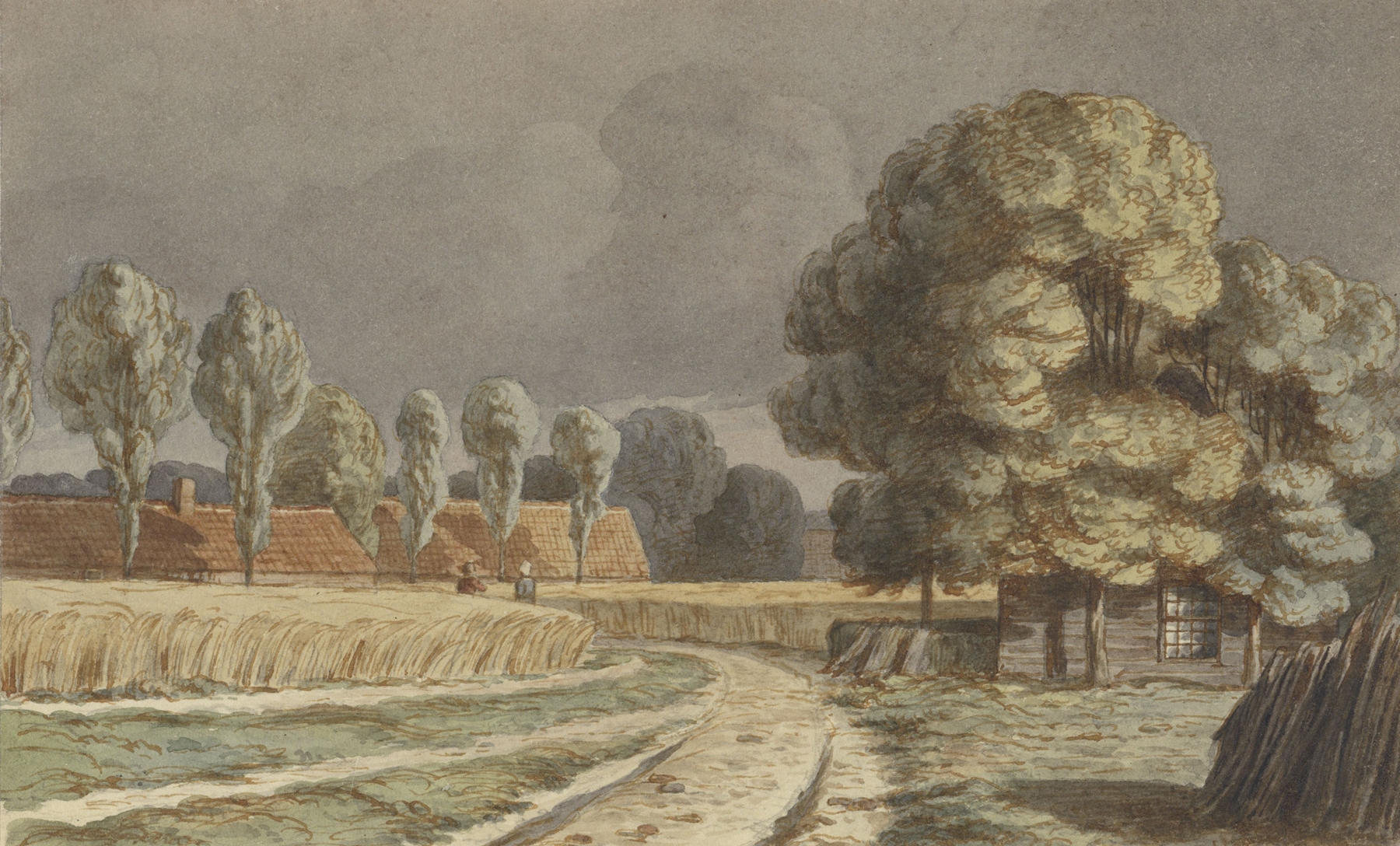
“Every silence here is a confession.” In a world bustling with noise and chaos, serenity finds its sanctuary within the stillness of a moment captured in time. Here lies an embrace of simplicity, where the weight of existence rests gently upon the shoulders of the figures. Look closely at the figures in the foreground, a herder and herderin, both taking a respite beside their livestock. Notice how the soft, muted palette invites a sense of tranquility; the earthy browns and greens create a harmonious backdrop against the crumbling architecture of the stall.
The light filters softly, illuminating their faces and casting delicate shadows that dance with the contours of their weary bodies, revealing moments of unspoken stories. Beyond the apparent calm, this painting conveys a deeper narrative of resilience and labor. The herder's gaze, although distant, hints at the burdens he carries, both physically and emotionally. The decaying barn serves as a poignant reminder of time's passage and the impermanence of human endeavors, juxtaposing life and decay.
Here, nature and humanity entwine, hinting at the fragility of existence amidst life's cyclical rhythms. Klinkhamer created this artwork in the context of 19th-century Dutch realism, a movement that sought to capture the everyday lives of ordinary people with an emphasis on authenticity. Painting between 1820 and 1872, he was influenced by the tranquil landscapes of the Netherlands and the rise of Romanticism, which celebrated nature and the human experience. This work reflects both his admiration for the pastoral life and an understanding of the quiet struggles inherent in it.