Ruïne van Huis te Merwede bij Dordrecht aan de Maas — History & Analysis
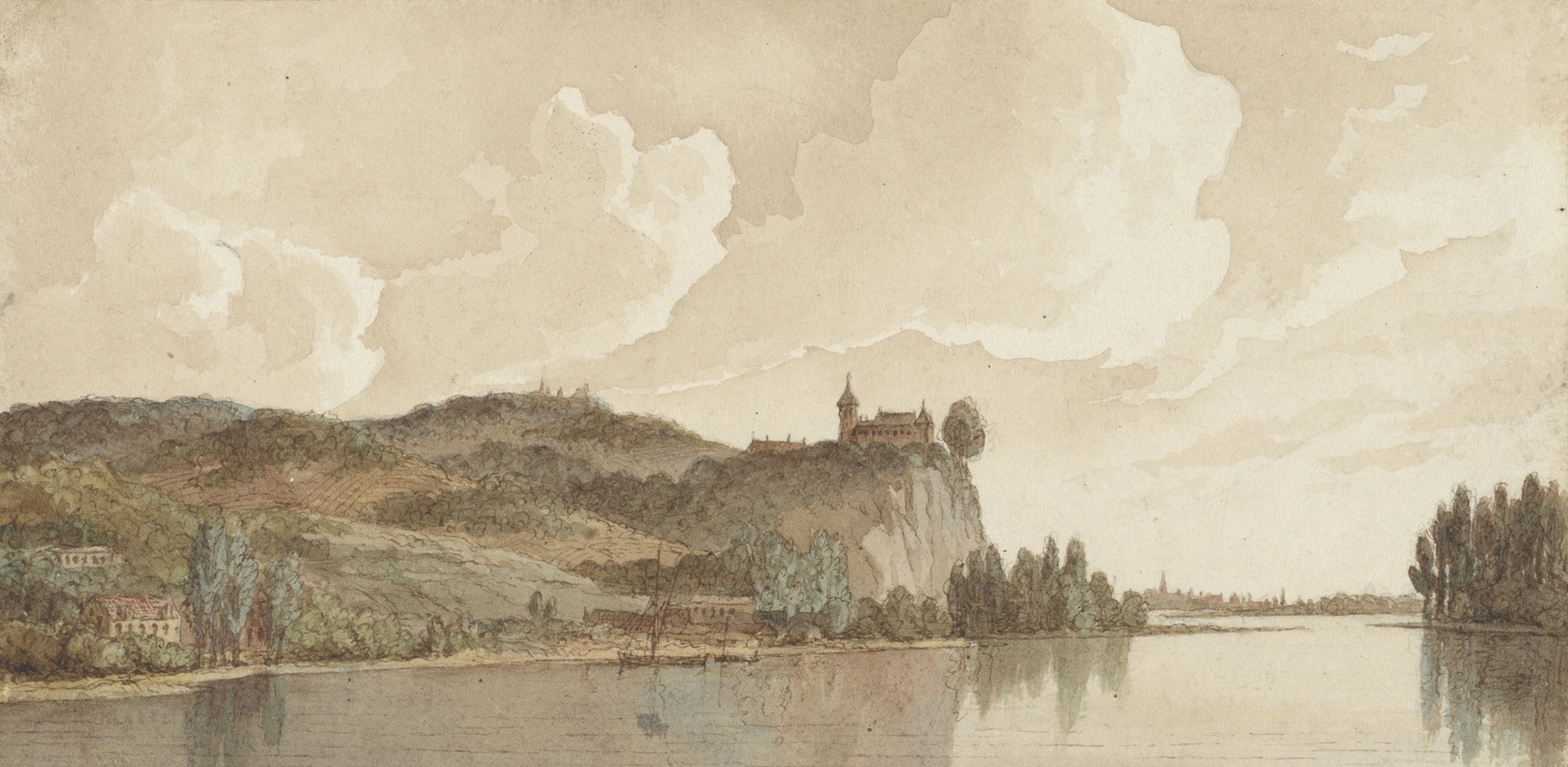
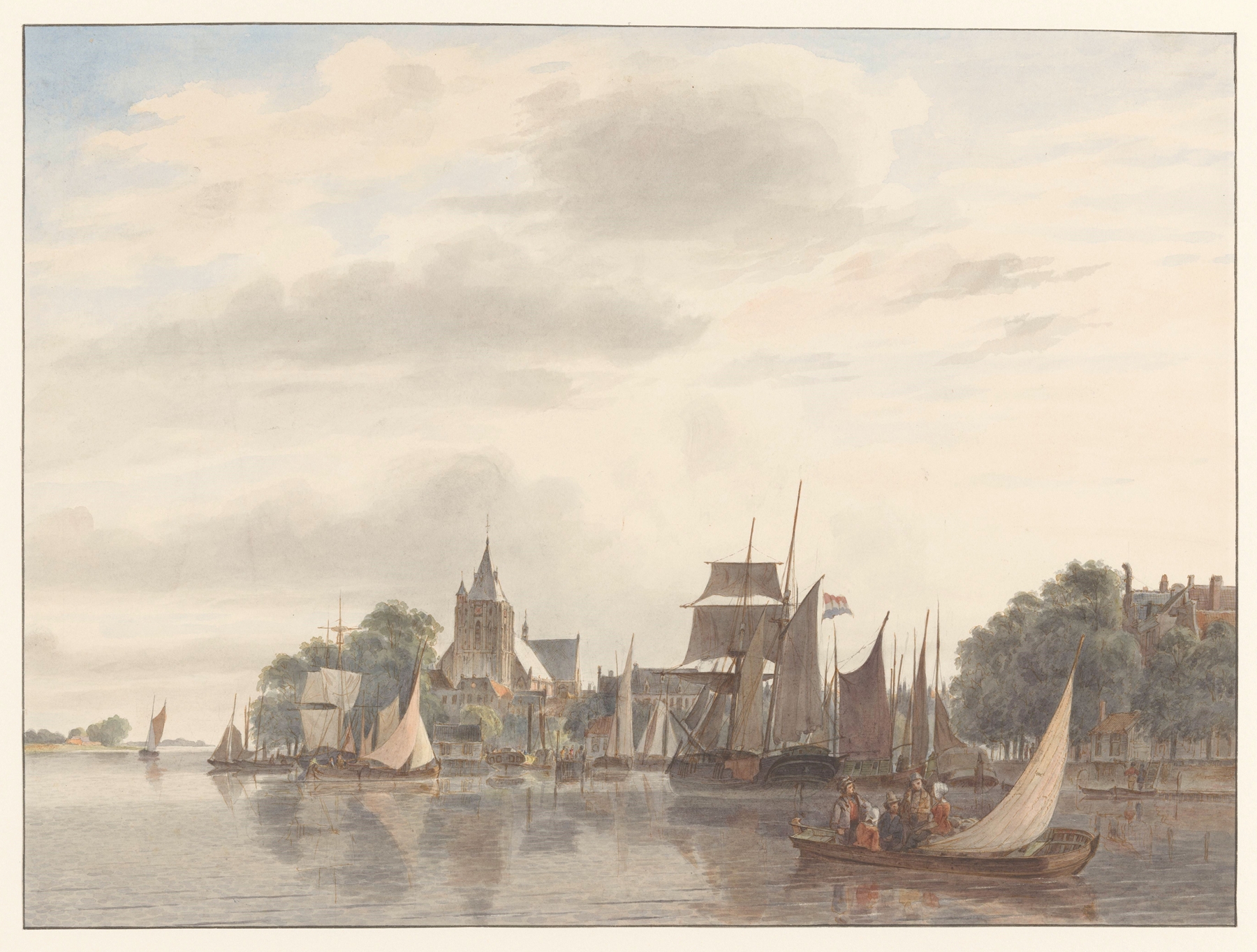
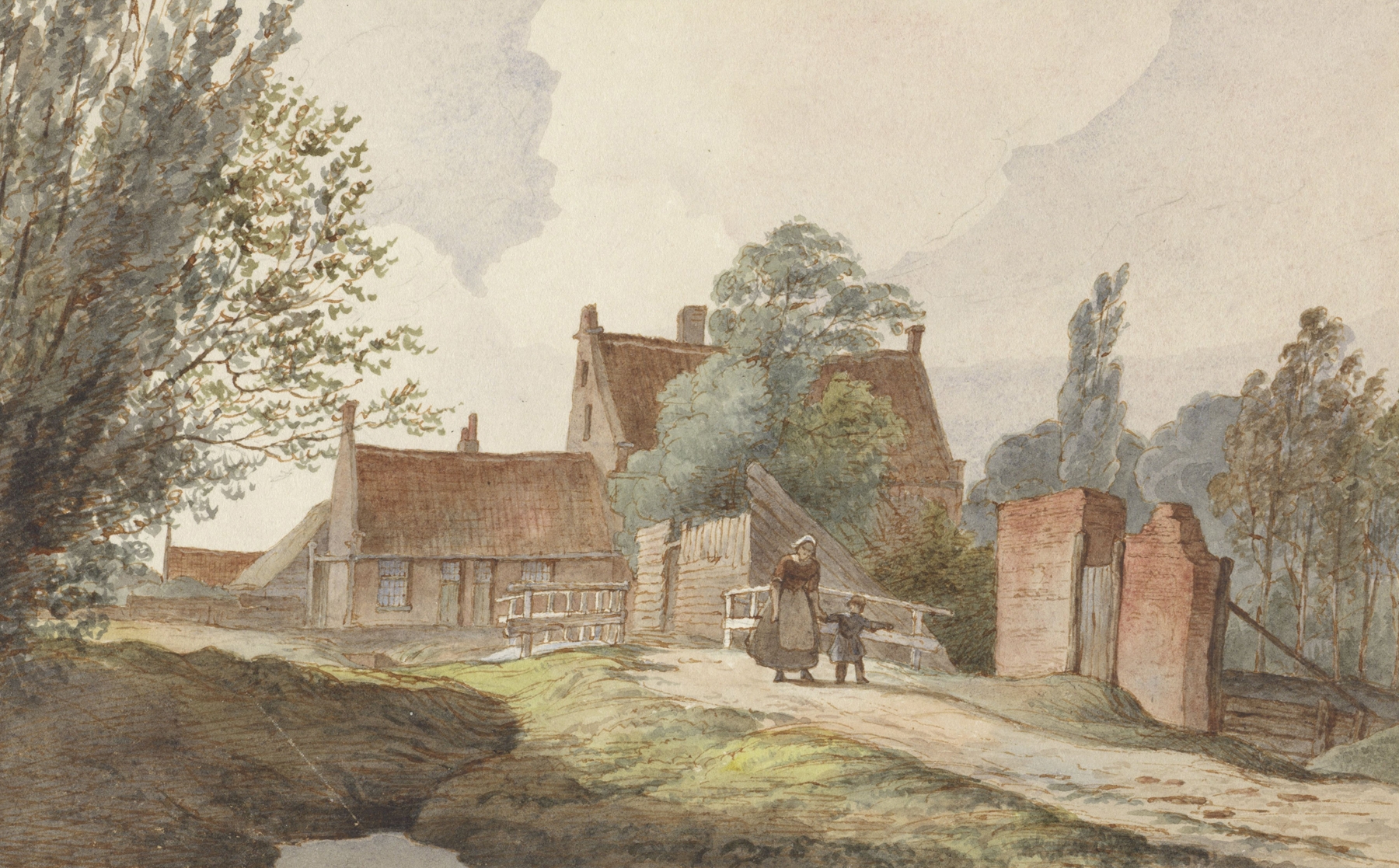
Can beauty exist without sorrow? In the delicate brushwork of the early 19th century, a serene yet haunting reflection of time lingers, as if asking us to ponder the fragility of existence. Look toward the center of the canvas, where the crumbling ruins of a once-imposing structure rise against the backdrop of a tranquil river. The soft palette of muted greens and blues invites the gaze, while light dances gently across the water’s surface, creating a shimmering bridge between past and present.
The delicate strokes and ethereal quality evoke a sense of stillness, drawing you in, yet the ruins tell a tale of decay, whispering of the passage of time. In this artwork, contrasts abound. The juxtaposition of the serene landscape with the crumbling walls speaks to the inevitability of change, where nature's beauty flourishes alongside human impermanence. The shimmering water reflects not just light but the weight of history, emphasizing the notion that serenity often coexists with the echoes of sorrow.
Each detail, from the fading bricks to the gentle ripples, reinforces a narrative of beauty intertwined with loss. Hendrik Abraham Klinkhamer painted this piece during a time of growing romanticism in art, between 1820 and 1872, when many artists were exploring the themes of nature, ruin, and nostalgia. Working in the Netherlands, he captured the essence of Dutch landscapes imbued with emotional depth, reflecting a transitional moment in both his life and the broader art world, where the romantic ideal began to challenge traditional representations.