Huizen langs een pad bij Amsterdam — History & Analysis
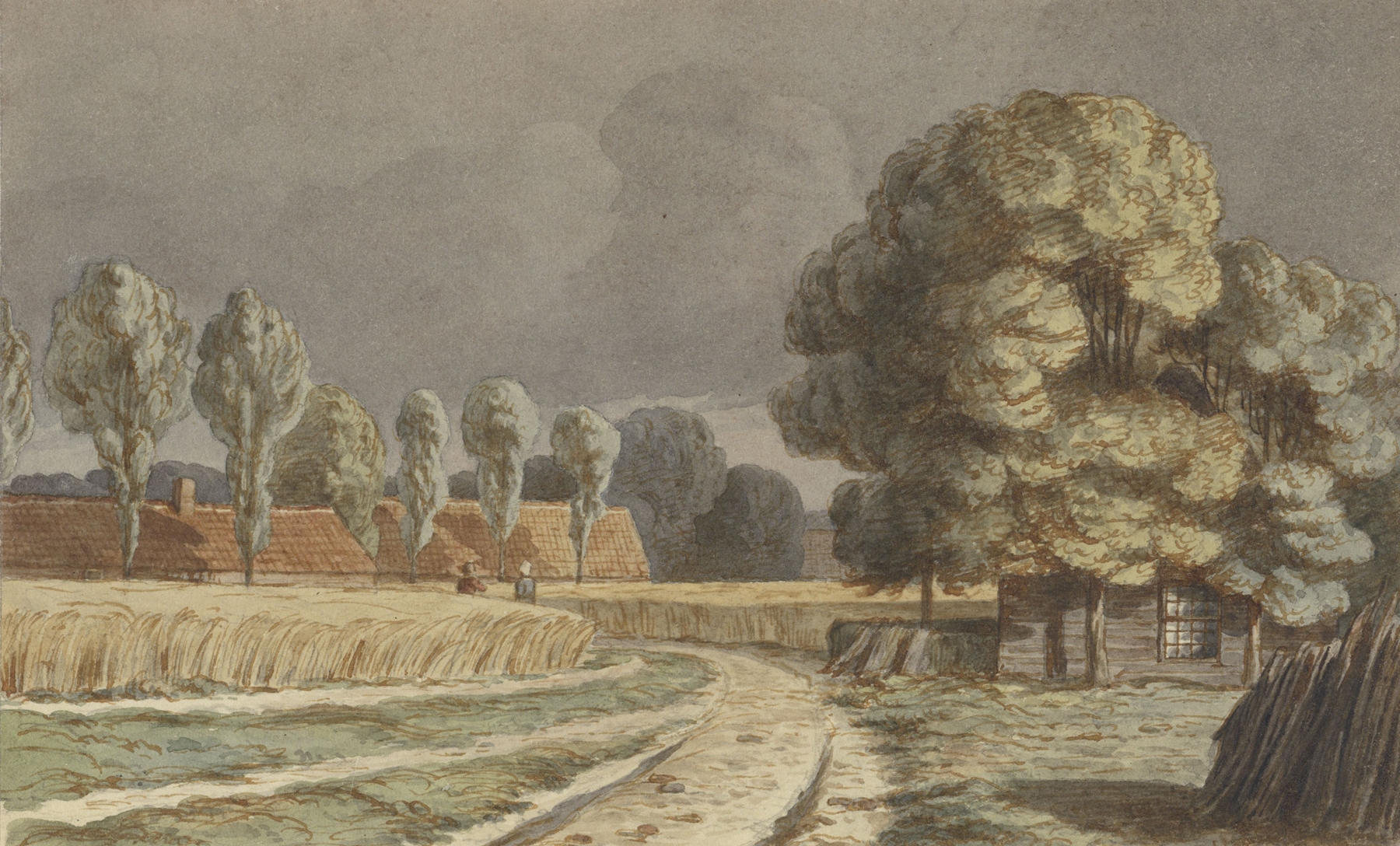
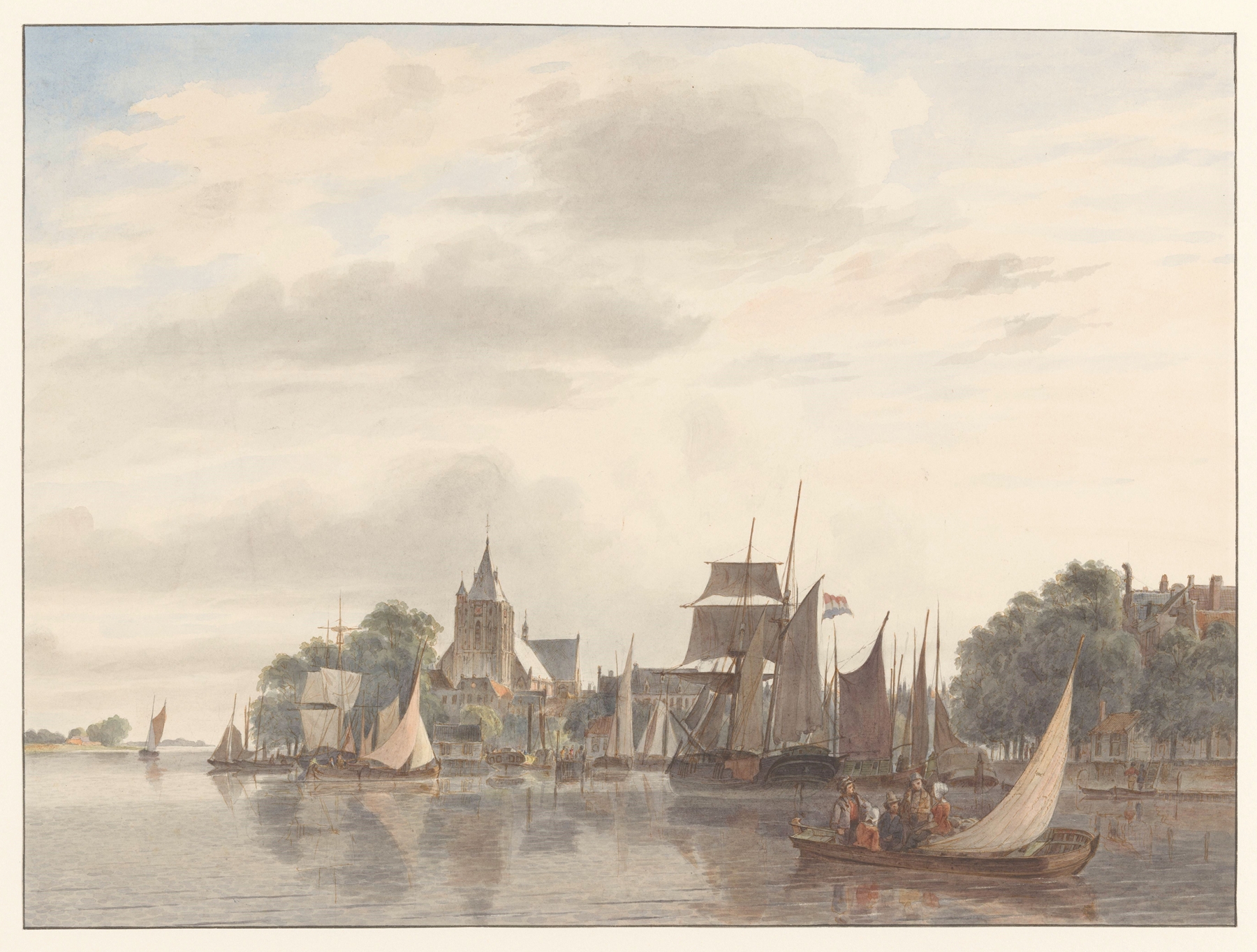
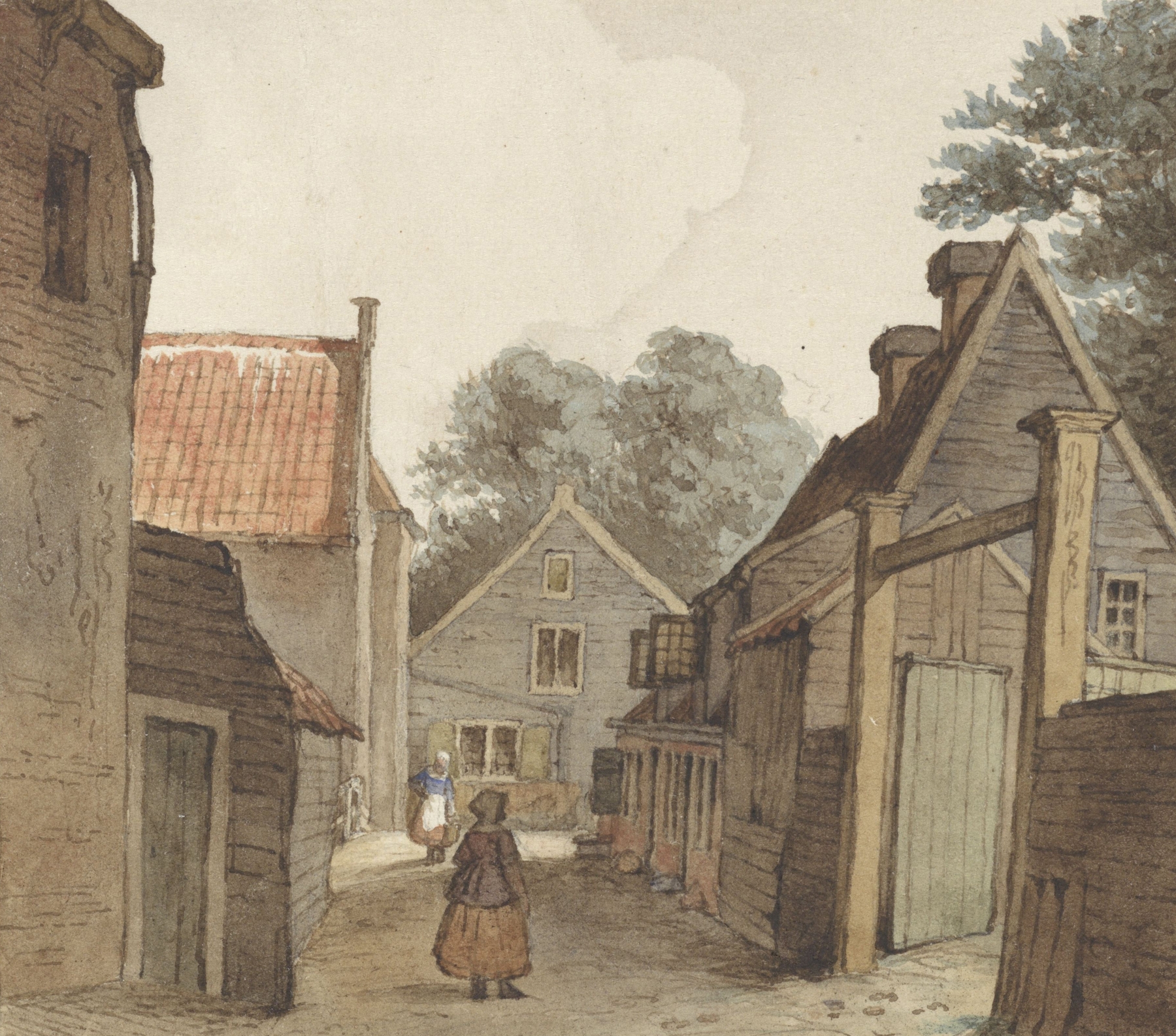
Could beauty survive in a century of chaos? In a world teetering on the edge of tumultuous change, the quiet elegance of a serene pathway whispers softly to our souls, echoing a yearning for tranquility. Focus on the subtle hues of the sky, where soft blues and grays weave together in a delicate embrace. The path, winding gently through the landscape, draws the eye toward the distant houses nestled amidst lush greenery. Notice how the artist expertly plays with light; it spills softly across the scene, illuminating the details of the architecture and casting gentle shadows that suggest a timelessness.
The brushwork, though deliberate, carries an impressionistic quality, evoking a dreamlike atmosphere that invites contemplation. Within the scene lies a contrast between the idyllic serenity of rural life and an undercurrent of melancholy. The houses, robust yet unassuming, represent both safety and isolation, hinting at the lives within that are untouched by the world beyond. The quiet path, seemingly inviting, may also serve as a reminder of journeys untraveled or connections left unmade.
It is this tension—the interplay of beauty and solitude—that resonates deeply with the viewer, stirring an emotional response that lingers long after leaving the artwork behind. In 1859, Hendrik Abraham Klinkhamer painted this scene during a period of significant change in the Netherlands, as industrialization began to reshape the landscape and society. He was known for his ability to capture the essence of Dutch life, particularly its rural charm. This piece reflects both the nostalgia for a simpler past and the inevitable encroachment of modernity, a duality that marked much of art during this transformative time.