Blick auf den Tiber und St. Peter vom Ponte Milvio — History & Analysis
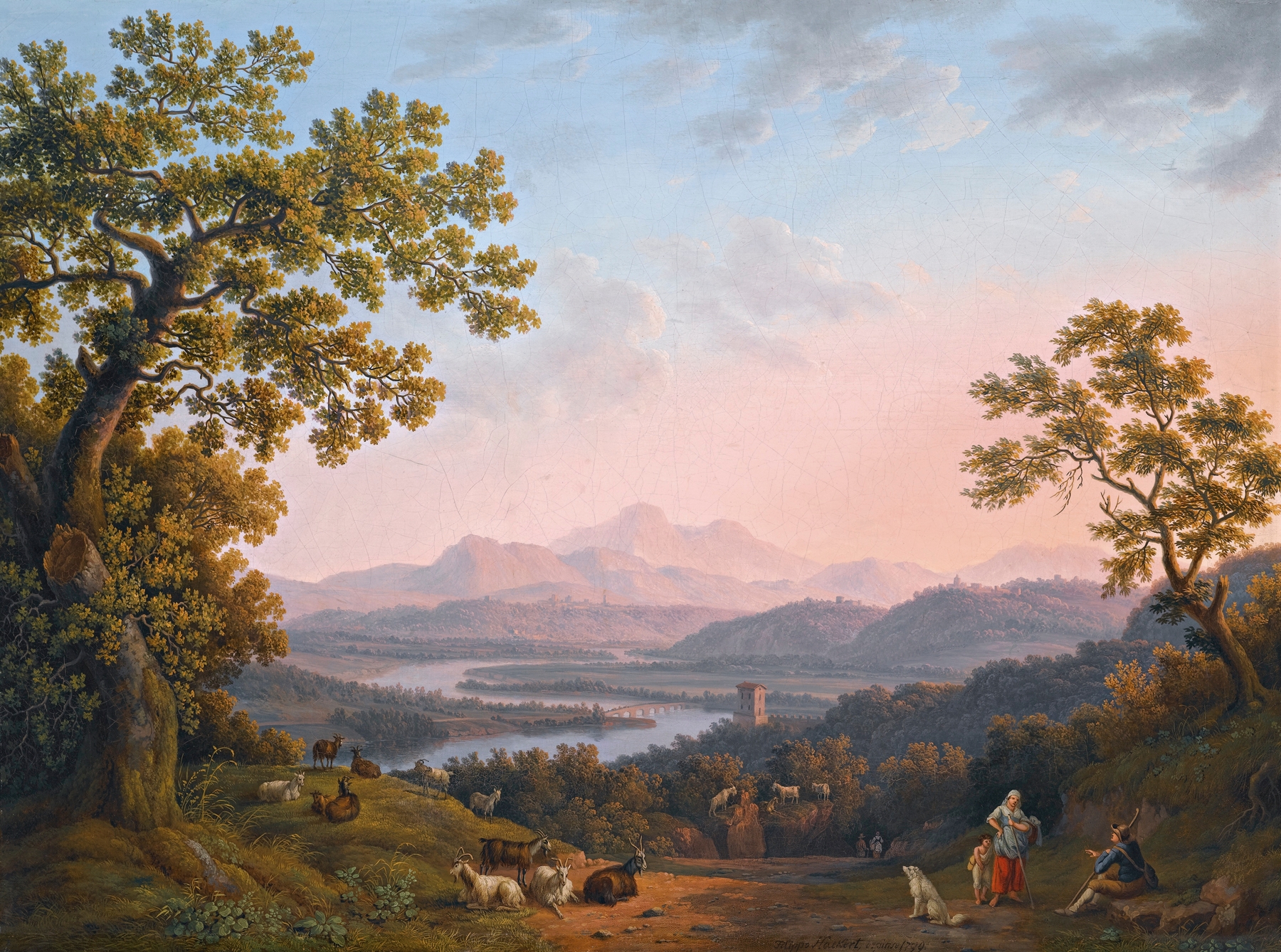
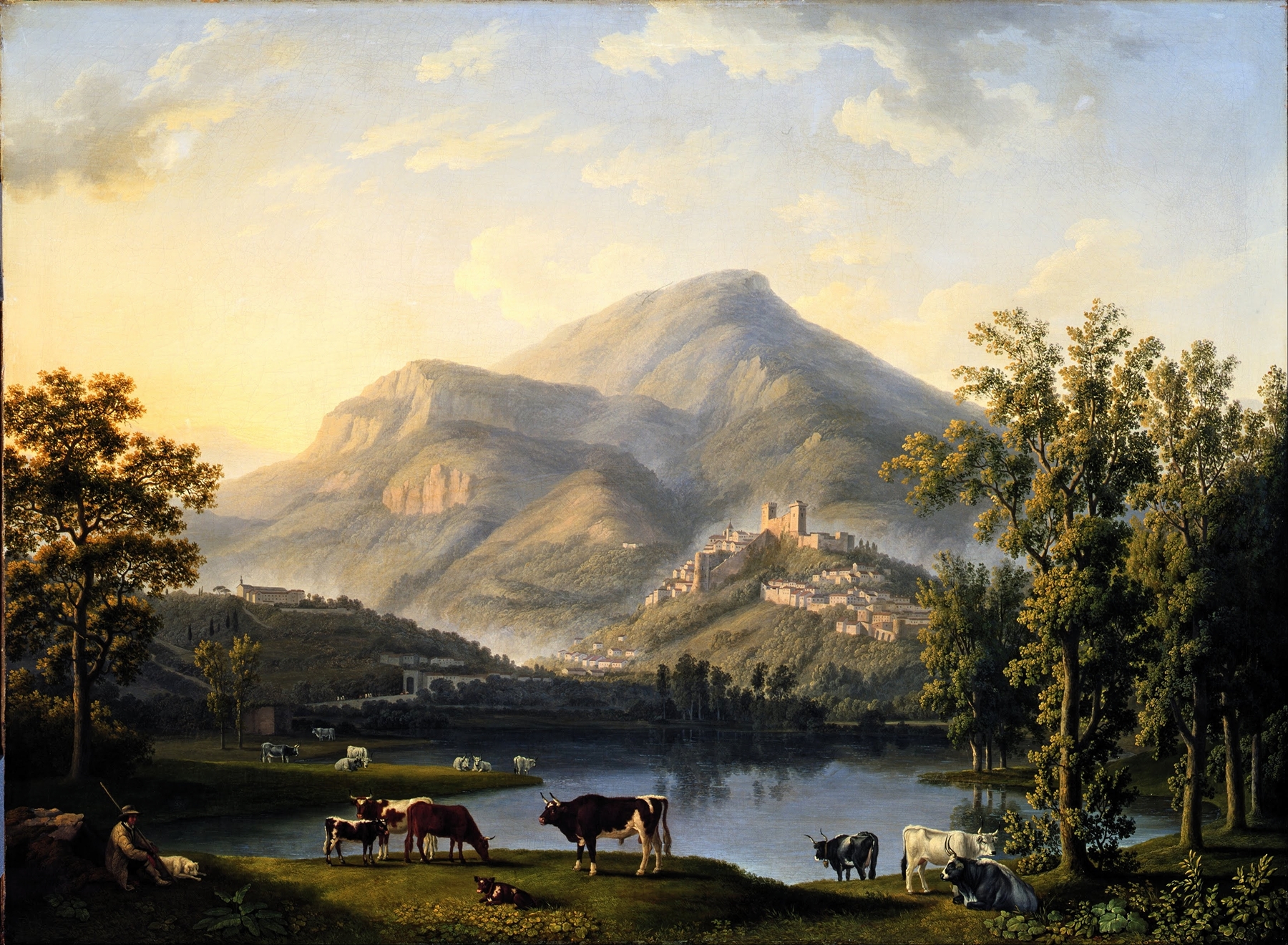
What secret hides in the quiet of the canvas? Beneath the tranquil surface of this artwork lies the echo of legacies forged by history and nature. Look to the left at the gentle curves of the Tiber River, where the water reflects the delicate hues of a fading sunset. The soft oranges and pinks are juxtaposed with the stark silhouette of St. Peter's Basilica rising majestically against the sky.
Notice how the artist employs soft brushstrokes to create a sense of movement in the clouds, while the vibrant greens of the surrounding landscape breathe life into the scene. This skillful interplay of light and shadow invites the viewer to linger, capturing a moment that transcends time. Beneath the serene beauty, the painting reveals deeper truths about the passage of time. The juxtaposition of the ancient river and the iconic basilica speaks to the intertwining of nature and human endeavor, suggesting how both are shaped by history. The calmness of the water reflects a moment of introspection, urging the viewer to ponder the weight of legacy—the enduring impact of architecture and the natural world on the human experience.
The quietude of the scene serves as a reminder of the stories that echo through the centuries. Jacob Philipp Hackert painted this piece during a significant period in his life, likely while living in Italy. As a prominent landscape artist of the late 18th century, he was deeply influenced by the Italian countryside and its rich history. This artwork is indicative of a time when Romanticism was beginning to flourish, showcasing an appreciation for the sublime beauty of nature and the architectural marvels that define a culture.