Blue Morning — History & Analysis
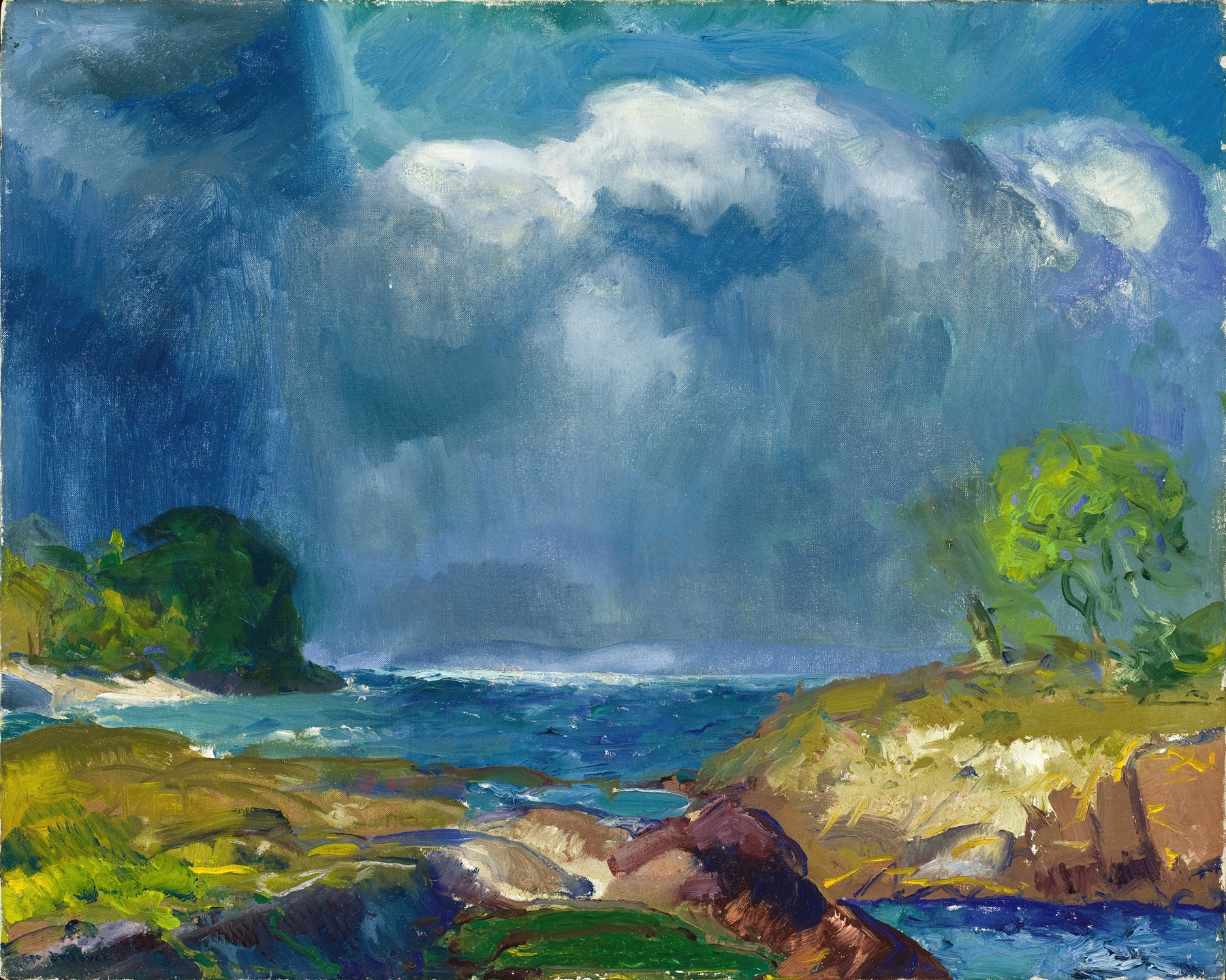
What secret hides in the quiet of the canvas? In Blue Morning, a stillness belies the chaotic energy of a waking world, hinting at stories beneath the serene surface. Look to the left at the unforgiving sunlight flooding through a window, illuminating the figure seated at a table. The delicate play of light and shadow captures the moment with a raw intimacy, highlighting the contours of the figure's face as if caught in mid-thought.
The cool palette of blues contrasted with warm undertones evokes a sense of tranquility, while the rough brushstrokes suggest the artist's emotional turmoil beneath the peaceful exterior. Yet, there is a disquieting duality present. The gentle morning light contrasts sharply with the figure’s expression, which carries an air of contemplation, perhaps even anxiety. This juxtaposition of calm scenery and inner chaos invites the viewer to ponder the silent battles we all fight within ourselves.
The scattered objects on the table—the newspaper, the coffee cup—represent the chaos of daily life, interrupted only by the fleeting moment of introspection captured on the canvas. In 1909, George Wesley Bellows was immersed in the vibrant art scene of New York, where he was becoming known for his bold portrayals of urban life. His work during this period reflected both the energy of the city and the complexities of human experience. As he painted Blue Morning, he was grappling with his own artistic identity, seeking to balance the chaos of modernity with moments of stillness and reflection.