Bord de Seine, effet soleil couchant — History & Analysis
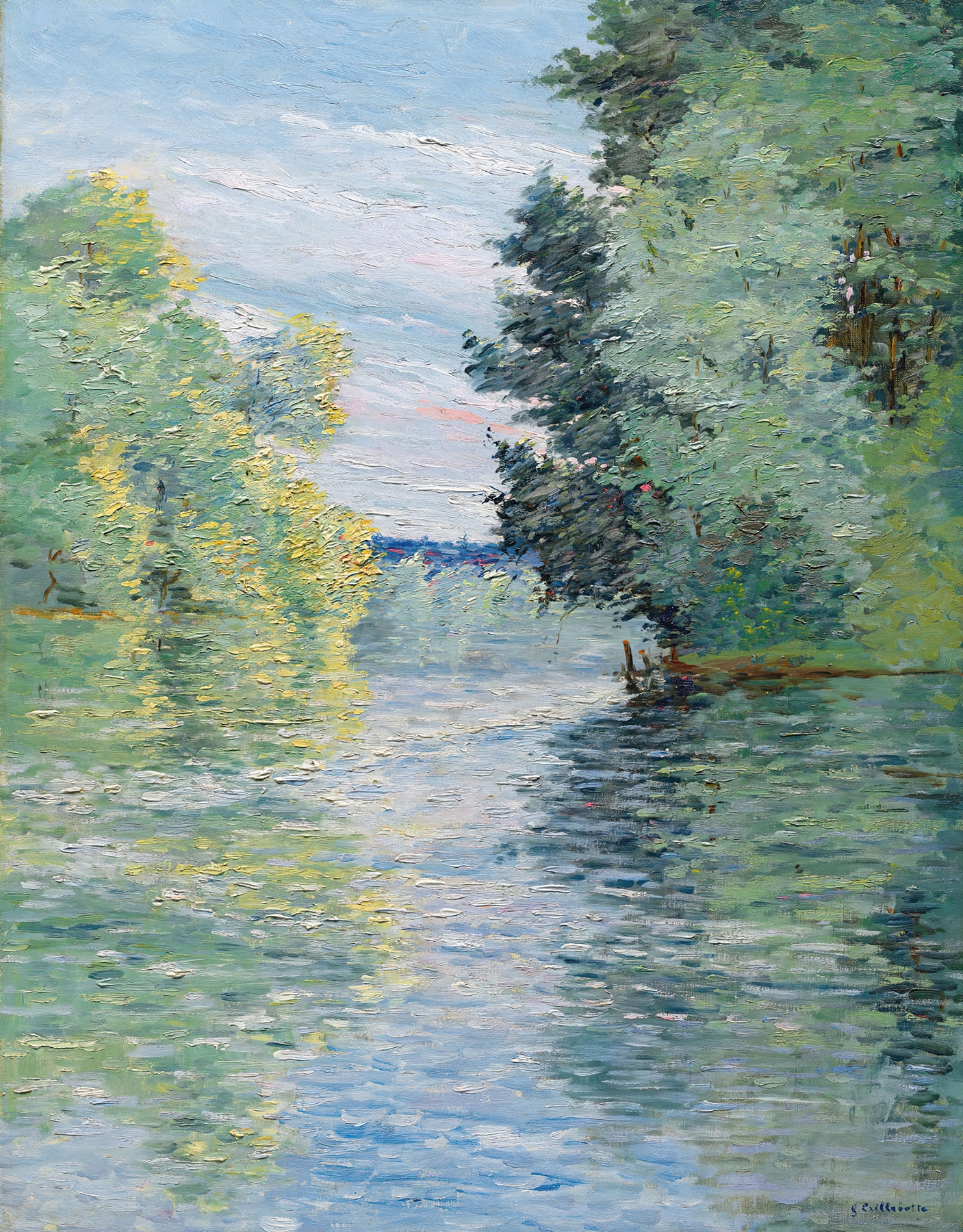
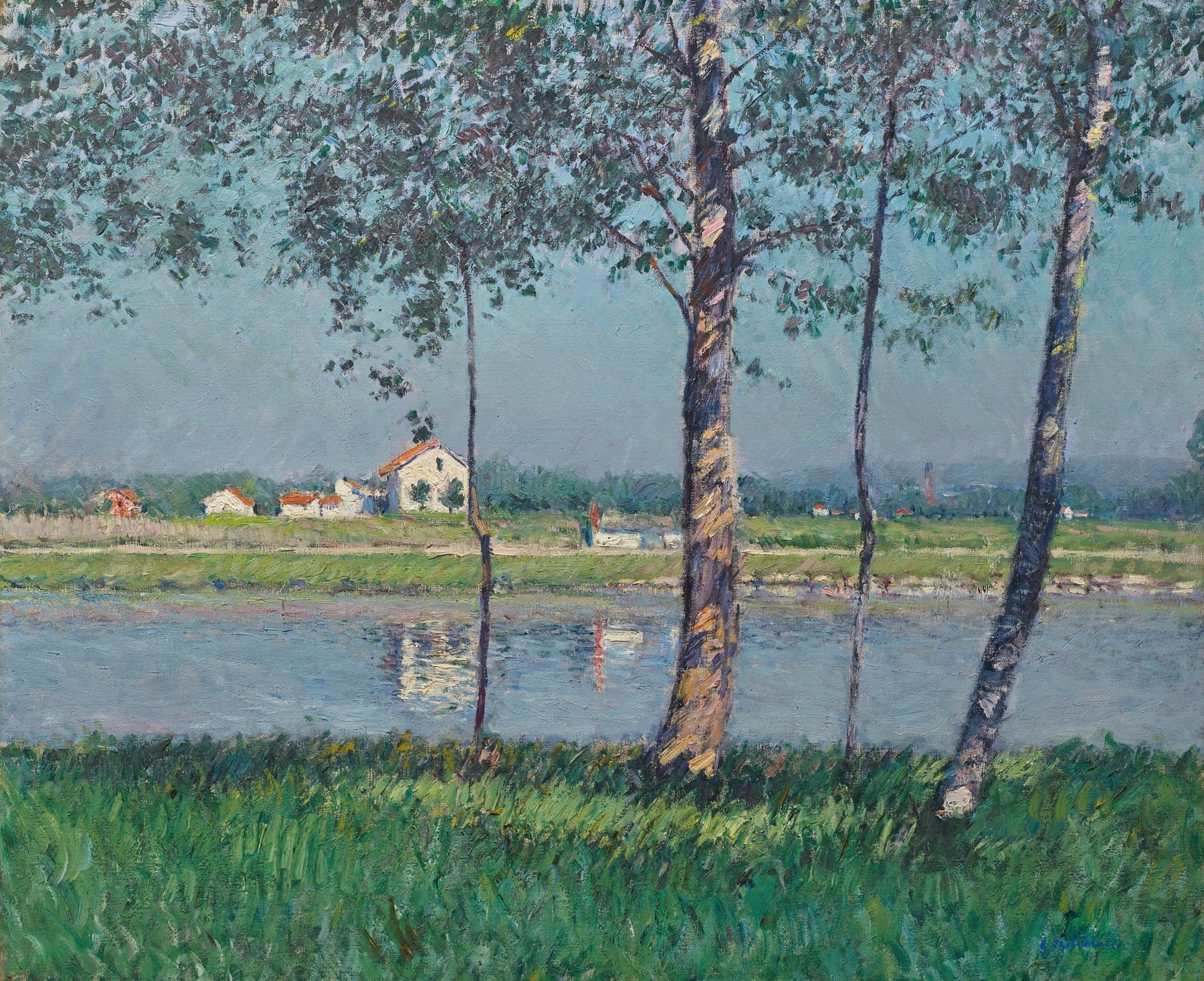
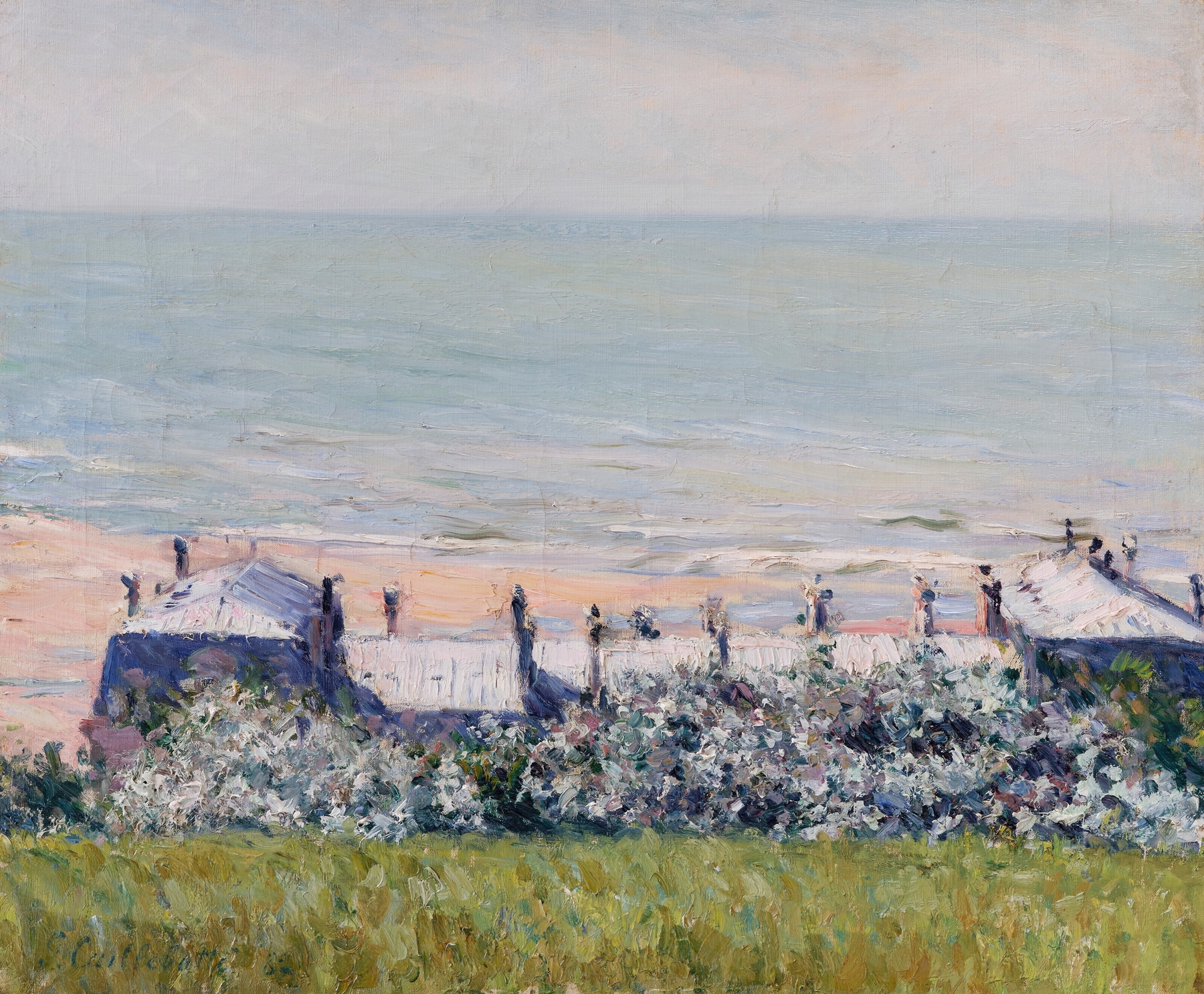
What if beauty was never meant to be finished? The fleeting brilliance of sunset, suspended on the edge of the Seine, invites us into a moment that feels both complete and endlessly elusive. Focus first on the shimmering water, where the gentle ripples reflect hues of orange, pink, and gold. The horizon glows as the sun dips, casting a warm, inviting light over the scene.
Notice how the cool blues of the river contrast with the fiery sky, creating a dialogue between warmth and calm. Caillebotte’s masterful brushwork blends impressionism with a hint of realism, capturing nature's textures and the ephemeral quality of light. As you explore the scene, consider the figures along the riverbank, engaged in their own private reveries. The solitary boat gliding into the distance symbolizes life's transience, while the trees framing the river suggest a steadfastness amidst change.
This juxtaposition of stillness and movement evokes a sense of nostalgia and yearning, as if time itself stands still in this golden hour. In 1891, while residing in Paris, the artist painted this enchanting landscape, a testament to his deep connection with the Impressionist movement. Caillebotte was navigating a period of personal evolution, challenged by the expectations of the art world and his own ambitions. This work reflects not only his technical prowess but also an exploration of light, atmosphere, and emotion, capturing a world in transition.