Bords de l’Oise — History & Analysis
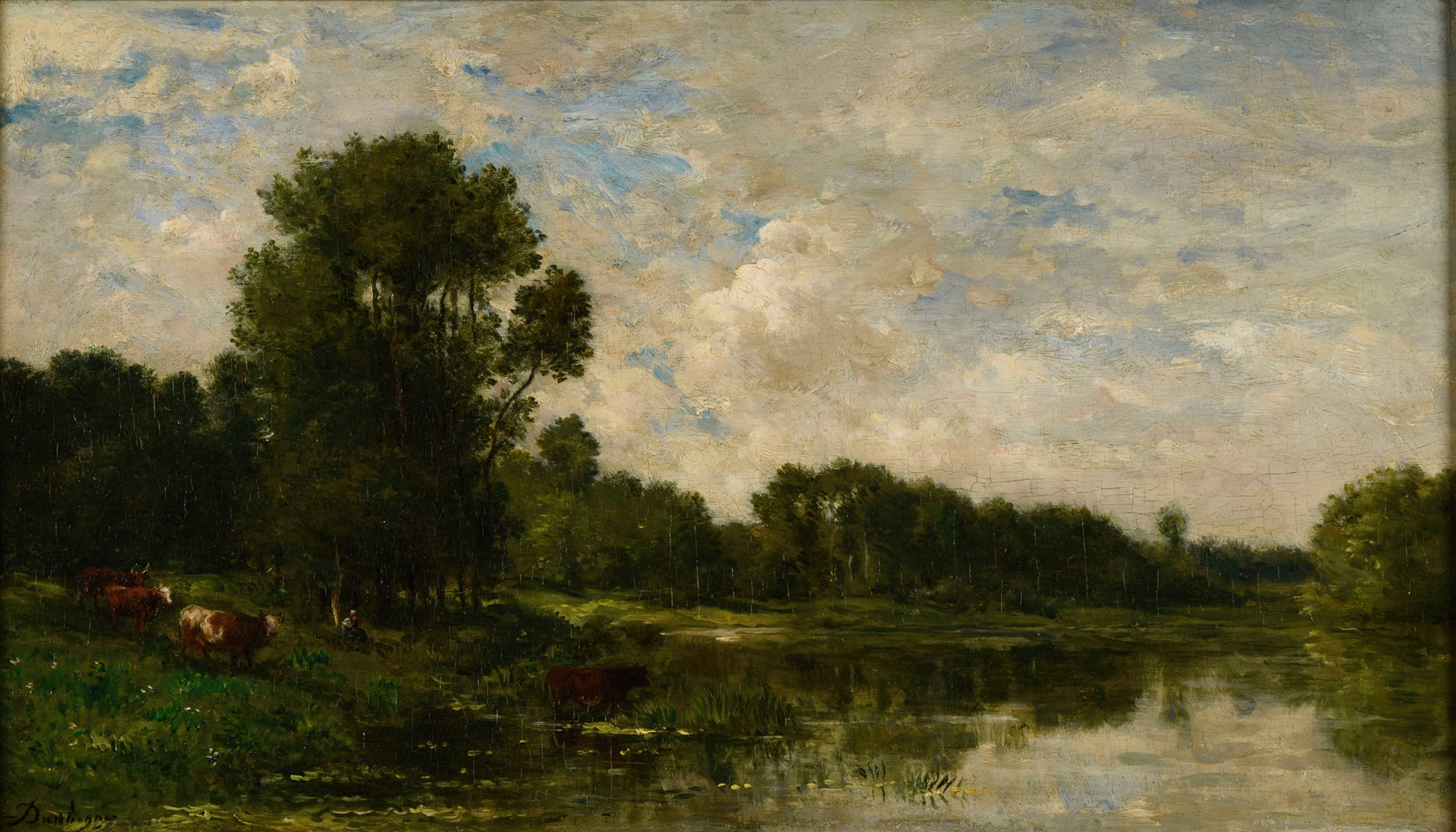
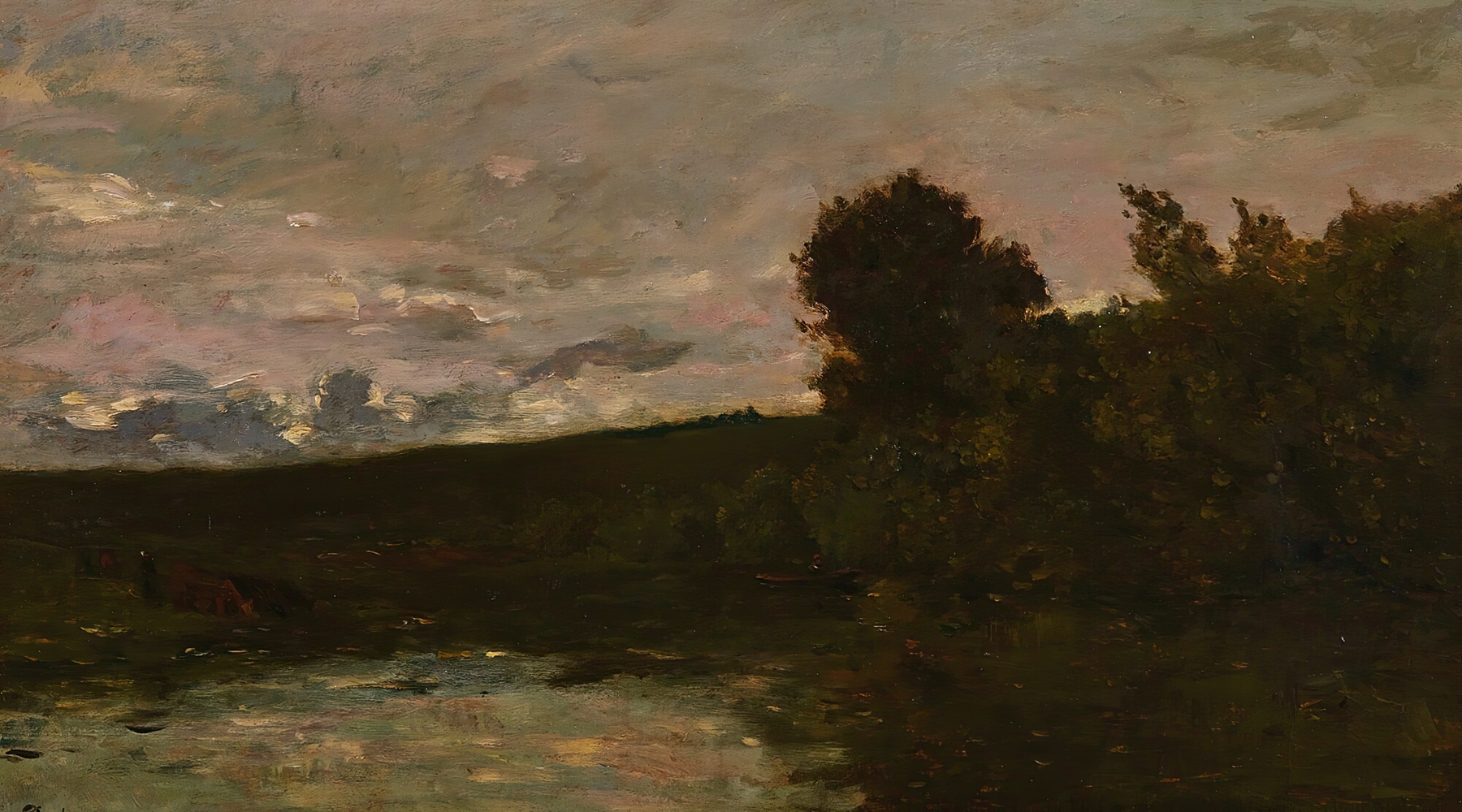
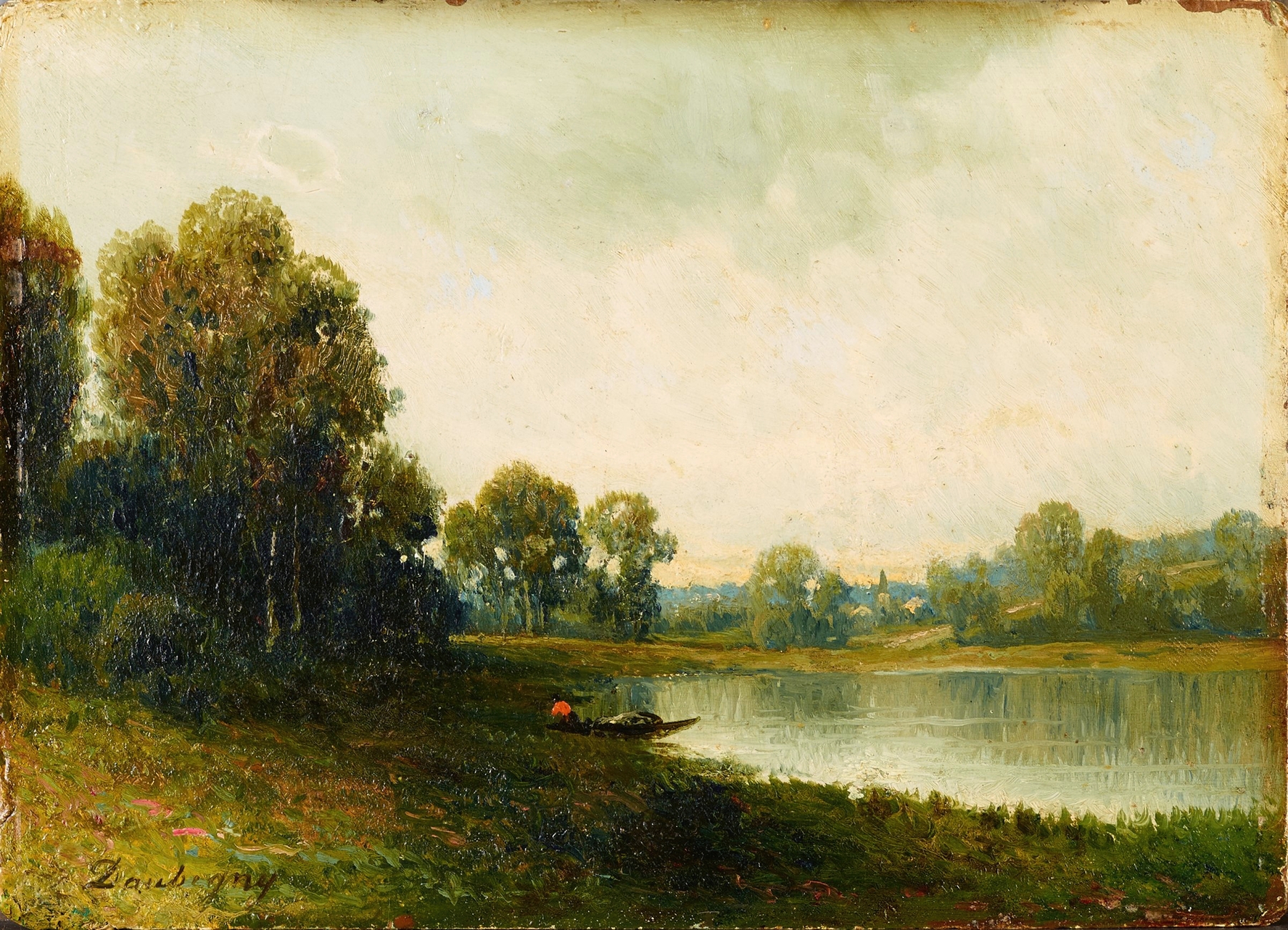
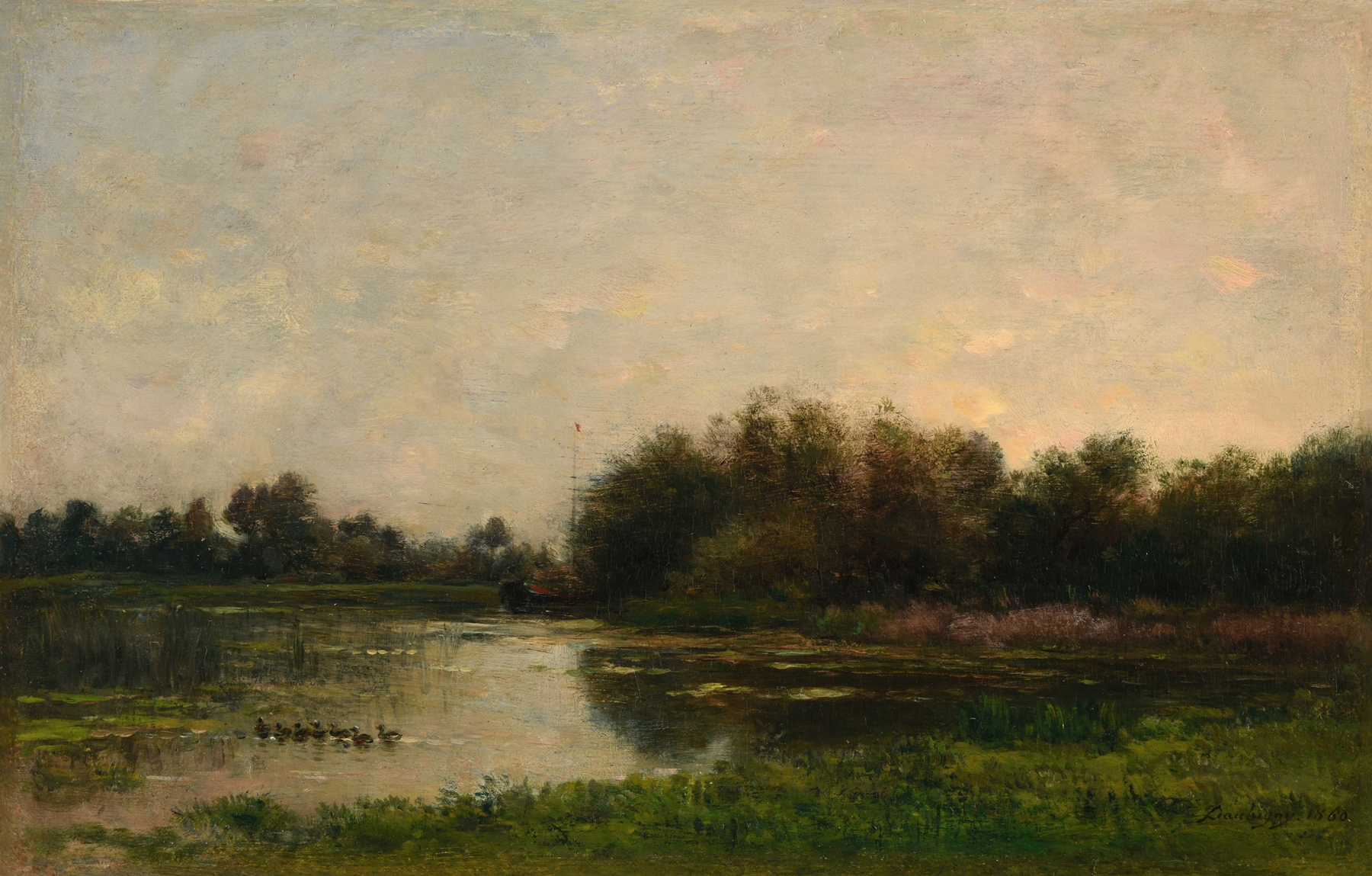
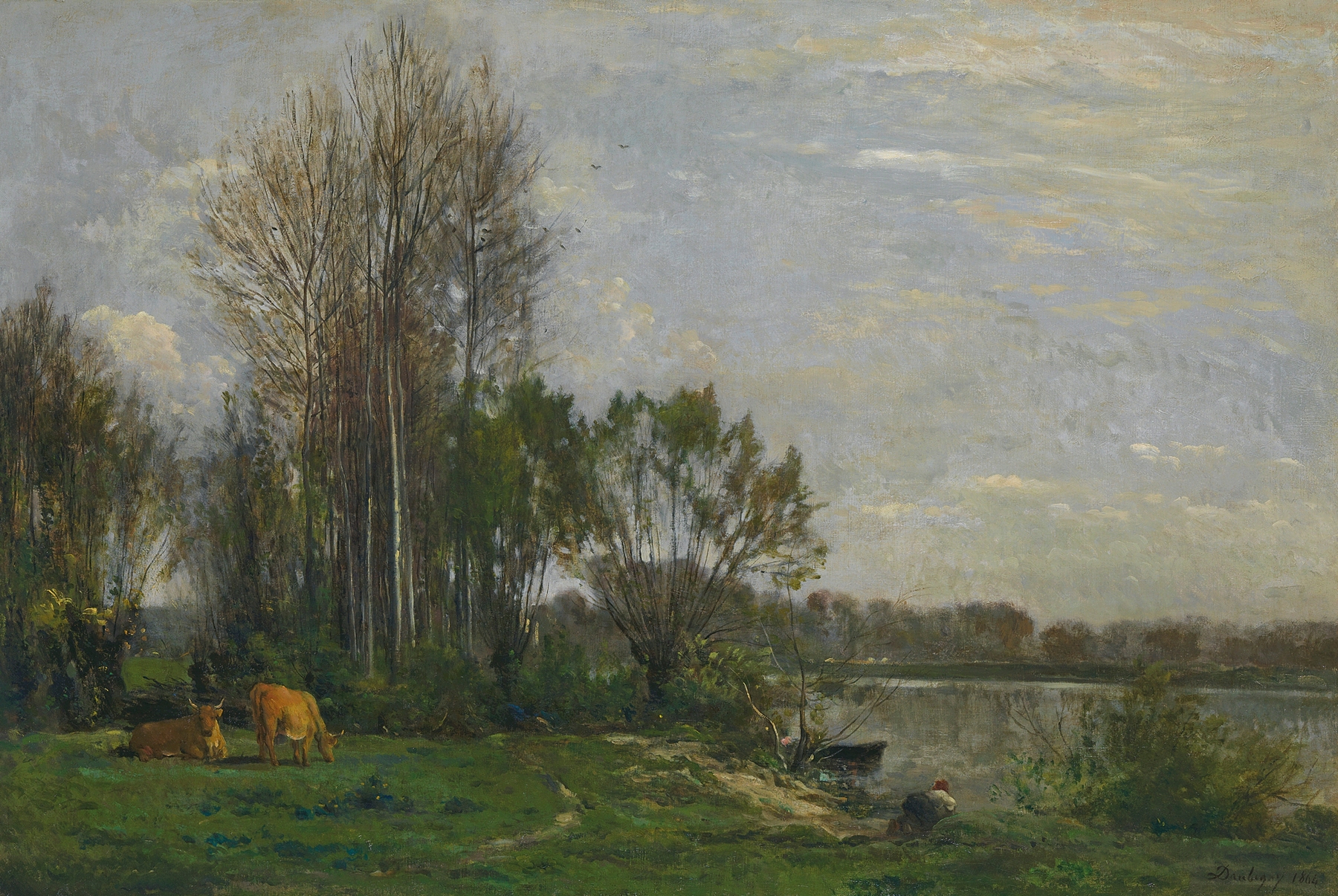
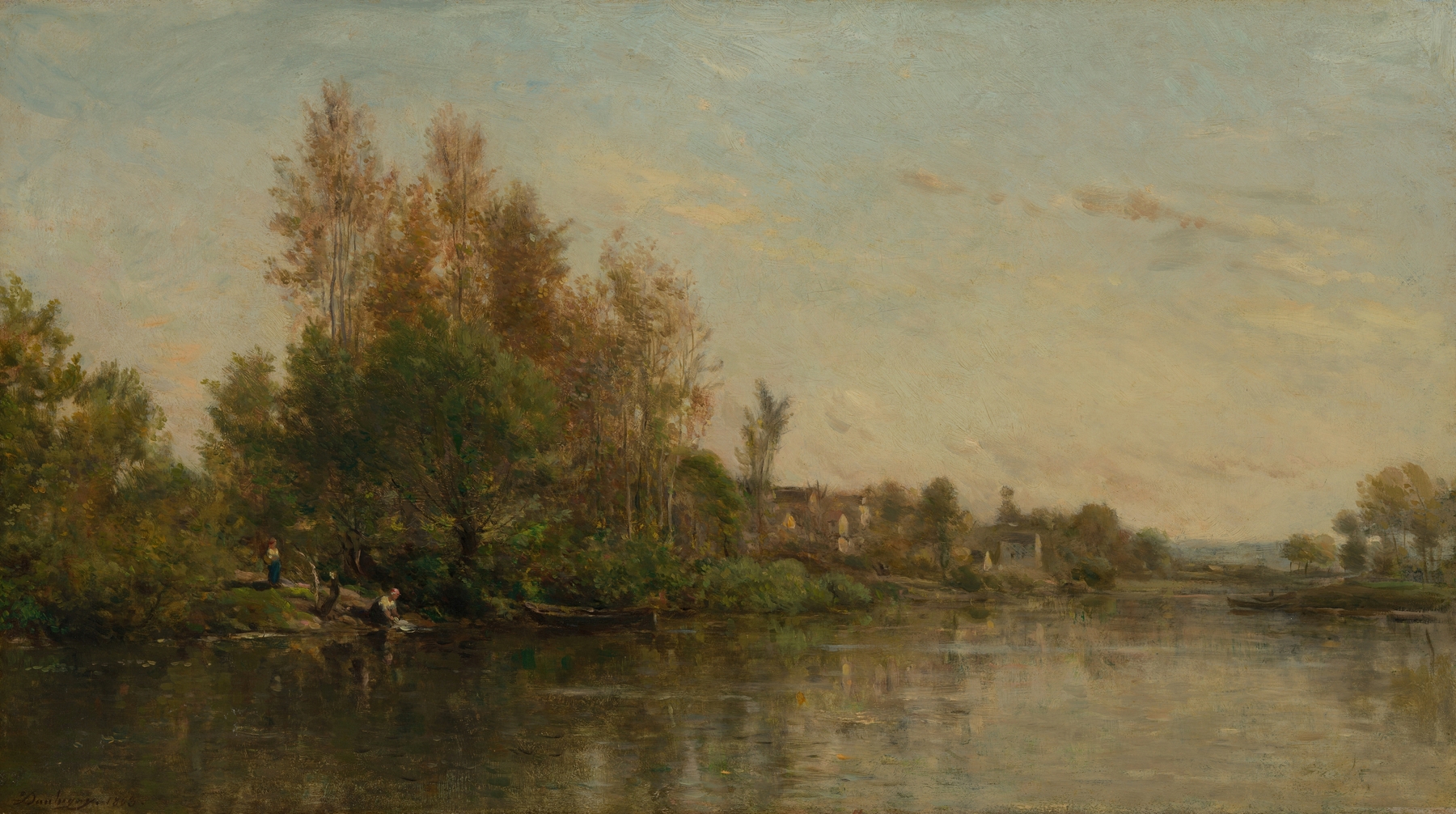
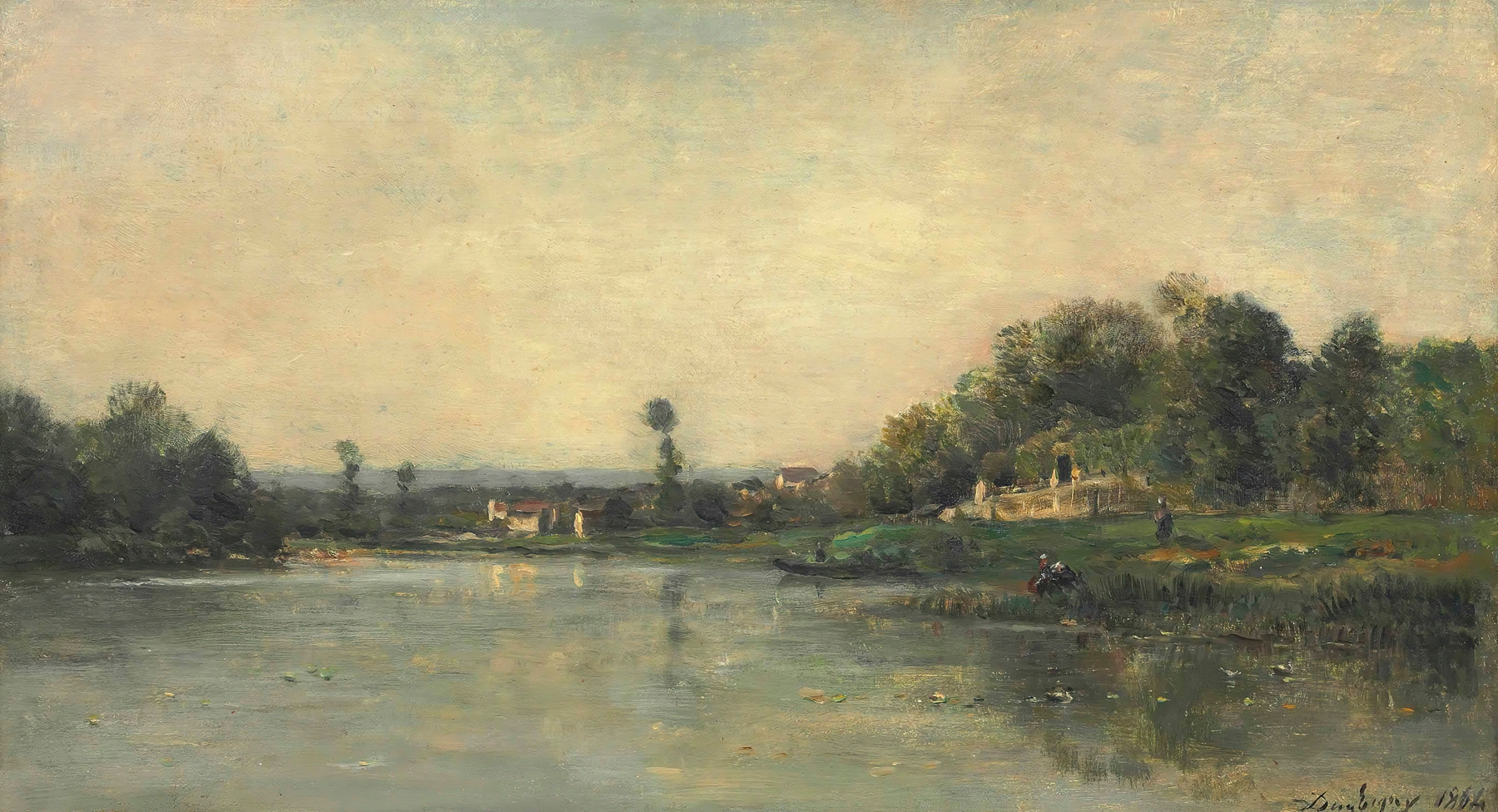
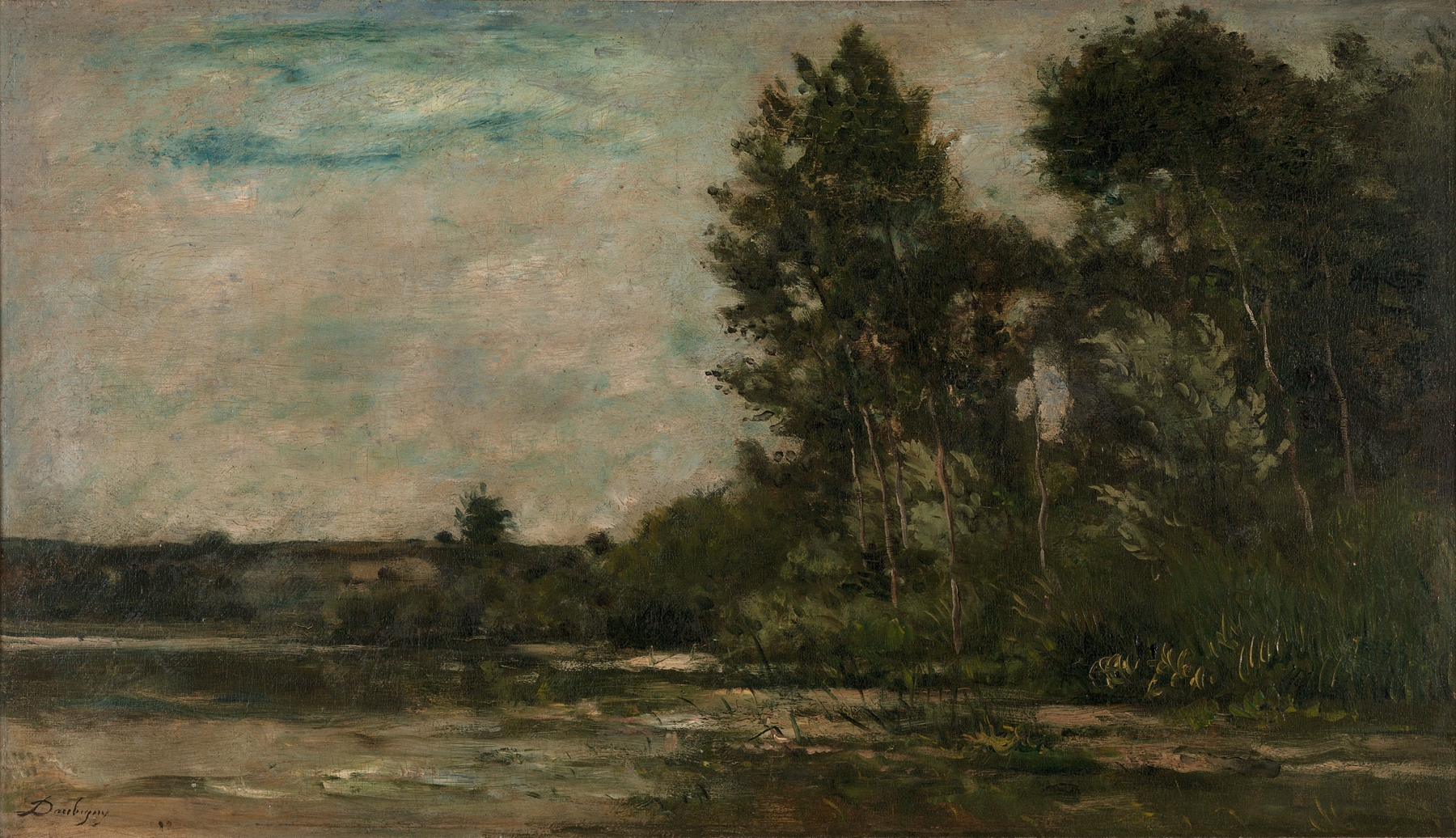
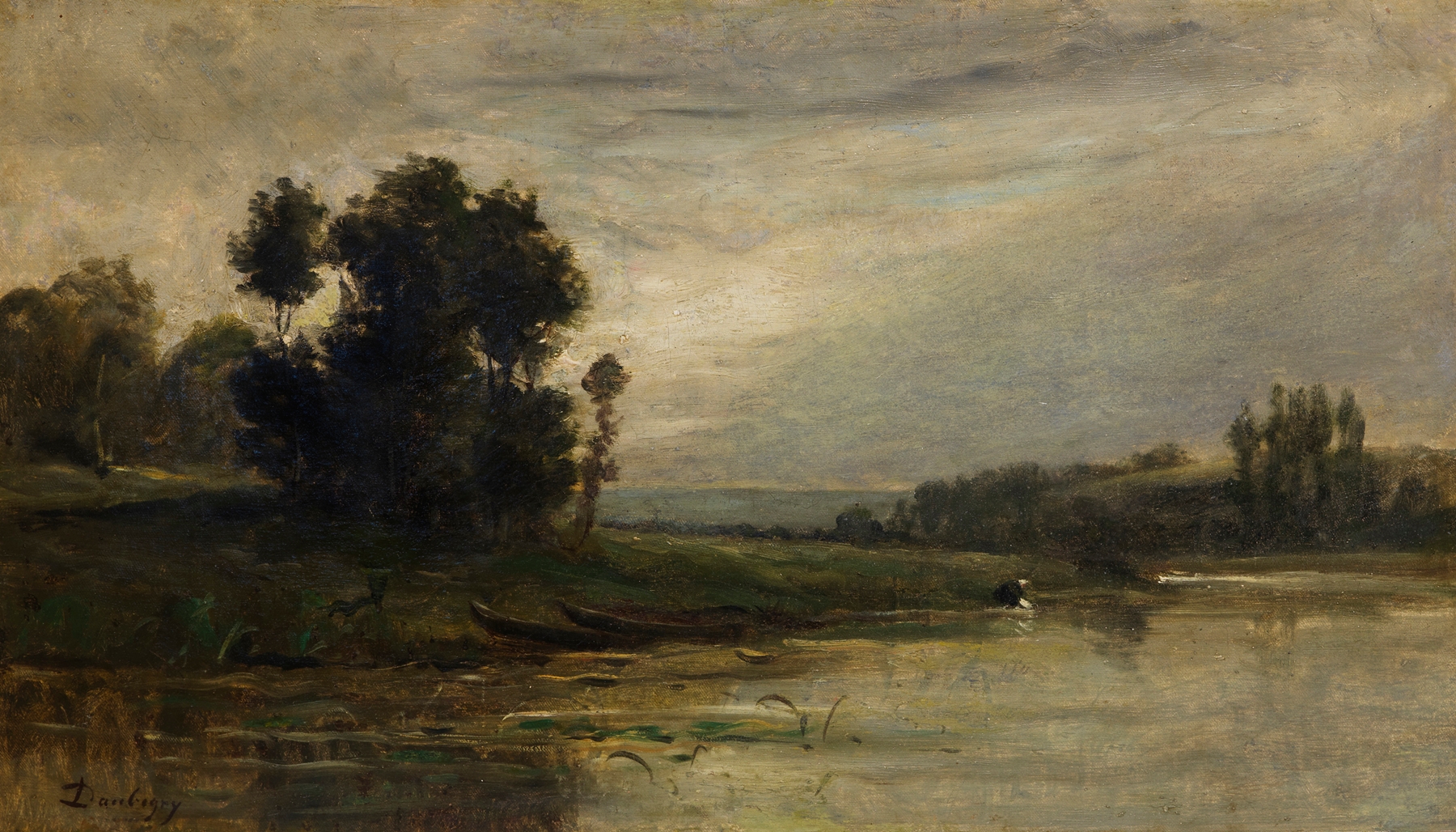
Under the brush, chaos becomes grace. In Bords de l’Oise, the tranquility of nature masks a deeper sorrow, whispering tales of loss and yearning. Look to the left at the gentle curve of the riverbank, where soft greens merge seamlessly with the muted blues of the water. Notice how the light dances upon the surface, creating a shimmering veil that reflects both the sky and the surrounding foliage.
The composition is masterfully balanced, drawing the eye toward the horizon, where the landscape unfolds into an ethereal expanse, inviting contemplation and introspection. Yet, beneath the serene facade lies an emotional undercurrent. The swaying reeds, often a symbol of resilience, appear almost mournful, mirroring the artist’s own struggle with grief. The quiet presence of the water suggests a stillness that belies the turbulence of human emotion.
This juxtaposition between nature’s beauty and the weight of sorrow evokes a poignant sense of reflection, as if every stroke captures a moment of shared grief. Daubigny painted Bords de l’Oise in 1870, at a time when he was deeply connected to the French landscape tradition. As he navigated personal losses, his work resonated with a heightened sensitivity to the interplay of light and shadow, reflecting the broader transition in the art world towards Impressionism. The painting encapsulates not just the physical beauty of the Oise River, but also an intimate glimpse into the artist's emotional landscape during a transformative period in his life.