Bords de l’Oise — History & Analysis
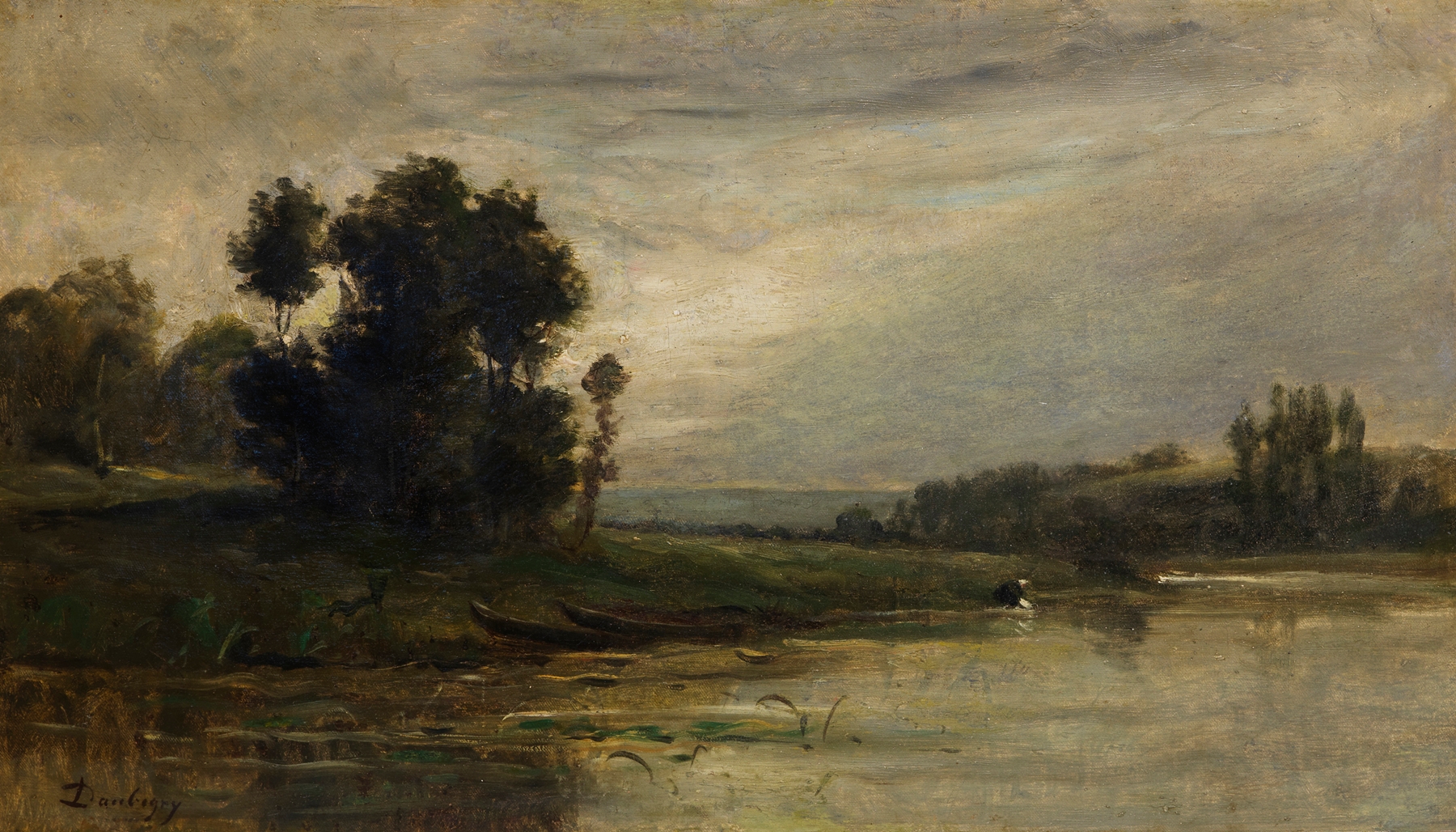
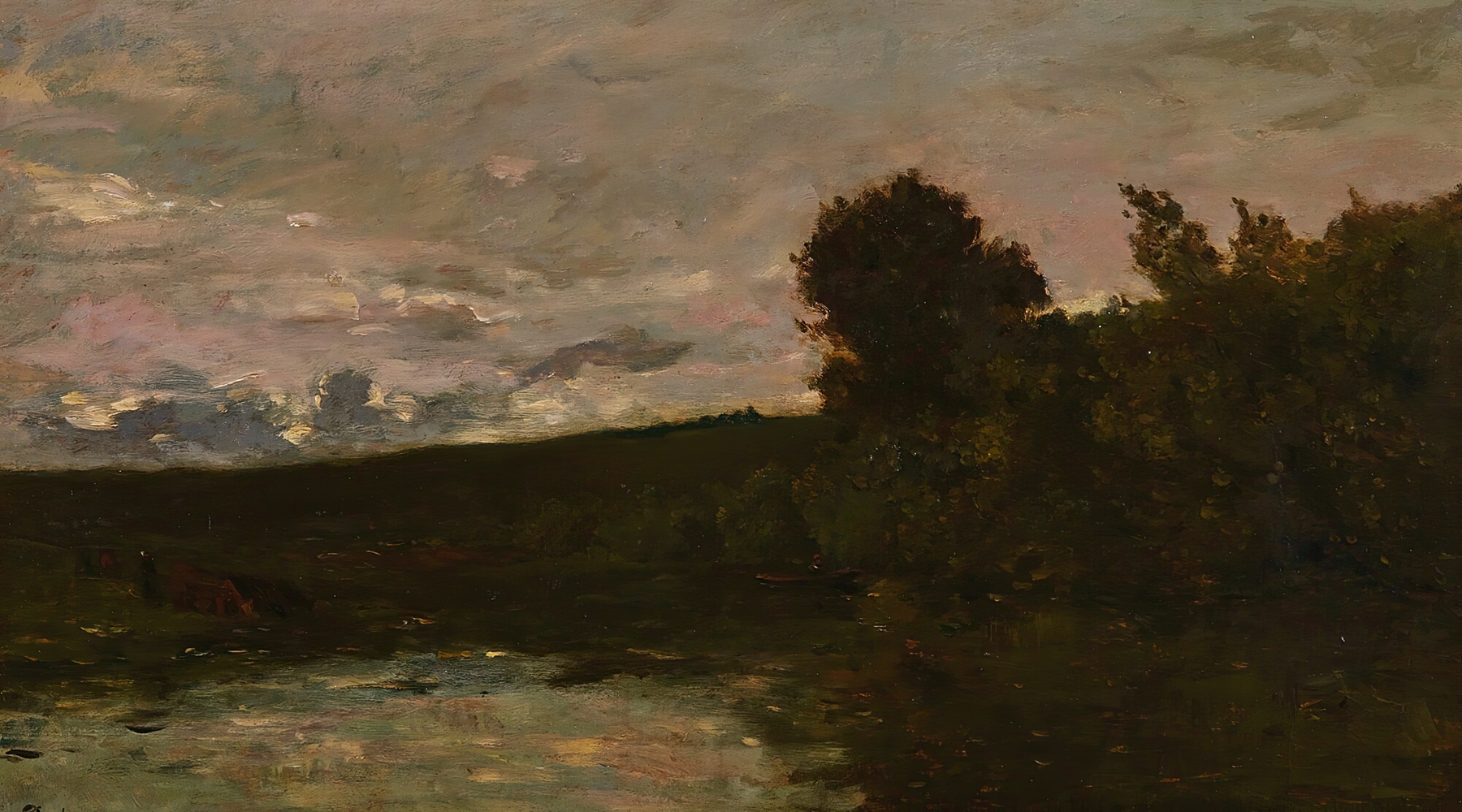
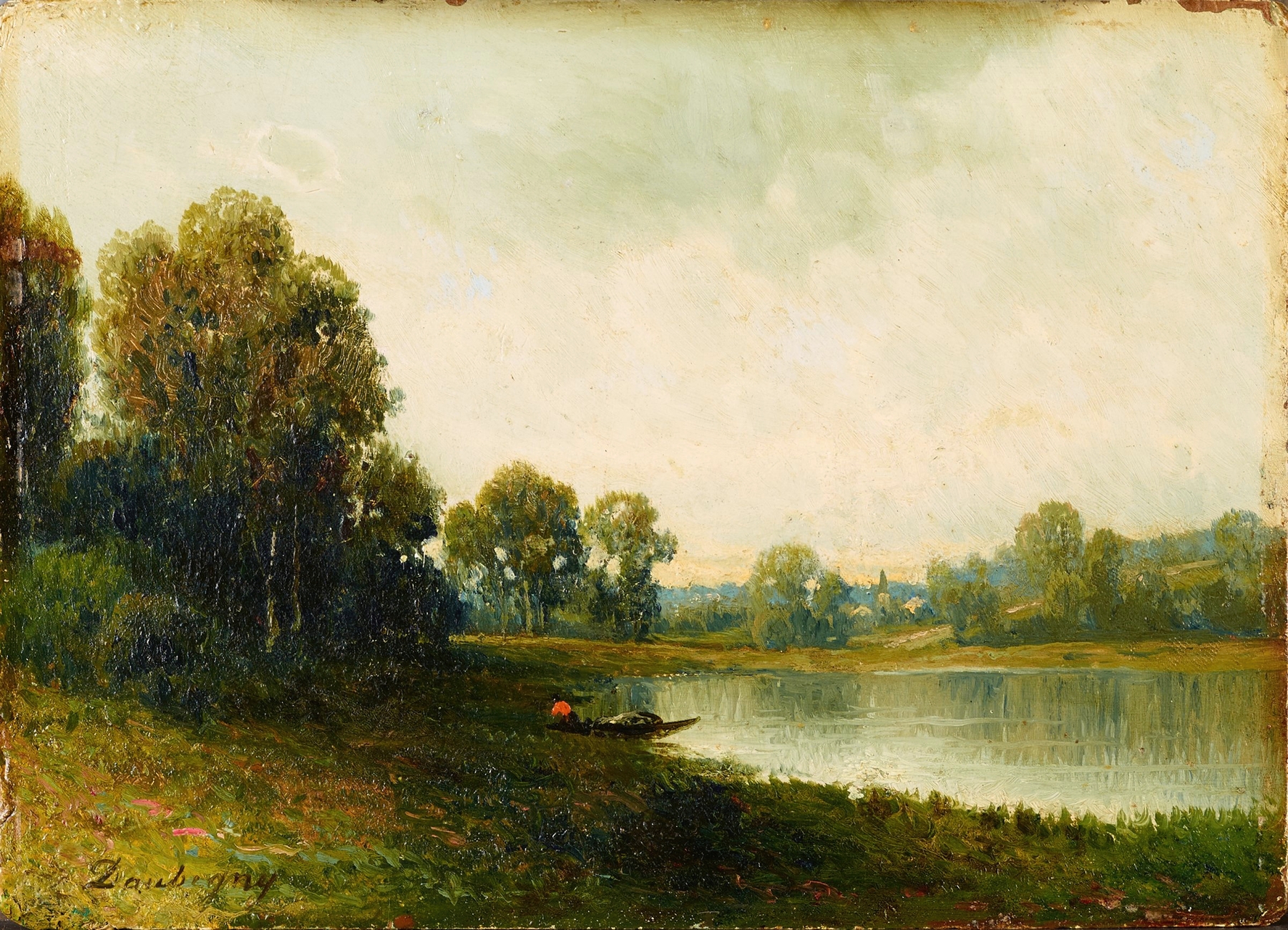
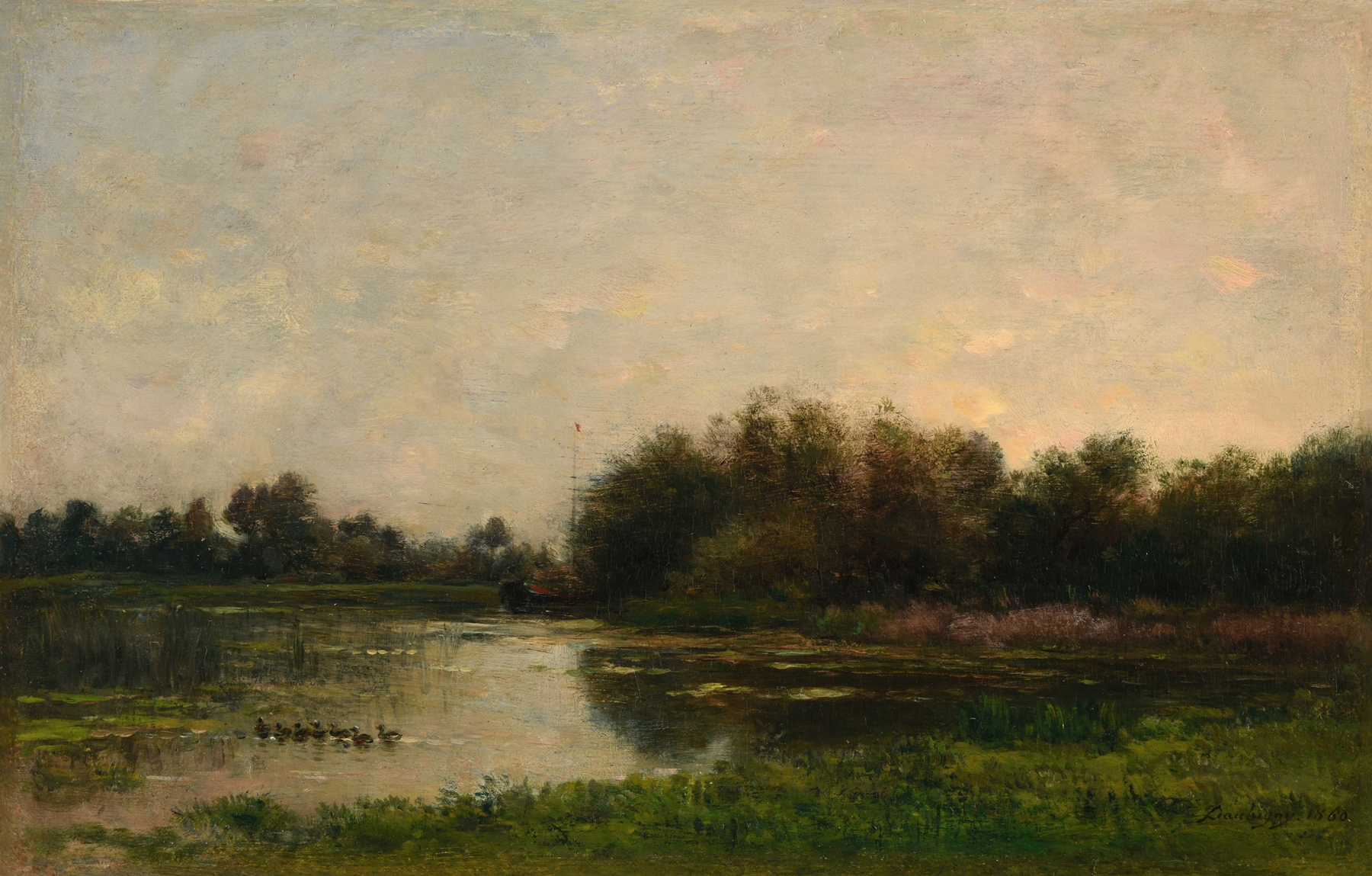
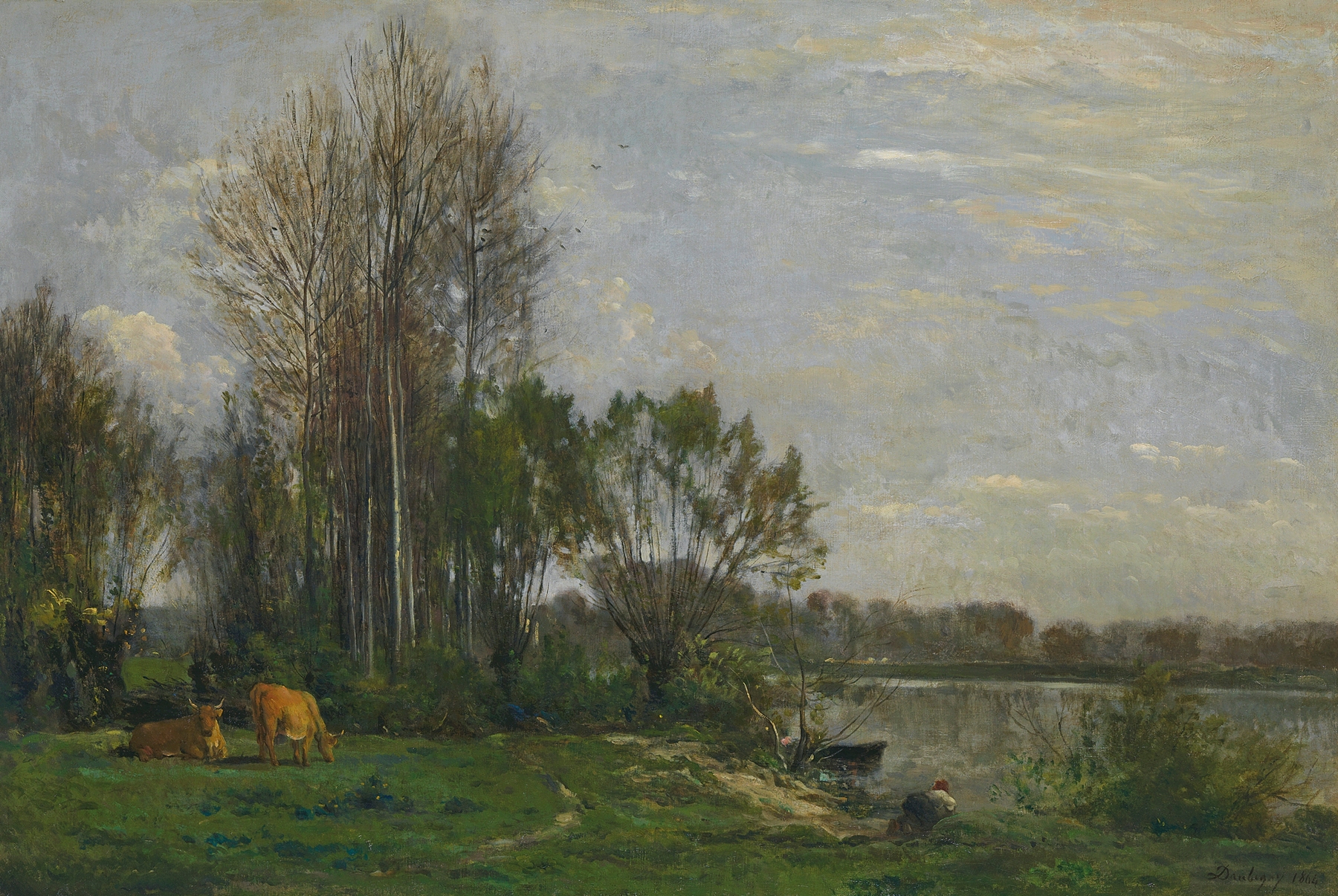
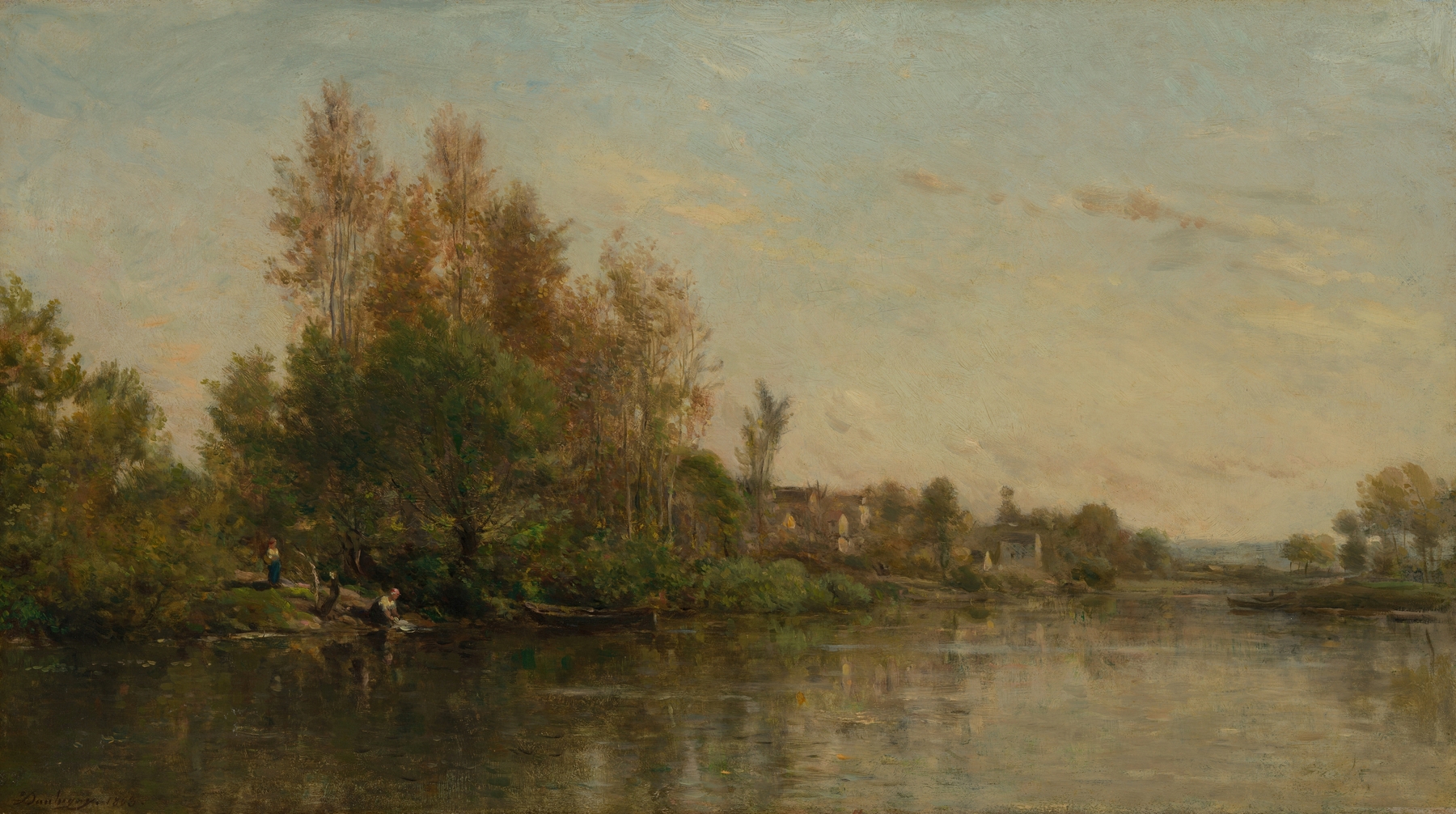
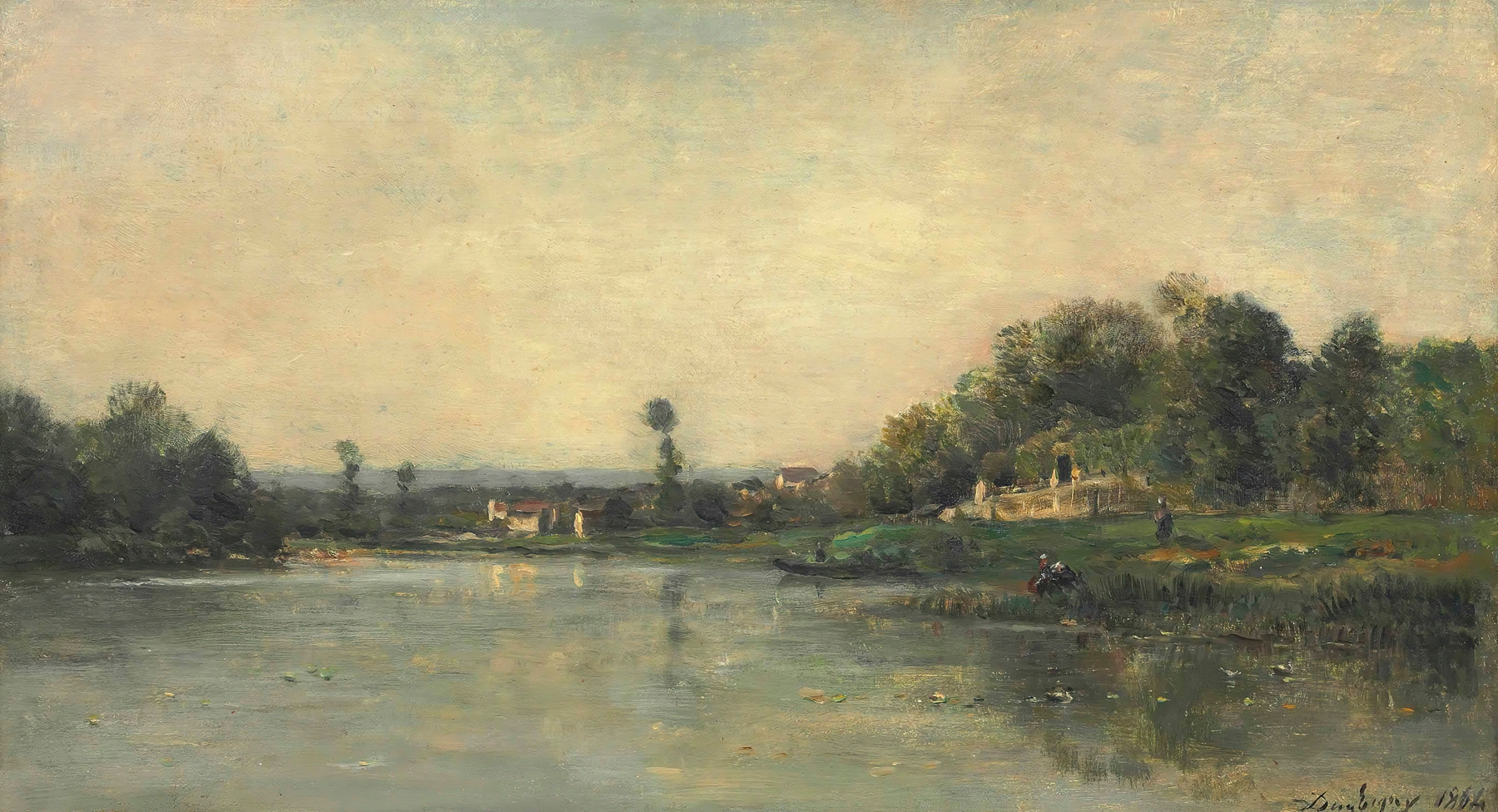
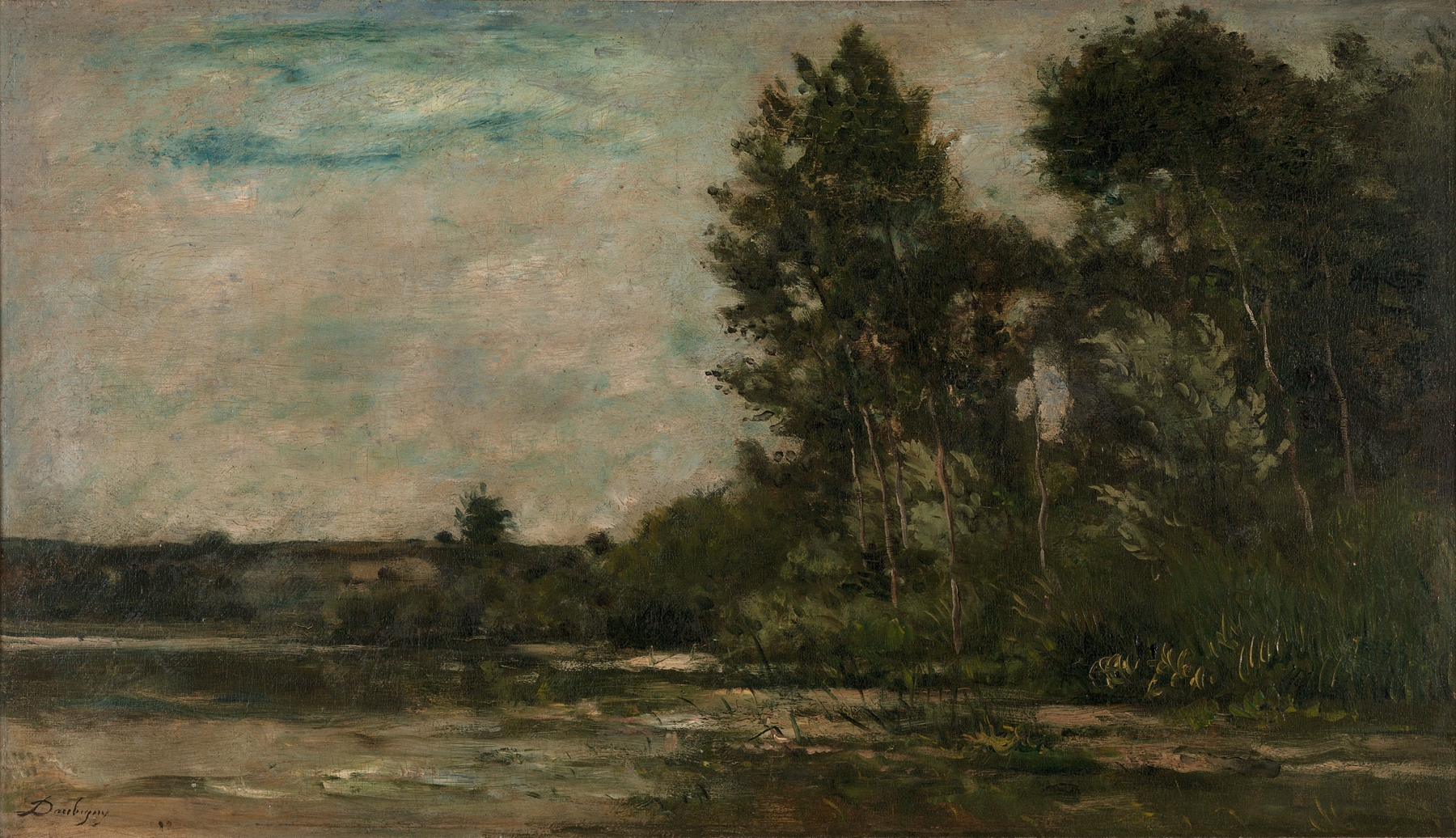
“Sometimes beauty is just pain, disguised in gold.” This statement resonates deeply within the tranquil yet melancholic strokes of the canvas, inviting contemplation on the nature of beauty and the fragility of existence. Focus first on the soft, muted palette that envelops the scene. Look to the horizon where the gentle blend of blues and greens creates a harmonious backdrop, suggesting the vastness of the sky and the serenity of the riverbank. Notice how the delicate brushwork captures the ripples of the Oise, each stroke a whisper of movement that contrasts with the stillness of the surrounding nature.
The composition, with its thoughtful layering of trees and water, draws the viewer into a moment that feels both fleeting and eternal. As you delve deeper, consider the silent narrative woven through the painting. The interplay of light on the water hints at fleeting joy, while the dark, dense foliage stands as a reminder of encroaching shadows—perhaps a metaphor for life’s inevitable sorrows. The lonely boat, resting at the water's edge, symbolizes solitude and reflection, evoking a profound sense of longing amidst the calm of nature.
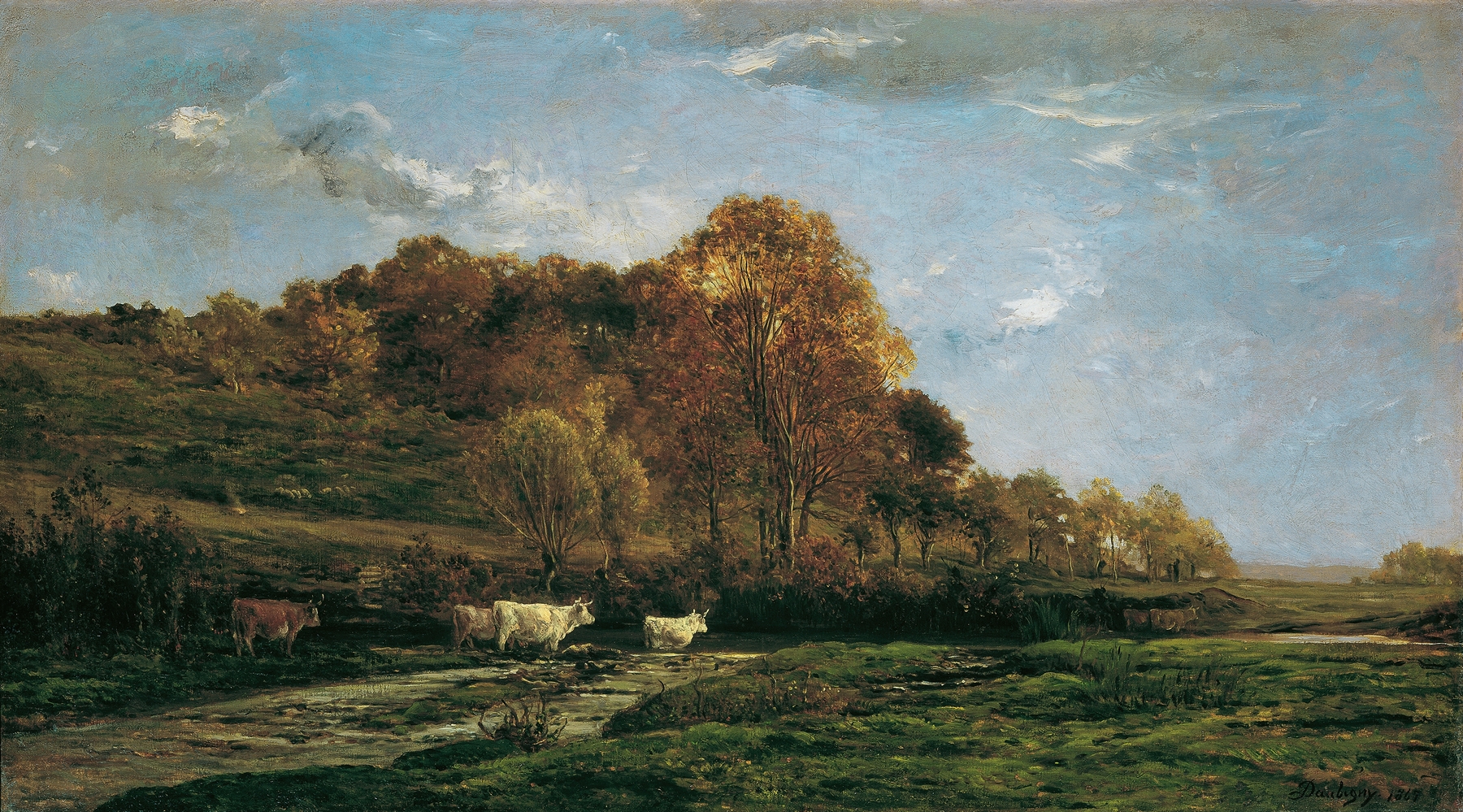
These elements come together to create a poignant tension, where beauty carries an undercurrent of melancholy. Created around 1860, this work emerged during a period when the artist was exploring the transformative power of nature in his landscapes. Living in France, Daubigny was at the heart of the Barbizon movement, which sought to capture the essence of the natural world. This era was marked by a shift towards realism in art, as artists like him rejected the constraints of academic painting, embracing instead a more personal, emotive connection to their surroundings.