Les Bord De L’oise — History & Analysis
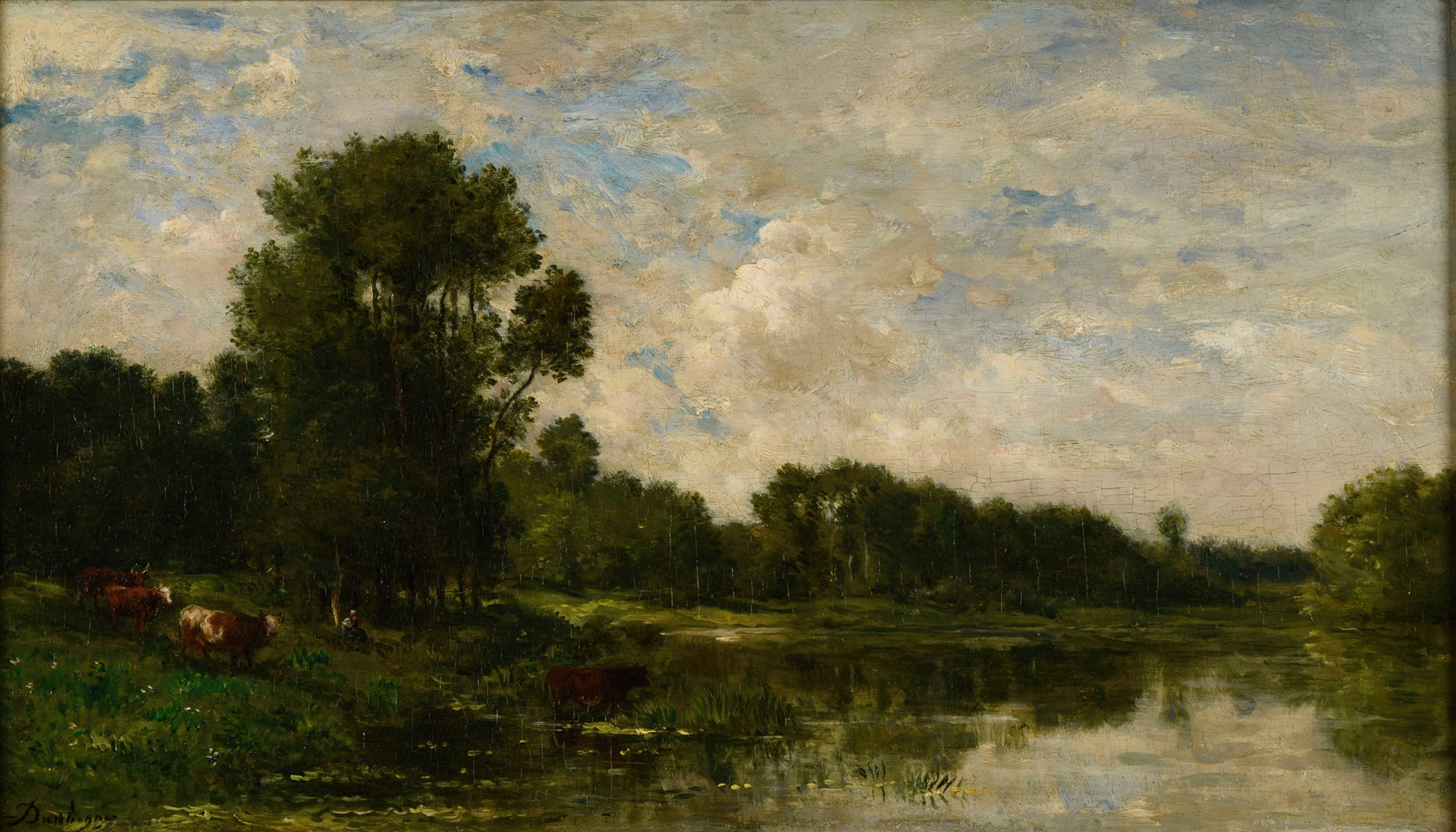
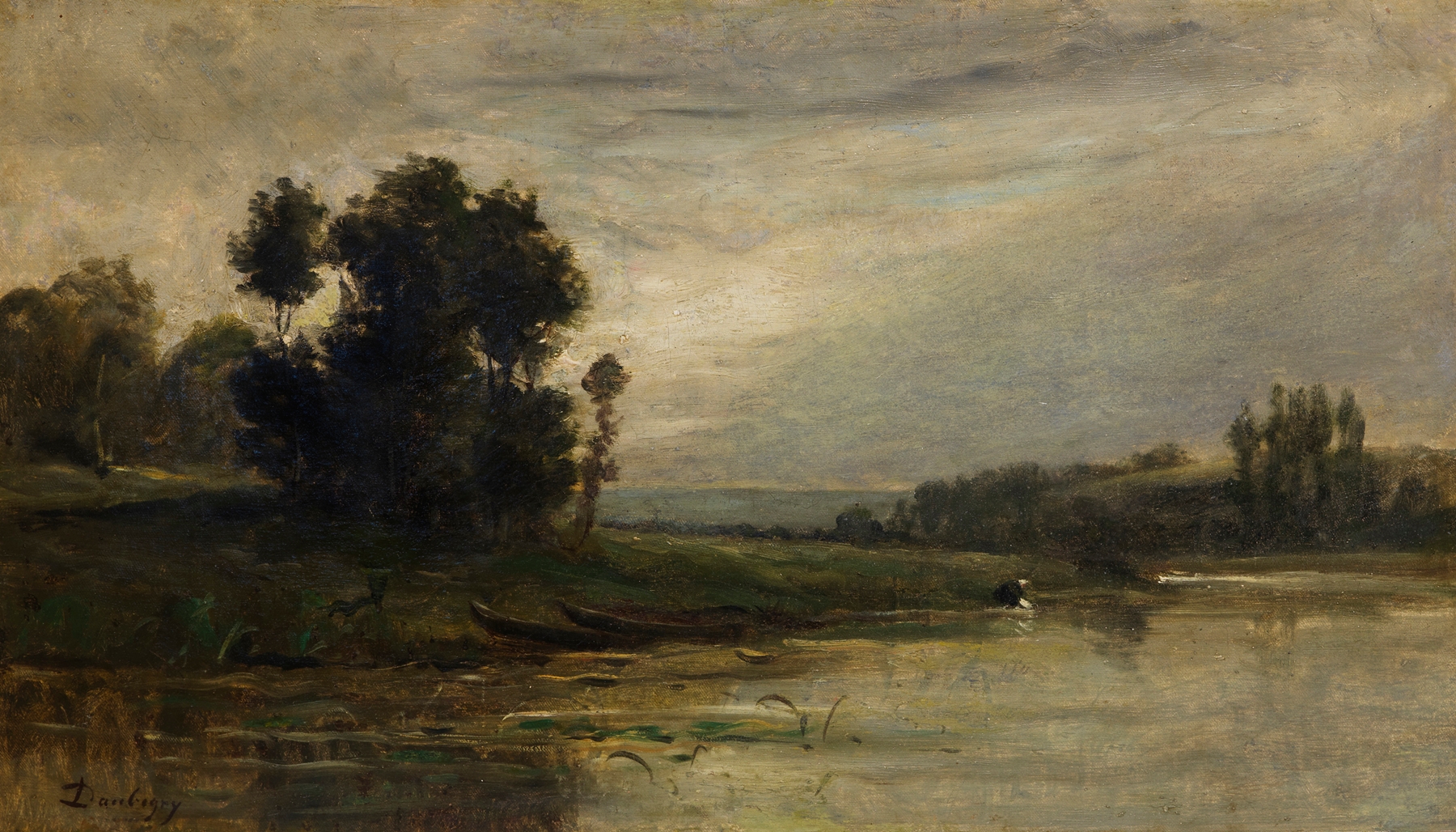
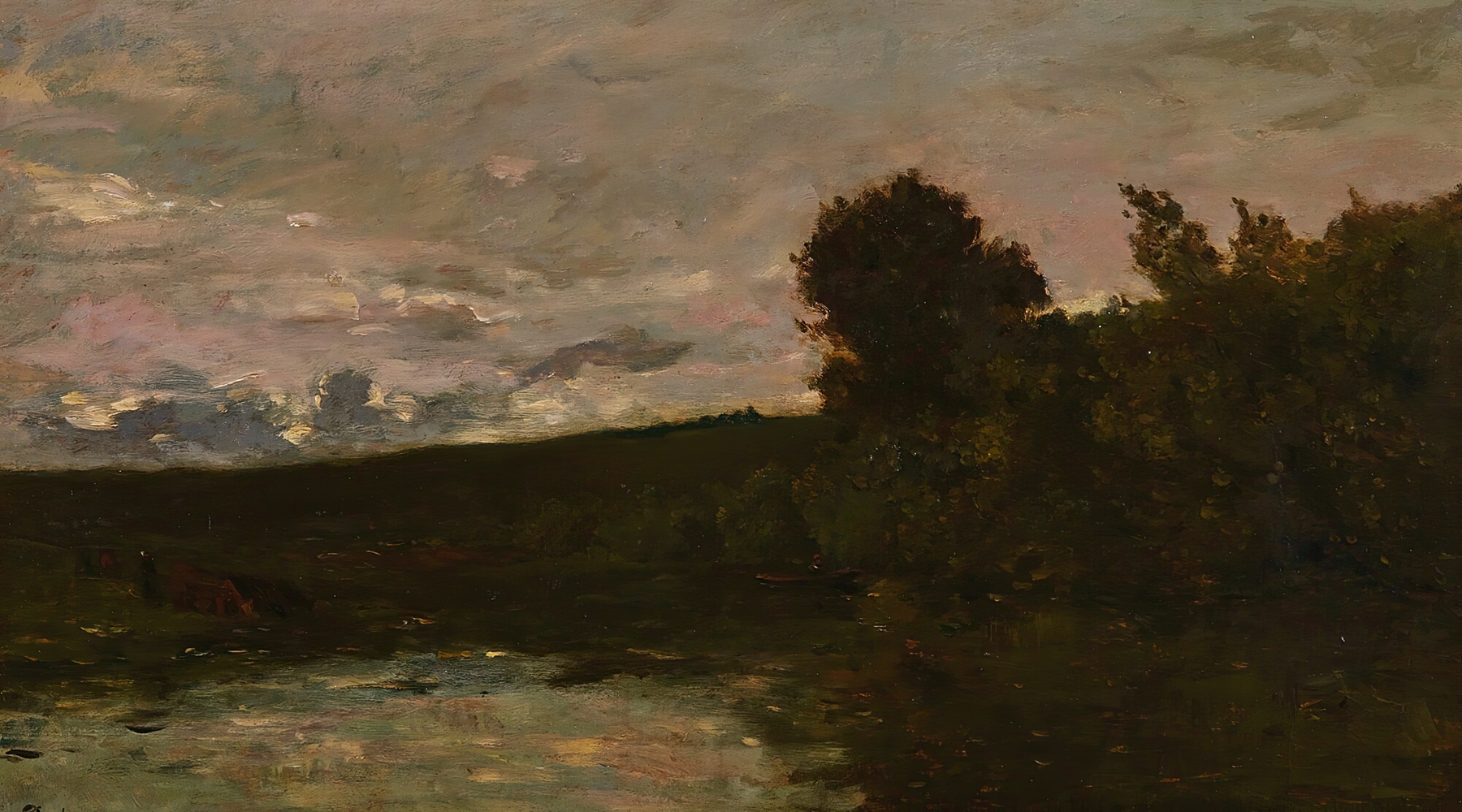
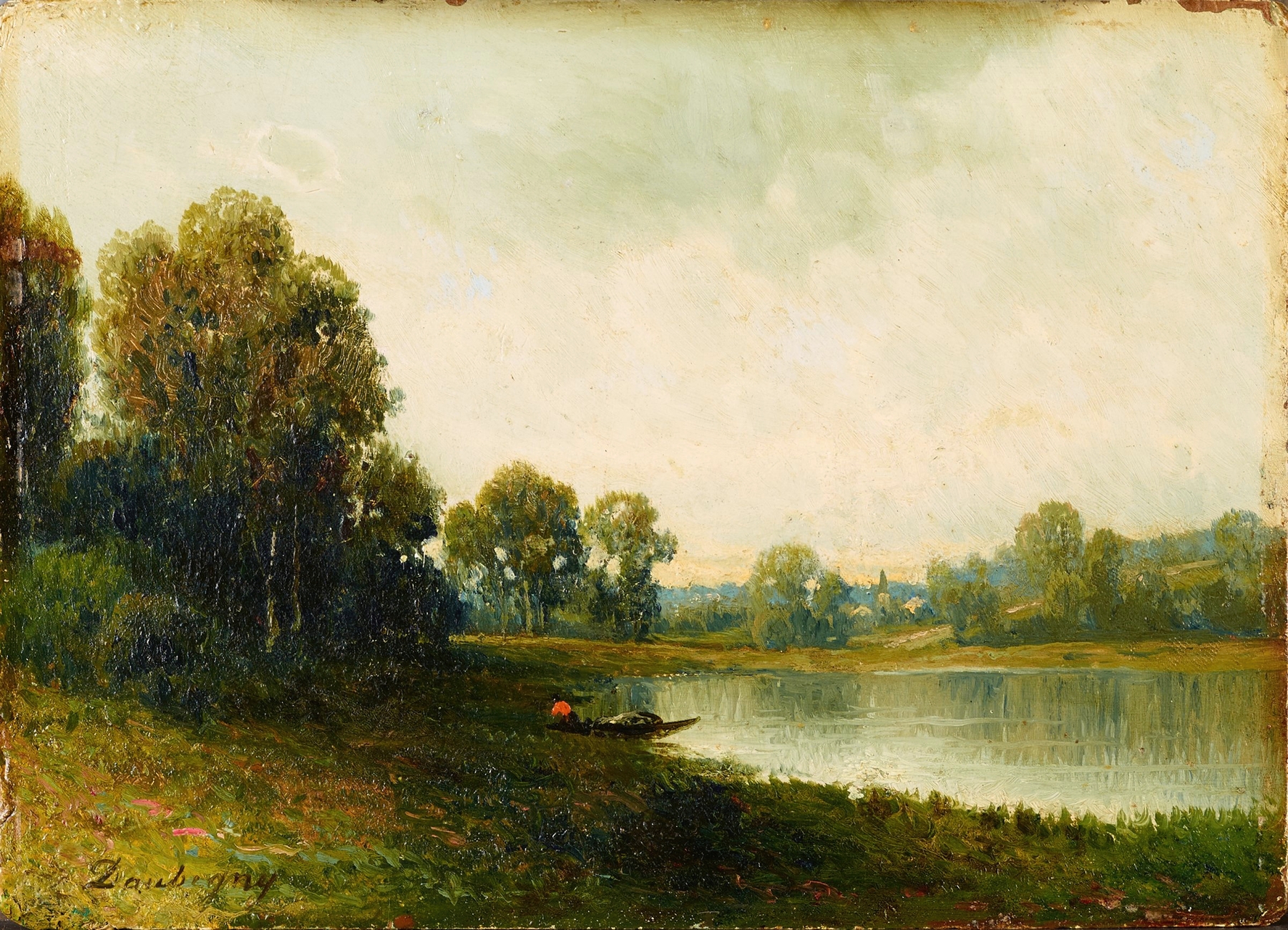
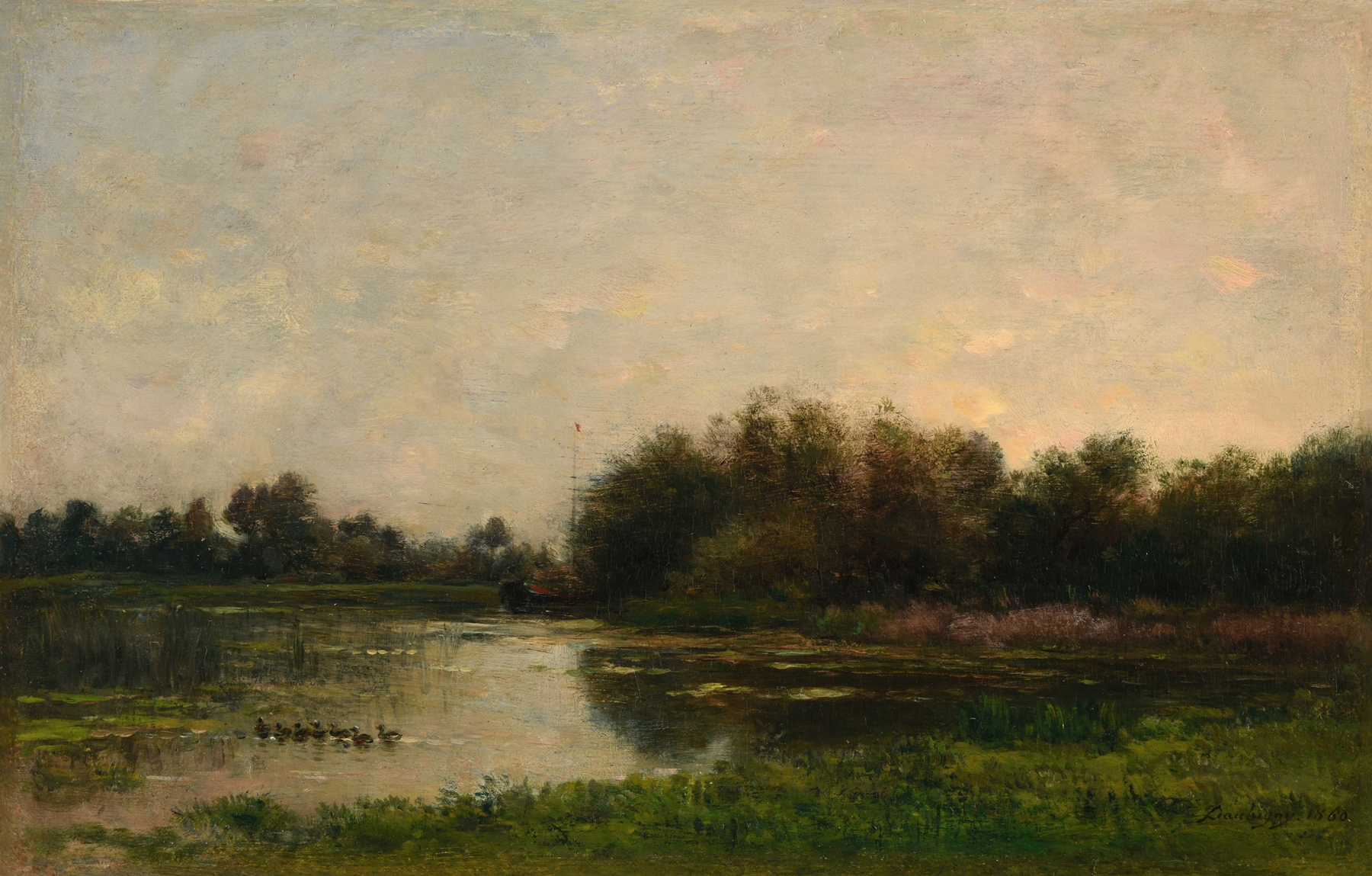
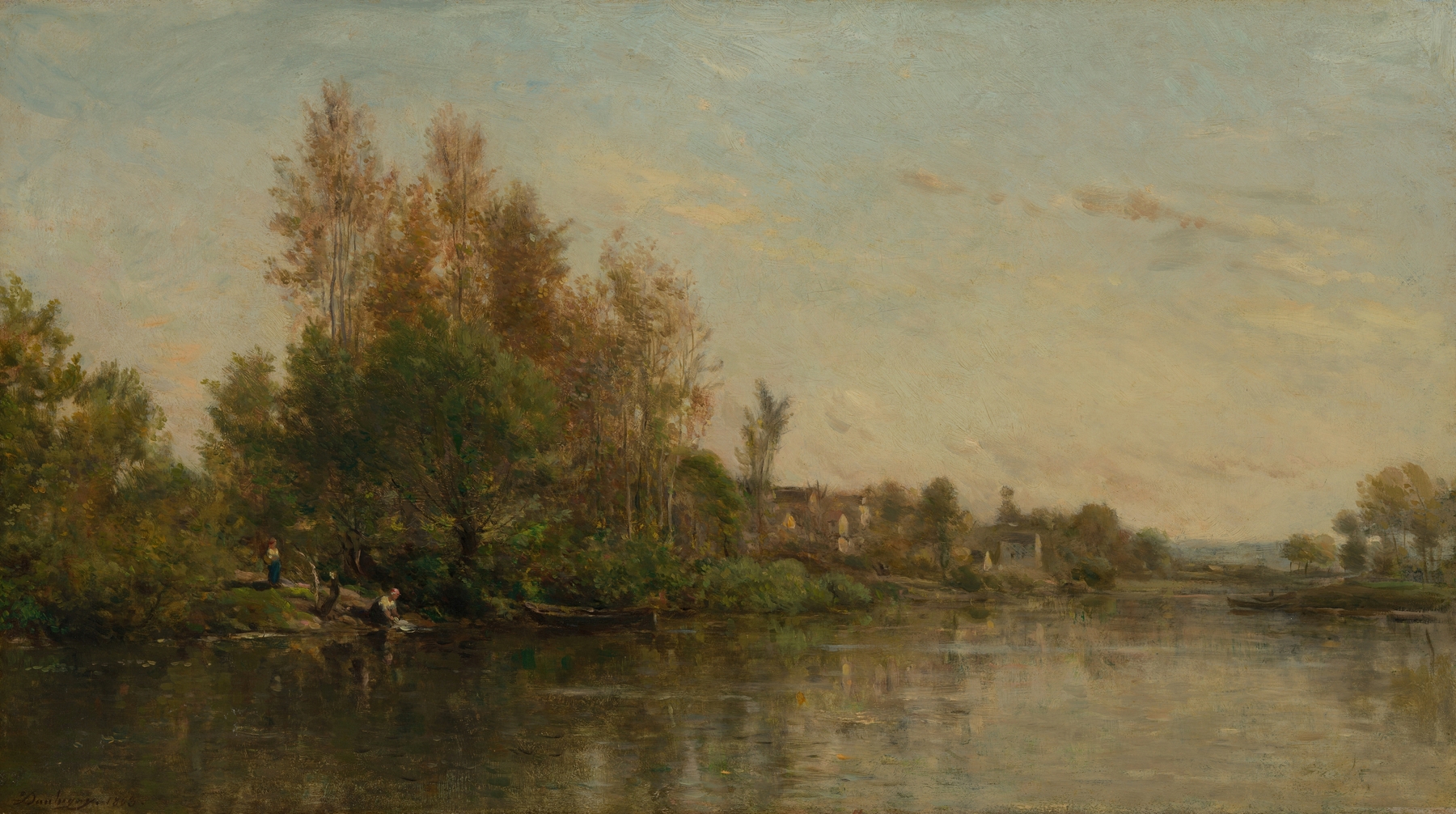
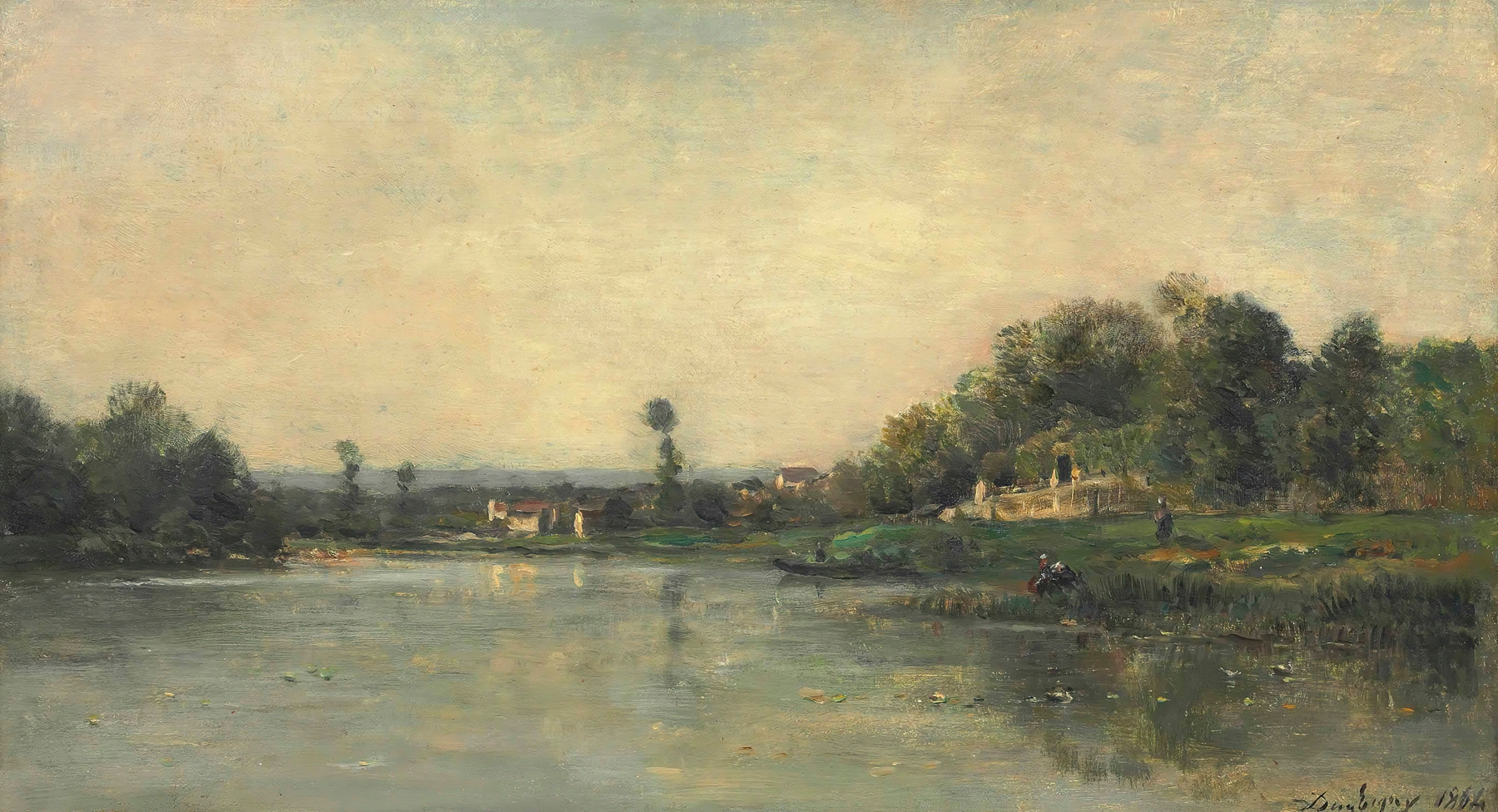
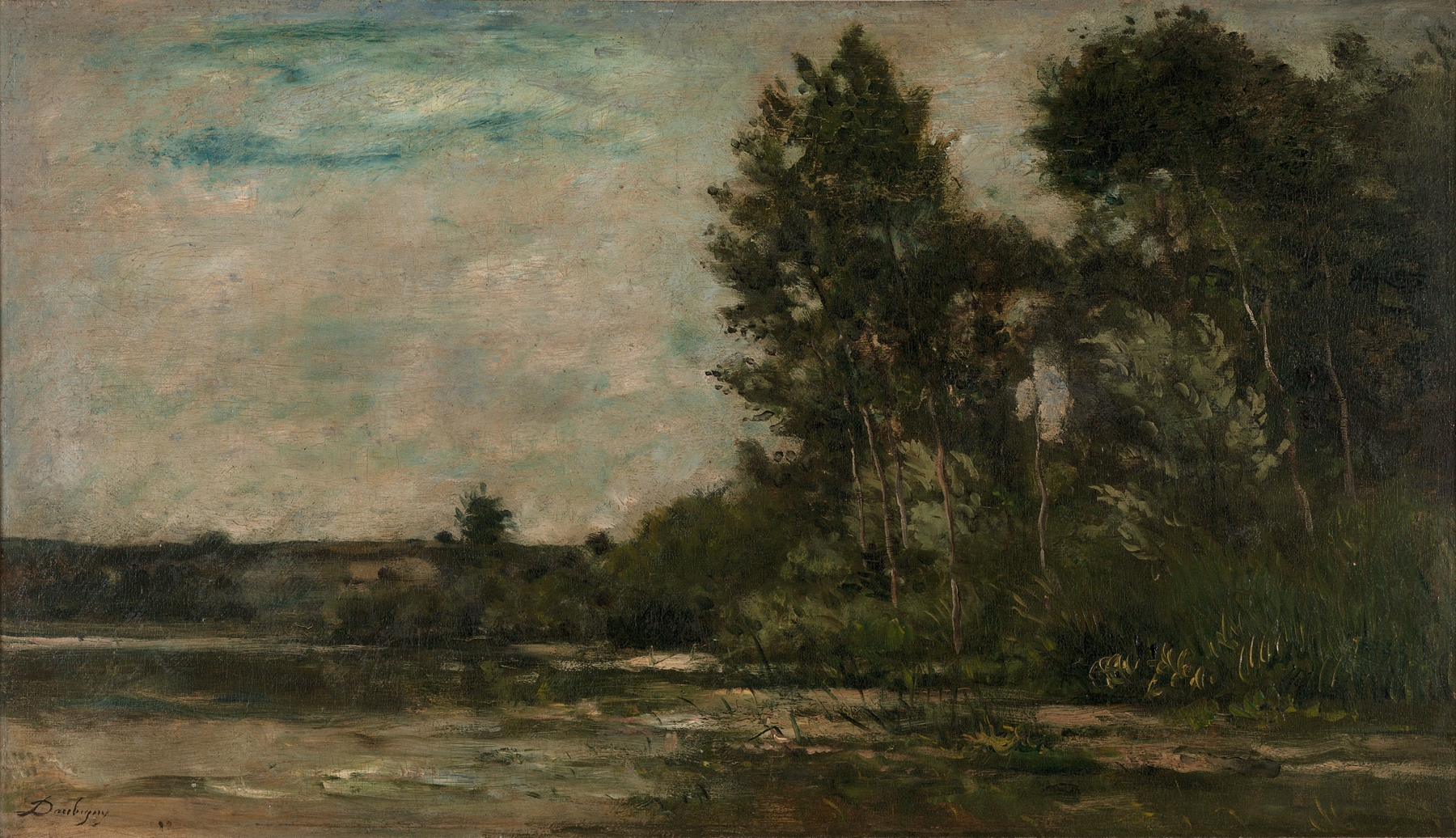
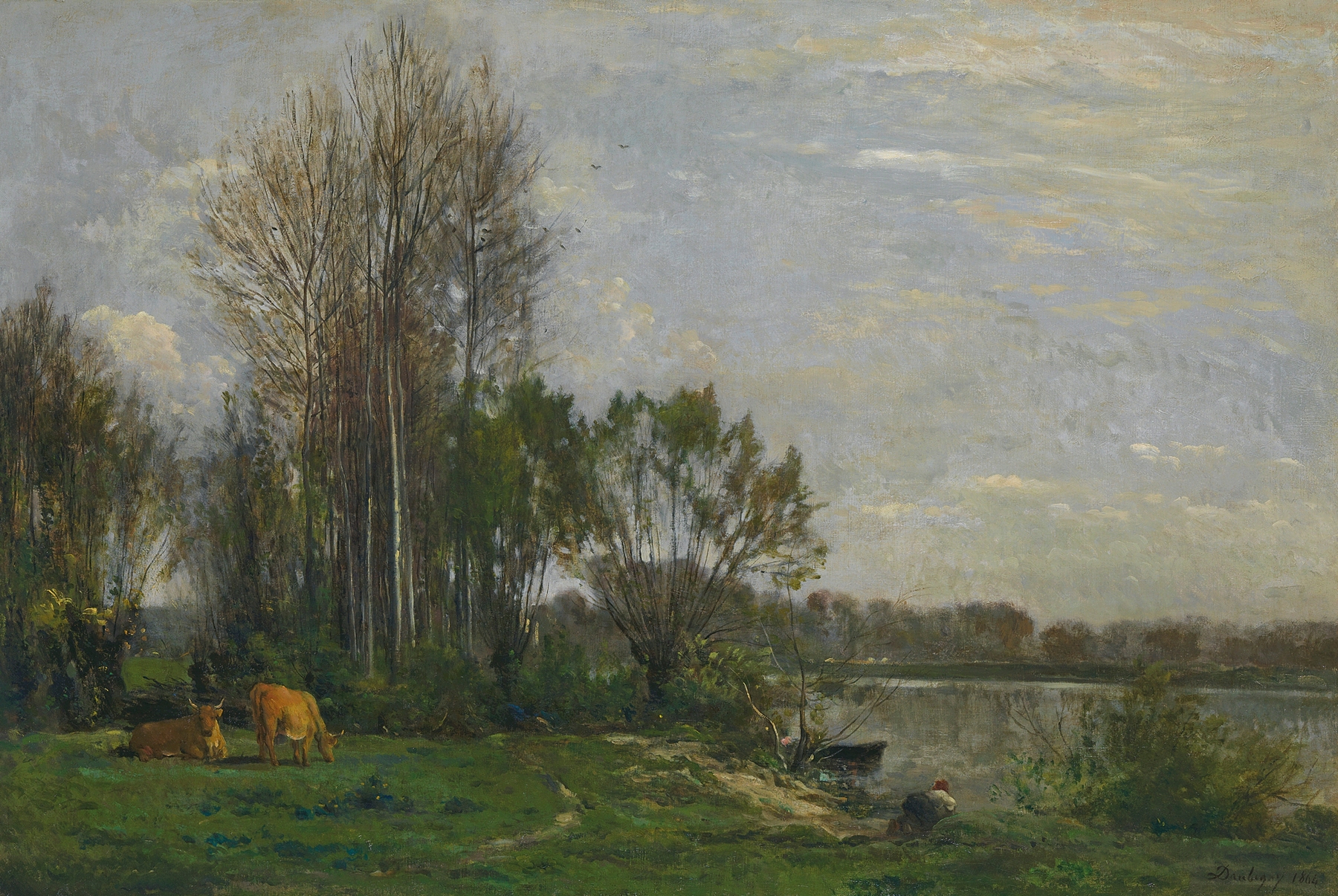
What if silence could speak through light? In Les Bord De L’oise, the tranquility of the riverside envelops the viewer, inviting a deep breath filled with hope and serenity. Look to the left at the gentle currents of the Oise River as they weave through the landscape, shimmering under the soft embrace of the afternoon sun. The brushwork is fluid, with strokes that dance across the canvas, reminiscent of the ripples on water.
Notice how the vibrant greens and golden hues blend harmoniously, creating a lush foreground that draws the eye, while the distant trees stand like sentinels, adding depth and calm to the scene. The interplay of light and shadow captures a moment suspended in time, rife with emotional undertones. The luminous sky hints at the promise of a new day, while the reflective waters suggest a quiet introspection. Small details, such as the subtle play of light on the leaves and the delicate strokes depicting nature's gentle touch, evoke a sense of peace that resonates beyond mere observation.
This is a sanctuary where nature’s whispers are heard, and hope flourishes quietly. In 1864, Charles François Daubigny painted this work during a period of personal and artistic reflection. Living in the midst of the burgeoning Impressionist movement, he sought to encapsulate the beauty of everyday life and the natural world around him. With a focus on the effects of light and atmosphere, he firmly established himself as a bridge between Romanticism and Impressionism, capturing not just scenes but the very essence of their emotional resonance.