Herbstliche Aulandschaft Abendstimmung — History & Analysis
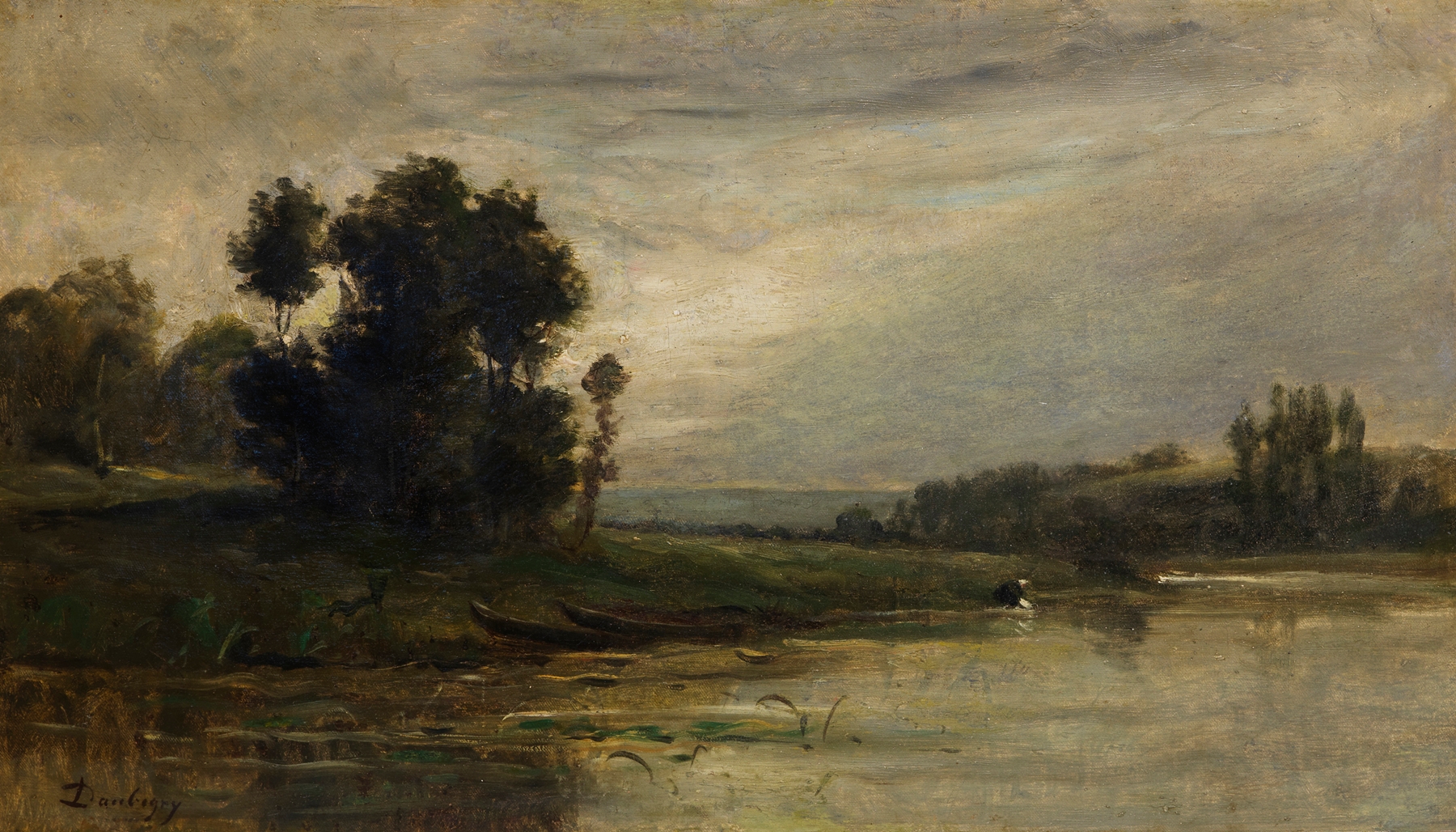
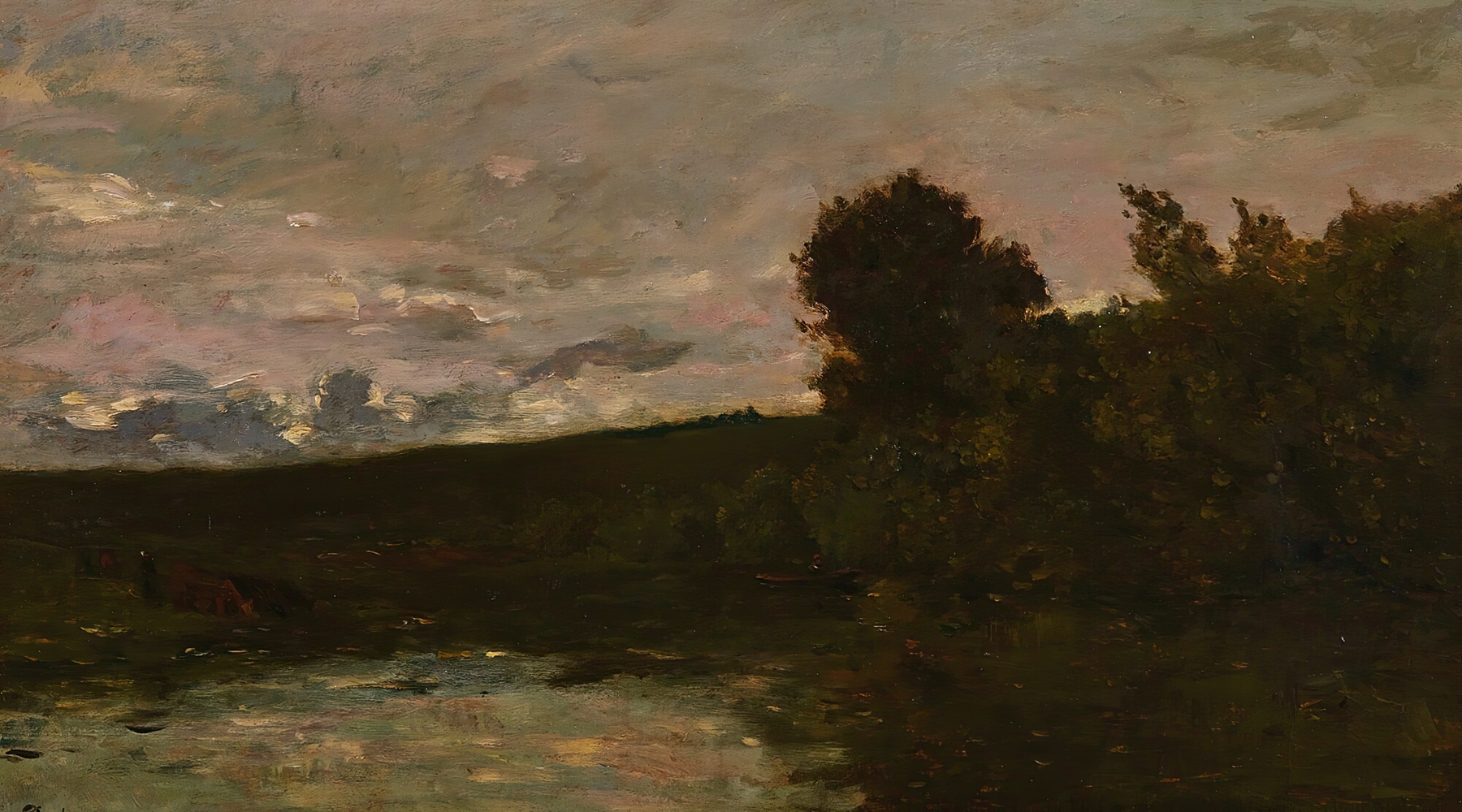
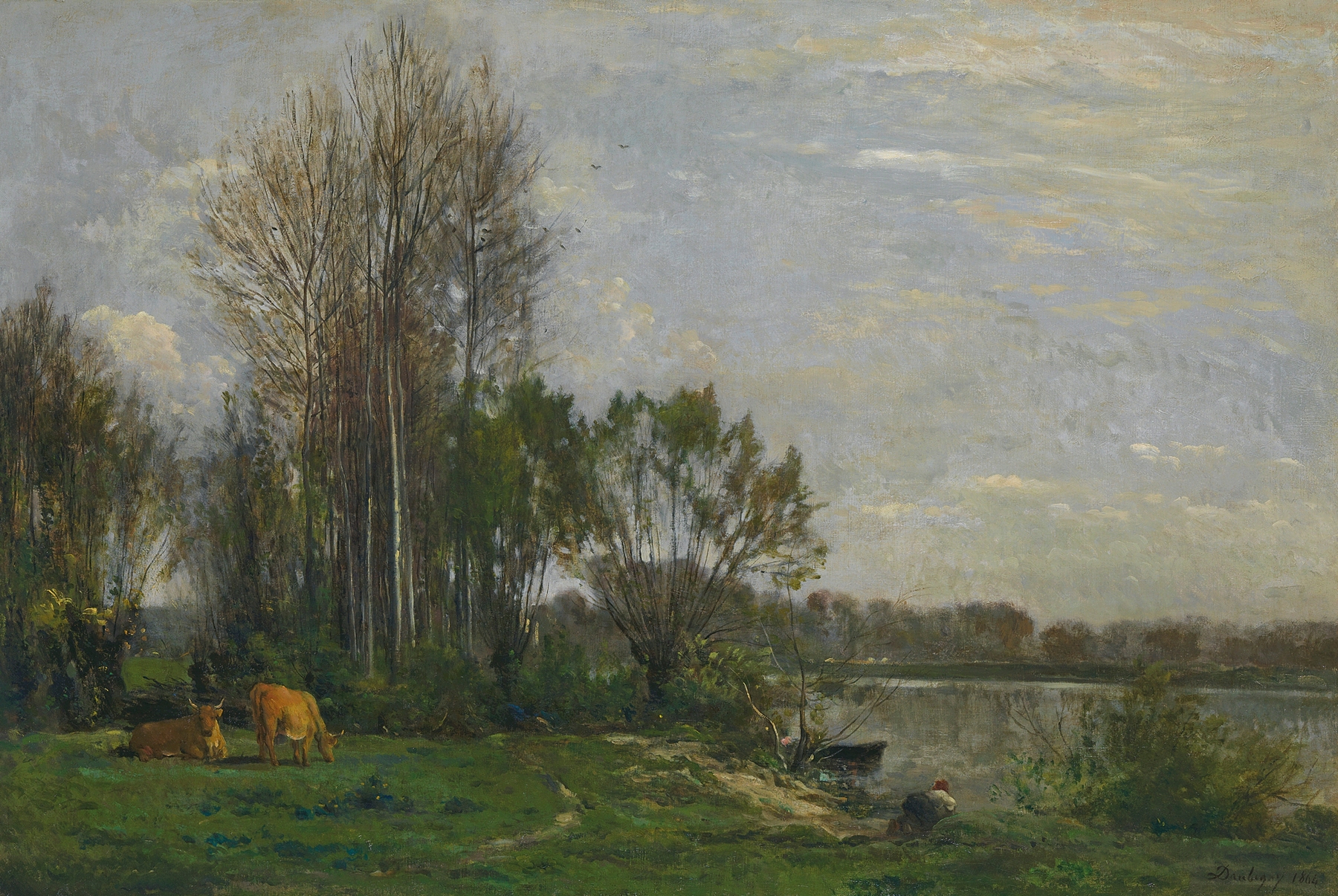
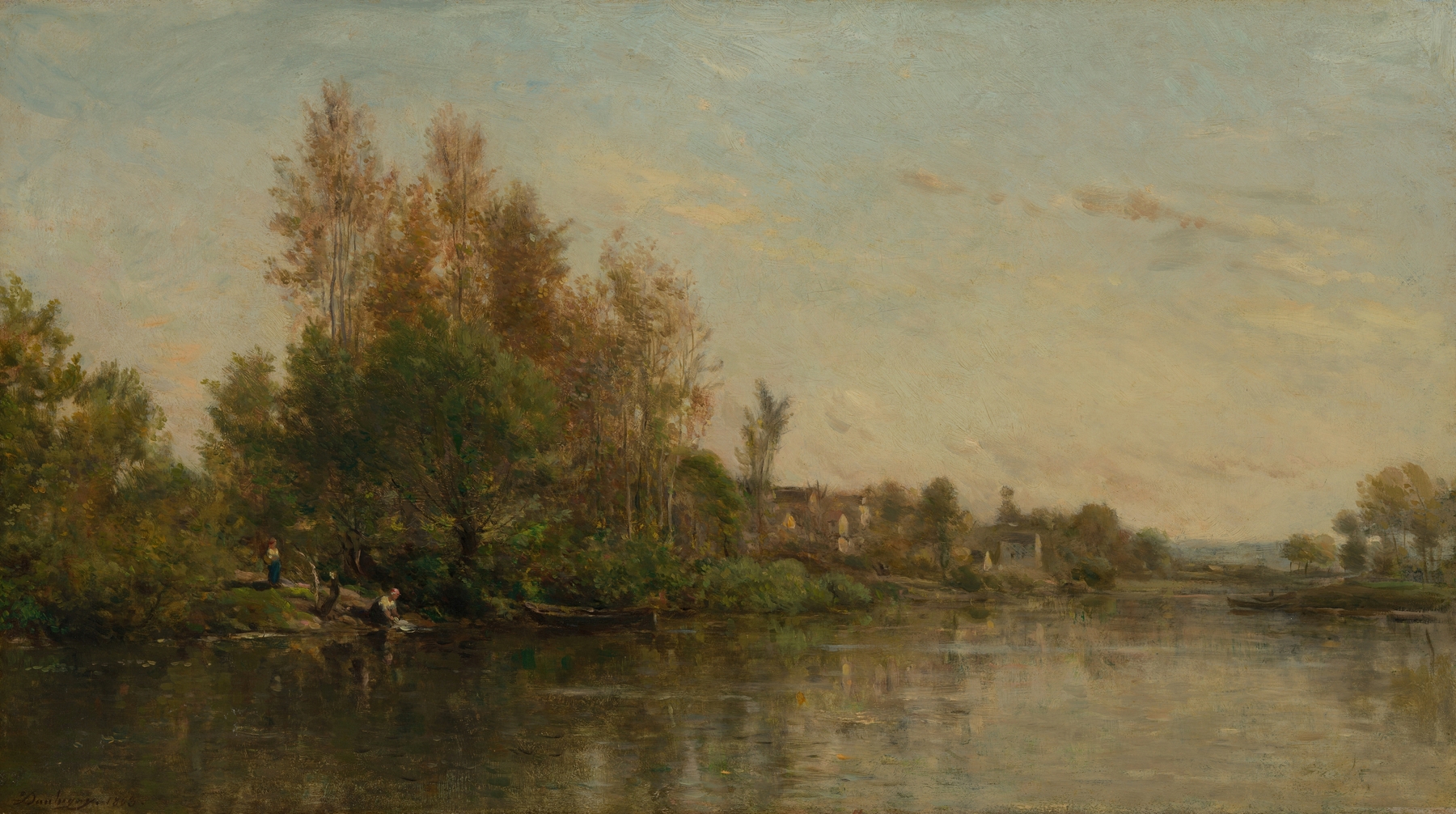
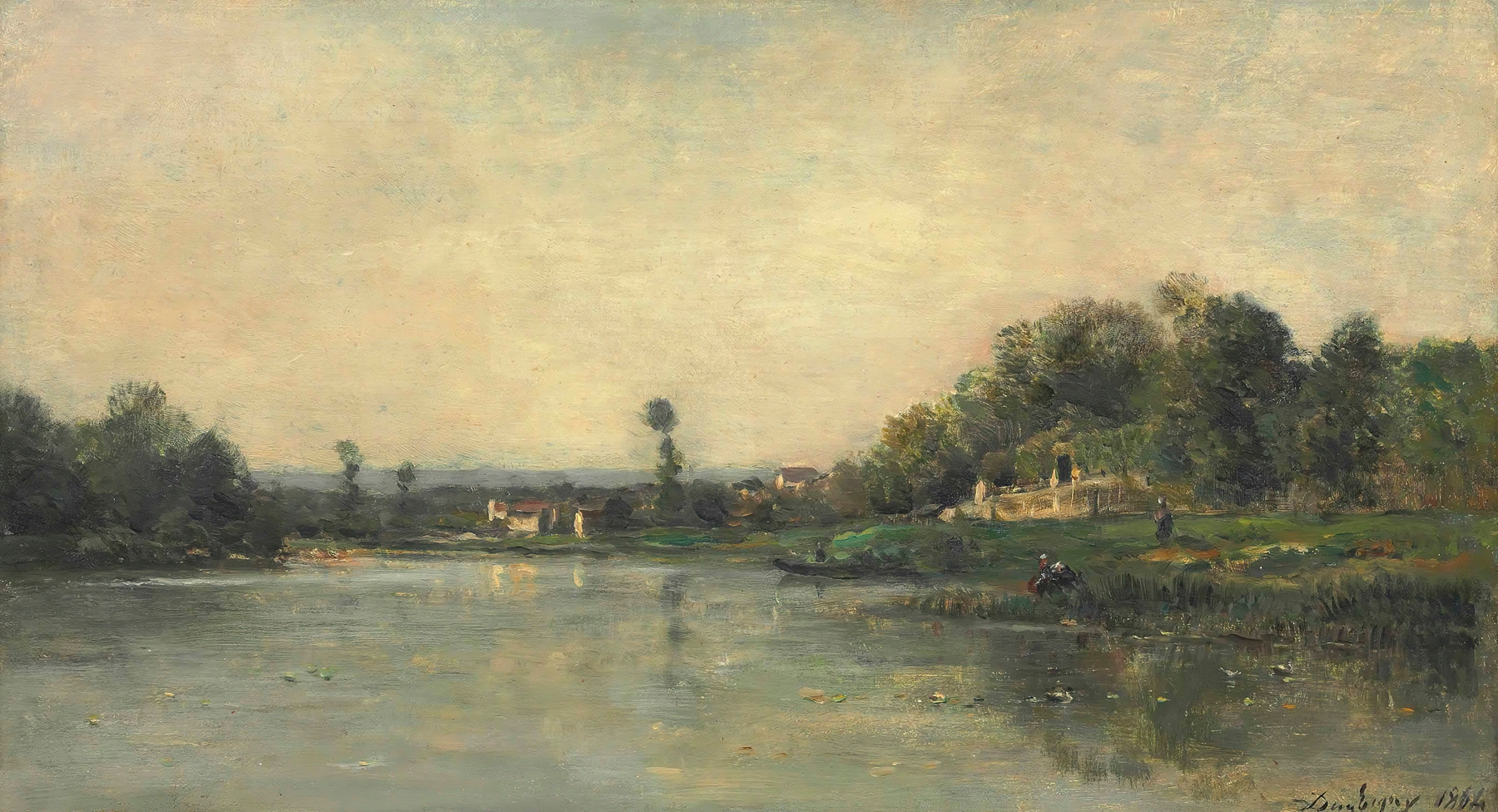
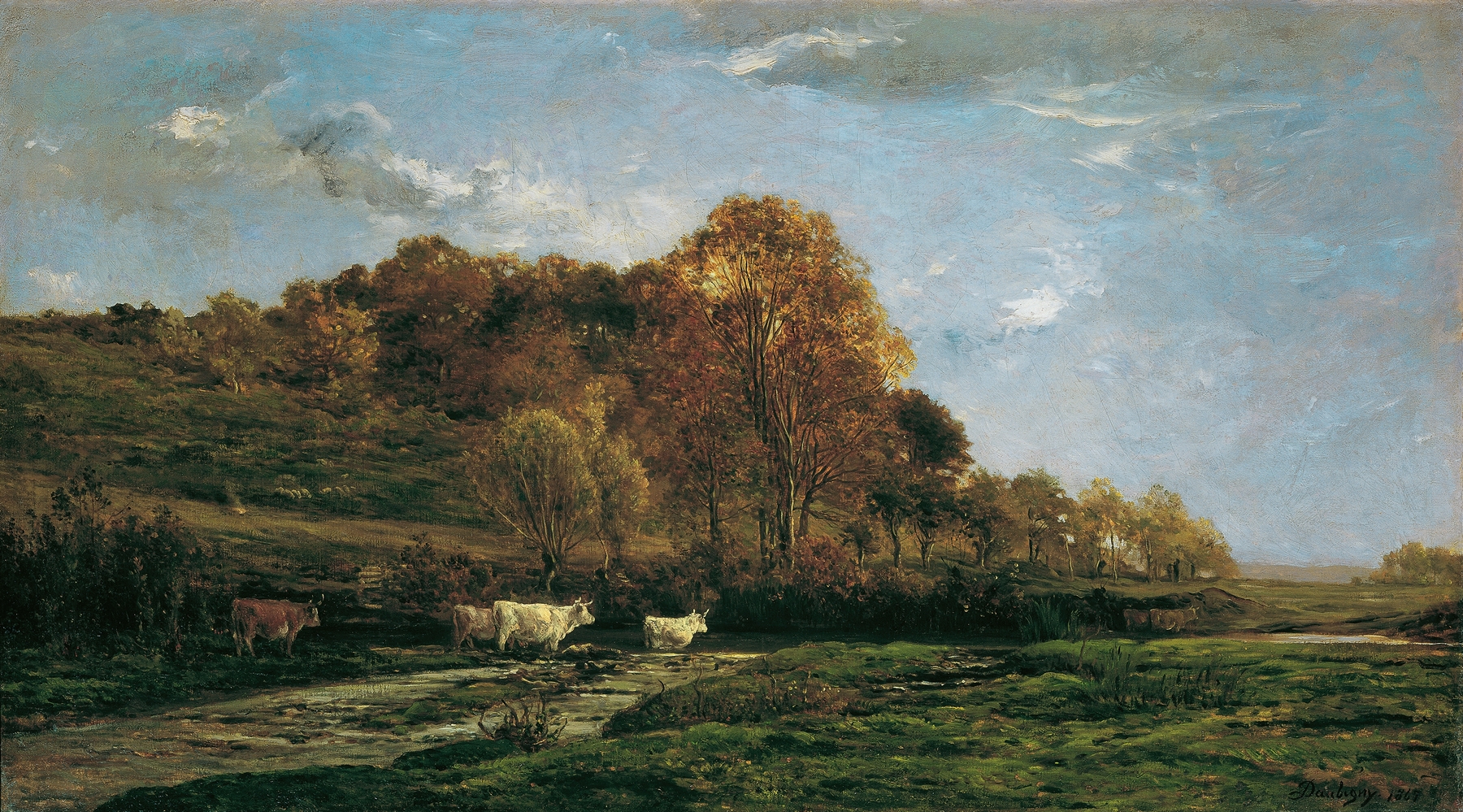
Who listens when art speaks of silence? In Herbstliche Aulandschaft Abendstimmung, the feeling of a quiet dusk resonates, inviting us into a world where fear lingers just beneath the surface. Look to the left at the gentle rolling hills, bathed in a warm palette of ochre and deep green; the brushstrokes seem almost hesitant, as if time itself is holding its breath. The horizon, kissed by the last light of day, draws the viewer's gaze toward the distant trees, their silhouettes softened by the encroaching darkness.
Each element is meticulously arranged; the balance between light and shadow captures a moment poised on the edge of night, evoking an atmosphere steeped in contemplation. Yet, amid this serene tableau, a sense of foreboding simmers. The stillness of the water reflects not just the fading light but the weight of unspoken fears that lurk in the twilight. The interplay between the vibrant hues of autumn and the deepening shadows speaks to the duality of life’s beauty and its transience.
Here, nature is not merely a backdrop but a character in a narrative that conveys the tension between comfort and apprehension. Created in 1867 during a time of personal and artistic exploration for Daubigny, this work reflects his transitional style, bridging realism and impressionism. Living in France, he was influenced by the natural landscape surrounding him, capturing its essence while responding to the broader movements in art. The era was marked by a growing appreciation for plein air painting, and Daubigny stood at the forefront, seeking to encapsulate both the beauty and the melancholy inherent in nature.