Les Bords De L’oise — History & Analysis
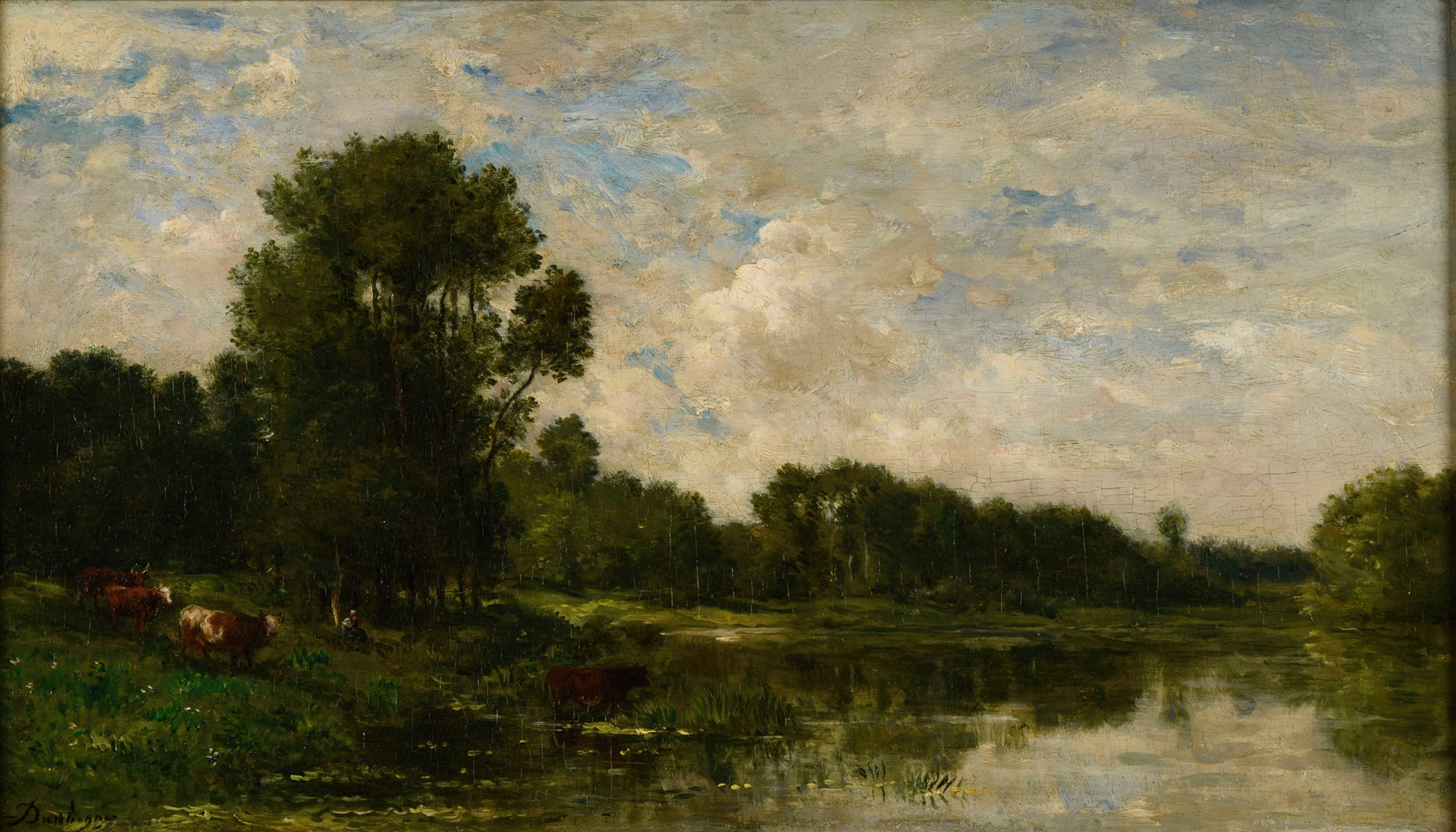
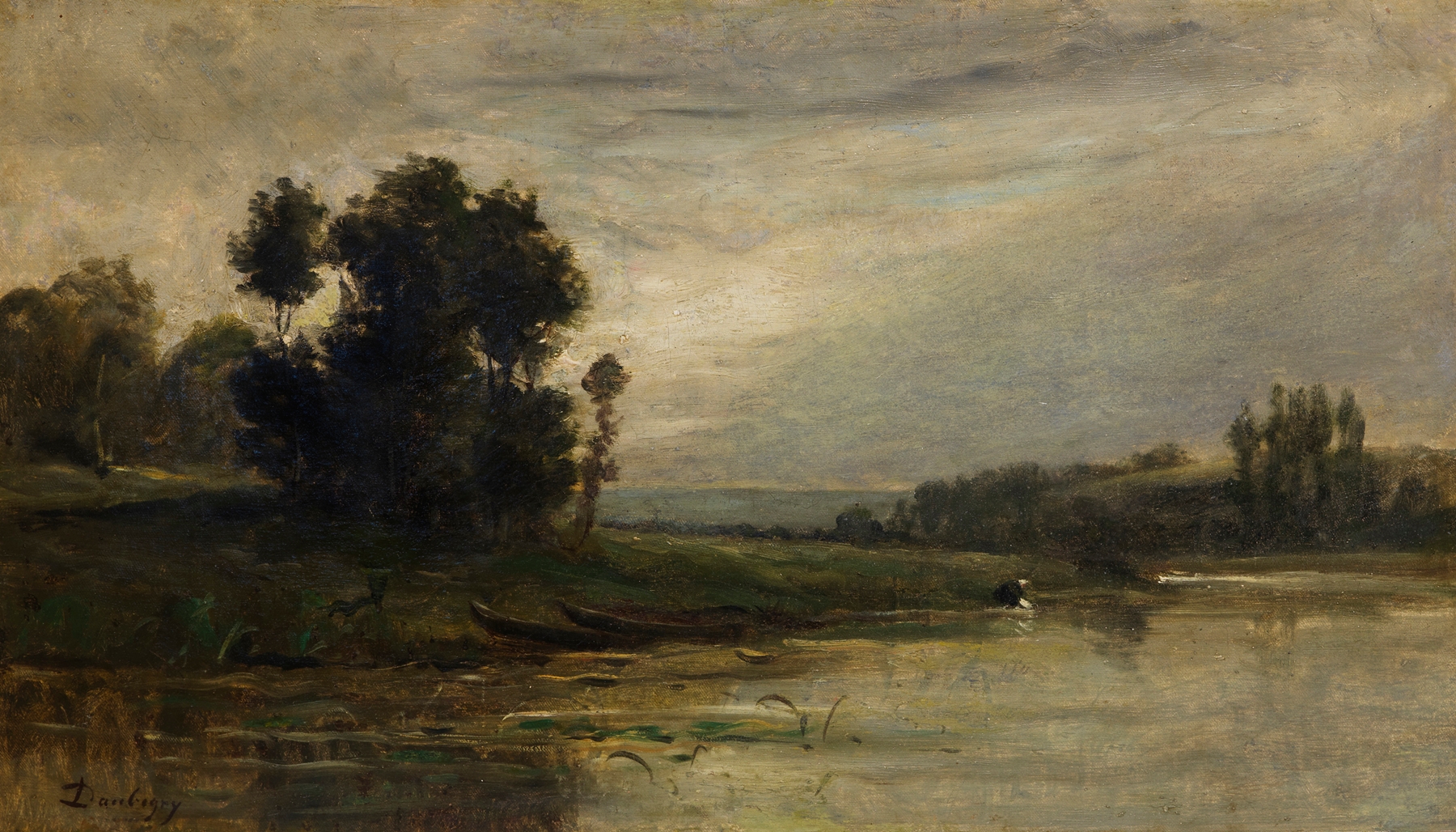
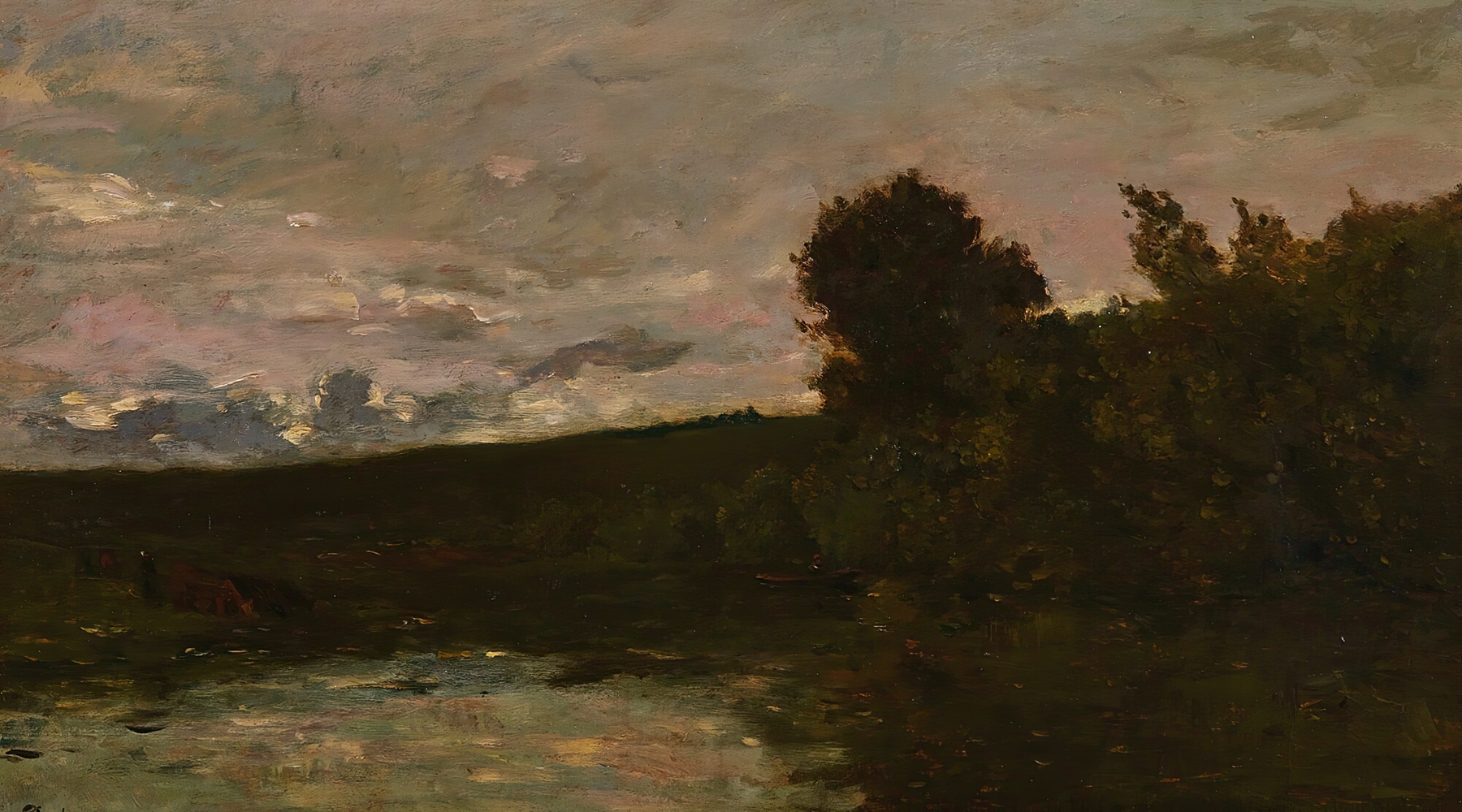
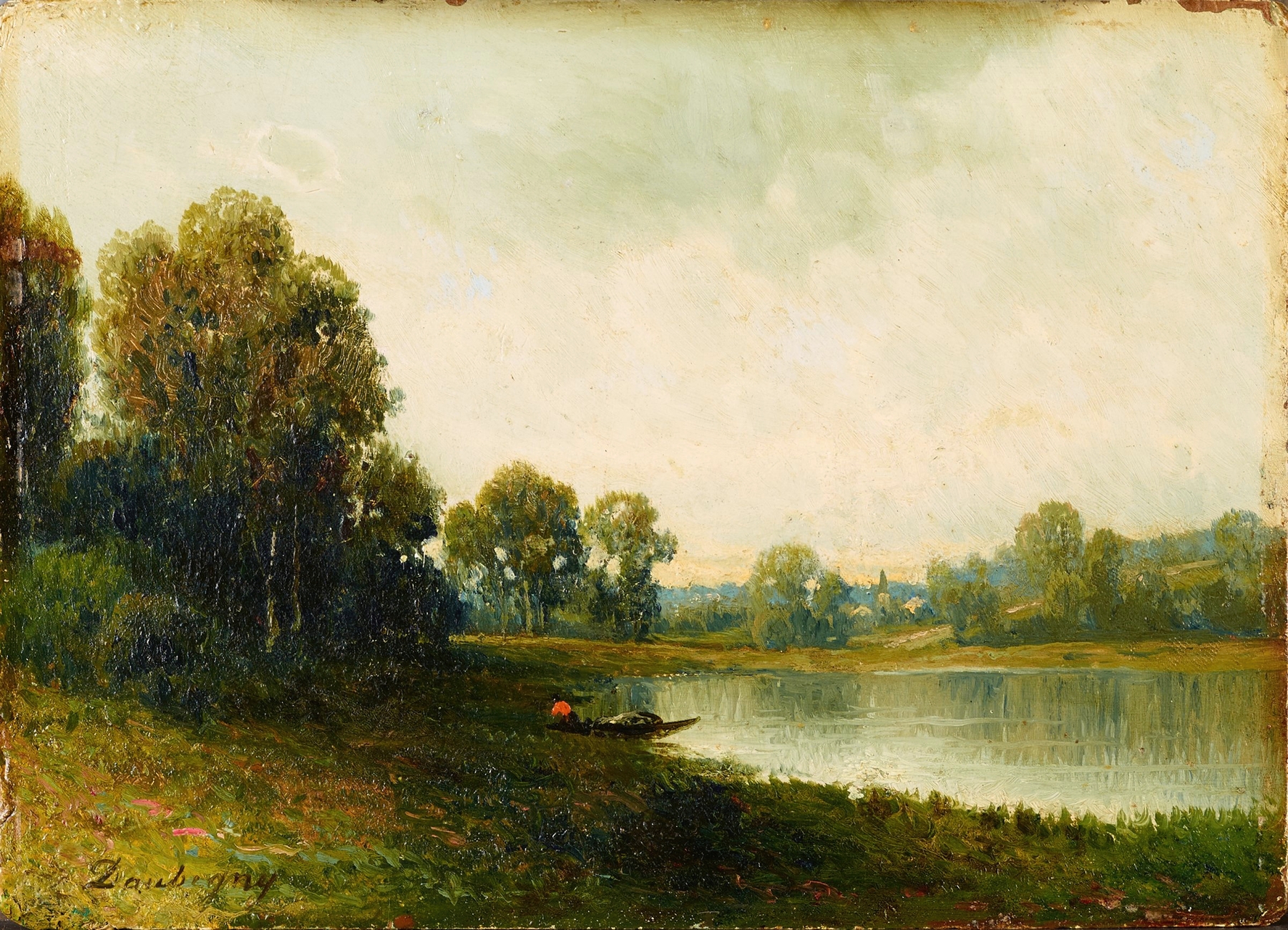
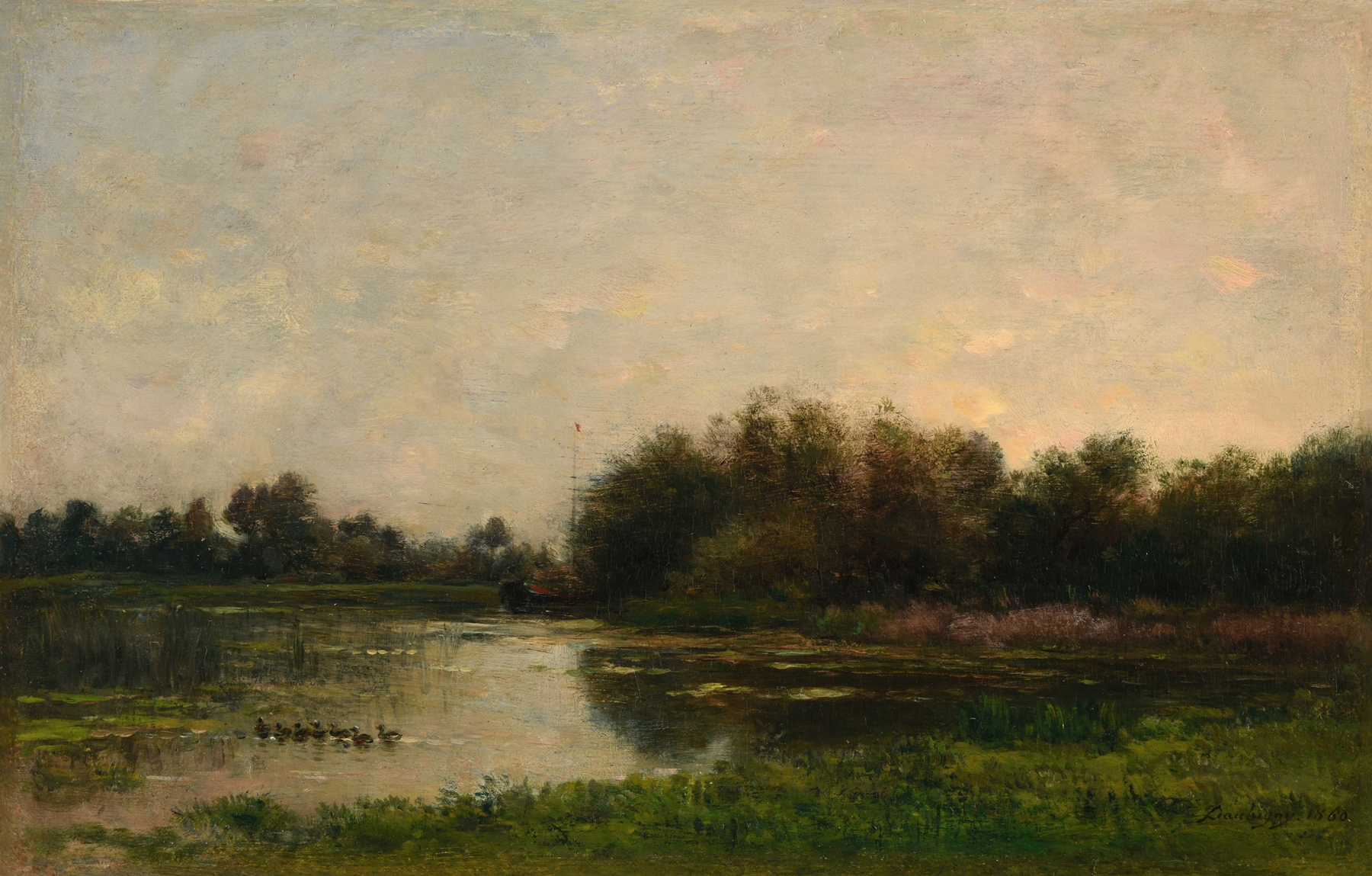
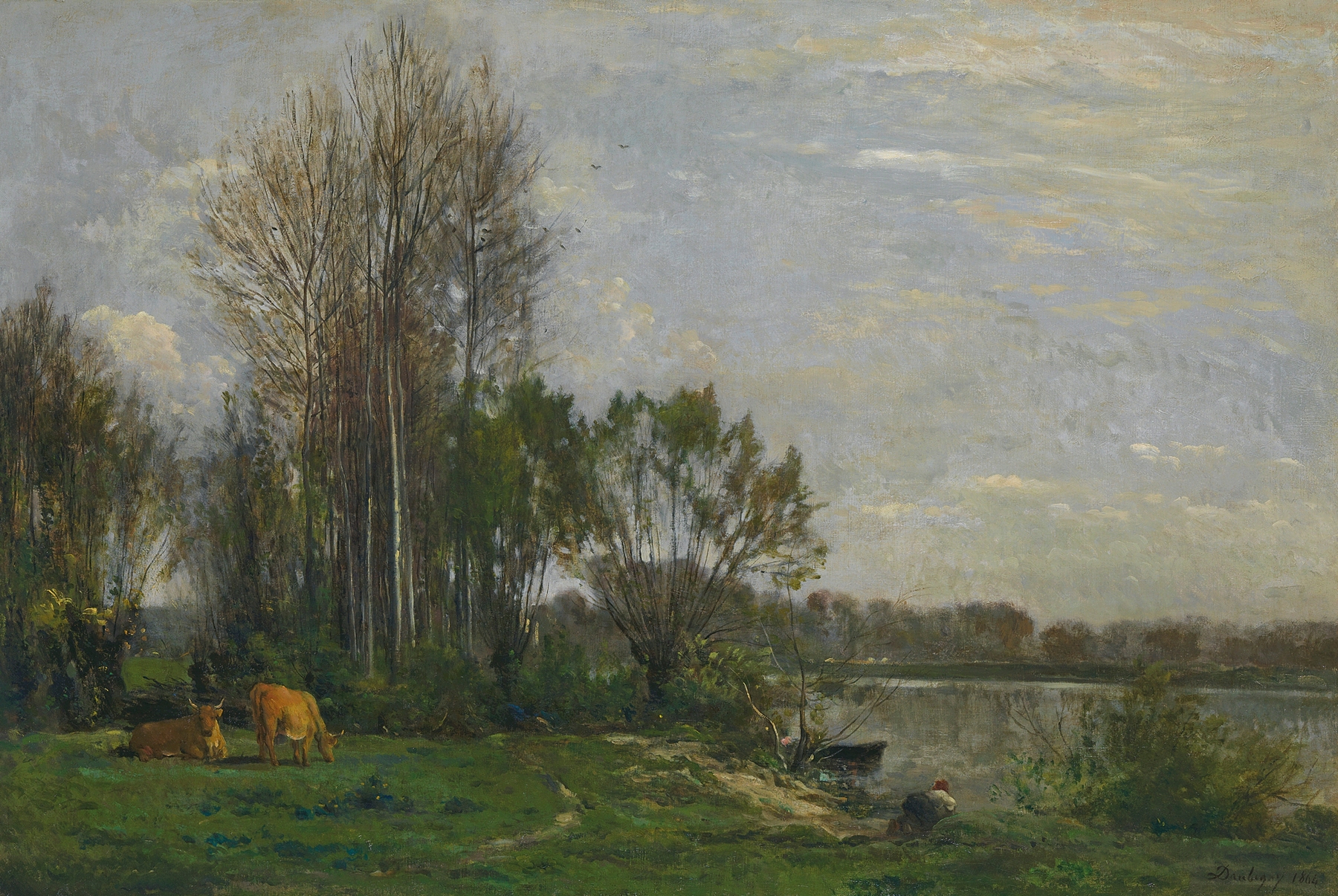
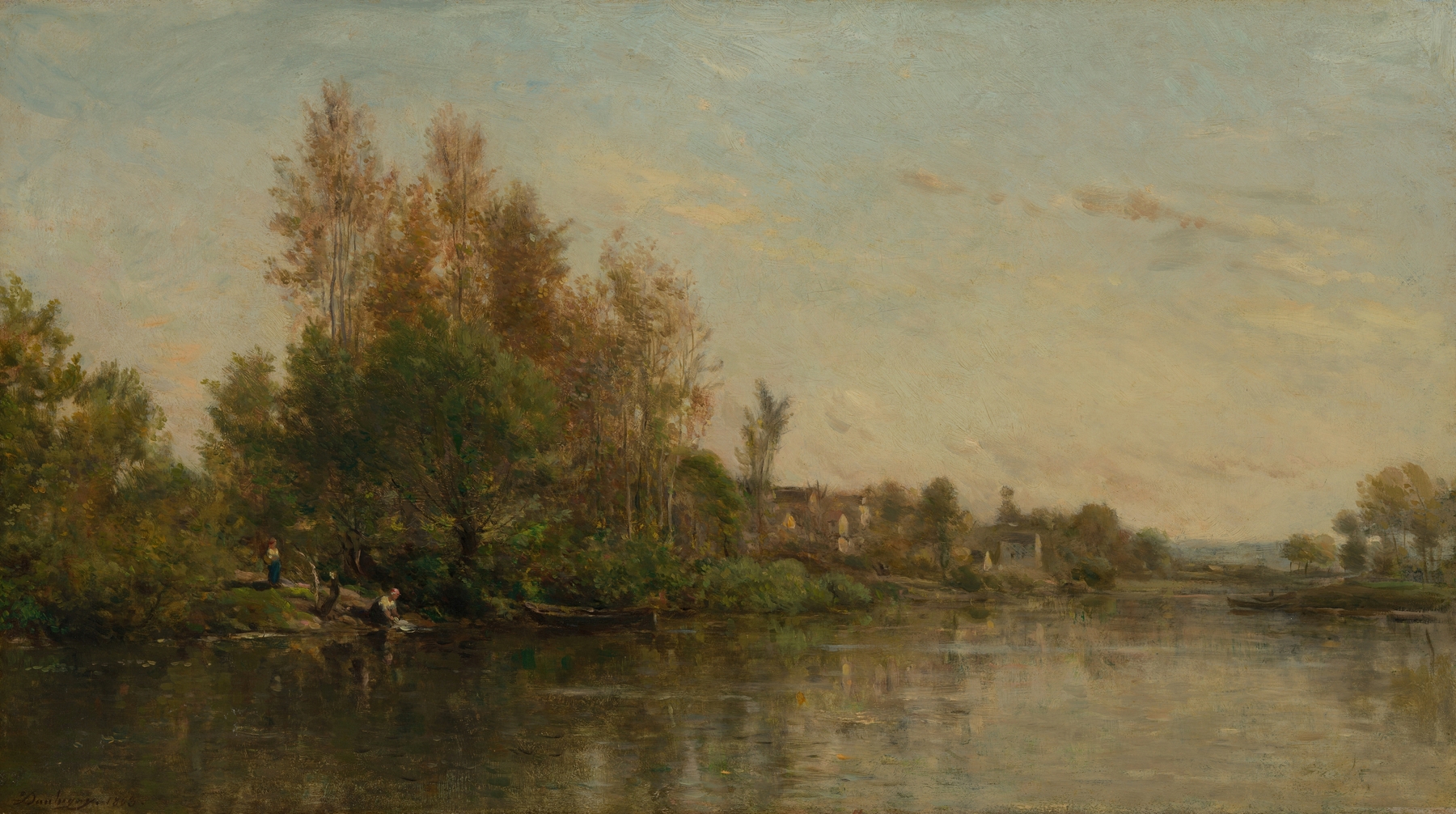
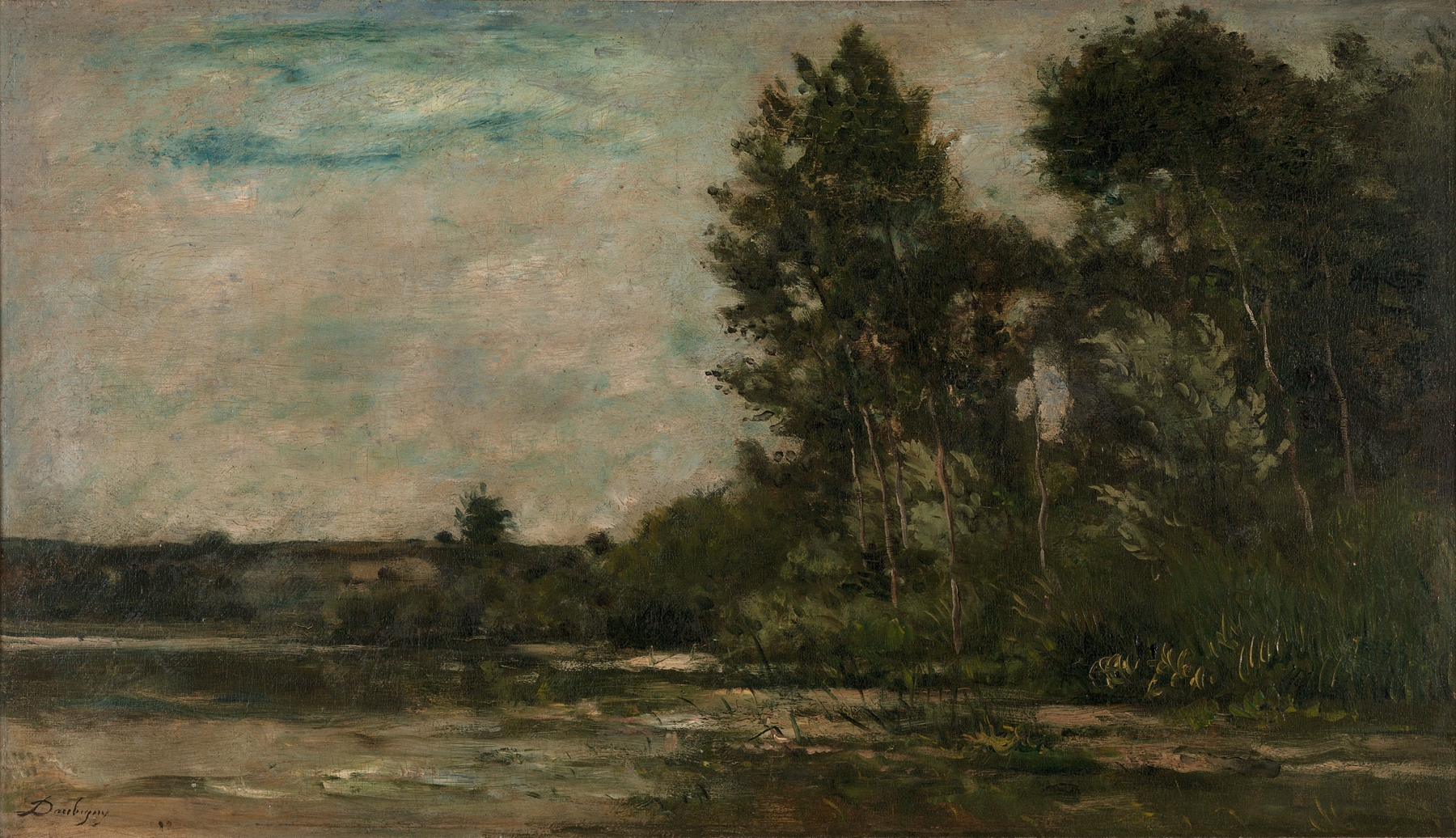
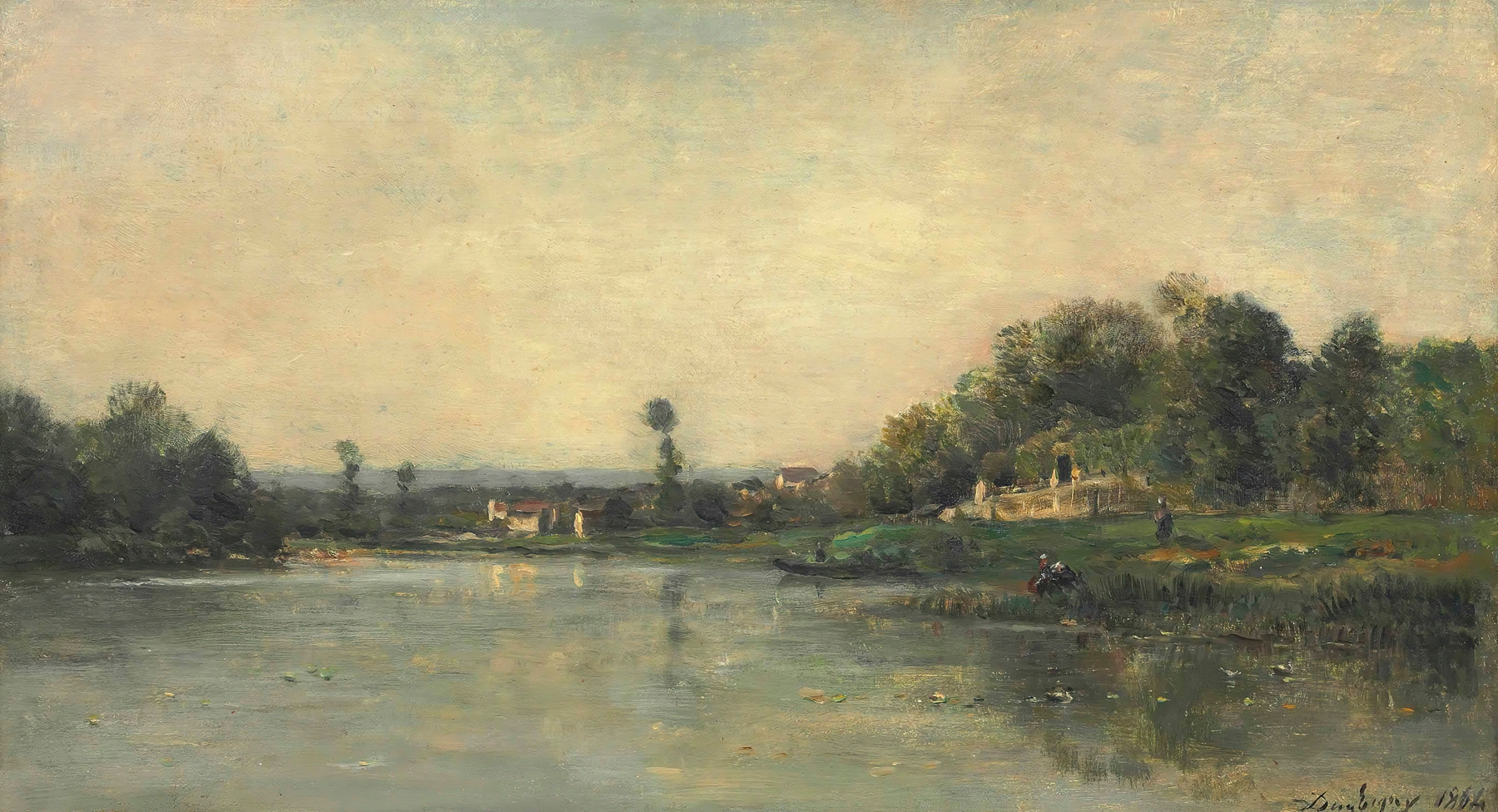
Could a single brushstroke hold eternity? In Les Bords De L’Oise, a moment is suspended, reflecting the chaos of nature and the delicate harmony of life along the riverbank. Look to the center, where the river’s surface shimmers under the soft light of a fading day. The painter’s deft strokes create a sense of movement, capturing the rippling water as it dances with light. Surrounding trees, rendered with a lively palette of greens and browns, frame the scene, their reflections merging with the chaotic interplay of colors on the water’s surface.
Daubigny’s loose brushwork invites the viewer to explore this tranquil yet dynamic environment. Beneath the surface, a silent tension exists. The vibrant colors of the foliage clash against the muted tones of the water, suggesting an underlying struggle between chaos and serenity. The scattered clouds overhead introduce a sense of impending change, hinting at the unpredictability of nature.
Each brushstroke embodies the artist's internal contemplation, reflecting his belief that beauty lies in the transient moments of chaos that life offers. In 1864, Daubigny painted this piece while residing in the rural outskirts of Paris, amidst a growing fascination with en plein air painting. The art world was shifting towards Impressionism, and his work resonated with the emerging movement's ethos of capturing fleeting moments. At this time, Daubigny was exploring the relationship between light and landscape, establishing himself as a pivotal figure in evolving artistic expressions of the natural world.