Boten bij een steiger in een rivier — History & Analysis
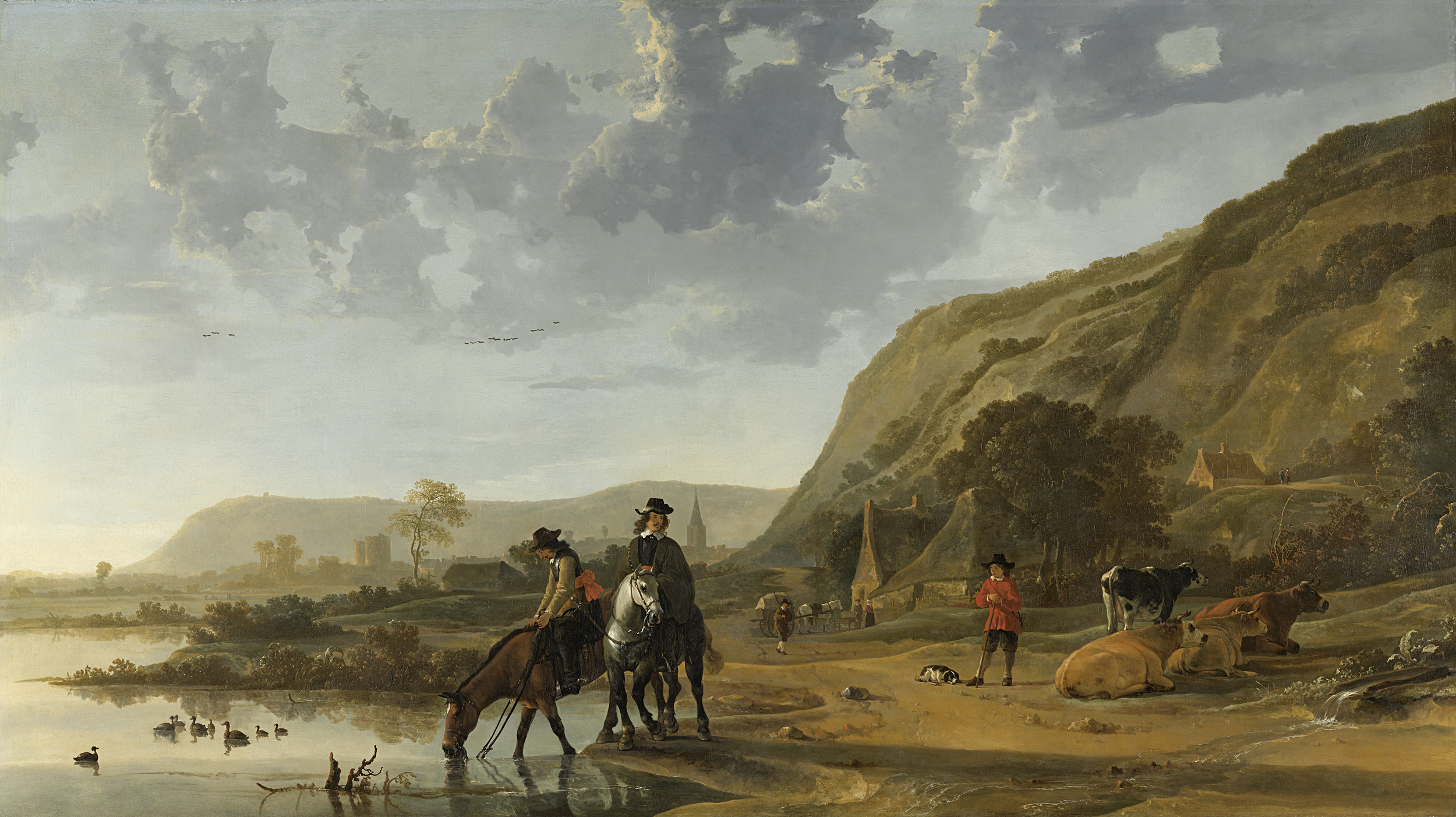
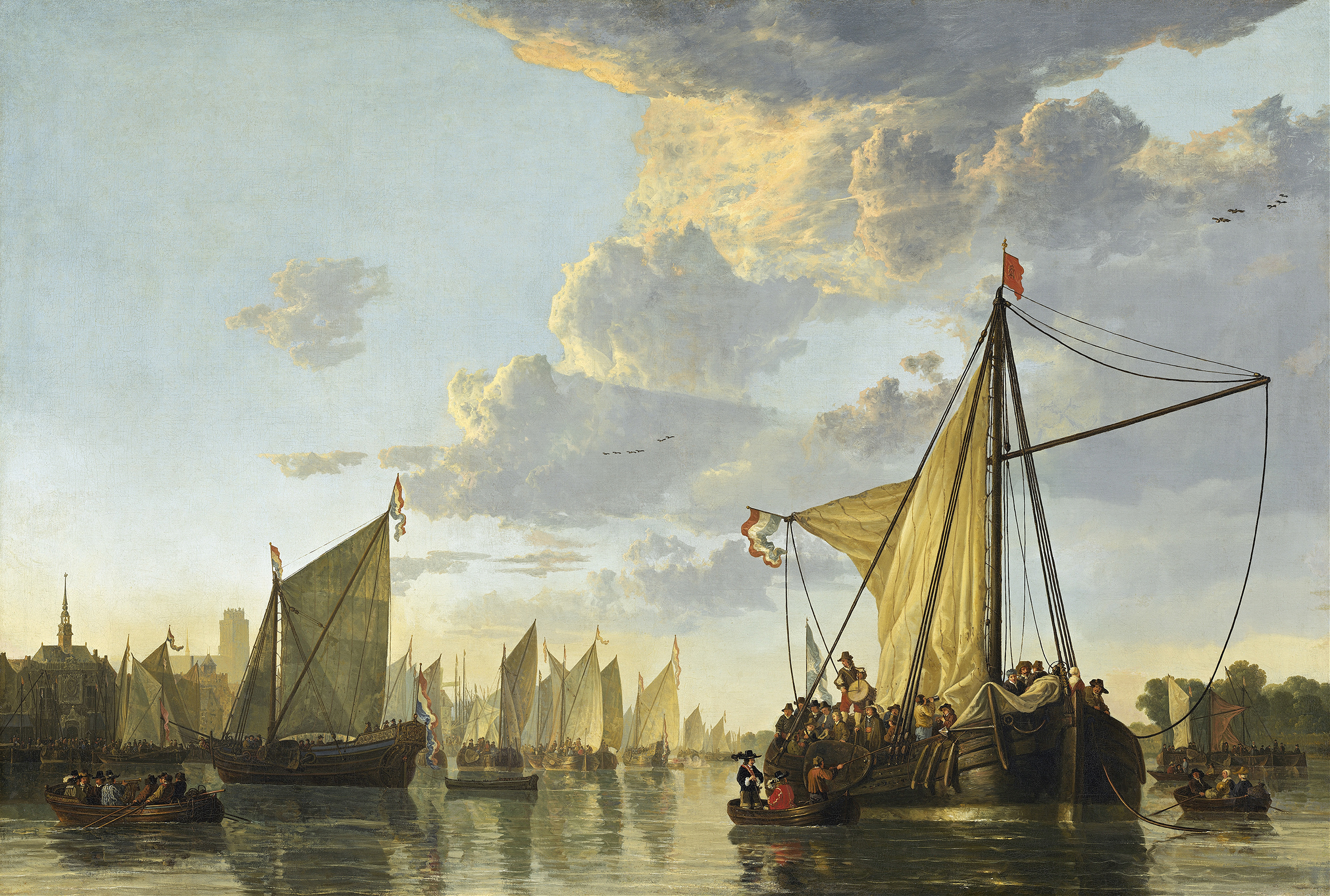
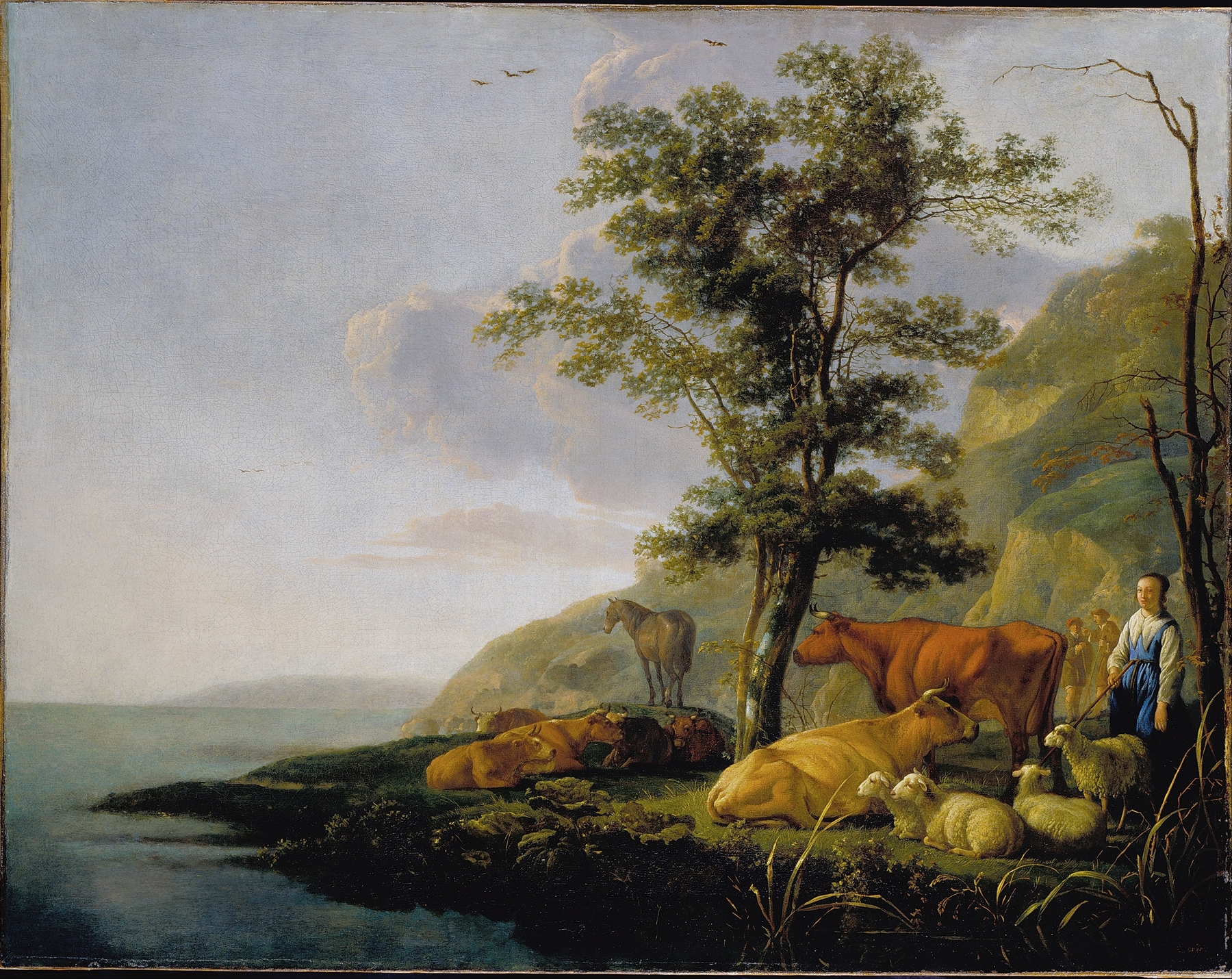
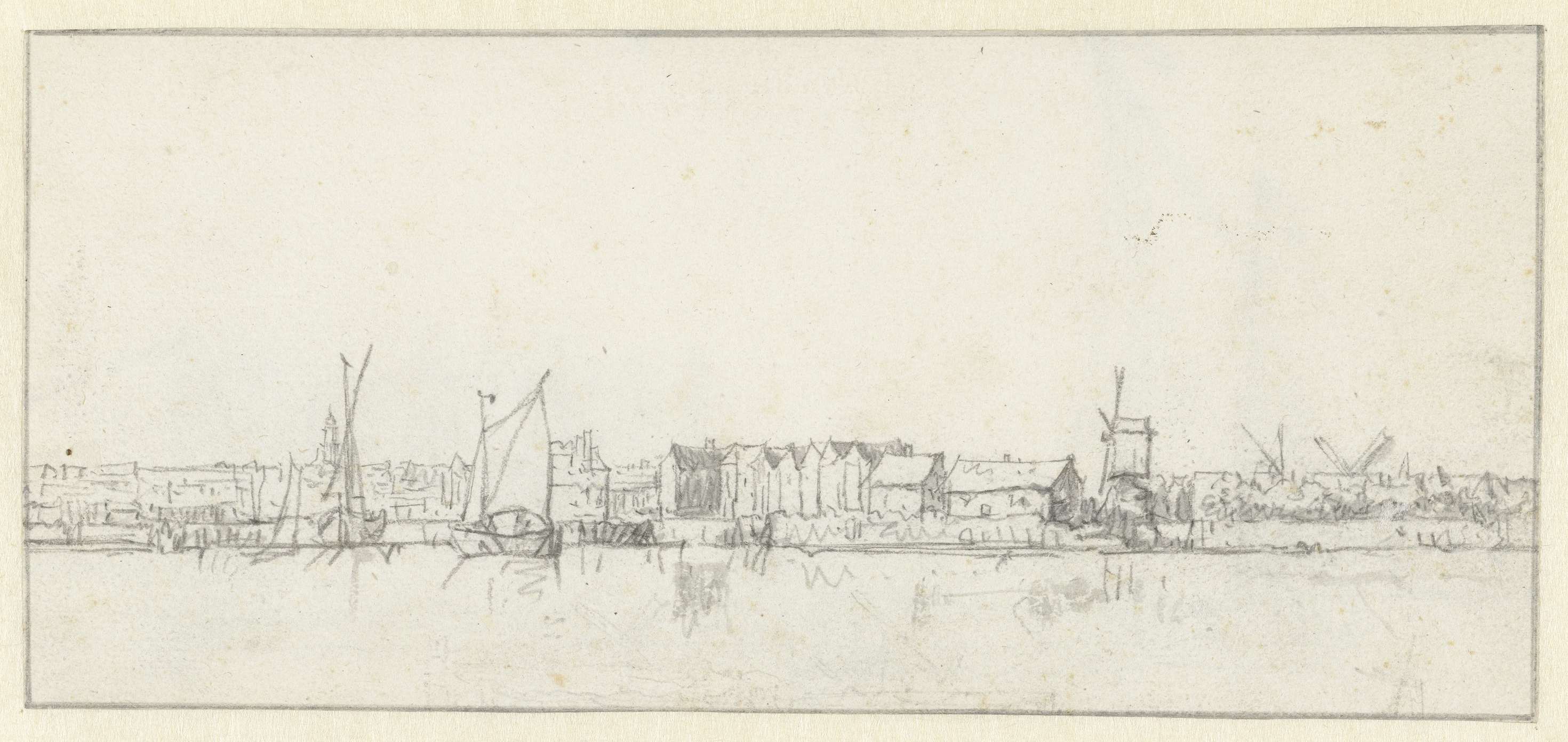
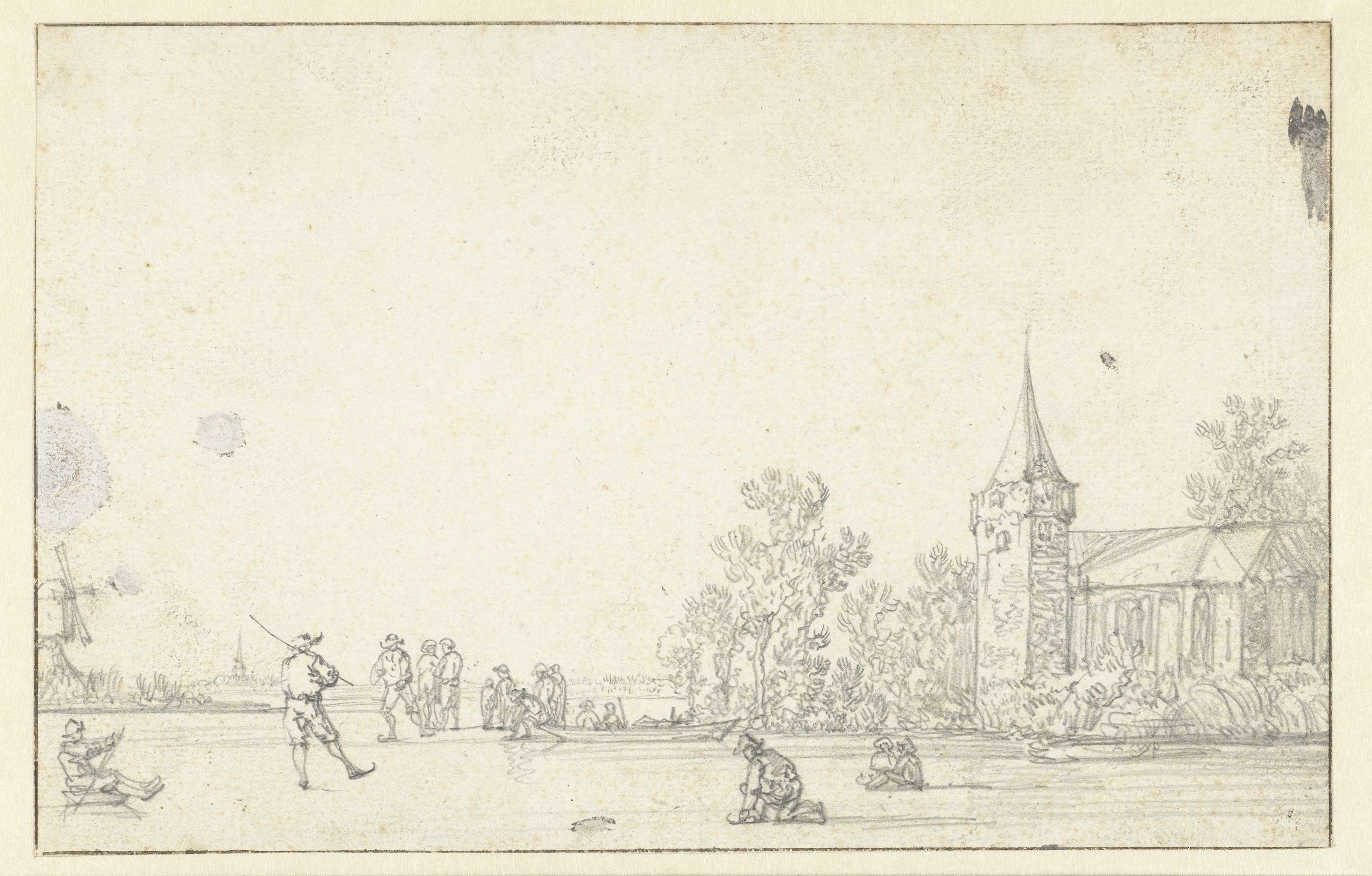
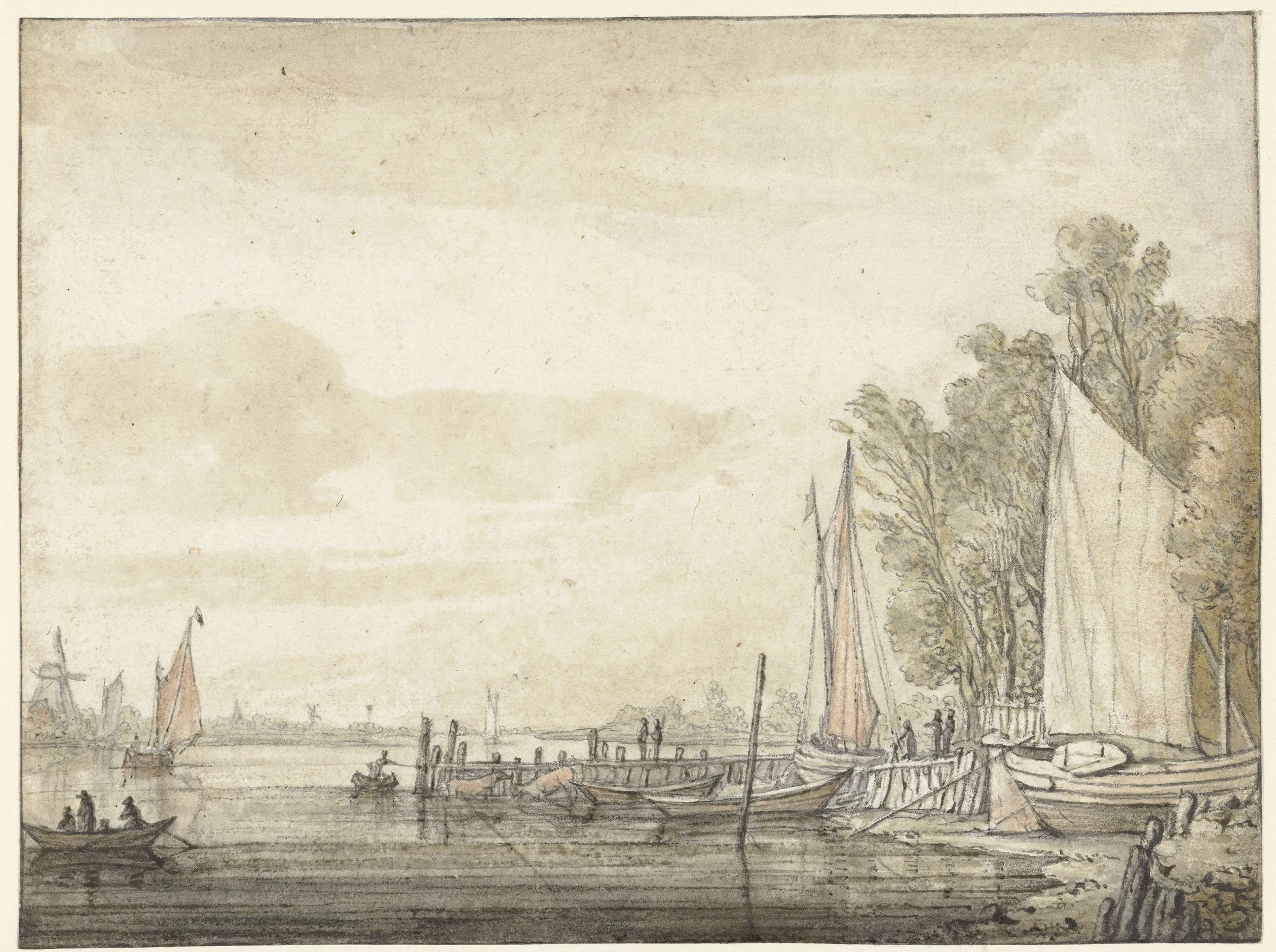
Who listens when art speaks of silence? In Boten bij een steiger in een rivier, the stillness of the moment is an eloquent echo of time itself, capturing the passage of life as fleeting as the clouds above. Look to the left at the boats tethered to the wooden pier, their gentle curves inviting the eye to glide across the surface of the water. Notice how the soft glow of the sunset bathes the scene in warm amber hues, transforming the ordinary into something ethereal.
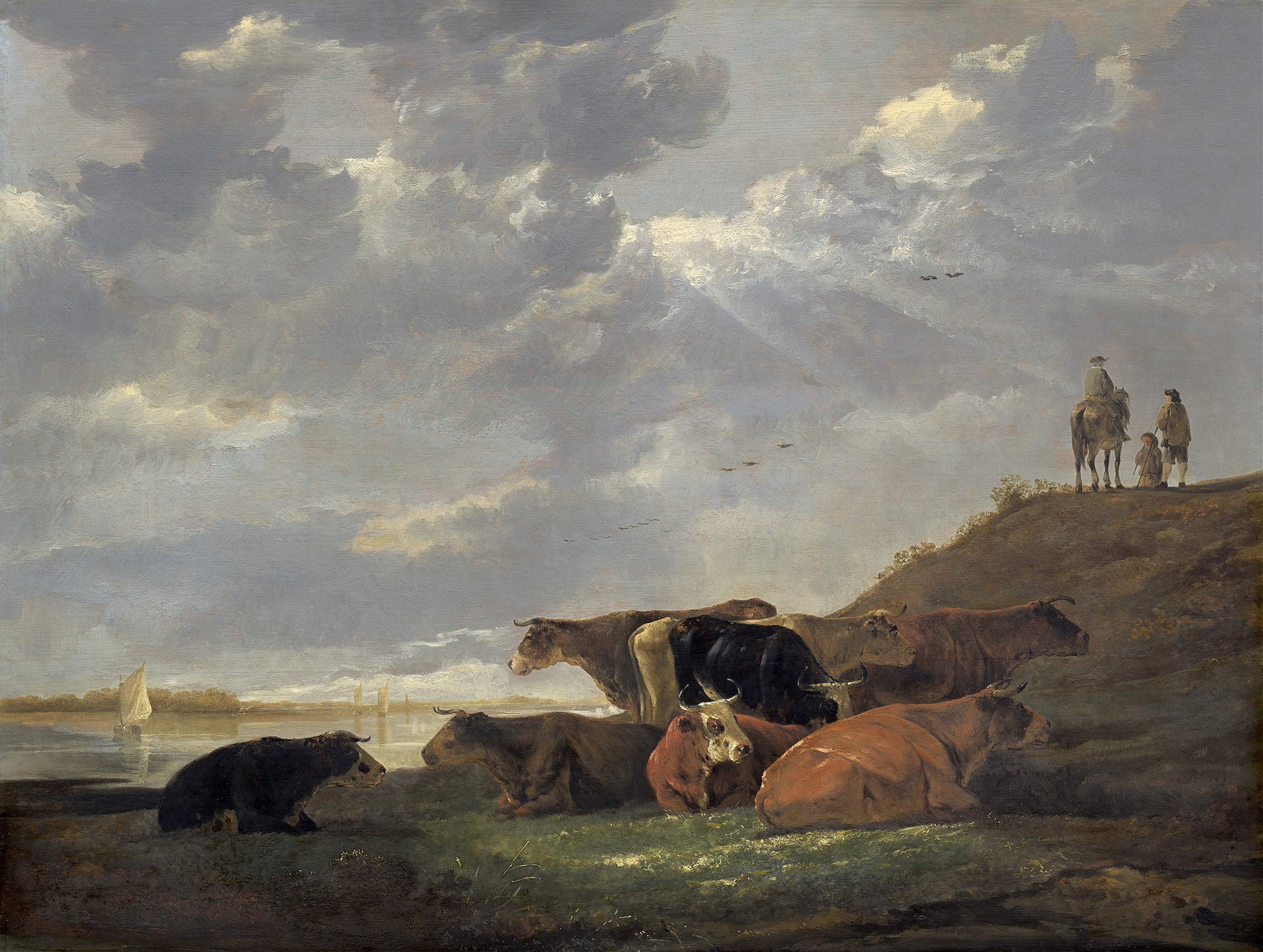
The juxtaposition of the dark silhouettes of boats against the shimmering light suggests a world where nature and human existence are in delicate balance, each dependent upon the other. Hidden within the tranquility are subtle tensions: the still water reflects not only the sky but also the weight of waiting, a moment suspended between motion and rest. The horizon, where the sky kisses the river, hints at journeys not taken—of departures and arrivals, dreams lingering just out of reach. The artist’s deft use of light and shadow speaks to the quiet yet profound stories held within landscapes, suggesting that every glance captures both a moment and a memory.
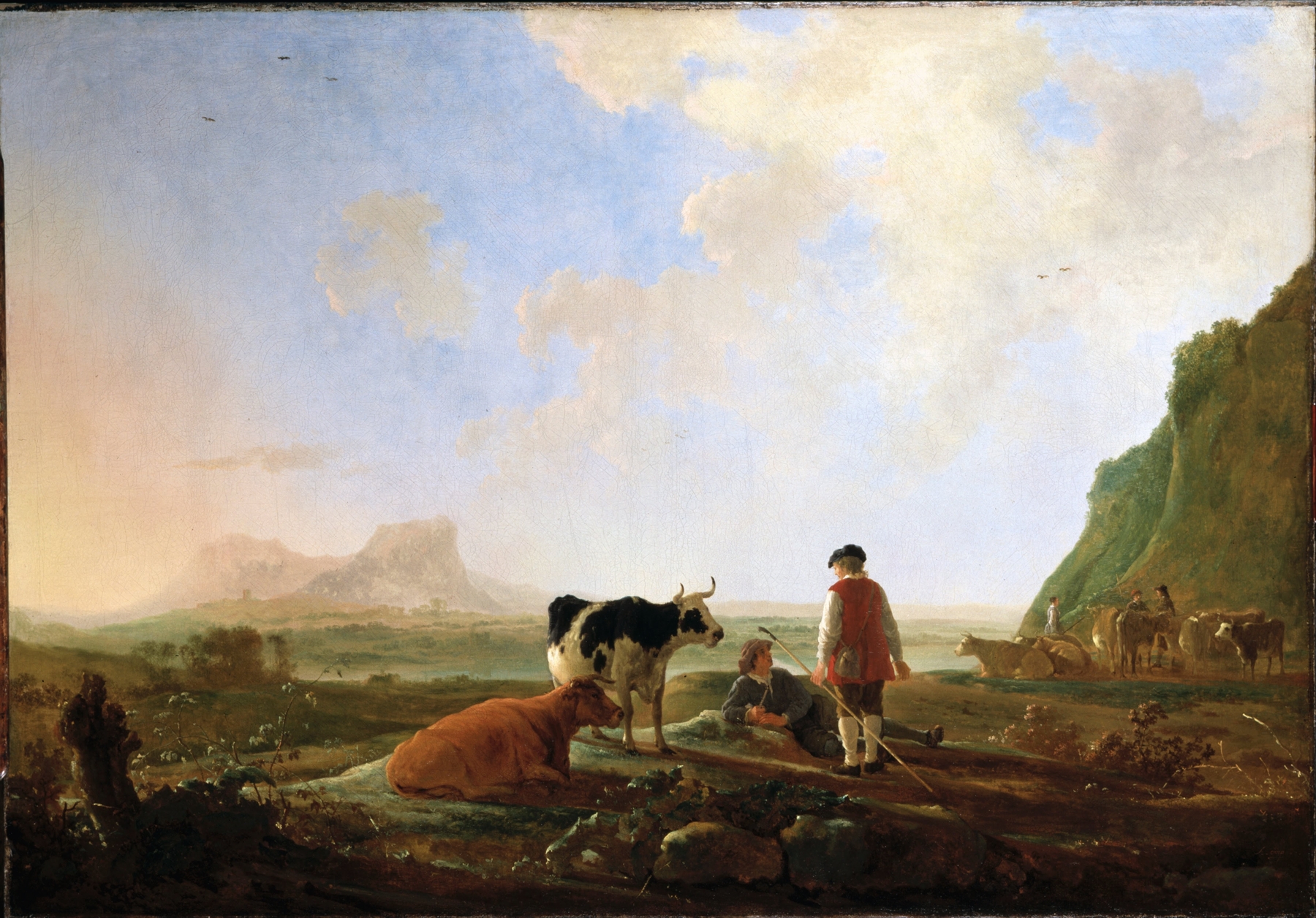
Aelbert Cuyp painted this serene landscape between 1641 and 1642, during a time when Dutch art was flourishing with a focus on realism and the beauty of nature. Living in Dordrecht, he was surrounded by the river scenes that would define his oeuvre. His work reflects the broader societal appreciation for the Dutch landscape, imbued with a sense of peace amidst a rapidly changing world.