Bouwput op de Binnenkant — History & Analysis
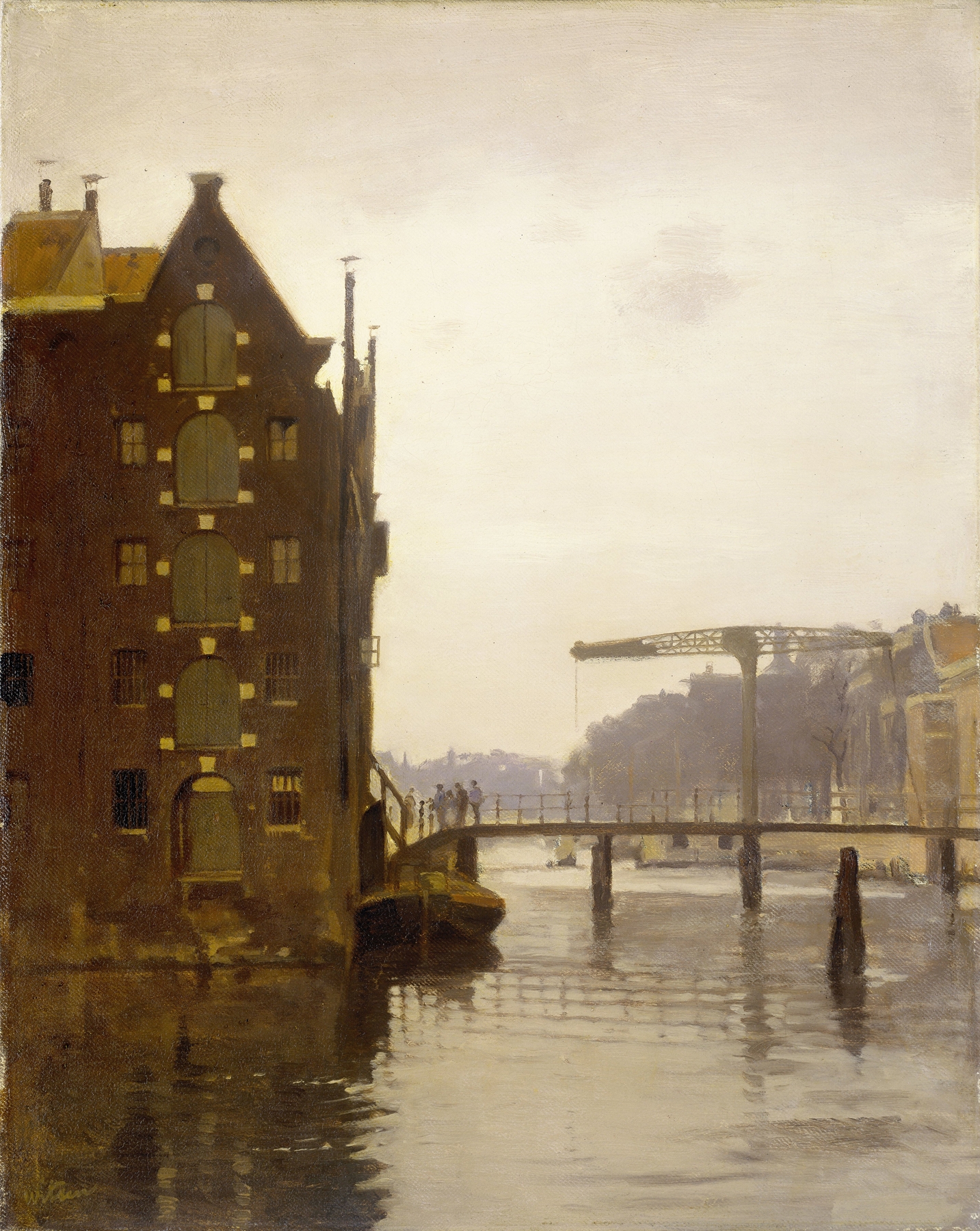
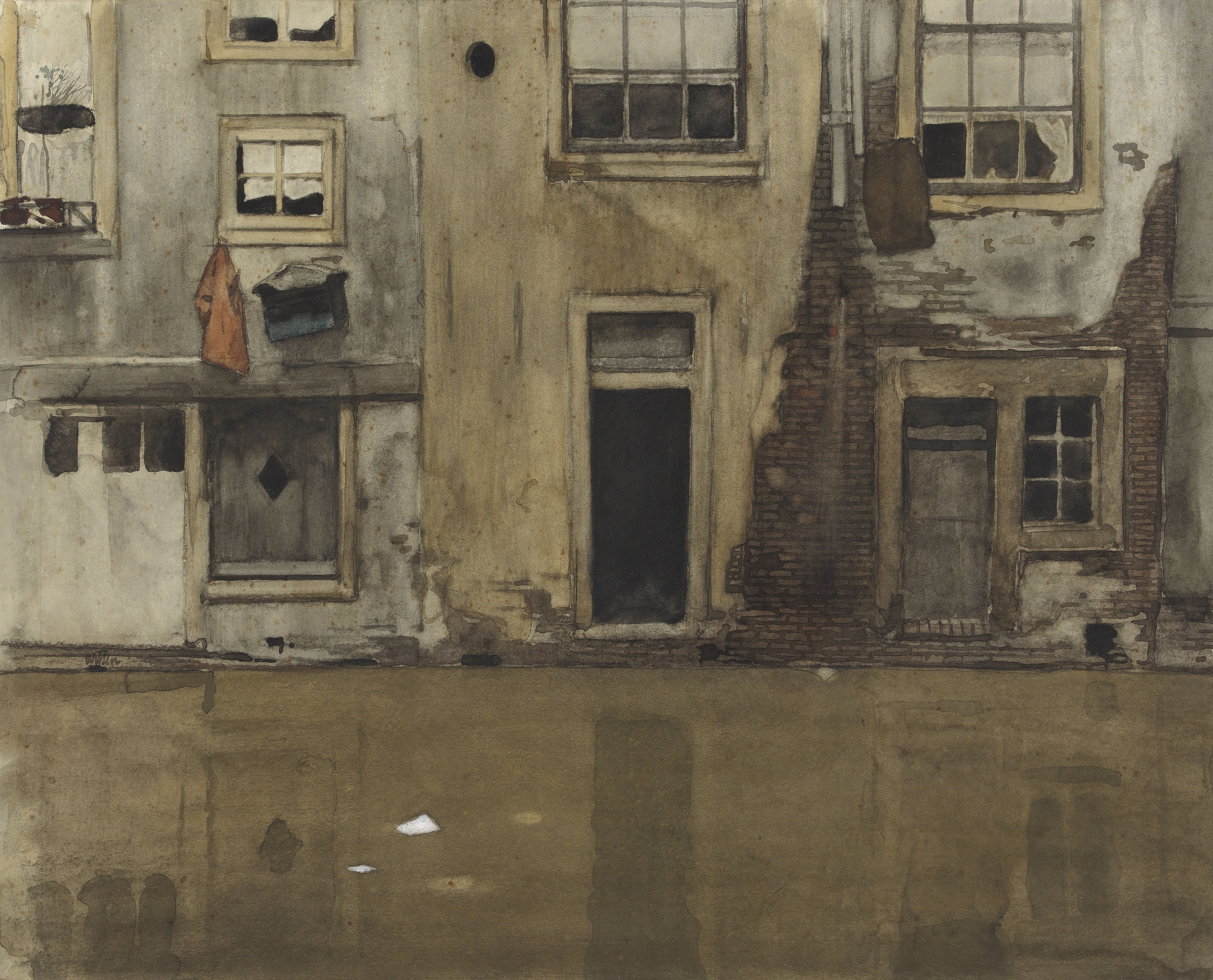
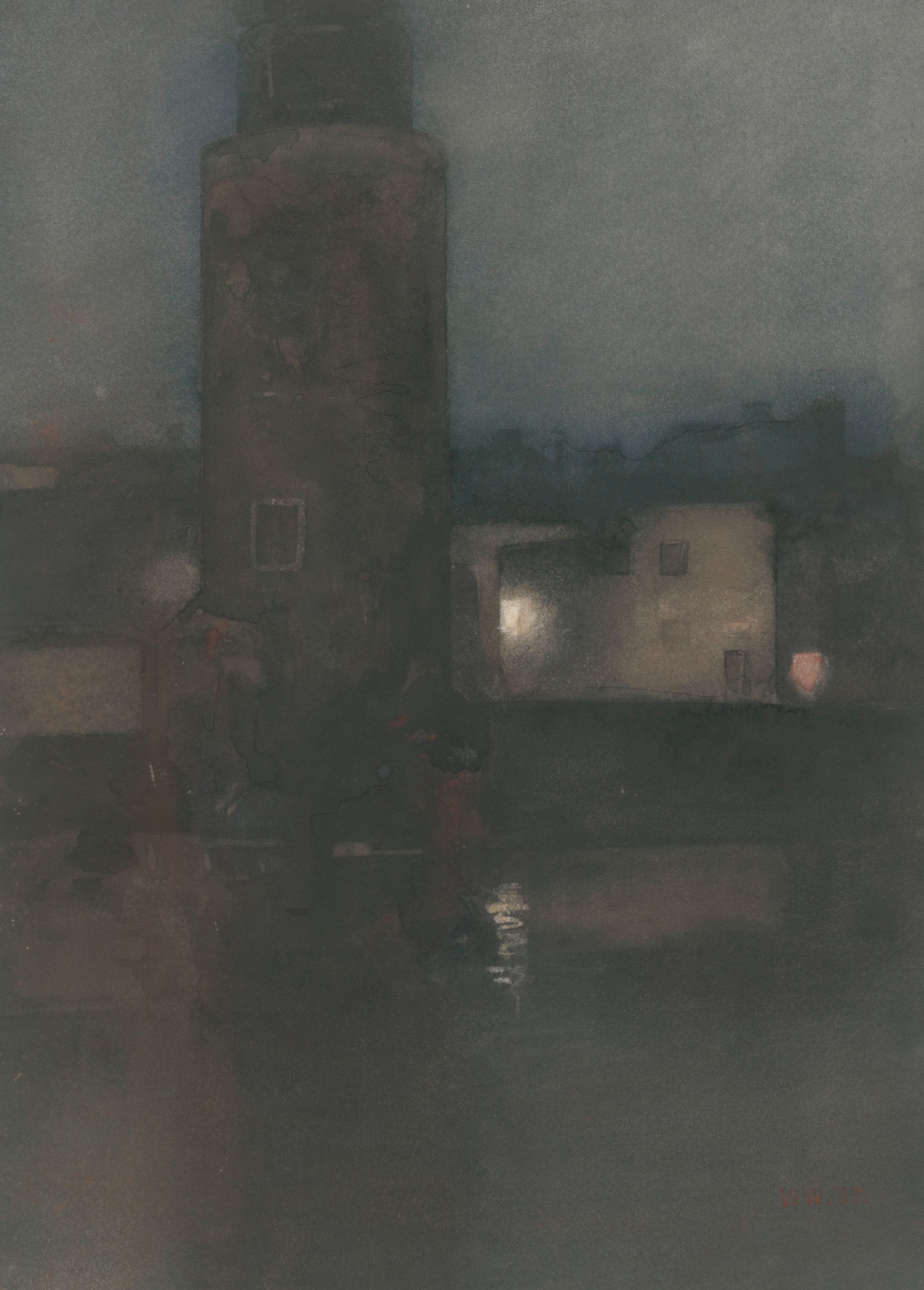
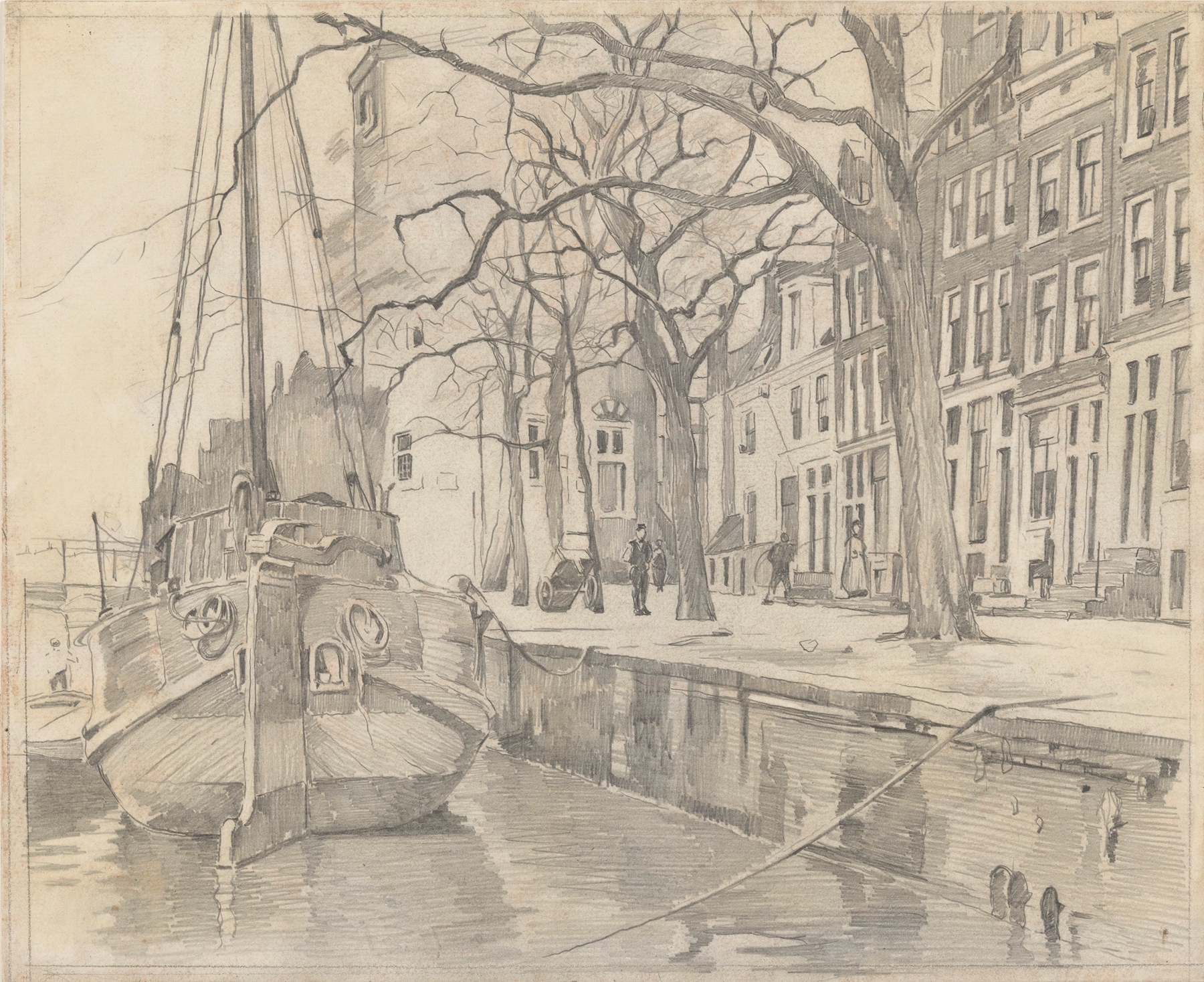
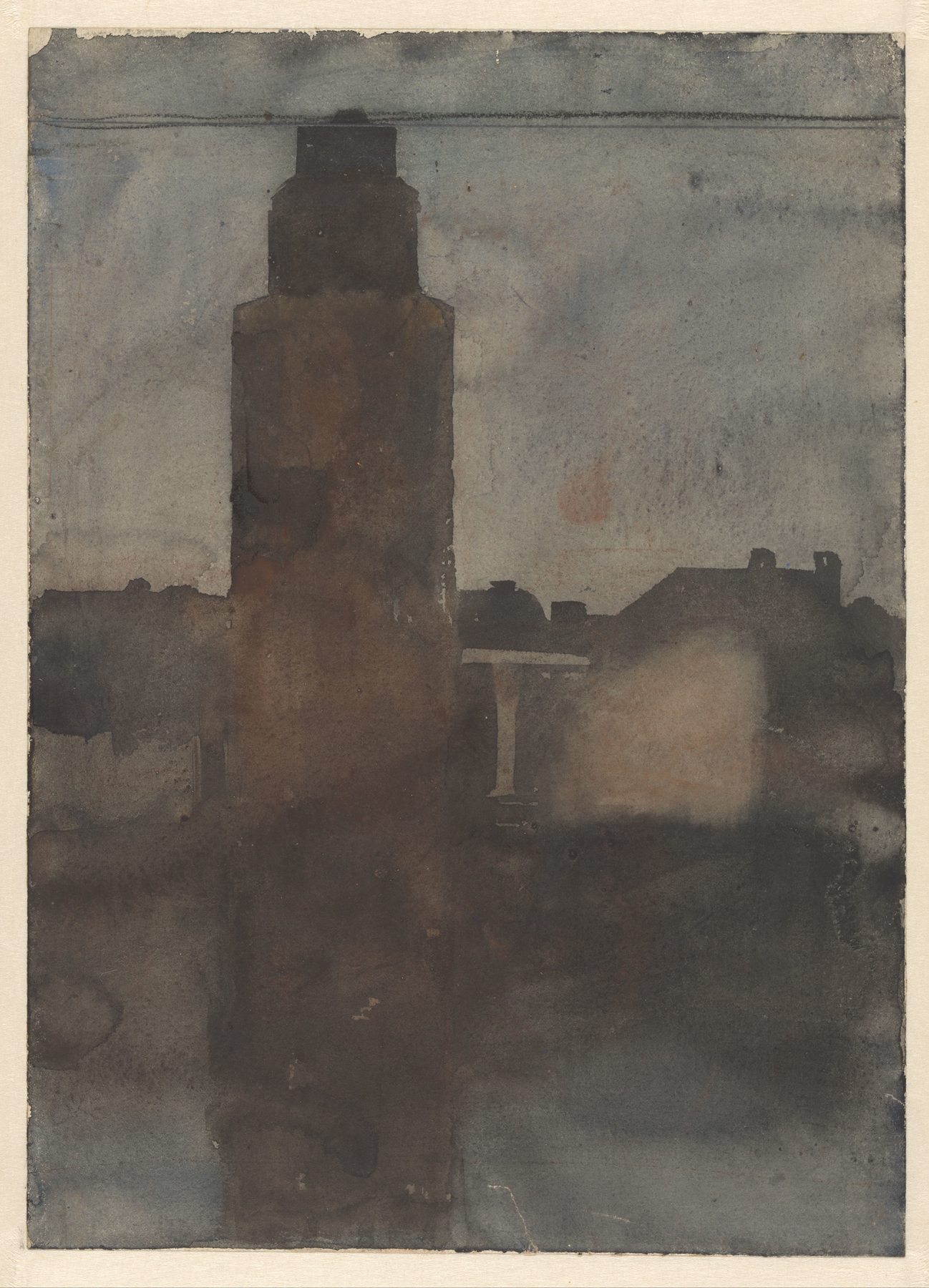
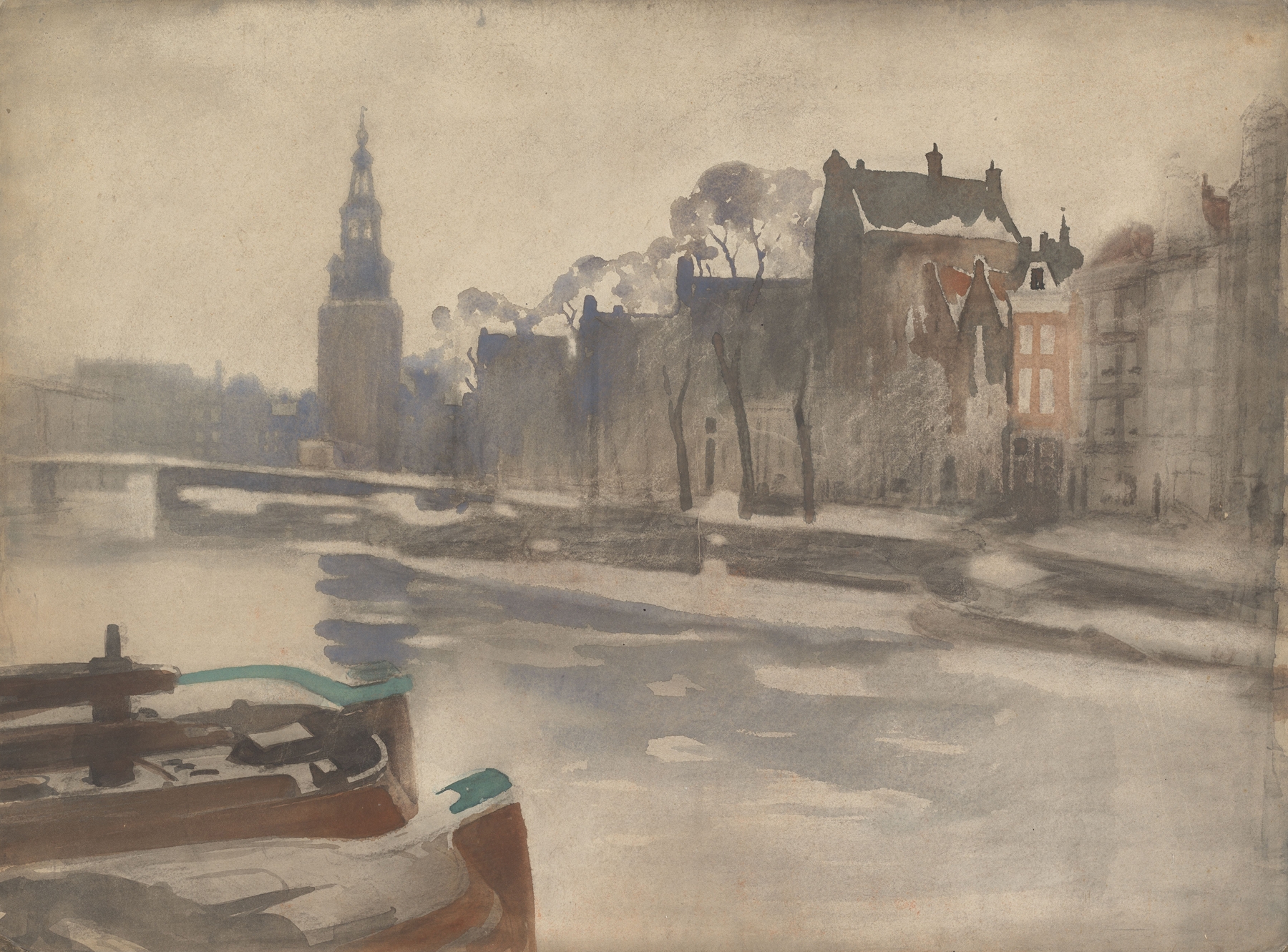
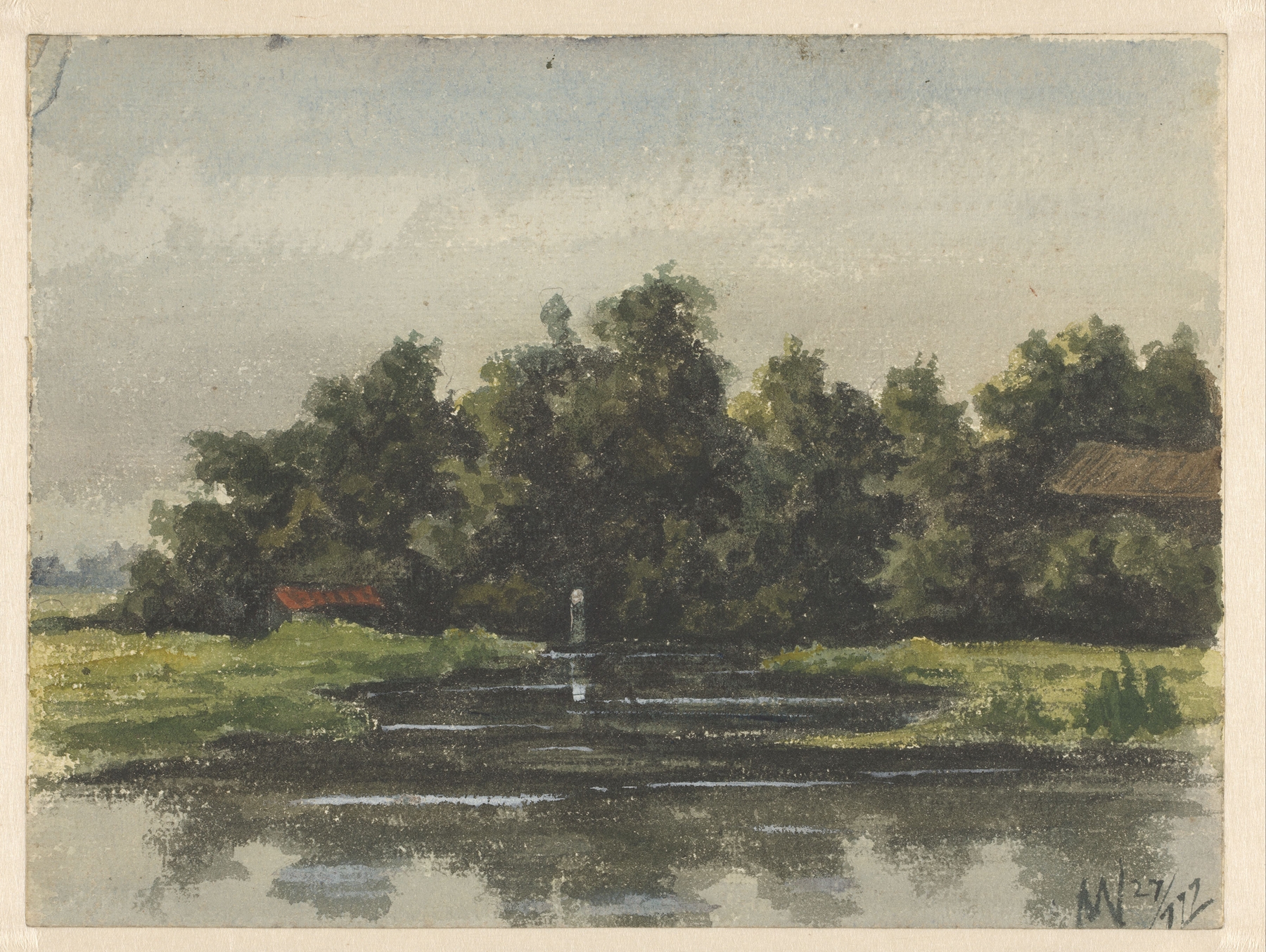
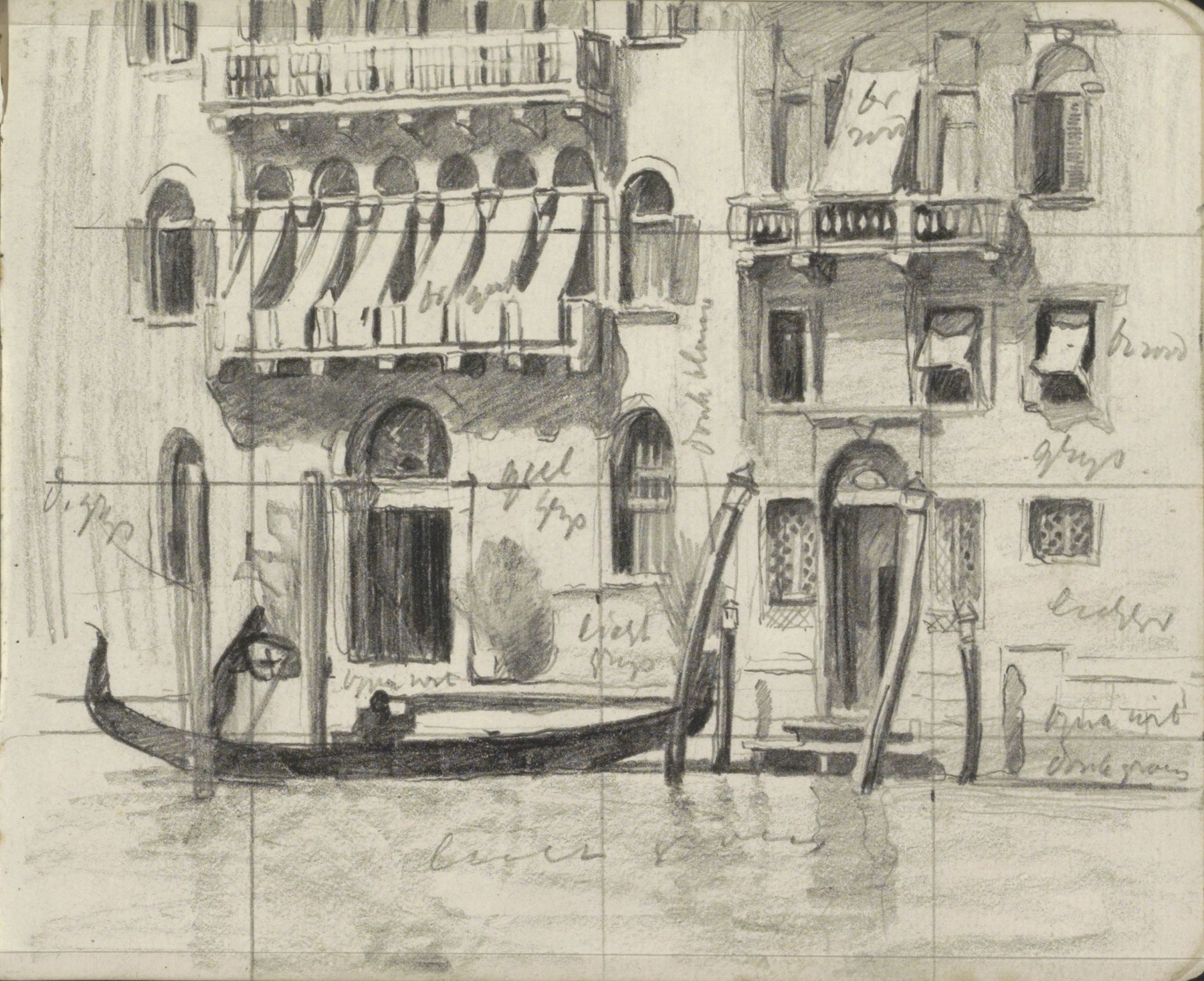
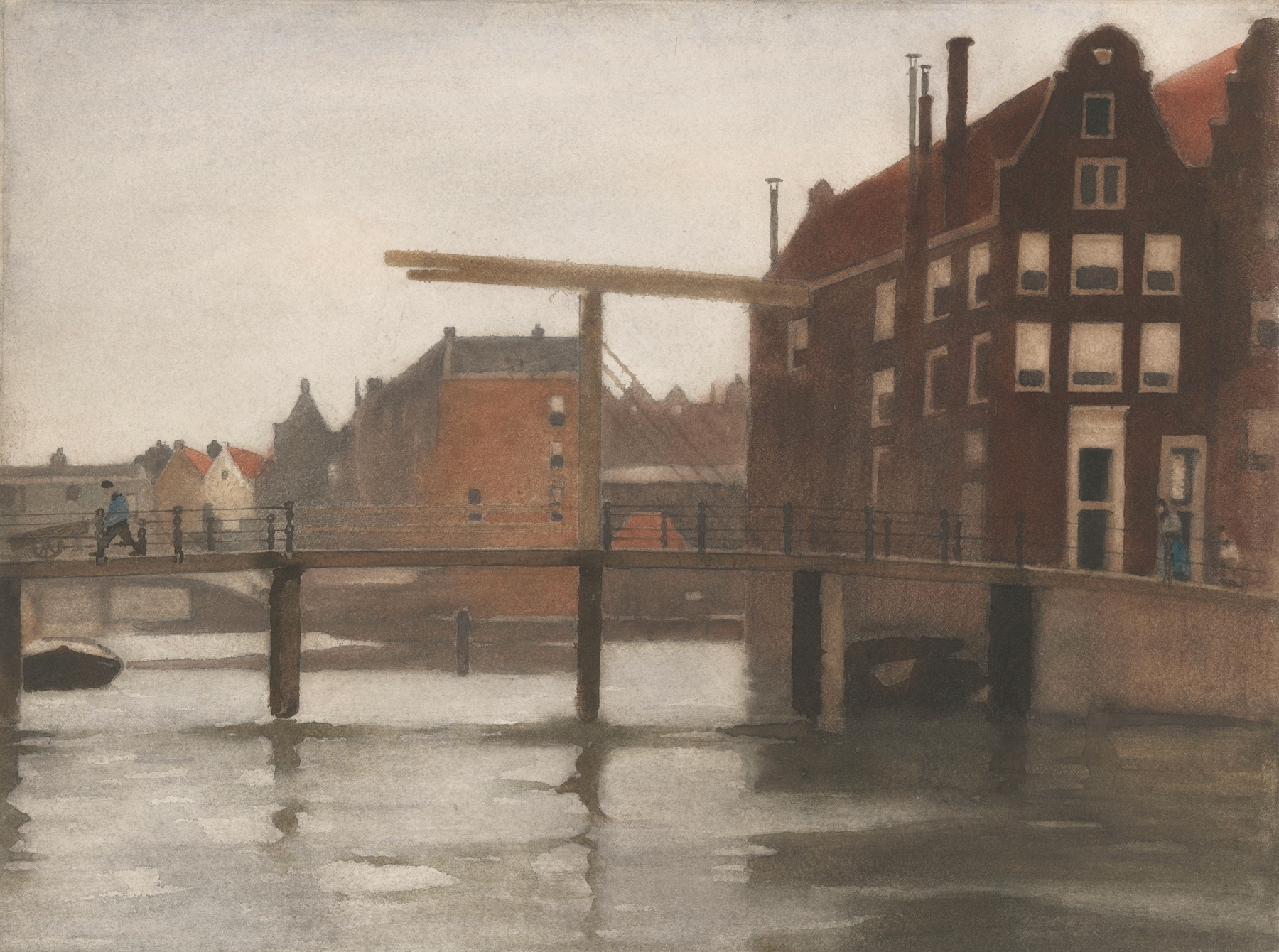
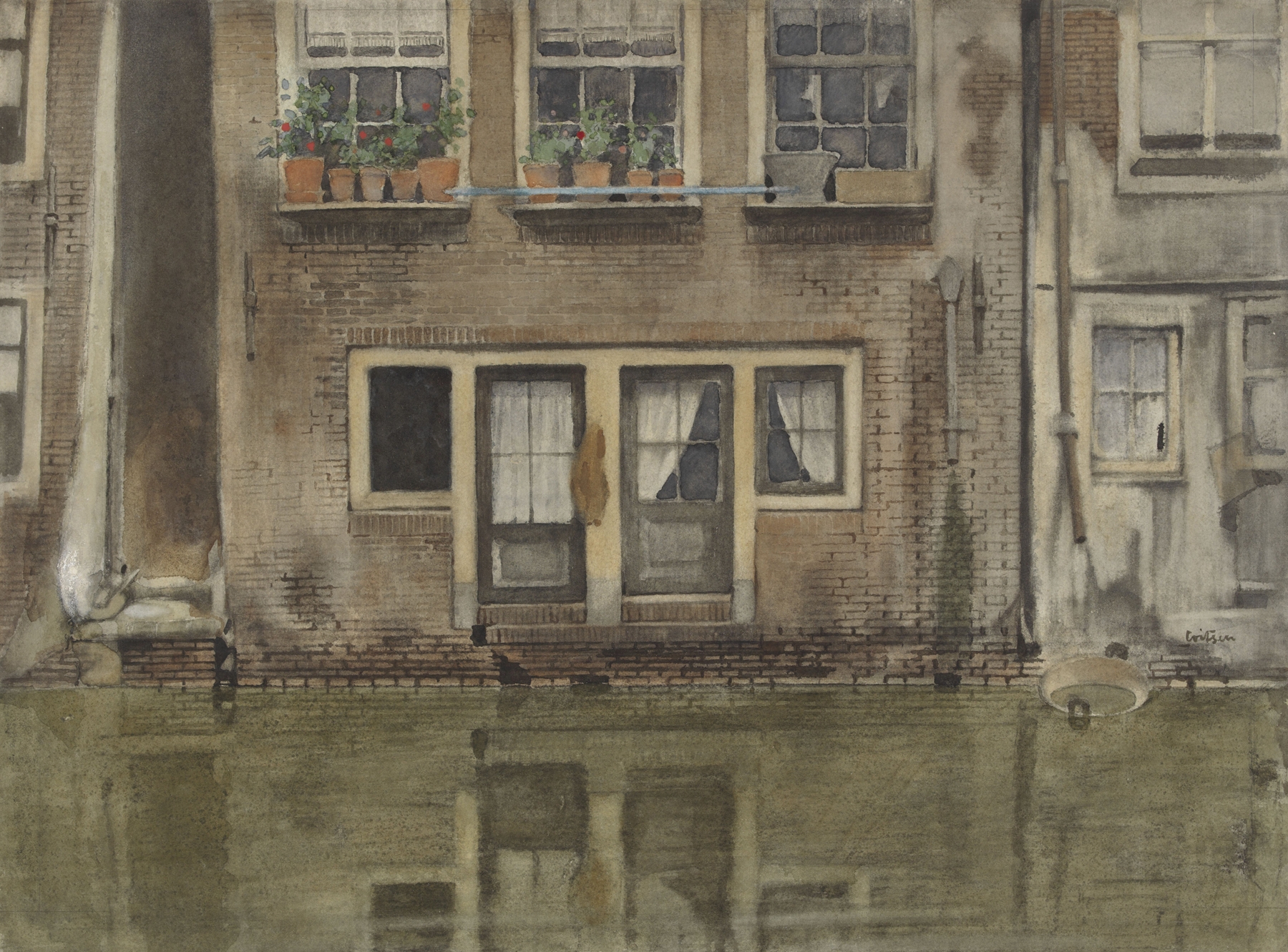
Is this a mirror — or a memory? In Bouwput op de Binnenkant, the boundary between reality and dream blurs, inviting the viewer into a world suspended in contemplation. Look to the left at the slender, muted figures standing amidst the construction. Their silhouettes seem to glow softly against the backdrop of earthy tones, suggesting their connection to the work around them.
Notice how the thick strokes of paint create textured layers, capturing the roughness of the unfinished space, while the light filters through the scene, casting elongated shadows that stretch like whispers of the past. The juxtaposition of human presence and stark industrial formation evokes a sense of nostalgia and longing, as if the figures are both creators and witnesses of their own history. The warm hues contrast with the cool, hard elements of the construction, reflecting the tension between nature and man-made structures. Each brushstroke tells a story, revealing emotion embedded in the architecture of labor and dreams.
Willem Witsen painted this piece during a transformative era in the early 20th century, a time when the Netherlands was grappling with modernization. While immersed in the dynamic art movements of his time, including Impressionism and Post-Impressionism, he infused his work with a unique sense of introspection. The painting, created between 1870 and 1923, reflects both his personal experiences and the broader societal changes, capturing a fleeting moment of human endeavor amidst the relentless march of progress.