Brücke über den Aniene unterhalb von Tivoli — History & Analysis
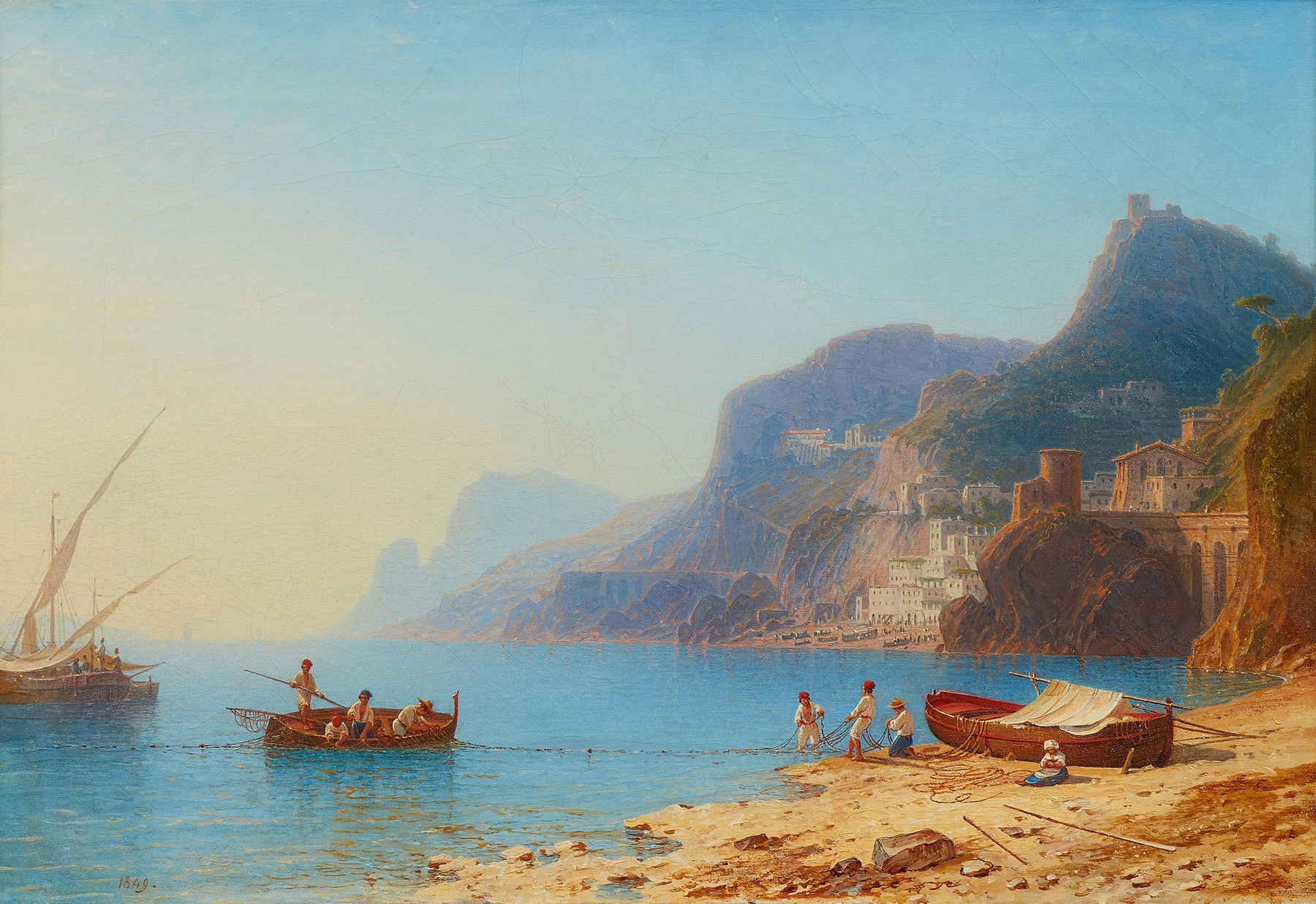
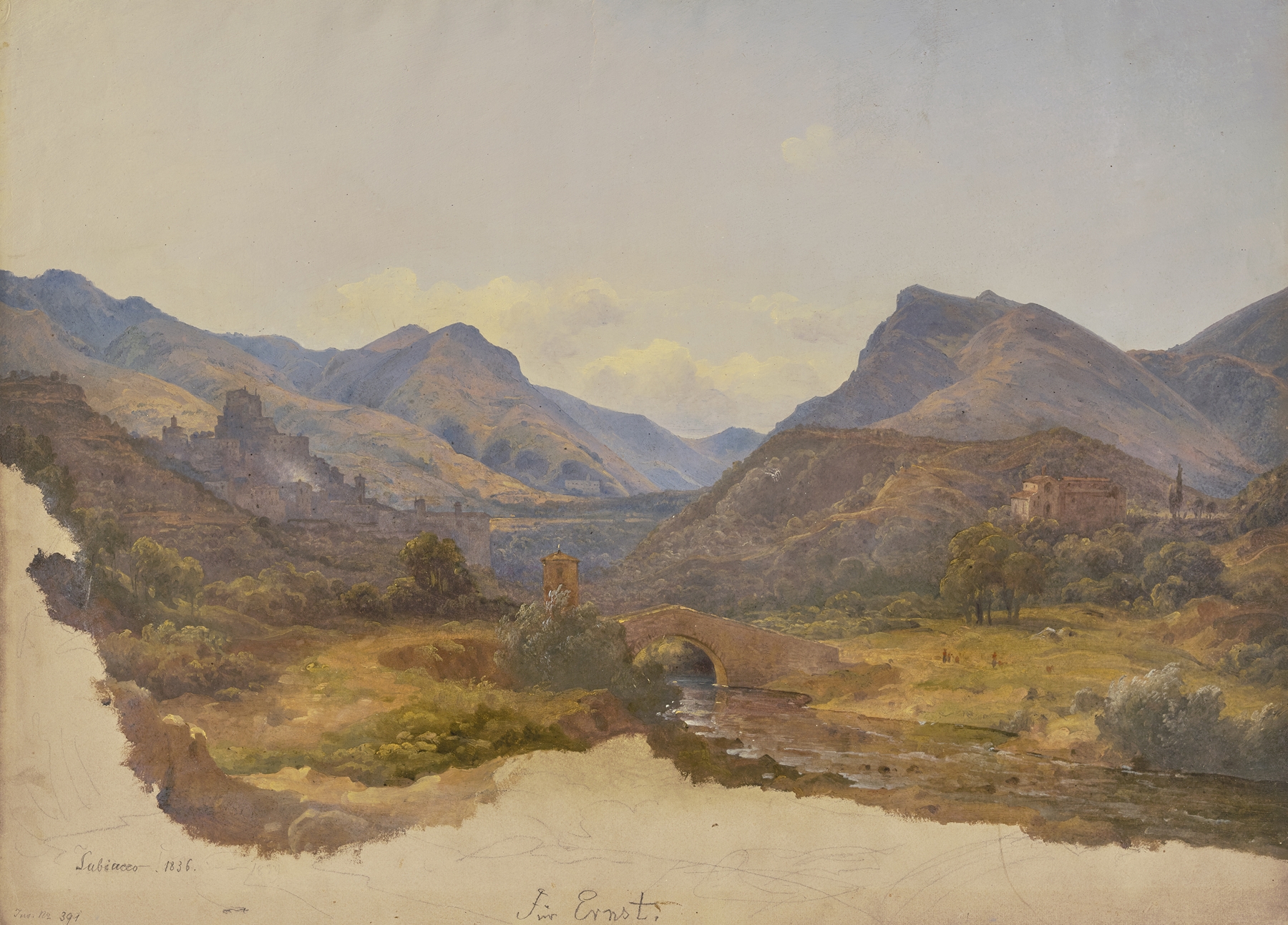
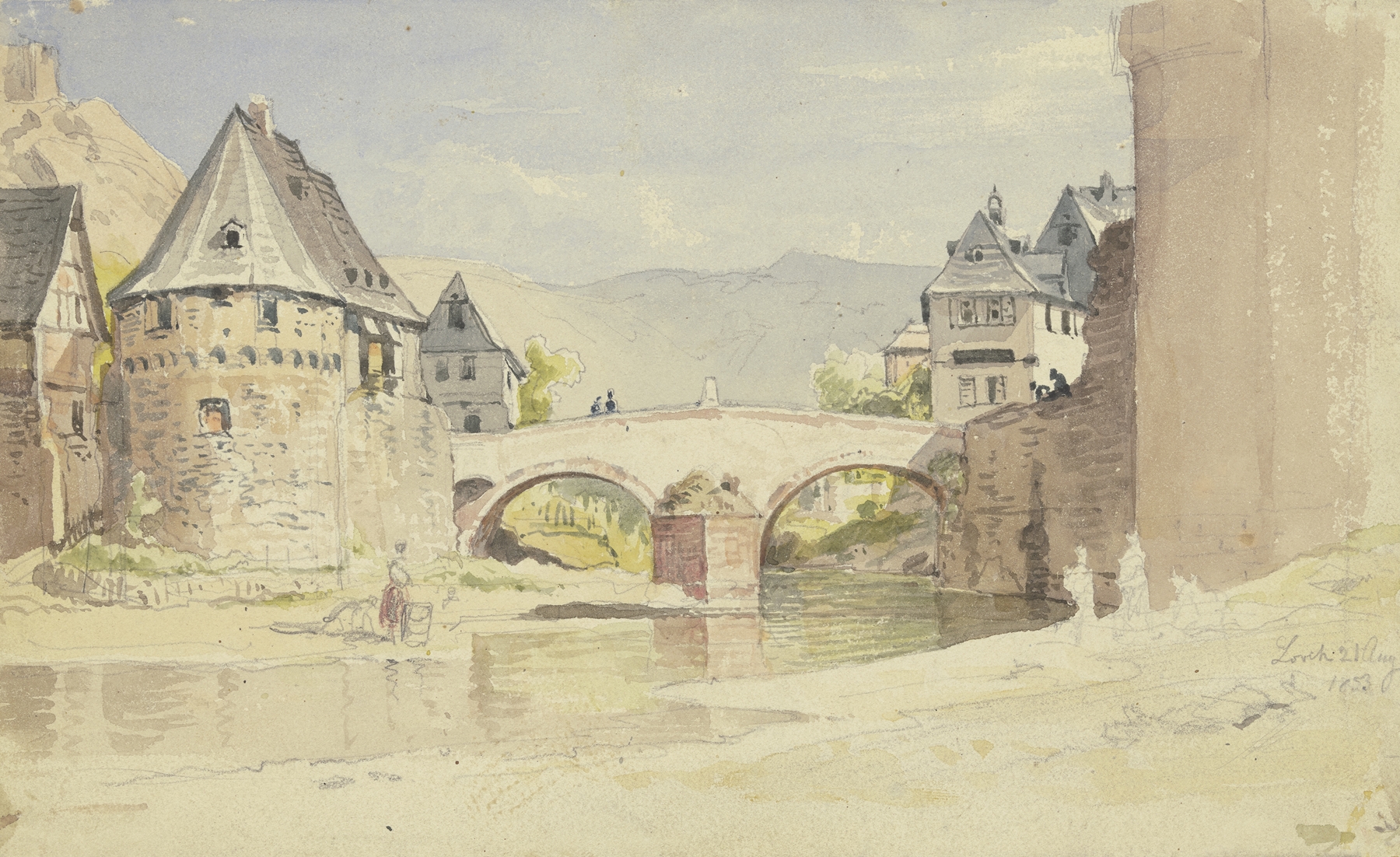
Can paint confess what words never could? In Brücke über den Aniene unterhalb von Tivoli, the vibrant landscape breathes an awakening, inviting viewers to step into its lush embrace. Focus first on the bridge arching gracefully across the Aniene River. Its stone structure, both sturdy and delicate, serves as a bold contrast to the ethereal flow of water beneath. Notice how the dappled sunlight dances on the river's surface, casting shimmering reflections that ripple outward, creating a visual echo of the landscape.
Rich greens and soft blues dominate the canvas, while touches of warm earth tones ground the scene, breathing life into the foliage and sky. As you delve deeper, consider the juxtaposition of nature and human craftsmanship. The bridge symbolizes connection, bridging not just the banks of the river but also the divide between the tangible and the sublime. The mountains loom in the background, majestic yet distant, perhaps representing the weight of time and history, while the soft whisper of the water suggests an eternal flow — a reminder of nature’s resilience.
This harmony evokes a sense of peace, yet beneath it lies an urgency, a call to recognize the transient beauty of the moment. In 1849, the artist painted this work during a period of personal reflection and artistic evolution. Living in a time when Romanticism was flourishing, he sought to capture the emotional resonance of nature and its interplay with human existence. At this juncture, Morgenstern was exploring the boundaries of realism and emotional depth, drawing inspiration from the picturesque Italian landscape he encountered, which would inform his creative journey.