Bridge at Moret, France — History & Analysis
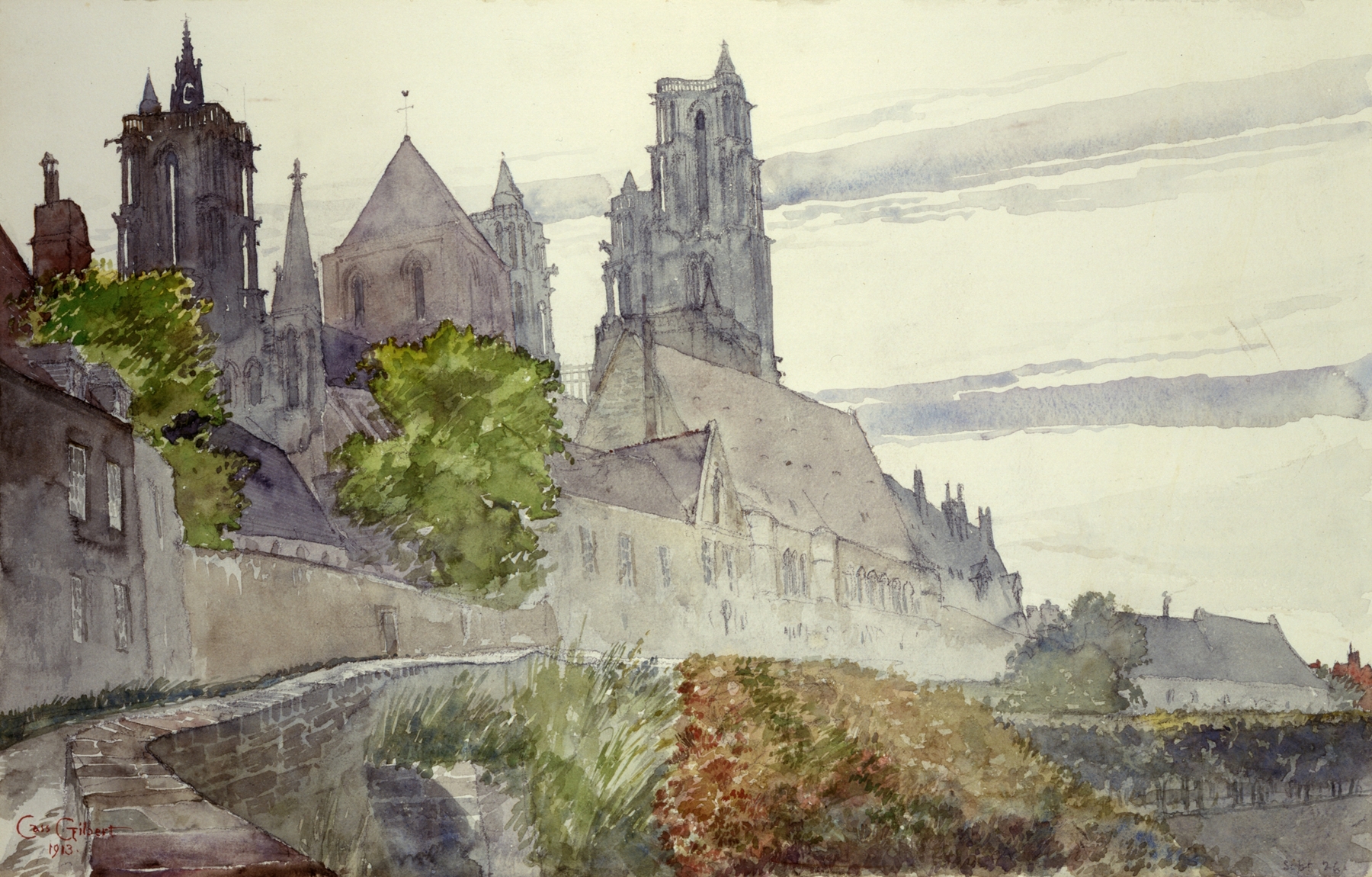
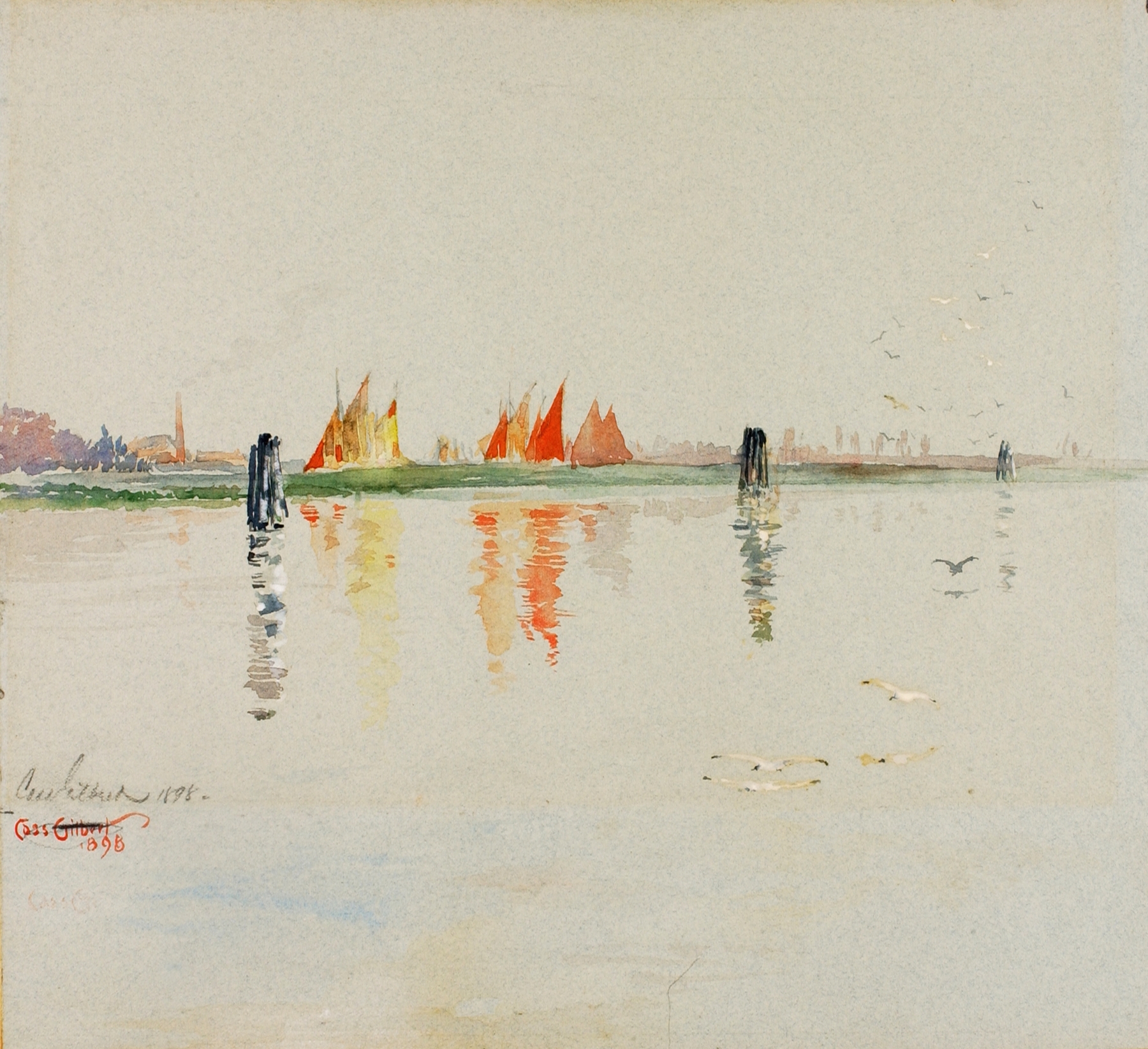
Can paint confess what words never could? In Bridge at Moret, France, the brushstrokes weave a tale of nostalgia, inviting viewers to step into a world suspended in time, where memory and emotion collide. Look to the lower left at the weathered stone bridge, arching gracefully over the reflective waters. The artist employs soft, muted tones — earthy greens and warm browns — to evoke a sense of tranquility.
Notice how the dappled sunlight dances upon the surface of the river, casting gentle ripples and illuminating the surrounding foliage. The composition is balanced, drawing the eye toward the bridge while allowing the lush landscape to envelop the scene, creating a harmonious blend of structure and nature. As you linger on the painting, consider the interplay between stillness and motion. The bridge symbolizes a crossing, not just of water but between past and present, inviting contemplation of journeys taken and those yet to come.
The subtle variations in light suggest the passage of time, evoking both the comfort of familiarity and the bittersweet ache of reminiscence. There is a tension between the enduring solidity of the bridge and the ephemeral beauty of the natural world, reminding us that nothing remains unchanged. Cass Gilbert painted this work in 1928 while living in the throes of post-war America, a time when artists were grappling with modernity amidst a historical backdrop of upheaval. Influenced by his interest in European landscapes, Gilbert sought to capture the essence of places that evoked emotional depth, creating a synthesis of architectural form and natural beauty that would resonate with audiences for generations.