Byland Abbey, Yorkshire — History & Analysis
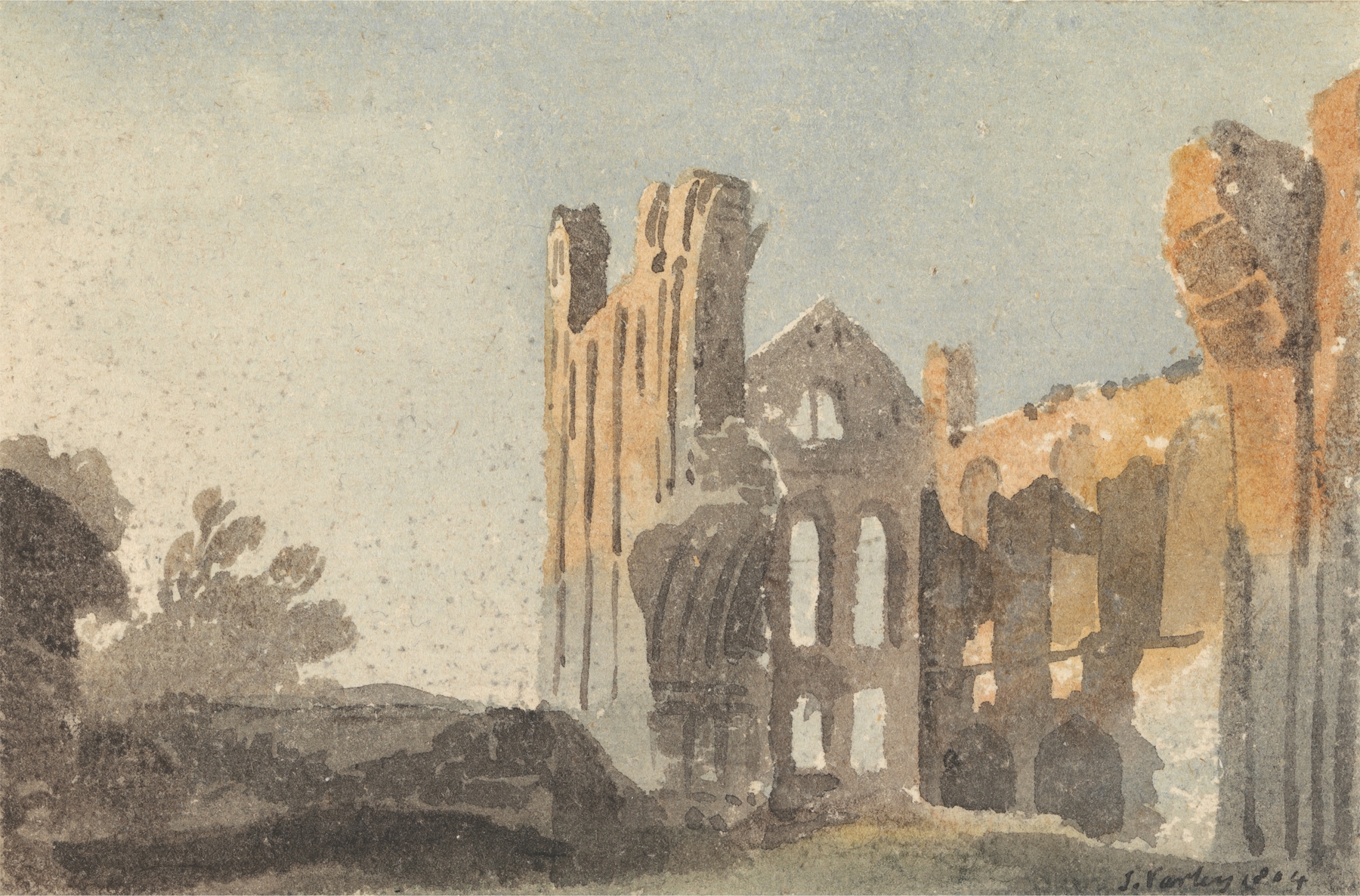
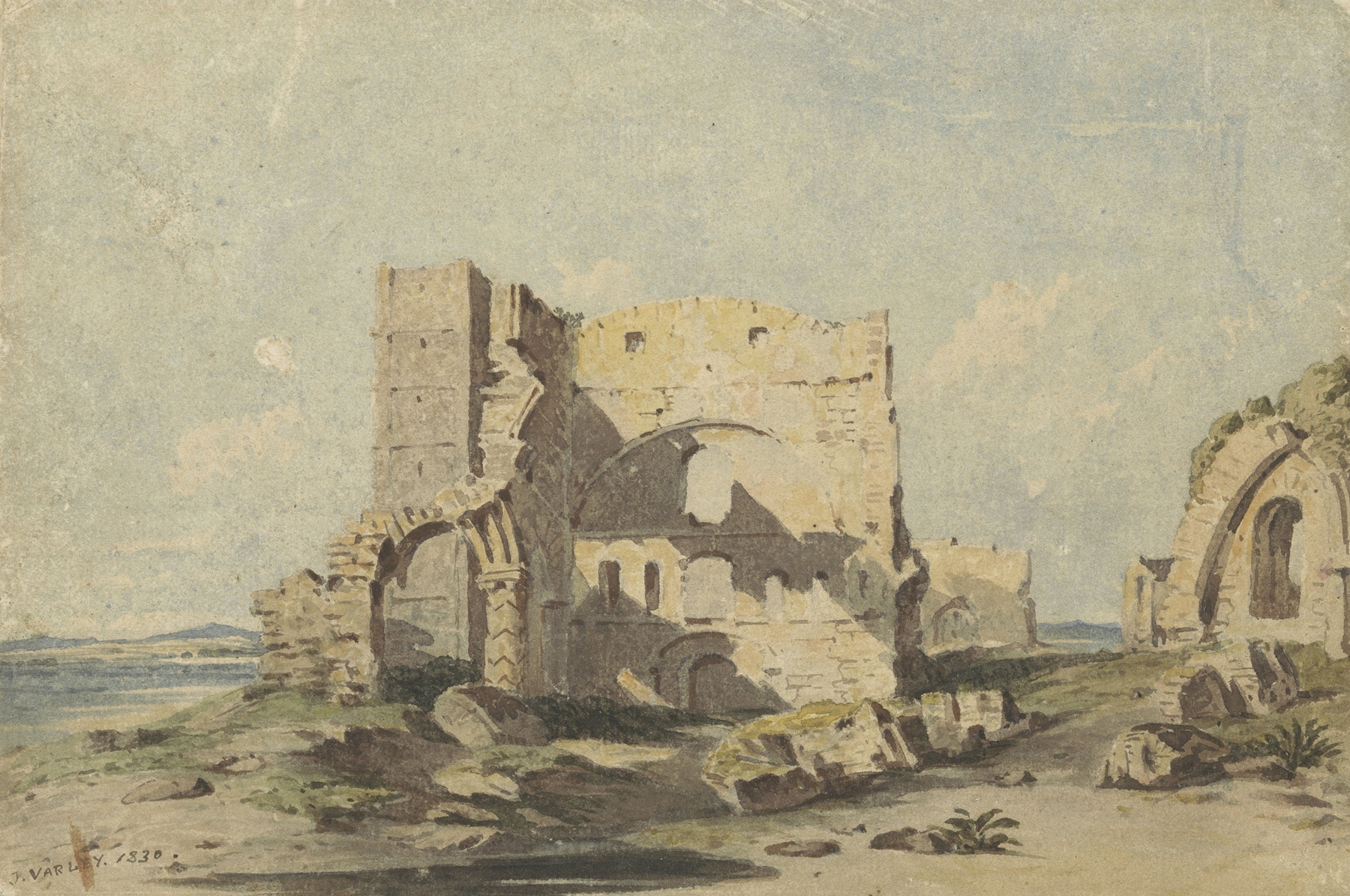
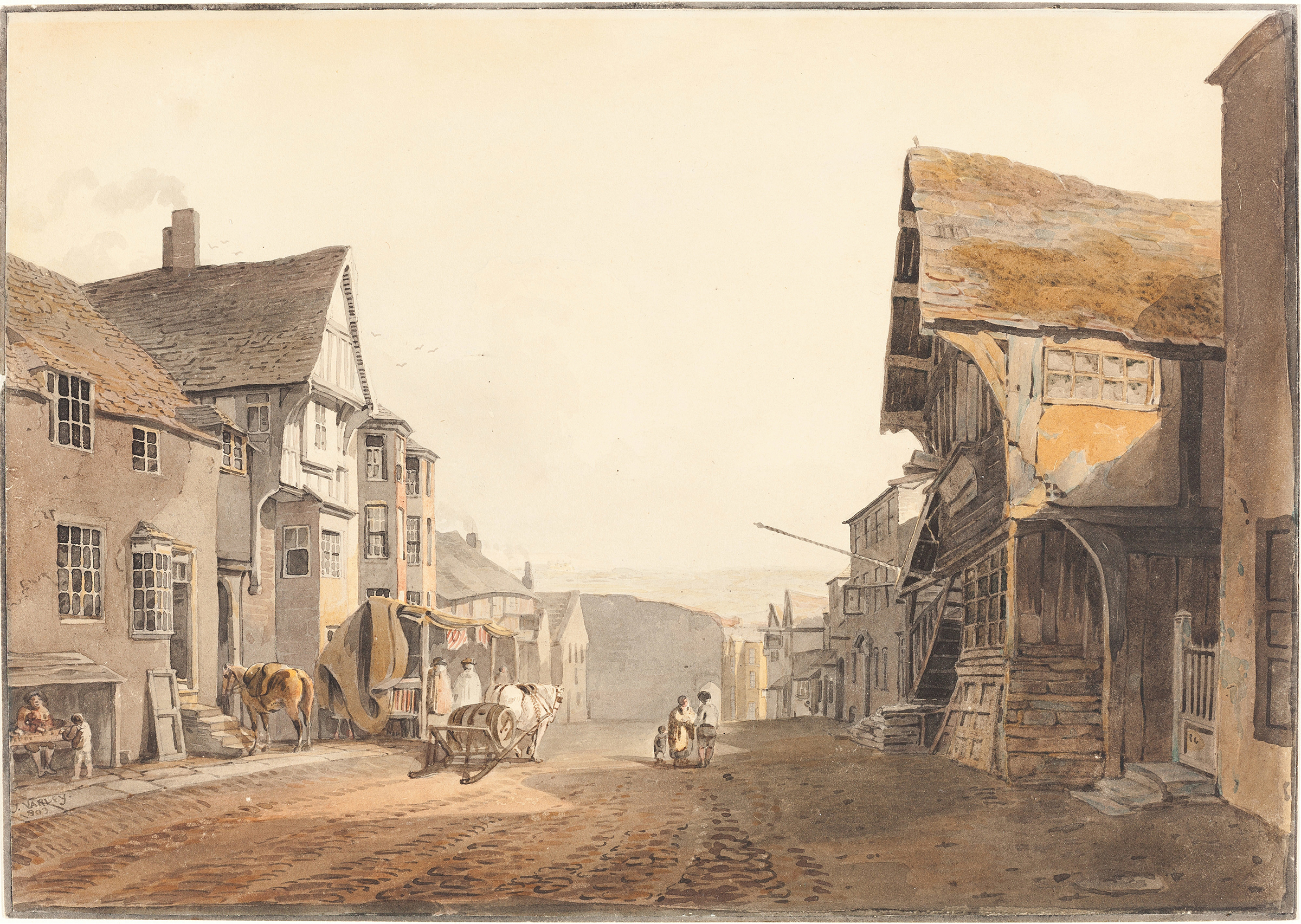
“Under the brush, chaos becomes grace.” The delicate interplay of light and shadow transforms the ruins of Byland Abbey into a haunting meditation on destiny. In this ethereal landscape, nature intertwines with man’s forgotten creations, inviting reflection on the passage of time and the fragility of existence. Look to the center of the canvas, where the skeletal remains of the abbey rise against a brooding sky. Notice how the artist masterfully captures the textures of the crumbling stone, each brushstroke evoking the weight of history. The soft greens and muted browns of the surrounding fields contrast sharply with the harshness of the ruins, suggesting a dialogue between life and decay.
Varley’s use of light, filtering through the clouds, creates an almost spiritual glow, illuminating the remnants of human ambition amidst the overwhelming presence of nature. Within this composition lies a profound sense of loss and rebirth. The abbey, a once-vibrant sanctuary, now stands as a reminder of time’s relentless march. Yet, the lush landscape encroaching upon the ruins speaks of resilience, hinting that, even in destruction, there exists potential for renewal.
This tension between the ephemeral and the eternal is underscored by the dynamic sky, swirling with clouds that evoke both turmoil and tranquility. John Varley painted this piece in 1808, during a period of profound change in England, where Romanticism was flourishing. As a member of the watercolor movement, Varley sought to capture the sublime beauty of nature, reflecting the era’s fascination with the interplay of the natural world and human endeavors. The political and social upheaval of his time likely influenced his depiction of this historic site, tying the personal to the universal.