A View along the Thames towards Chelsea Old Church — History & Analysis
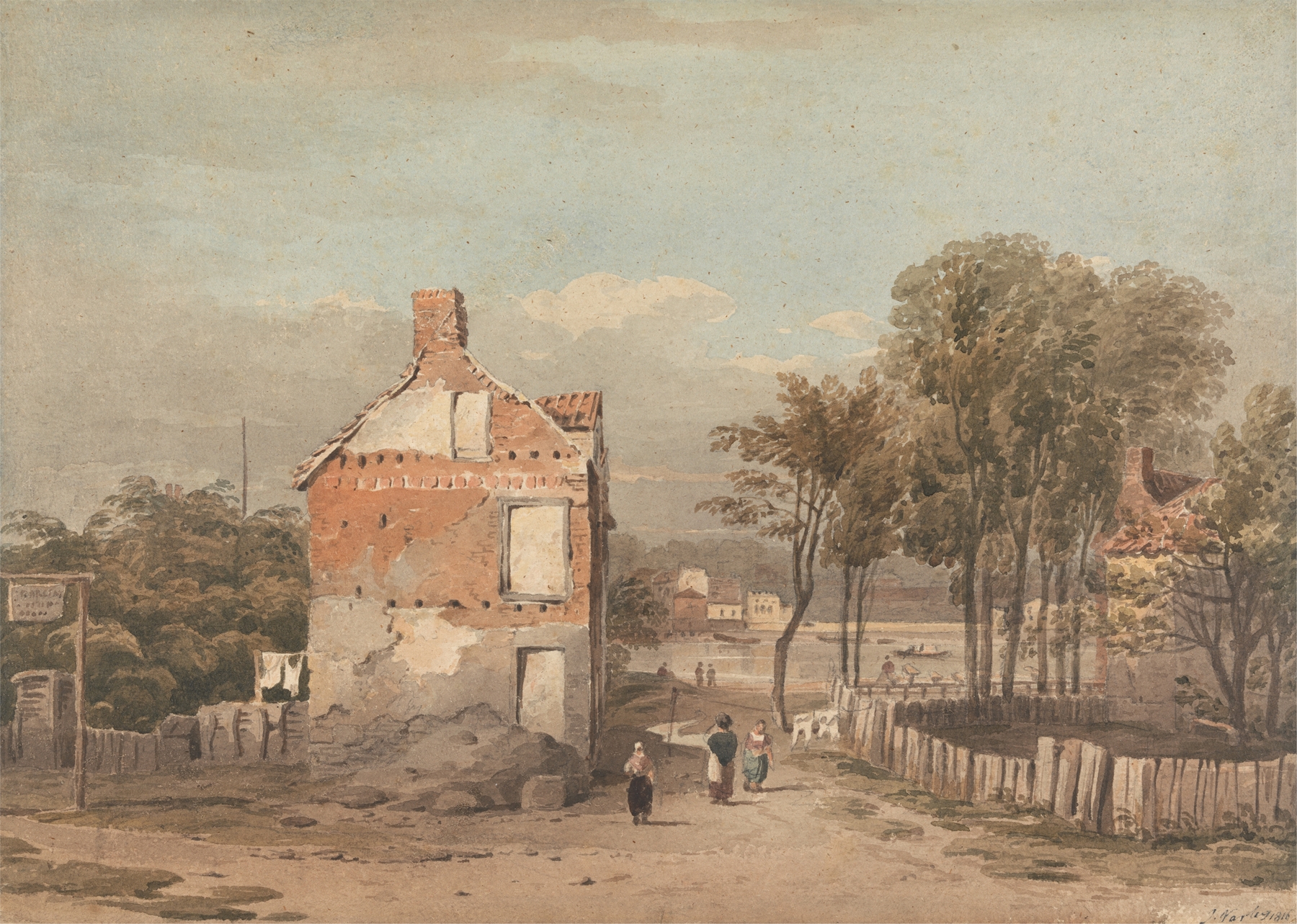
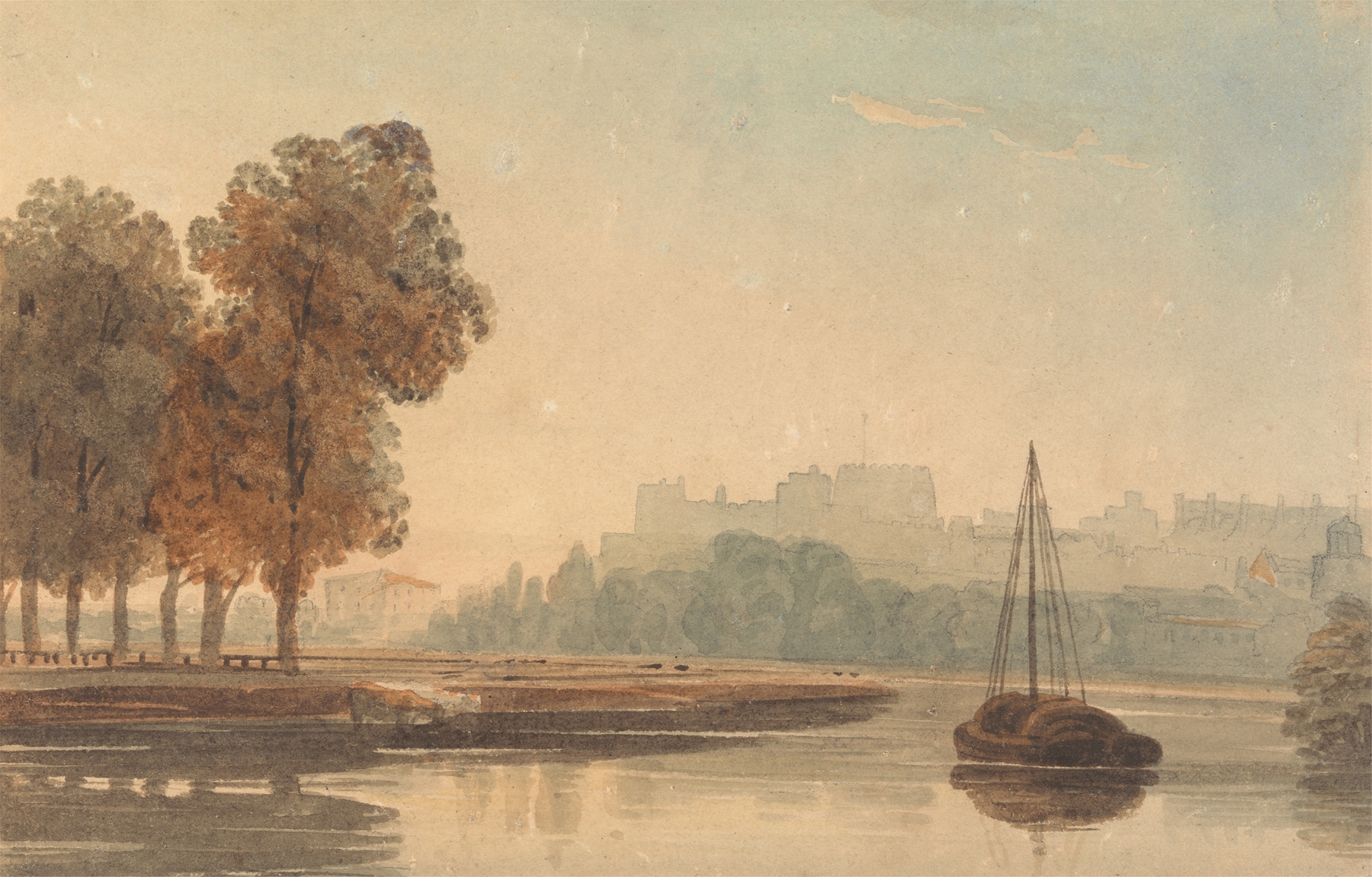
“Every silence here is a confession.” In the stillness of twilight, the Thames whispers secrets of grief, inviting us to reflect on what has been lost and what remains. The water, a mirror of muted hues, holds the stories of countless souls, echoing the pain of absence. Look to the horizon where the darkening sky meets the fading outlines of Chelsea Old Church. Notice how the soft blues and greys blend seamlessly, evoking a sense of longing.
Varley’s brushwork invites the eye to glide along the gentle currents of the river, while the warm, golden light at the church’s steeple stands as a beacon against the encroaching dusk, symbolizing hope amidst sorrow. The composition's balance creates a serene yet poignant atmosphere, challenging the viewer to confront their own narratives of loss. As you delve deeper, observe the contrasts between the vibrant life of the river and the solemnity of the church. The bustling boats on the water playfully suggest movement, yet they are juxtaposed with the static strength of the ancient structure, reminding us of the passage of time.
Every ripple reflects a memory, every shadow holds an unspoken lament, creating a tapestry of emotions that speaks to the fragility of existence and the inevitability of grief. John Varley created this scene during a period when artists were exploring the emotional depths of landscapes as reflections of their inner worlds. While the exact date is unknown, it is clear that Varley was influenced by the Romantic movement, which emphasized the beauty and turmoil of nature. His work captures not just a view but a profound meditation on connection, loss, and the poignant silence that fills the spaces between.