Lindisfarne Abbey op Holy Island, Northumberland — History & Analysis
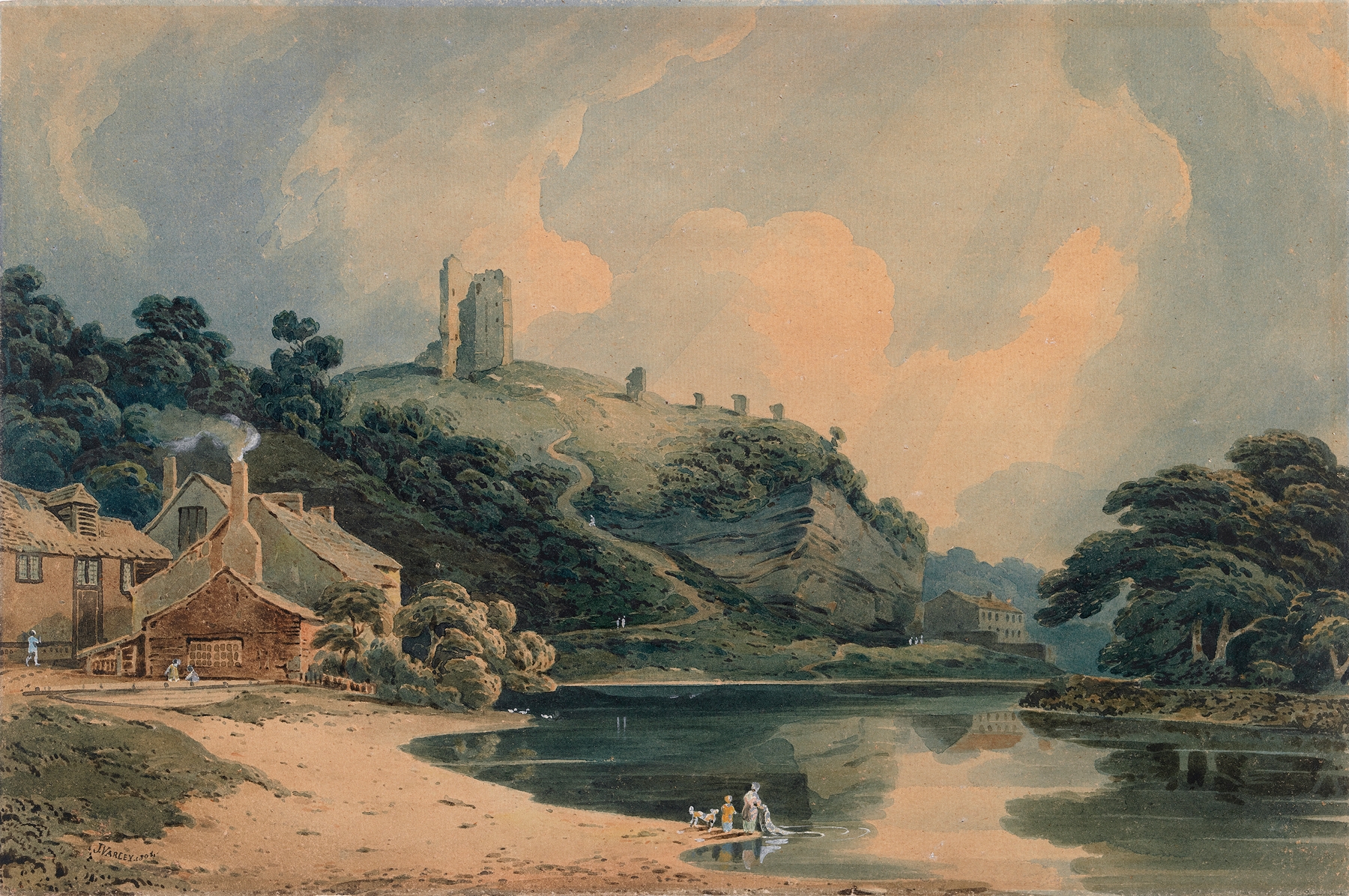
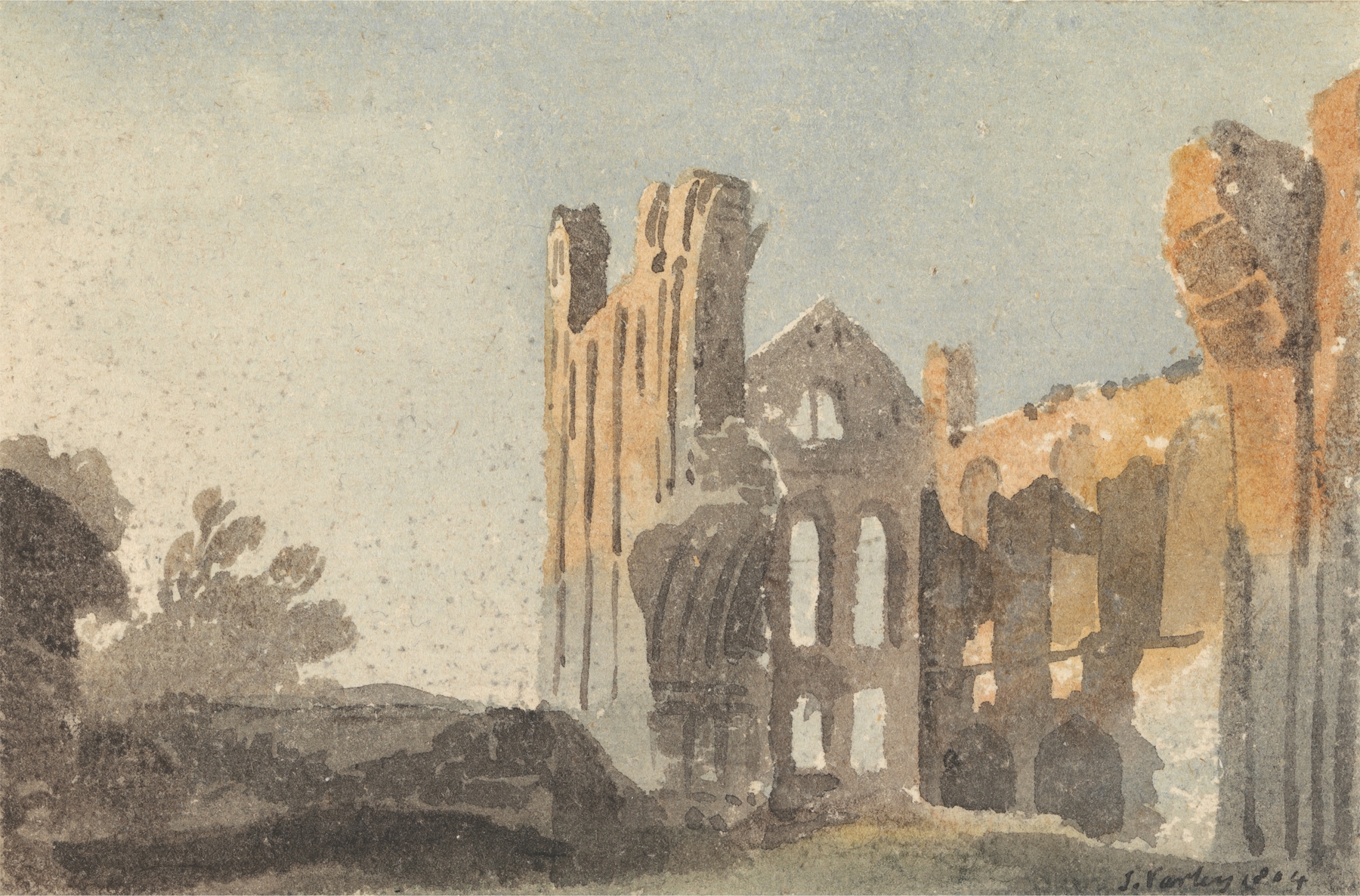
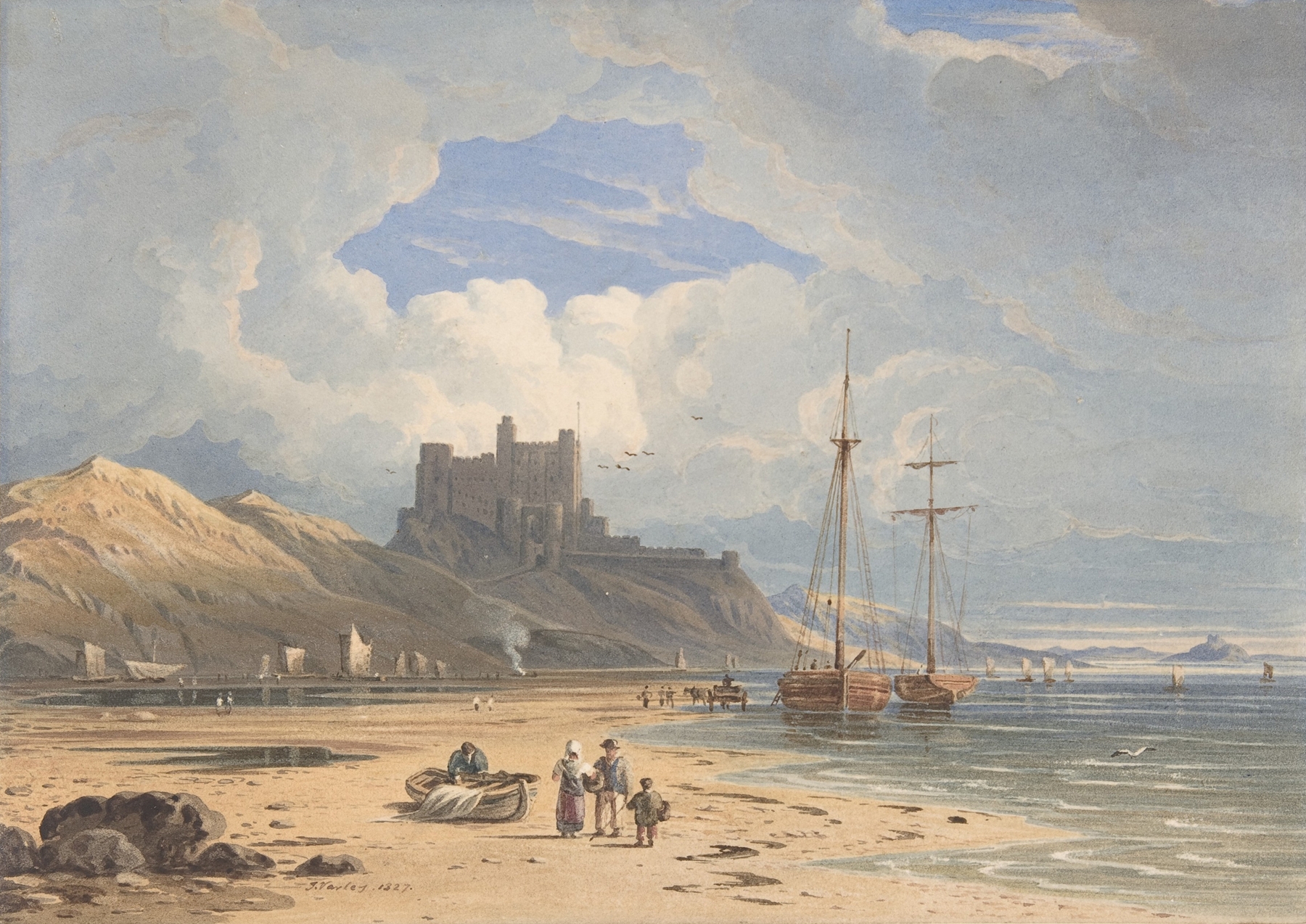
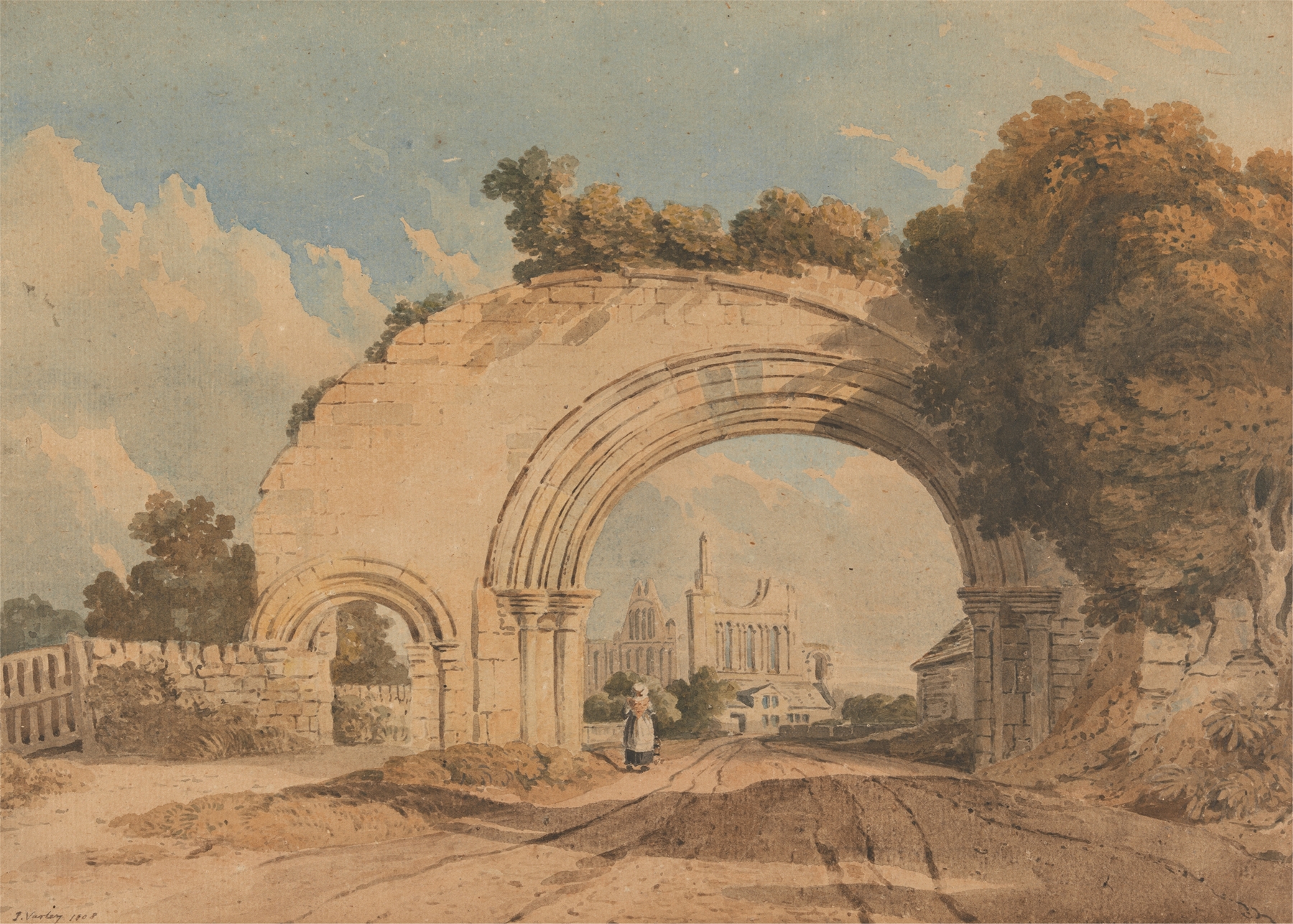
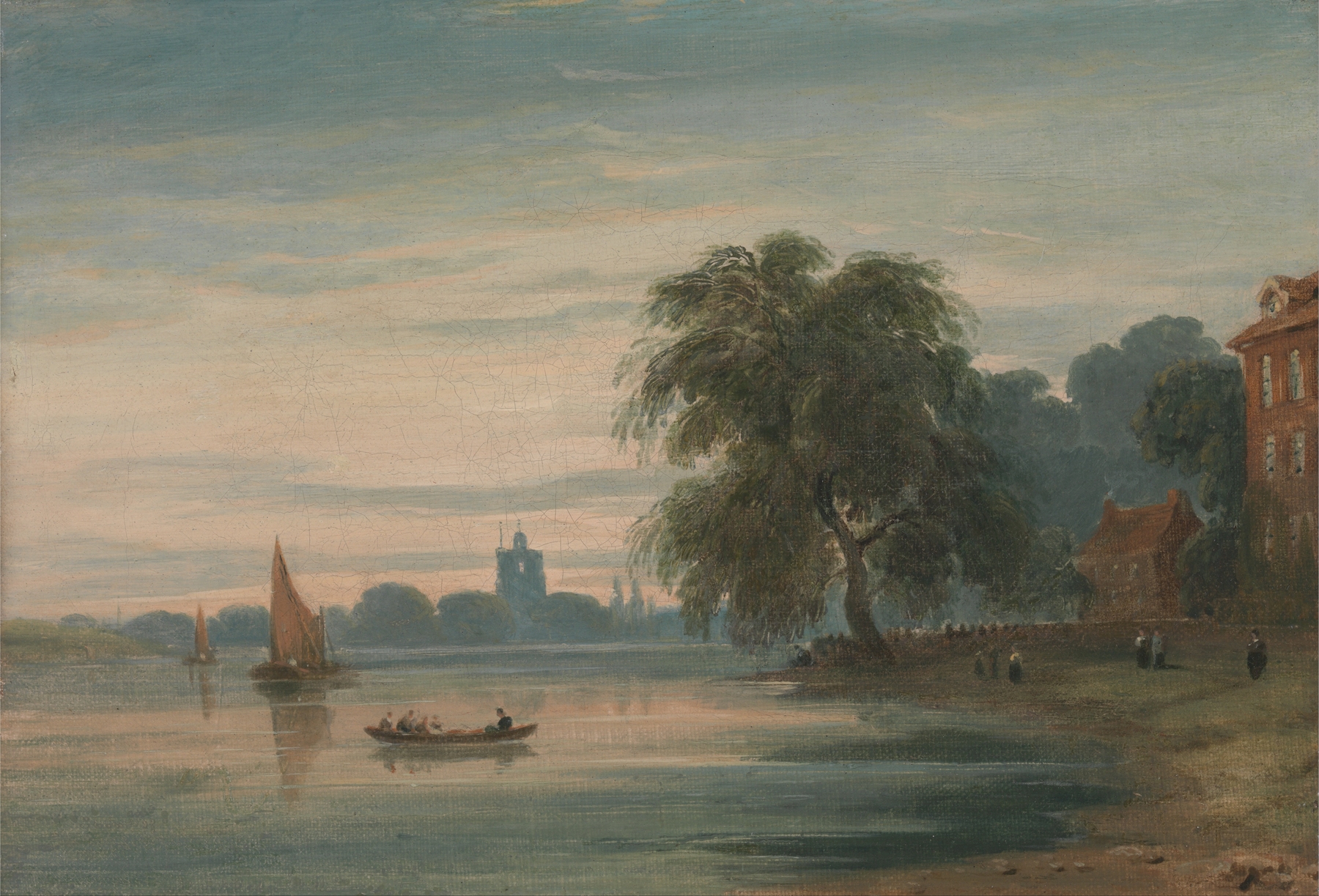
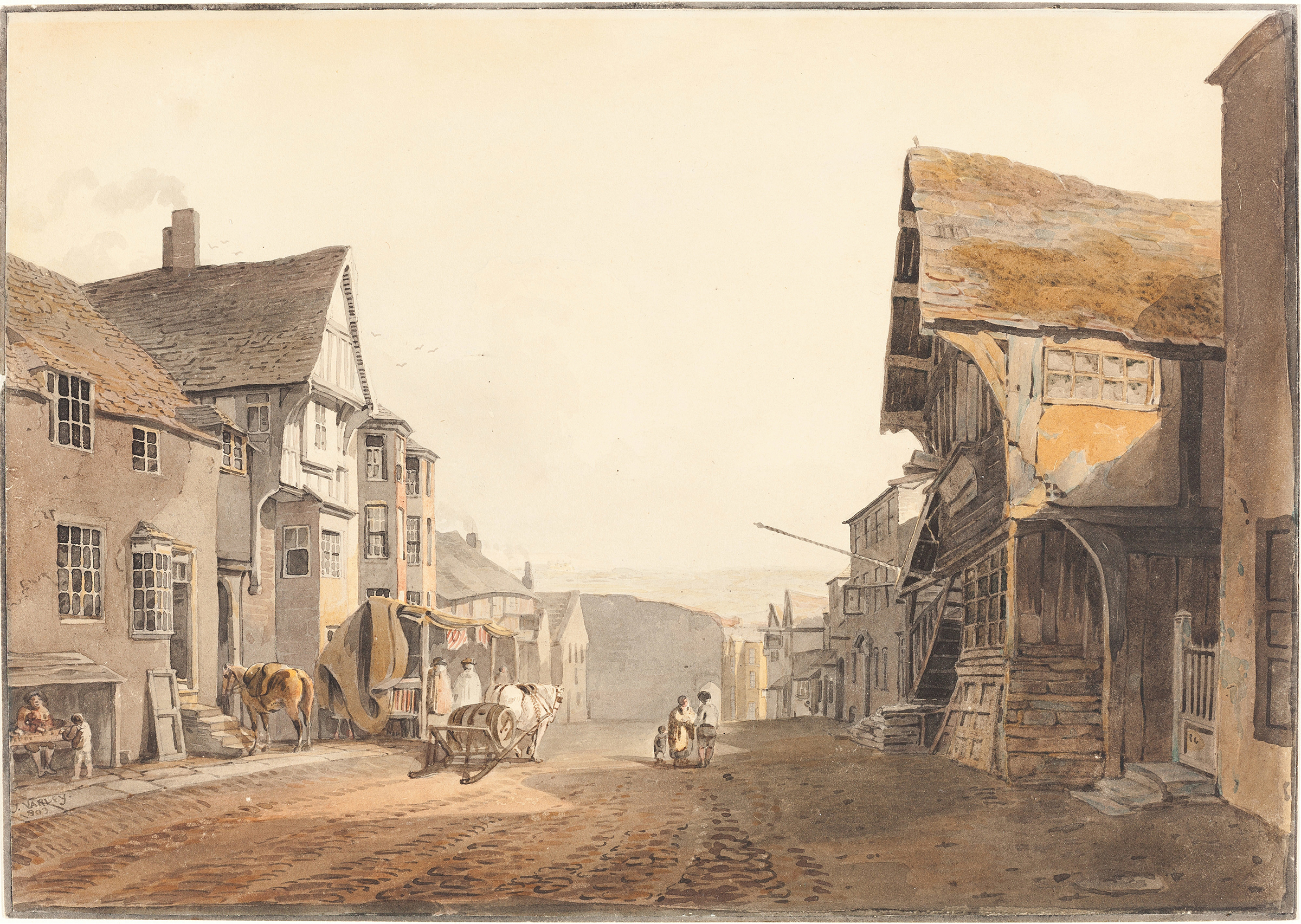
“Art reveals the soul when the world turns away.” In a time of chaos, the canvas becomes a sanctuary, a refuge where the tumult of existence finds its voice through brushstrokes. Look to the horizon; the crumbling ruins of the abbey rise majestically against the muted sky. Varley’s palette of somber grays and earthy browns envelops the scene, imbuing it with an air of melancholic beauty. The light dances hesitantly across the weathered stones, illuminating fragments of history that whisper tales of sacred devotion and the passage of time.
Notice the delicate treatment of the foliage surrounding the ruins — how it clings defiantly to the land, a gentle reminder of nature's resilience amidst human fragility. The juxtaposition of the splendid architecture against the encroaching wildness evokes a tension that speaks to the chaos of human endeavor against the relentless march of nature. Each stroke seems to wrestle with the notion of decay, but also hints at the beauty in impermanence. The ethereal clouds serve as a metaphor for the uncertainties of life, swirling above the steadfast ruins, embodying both hope and desolation.
In 1830, Varley painted this work during a period marked by a growing interest in landscape and the sublime, influenced by the Romantic movement. His life was characterized by experimentation and a quest for deeper emotional truths in art. As the world around him grappled with industrial change and social upheaval, he captured a quiet yet poignant reflection on the enduring spirit of humanity, forever etched into the stones of Lindisfarne Abbey.