View of Conwy Castle, North Wales — History & Analysis
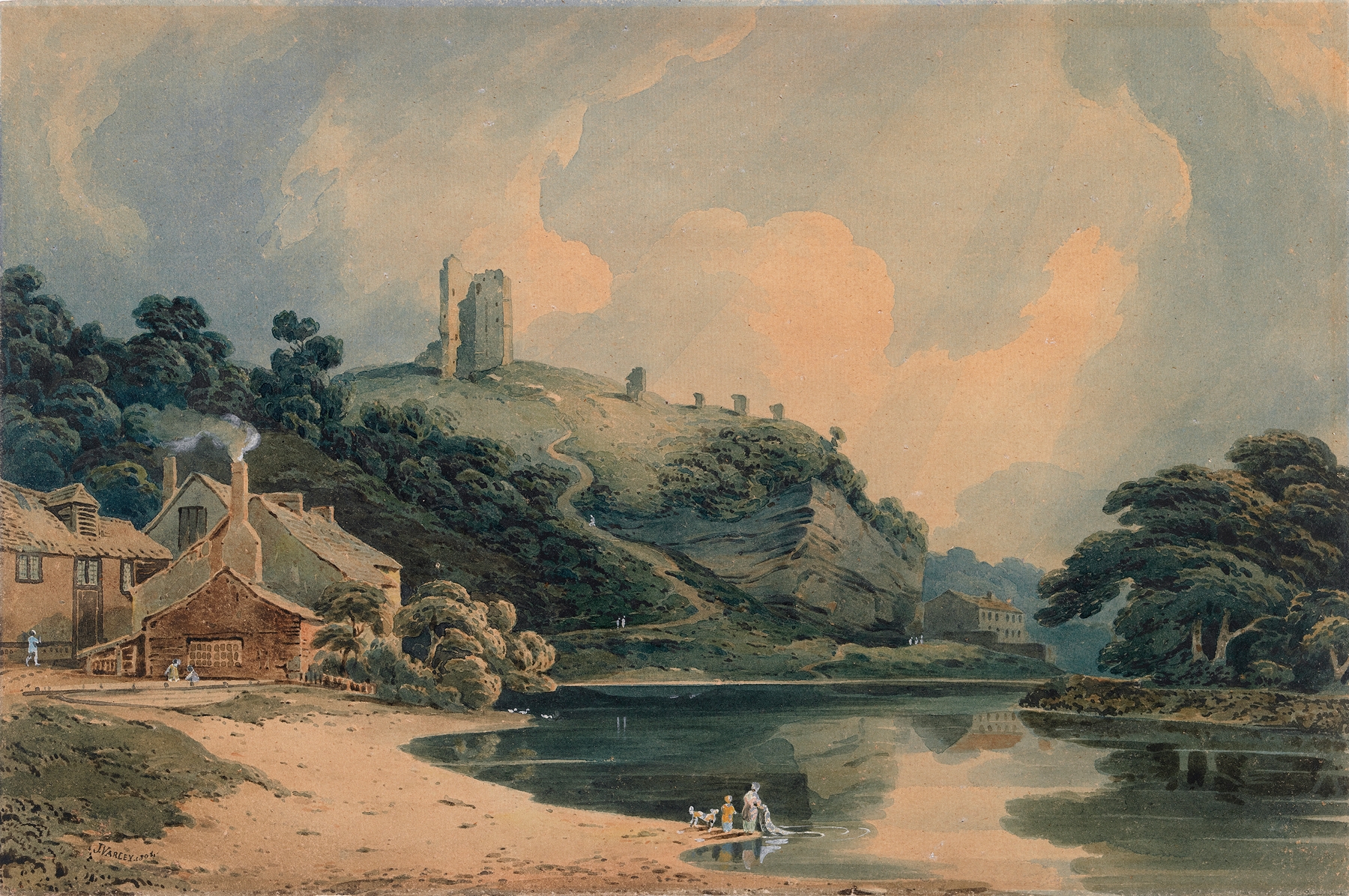
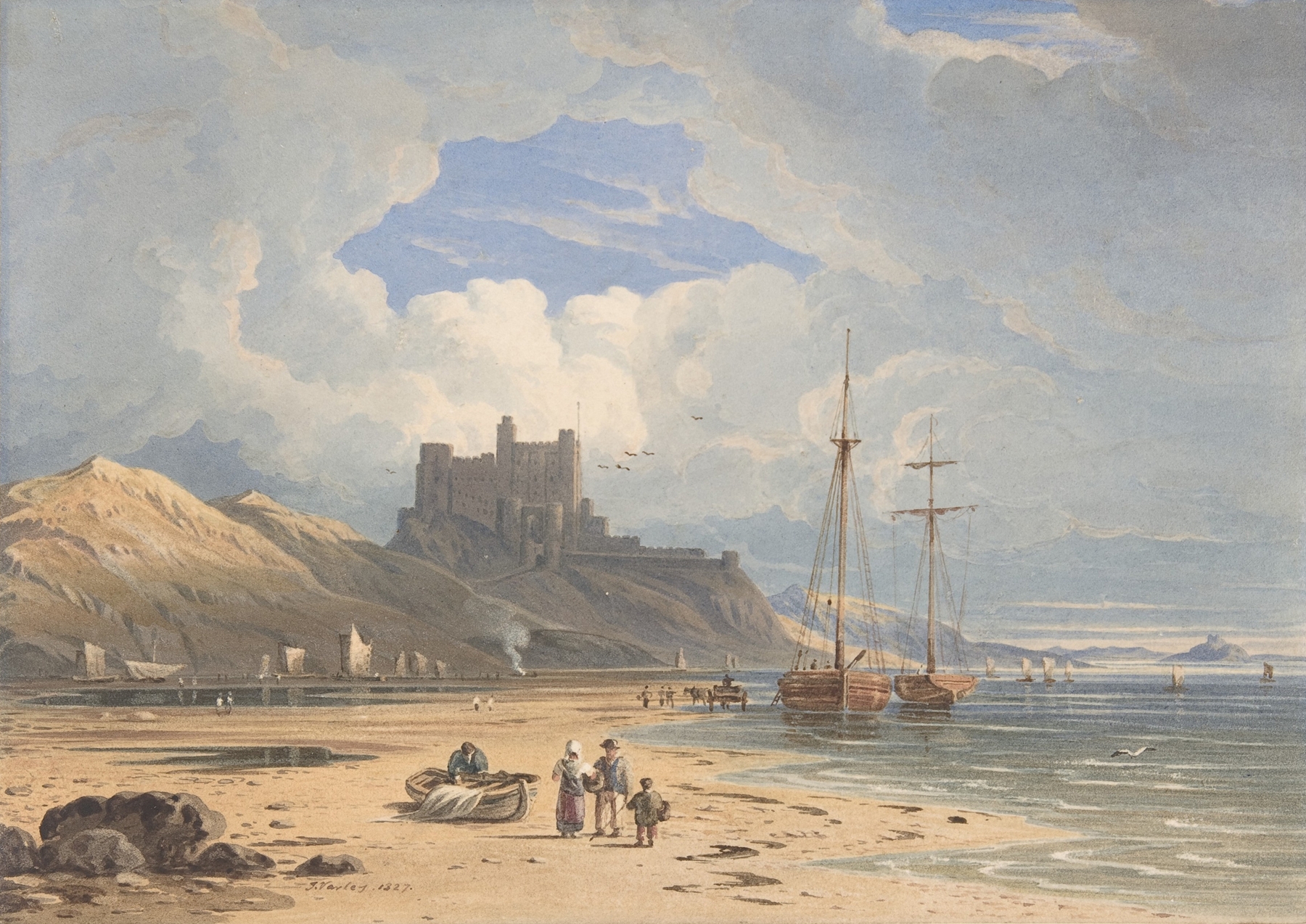
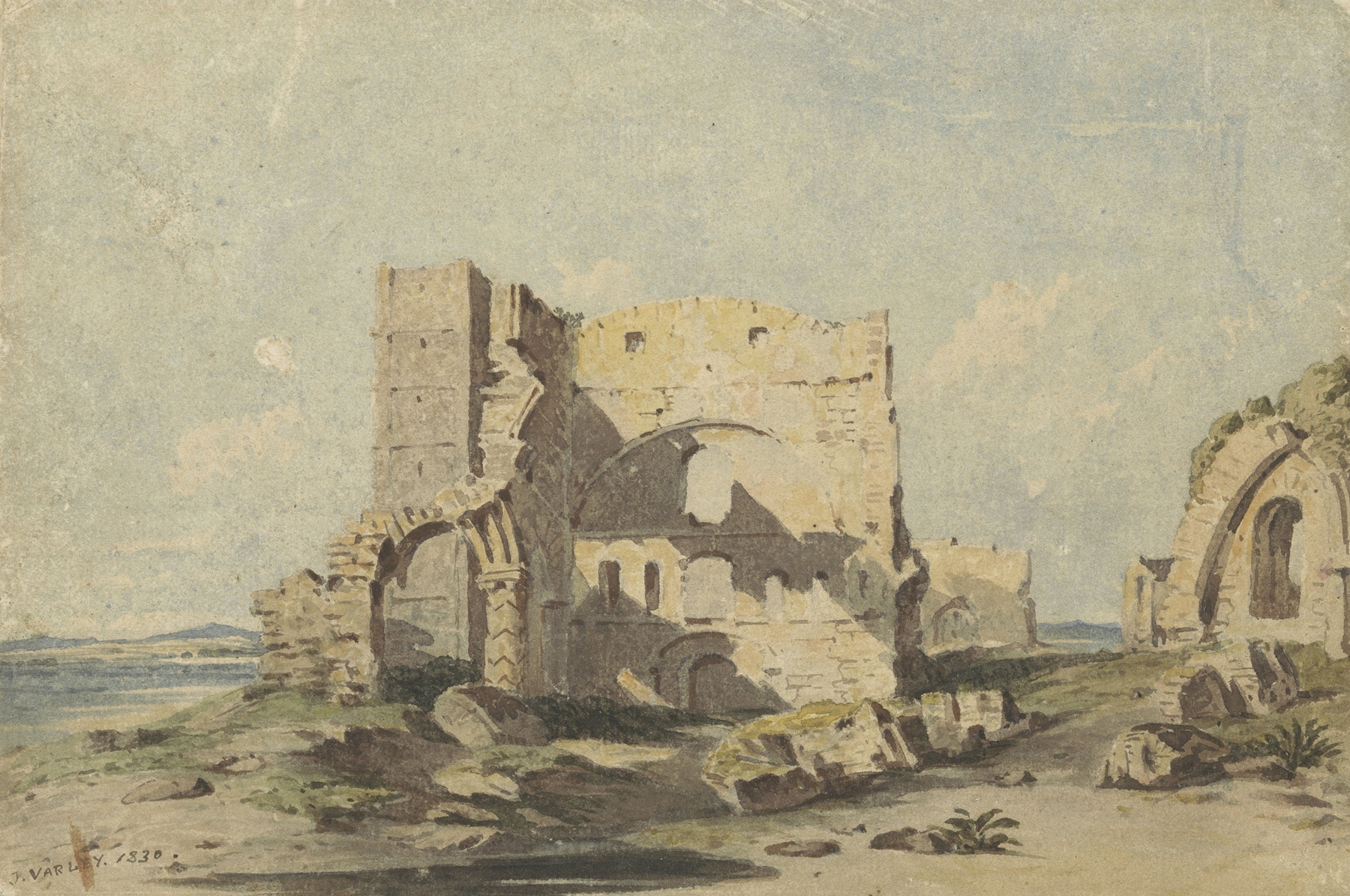
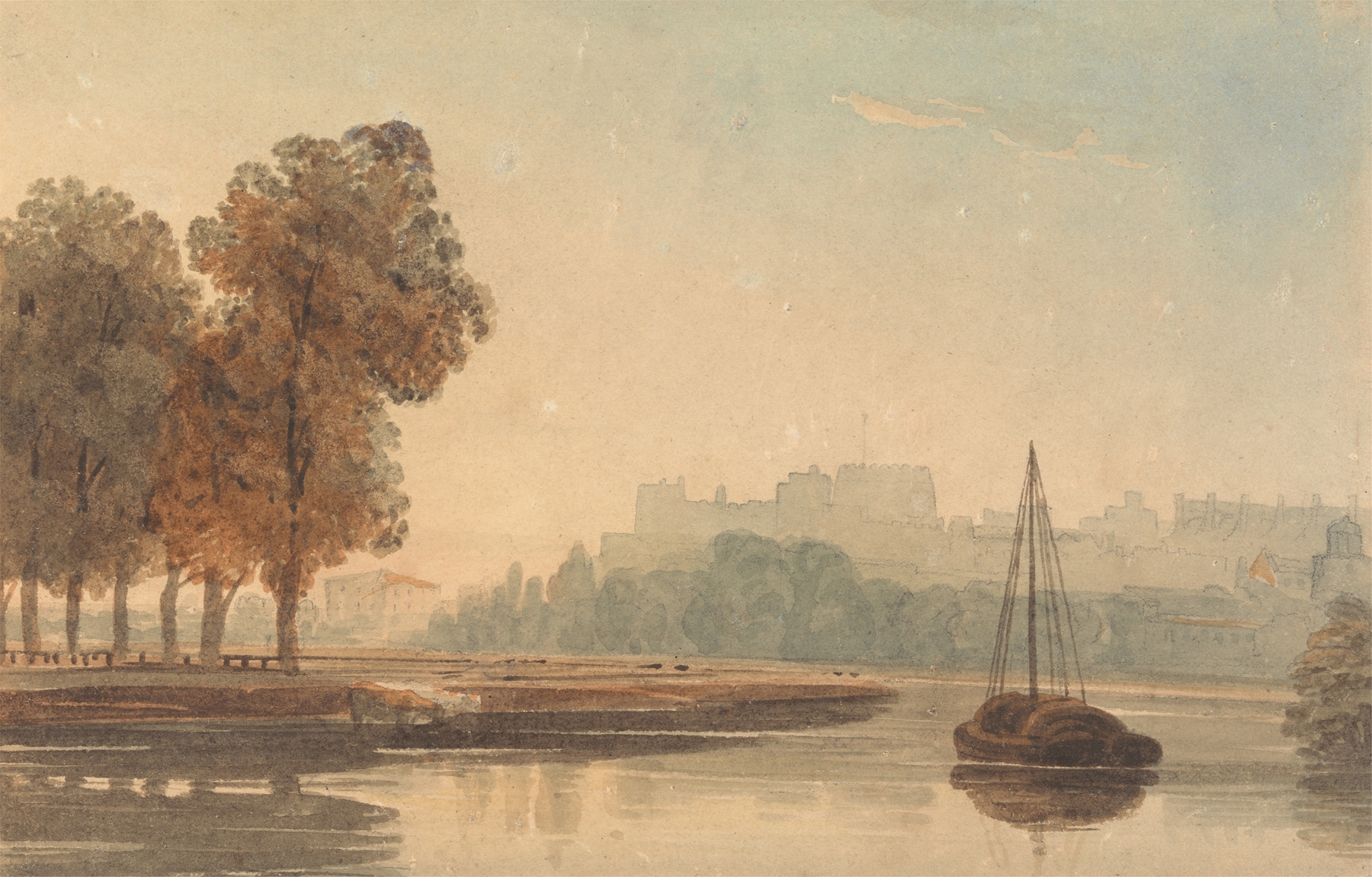
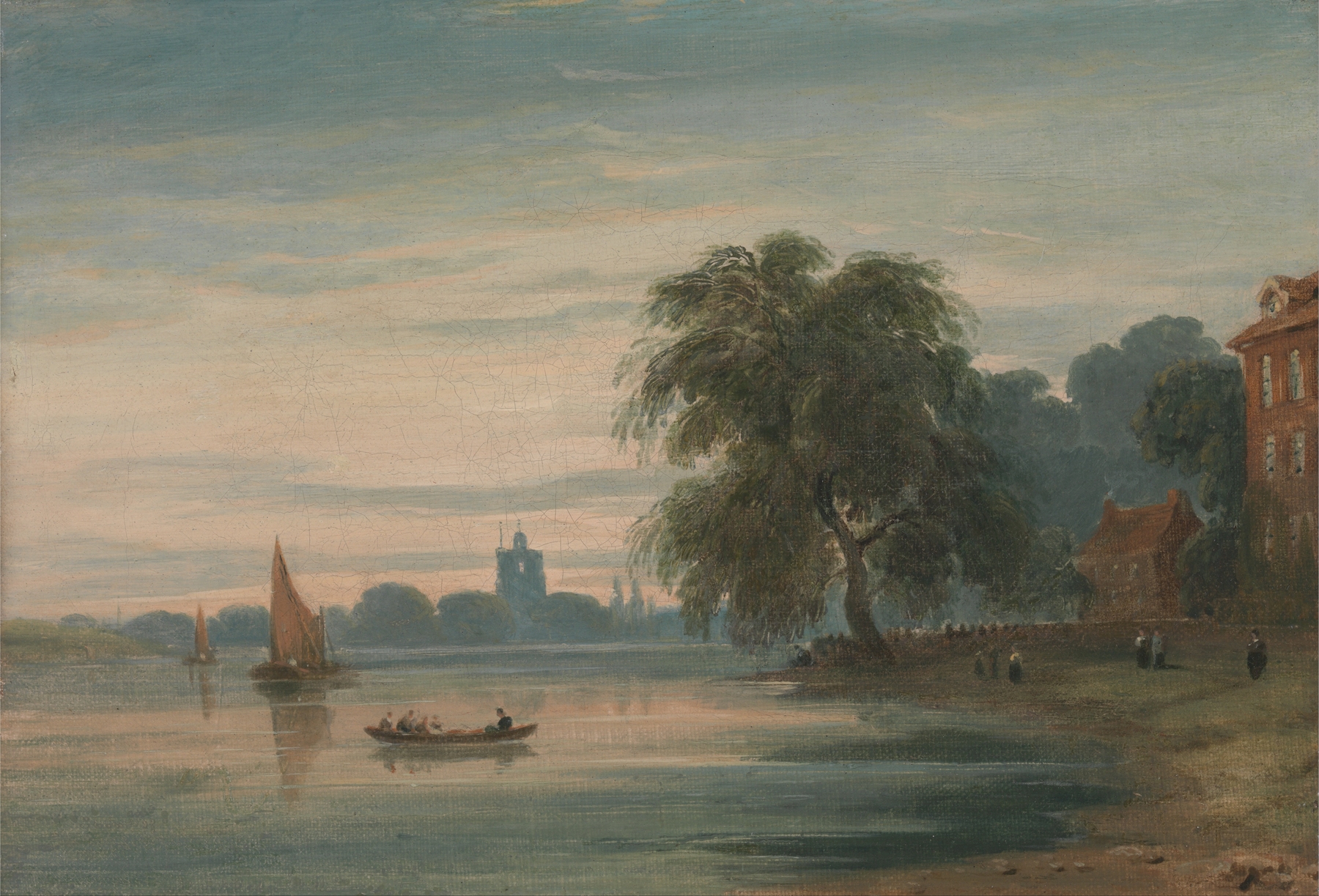
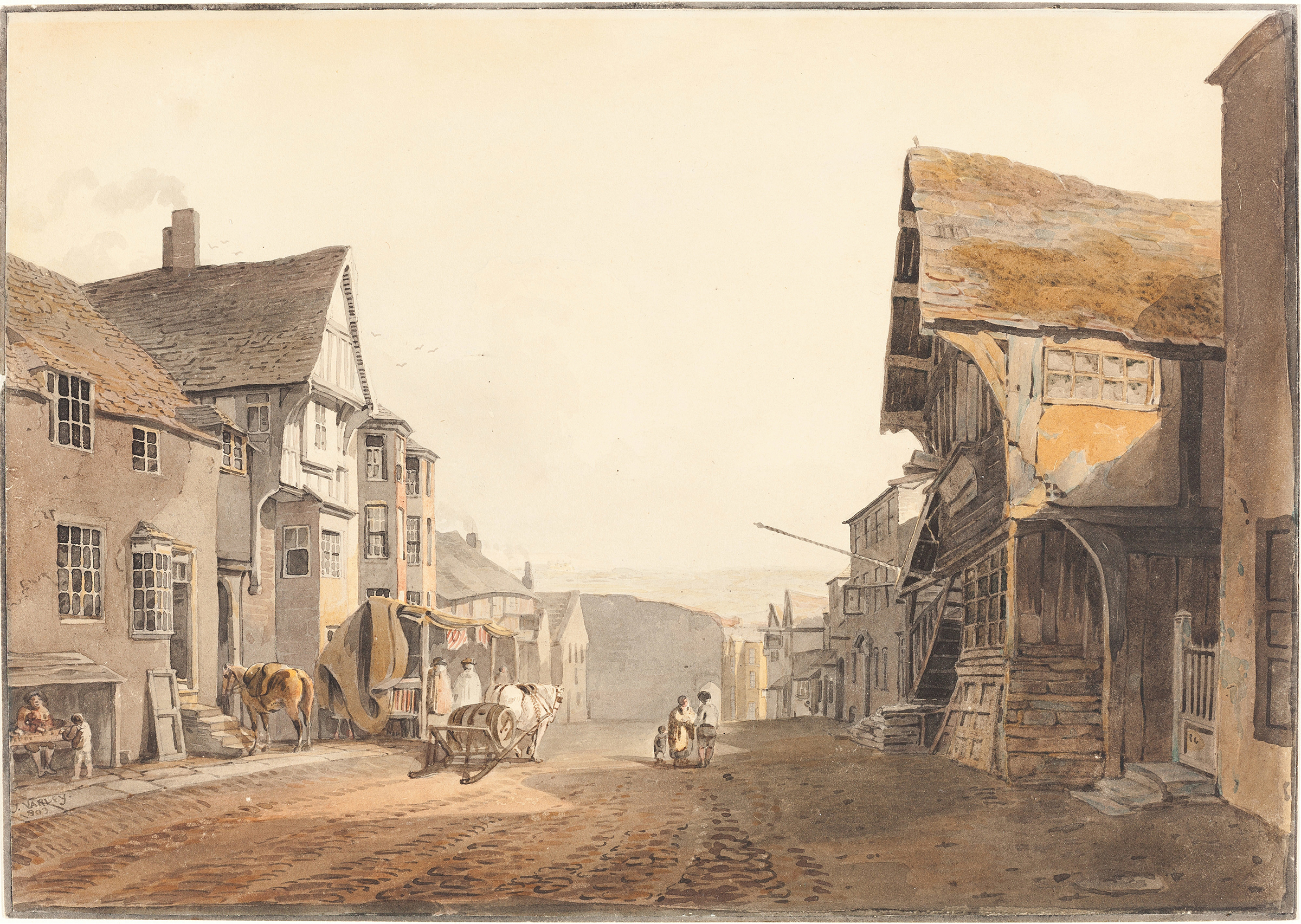
What if beauty was never meant to be finished? This question lingers in the stillness of the landscape, where time seems to pause, allowing each brushstroke to breathe life into the canvas. Begin by examining the left side, where the imposing silhouette of Conwy Castle rises majestically against the sky. The artist's delicate use of blues and grays creates an atmospheric depth, inviting the viewer’s gaze to wander through the layers of the landscape.
Notice how the soft light illuminates the castle's stone walls, casting gentle shadows that evoke a sense of tranquility and permanence, while the distant hills cradle the scene, their muted hues contrasting beautifully with the more defined structure. Beneath the surface, the painting whispers stories of history and solitude. The castle stands as a testament to human aspiration, yet it also conveys an undeniable loneliness, encapsulated in the unbroken silence of the surroundings. The flowing river below mirrors this duality—reflecting both the grandeur of the castle and the ephemeral nature of beauty.
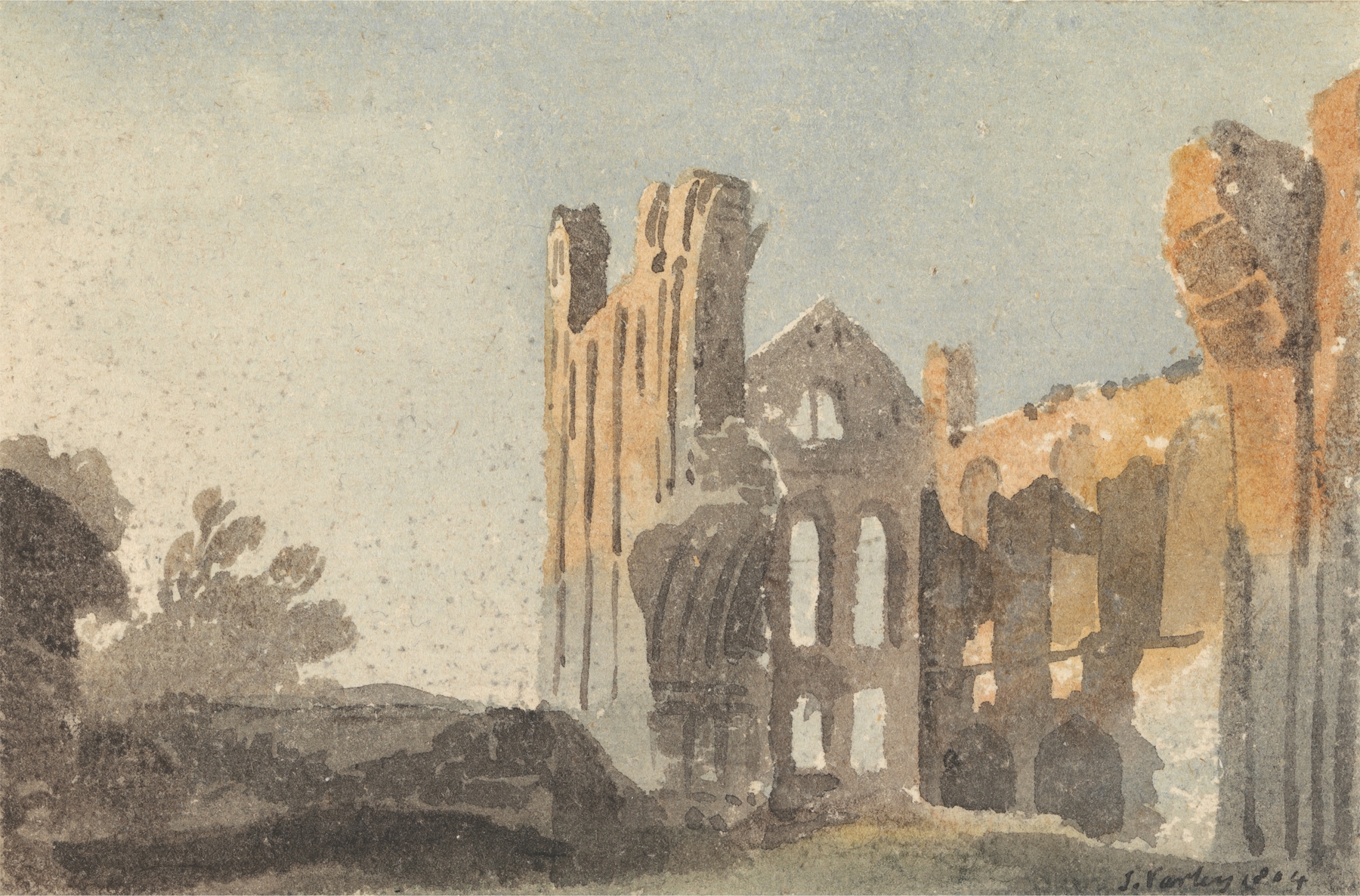
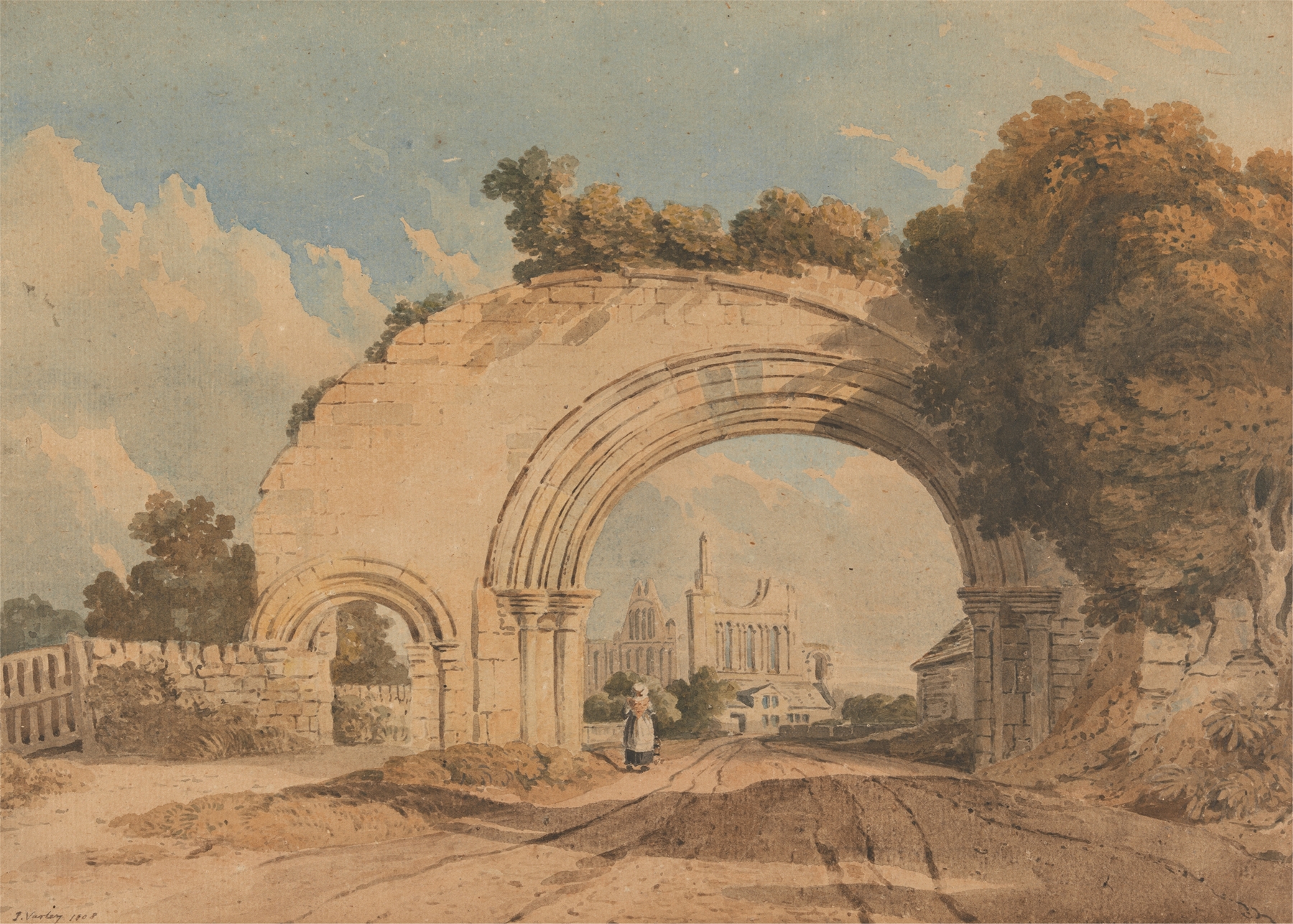
Every element, from the rippling water to the cloud-streaked sky, harmonizes, suggesting that while architecture may endure, the essence of beauty is fleeting. In this undated work, the artist found inspiration amidst the shifting dynamics of early 19th-century England, marked by a burgeoning interest in Romanticism and nature. Varley, a key figure in this movement, sought to capture the sublime qualities of the British landscape, drawing on both personal experiences and the wider cultural shifts of his time. This painting, like many others, reflects his deep connection to place, as well as his desire to portray the enchanting stillness that envelops Conwy Castle.