The Thames Near the Penitentiary, Millbank, London — History & Analysis
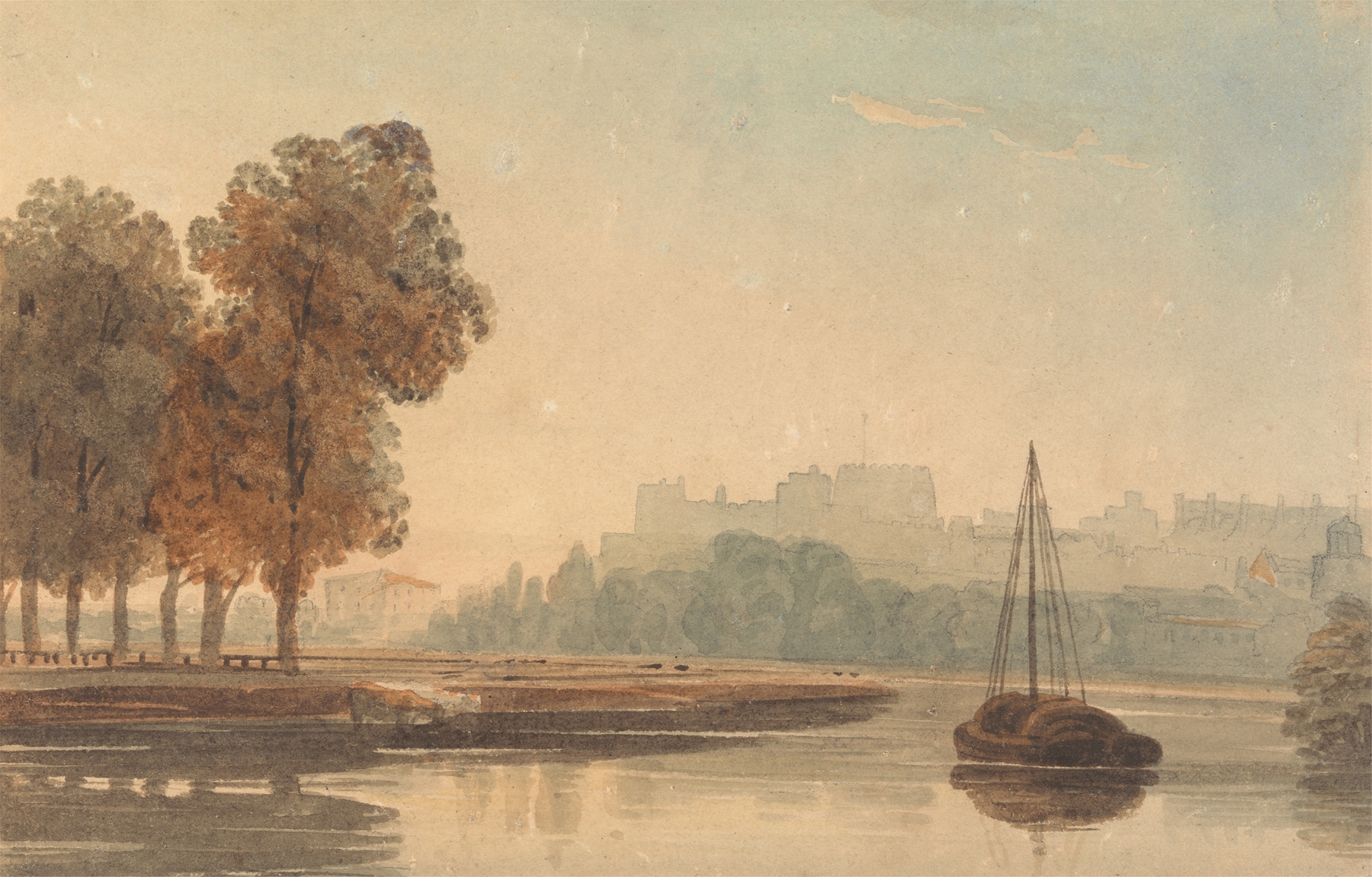
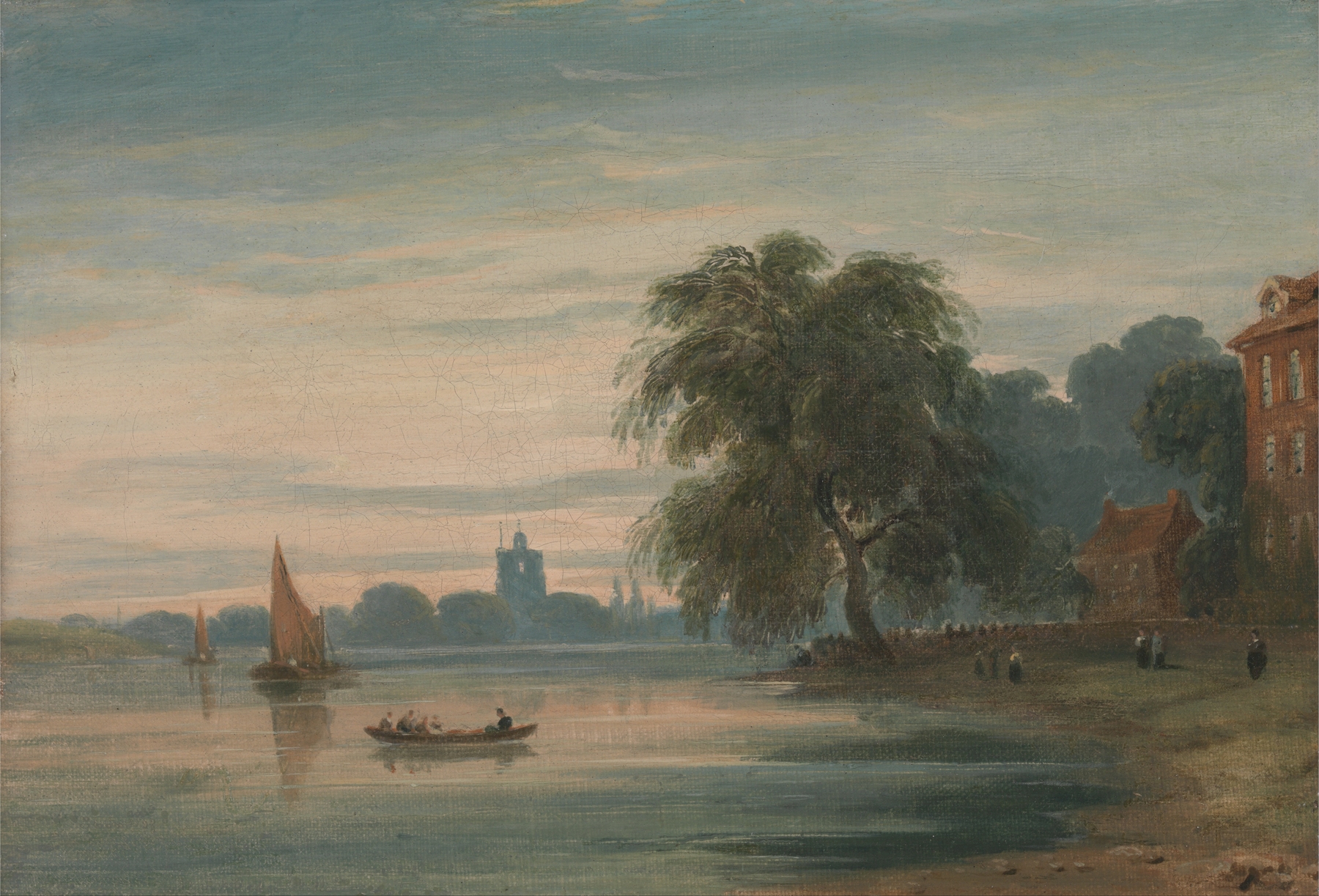
“Sometimes beauty is just pain, disguised in gold.” Time weaves itself through the fabric of existence, capturing fleeting moments in a way that both enchants and haunts. Look to the center of the canvas, where the Thames winds gracefully, its water shimmering under a soft, golden light. As your gaze follows the gentle curve of the river, notice the muted blues and greens that contrast with the warm hues of the sunset. The clouds, brushed with soft strokes, seem to echo the calmness of the water while hinting at the turbulent stories hidden beneath the surface.
Varley’s delicate brushwork invites the viewer into a serene yet charged atmosphere, one that beckons contemplation. Yet, amid the beauty, there lingers a sense of confinement. The looming structure of the penitentiary in the background symbolizes the constraints of society, a stark contrast to the liberating flow of the river. This juxtaposition of nature and man-made structures speaks to the passage of time and the weight of history—each ripple in the water carries a whisper of the countless souls who have crossed its path.
The painting captures a world caught between the allure of freedom and the shackles of reality. In 1816, Varley painted this work during a period of societal upheaval in London, as the Industrial Revolution began to reshape the urban landscape. He was immersed in the burgeoning Romantic movement, where artists sought to express emotion and the sublime through nature. This piece reflects both the beauty of the Thames and the somber reality of the penitentiary, encapsulating a moment of stillness in a rapidly changing world.