Vale of Clwyd, Wales — History & Analysis
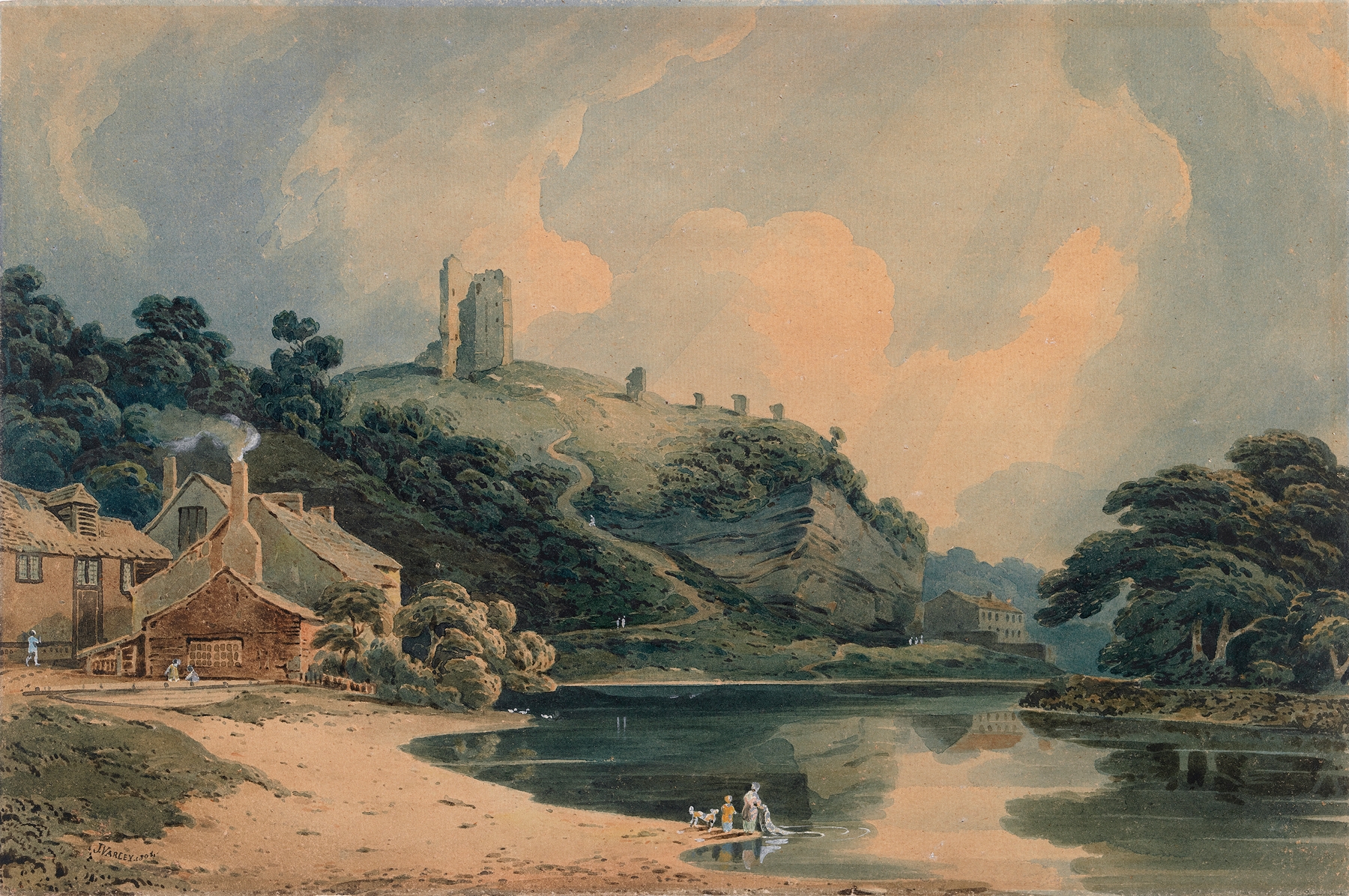
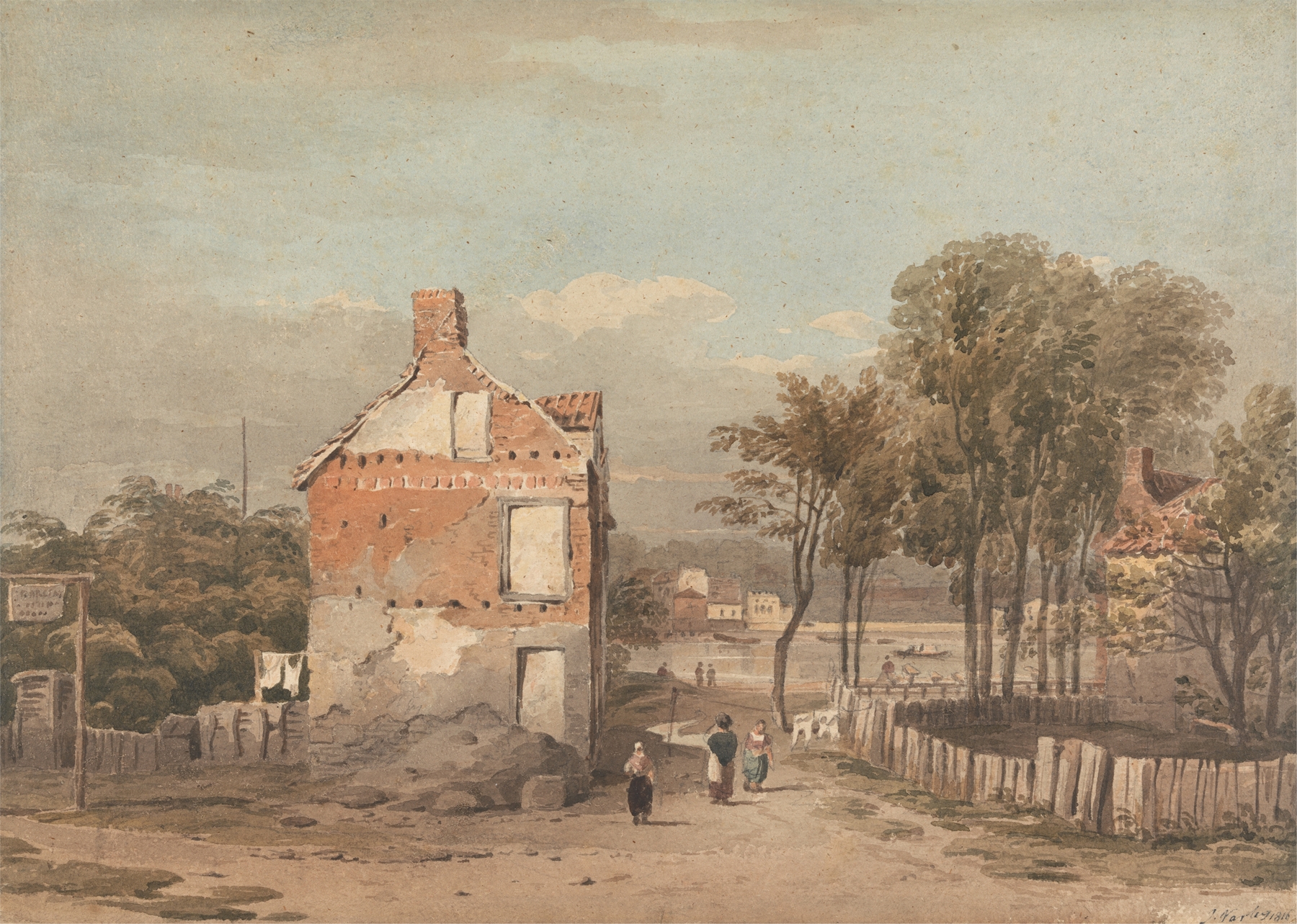
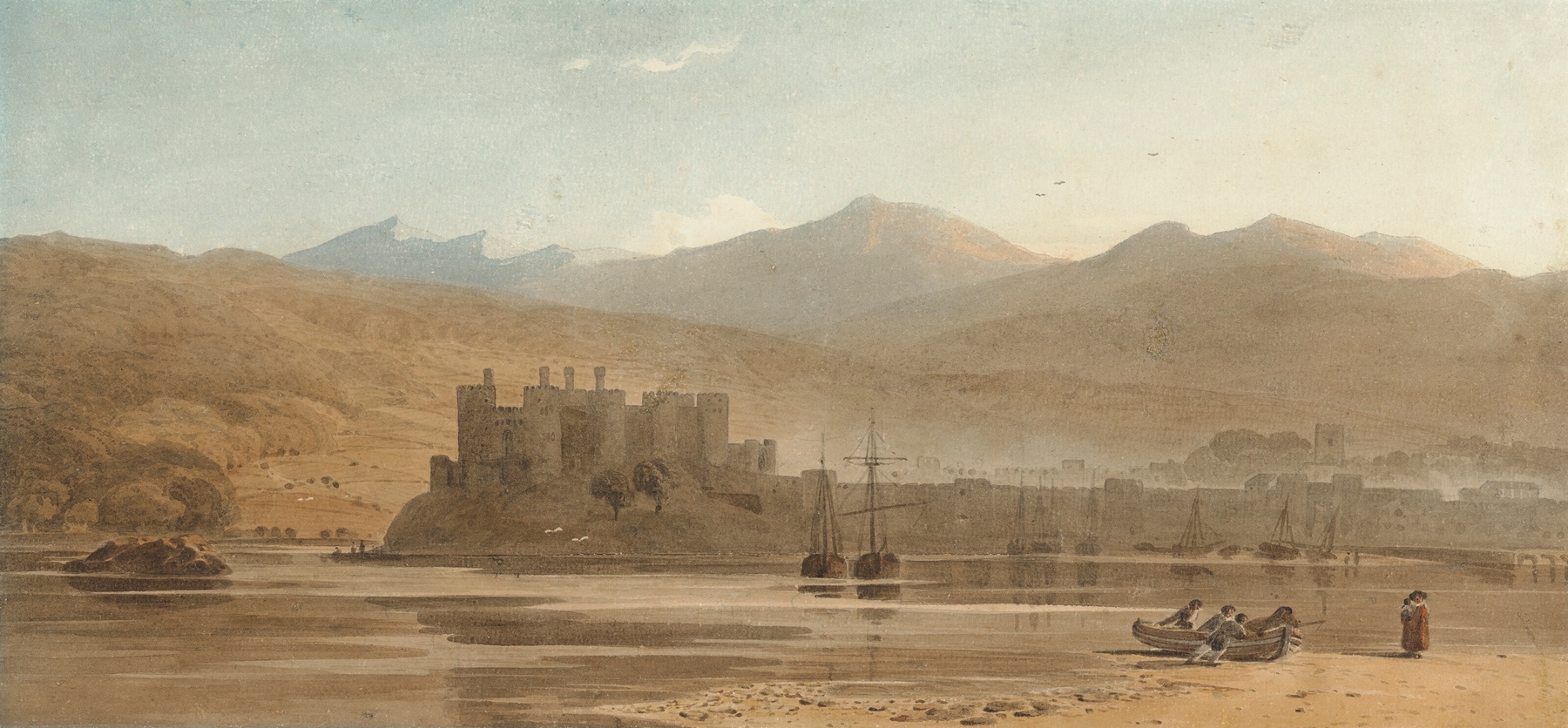
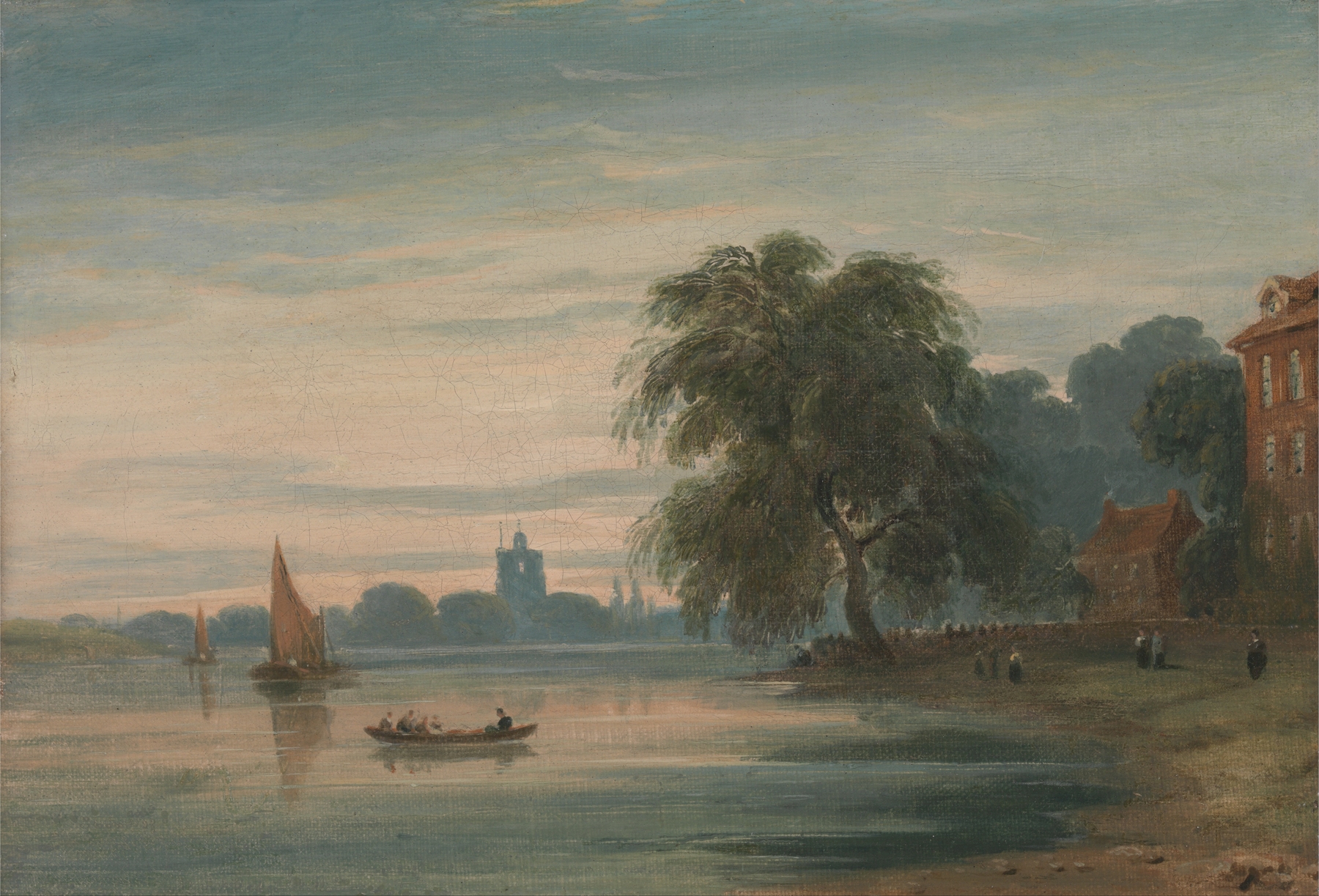
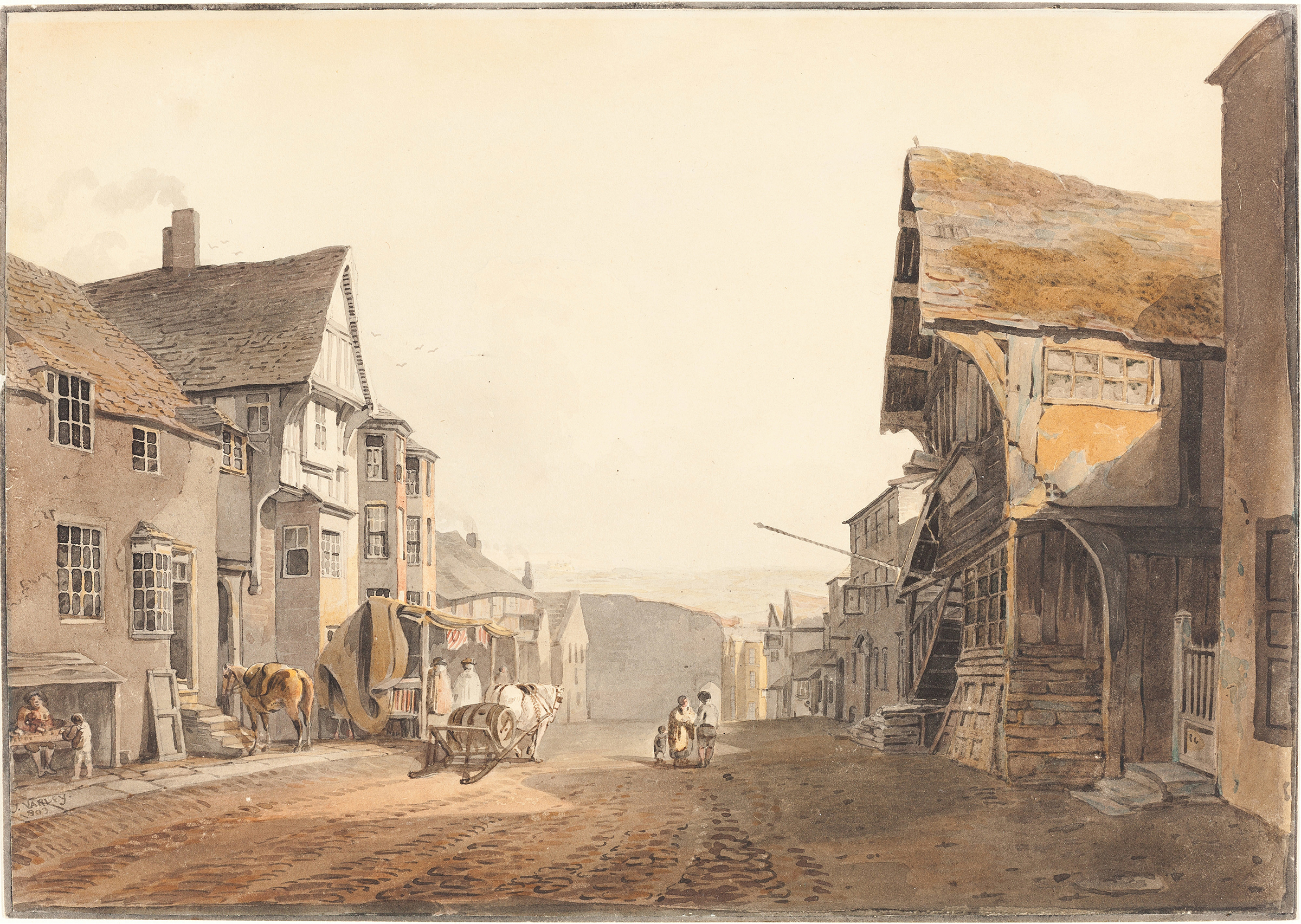
“Art reveals the soul when the world turns away.” It captures the essence of the ecstatic beauty that can emerge from nature, inviting us to pause and reflect on the sublime. The brushstrokes of an artist's hand carry the weight of emotion, transforming the ordinary into something transcendent. Look to the foreground of the painting, where rolling fields stretch across the canvas, their vibrant greens contrasting sharply against the soft blues of the sky. Notice how the sunlight bathes the landscape, illuminating every blade of grass as if inviting the viewer to step into this verdant paradise. The subtle blend of watercolor techniques creates a sense of ethereality, while the careful composition leads the eye towards the distant hills, suggesting infinity beyond the visible horizon.
The emotionality of Vale of Clwyd lies in its interplay between serenity and exhilaration. The gentle curves of the valley evoke a sense of calm, while the radiant light suggests an awakening—a promise of untamed joy. In the distance, the clouds appear almost alive, swirling in a dance that hints at the sublime forces of nature, contrasting with the still, contemplative foreground. This duality captures the ecstasy of existence amid the tranquil beauty of the Welsh landscape.
In 1804, John Varley created this piece during a time when Romanticism was rising, with artists embracing nature as a source of inspiration and deep emotion. Working in London, he was influenced by the works of artists like J.M.W. Turner, who were exploring the relationship between light and atmosphere. As Varley painted the Vale of Clwyd, he was not just representing a place but embodying the emotional landscape of his time—a celebration of the natural world that reflected humanity's quest for ecstasy amid the everyday.