The Thames at Windsor — History & Analysis
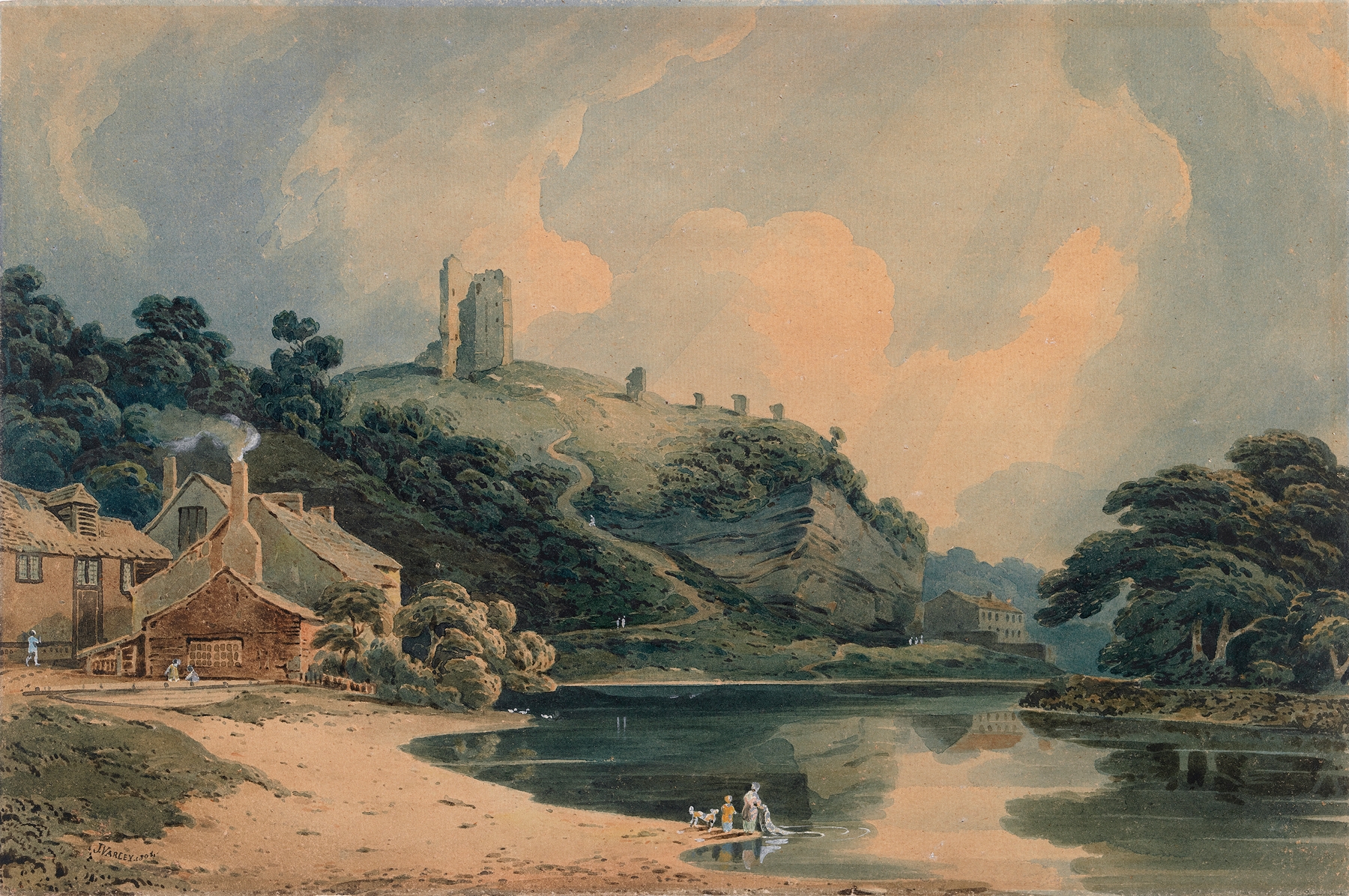
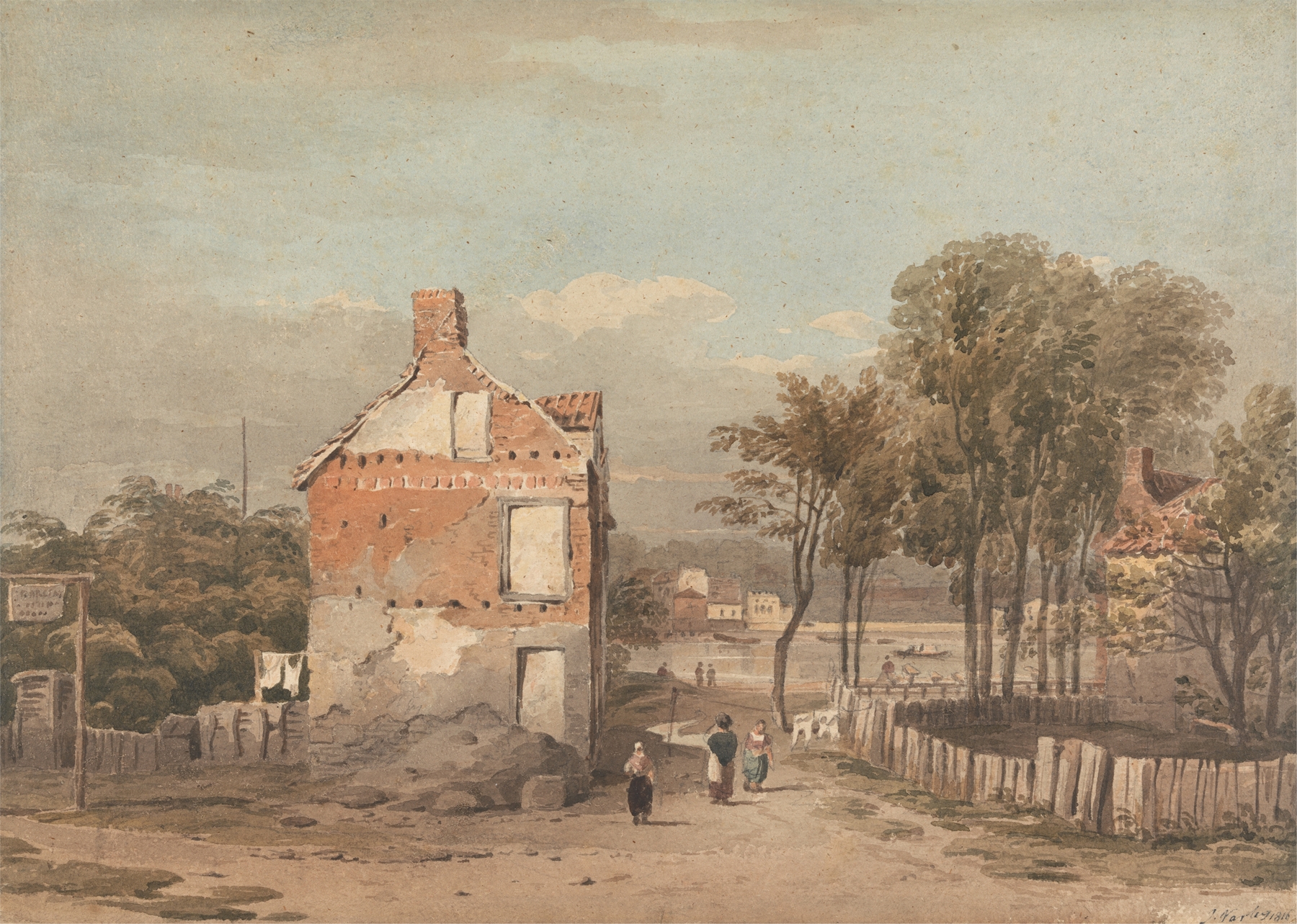
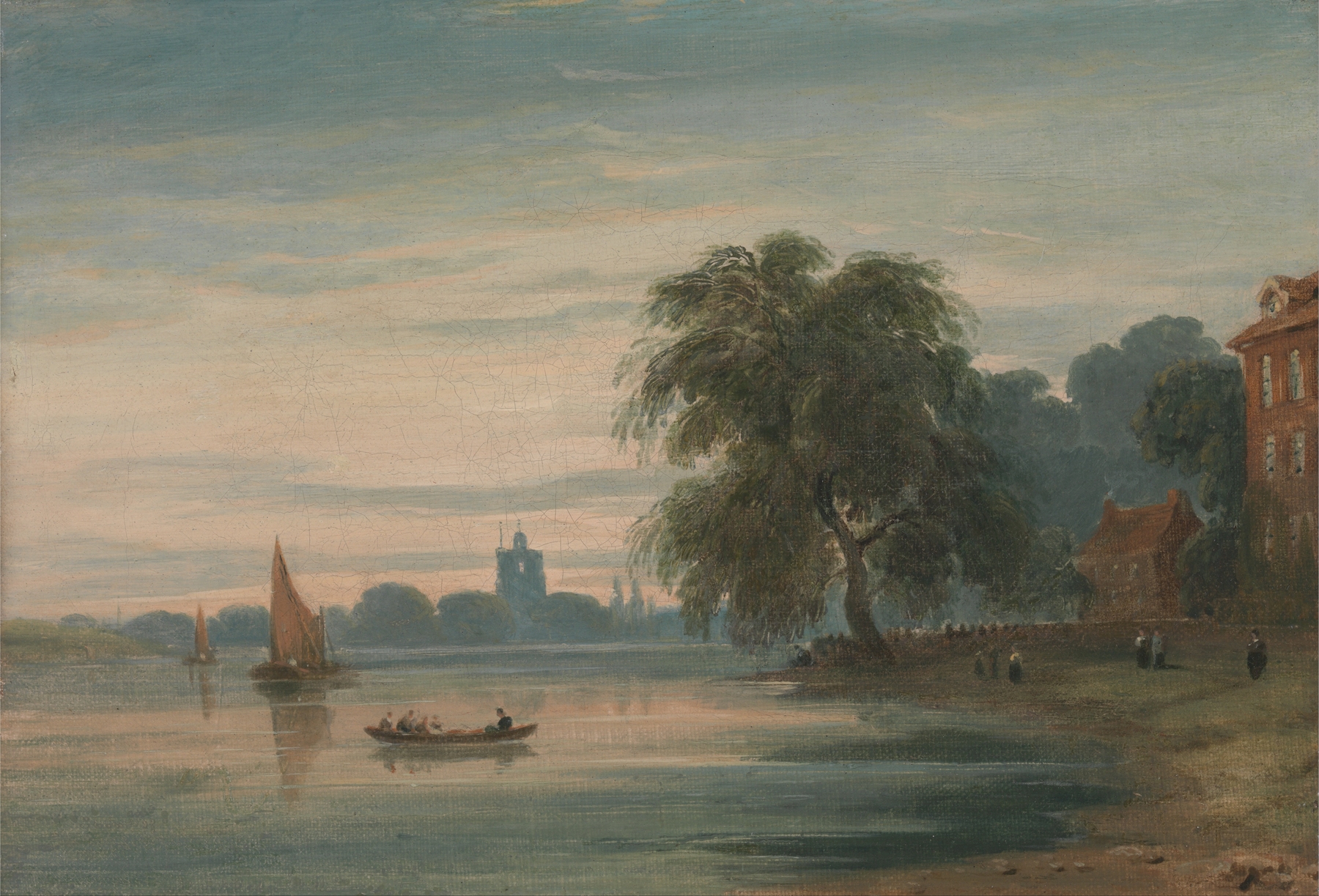
What secret hides in the quiet of the canvas? In a world where the bustling lives of men often overshadow the simplicity of nature, a thin veil of faith and tranquility settles over the river's surface. Look to the left at the gentle curve of the Thames as it meanders through the landscape, cradled by lush greenery and soft, rolling hills. The artist employs a delicate palette of blues and greens, contrasting light and shadow to evoke the serenity of dawn. Notice the reflections dancing in the water, each ripple telling a story of patience and the passage of time.
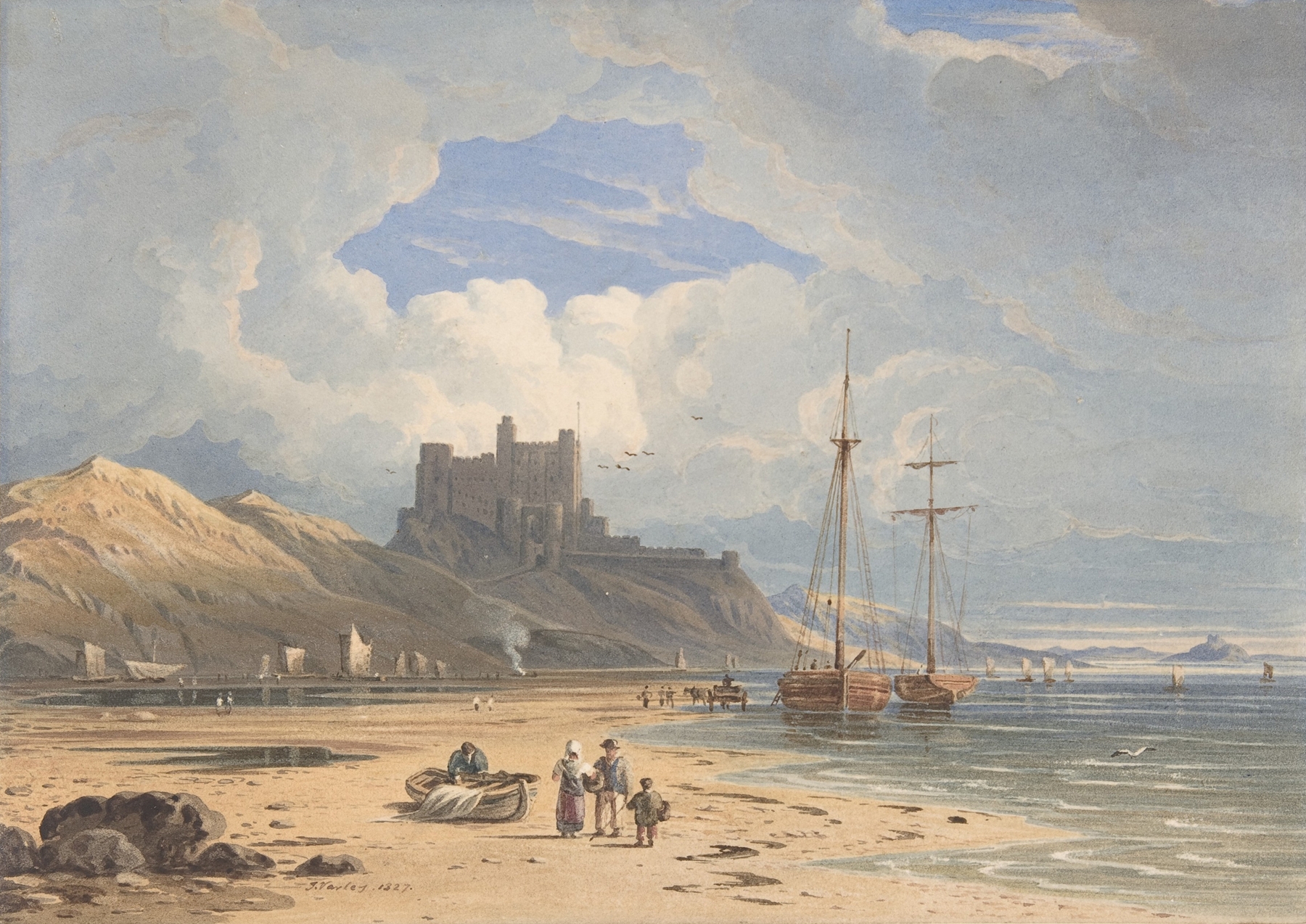
The figures on the riverbank, though small, draw the eye, their gestures inviting a sense of connection to the natural world around them. Beneath the harmonious surface lies a complex interplay of solitude and companionship. The brushwork suggests a stillness that evokes introspection, as if the viewer is meant to ponder their own relationship with nature and faith. The distant boats and figures seem to symbolize humanity's connection to the divine, anchored yet free, caught between the tangible world and the ethereal.
This balance speaks to the vulnerability and strength inherent in faith. In 1830, John Varley was immersed in the Romantic movement, exploring themes that bridged the gap between nature and the spiritual. Living in London, he was influenced by the burgeoning appreciation for landscape painting, reflecting the era's shift towards the sublime. This piece captures a moment of stillness amid the growing industrialization around him, a testament to his belief in the beauty of the natural world and its inherent mysteries.