Canale della Giudecca in Venedig — History & Analysis
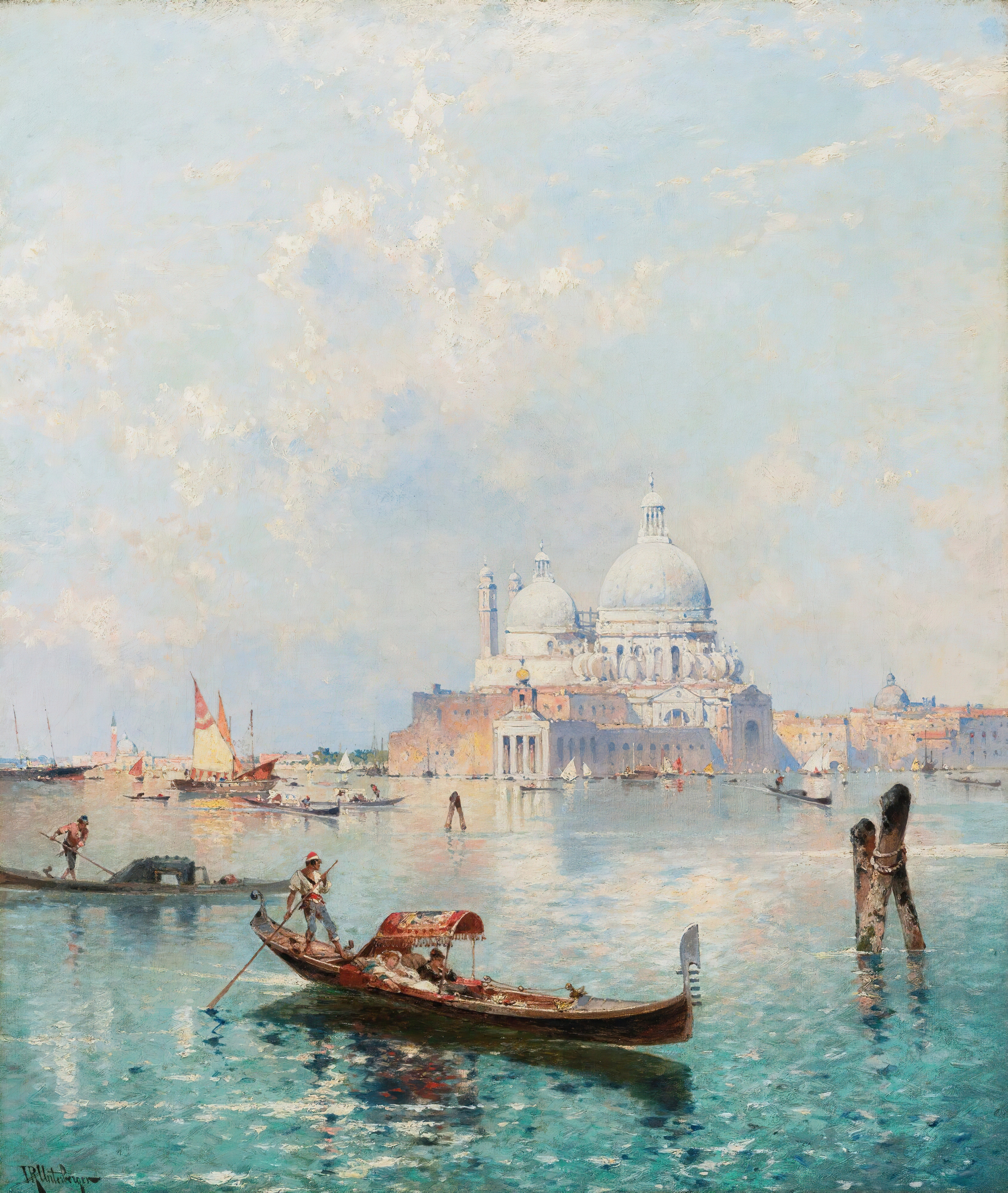
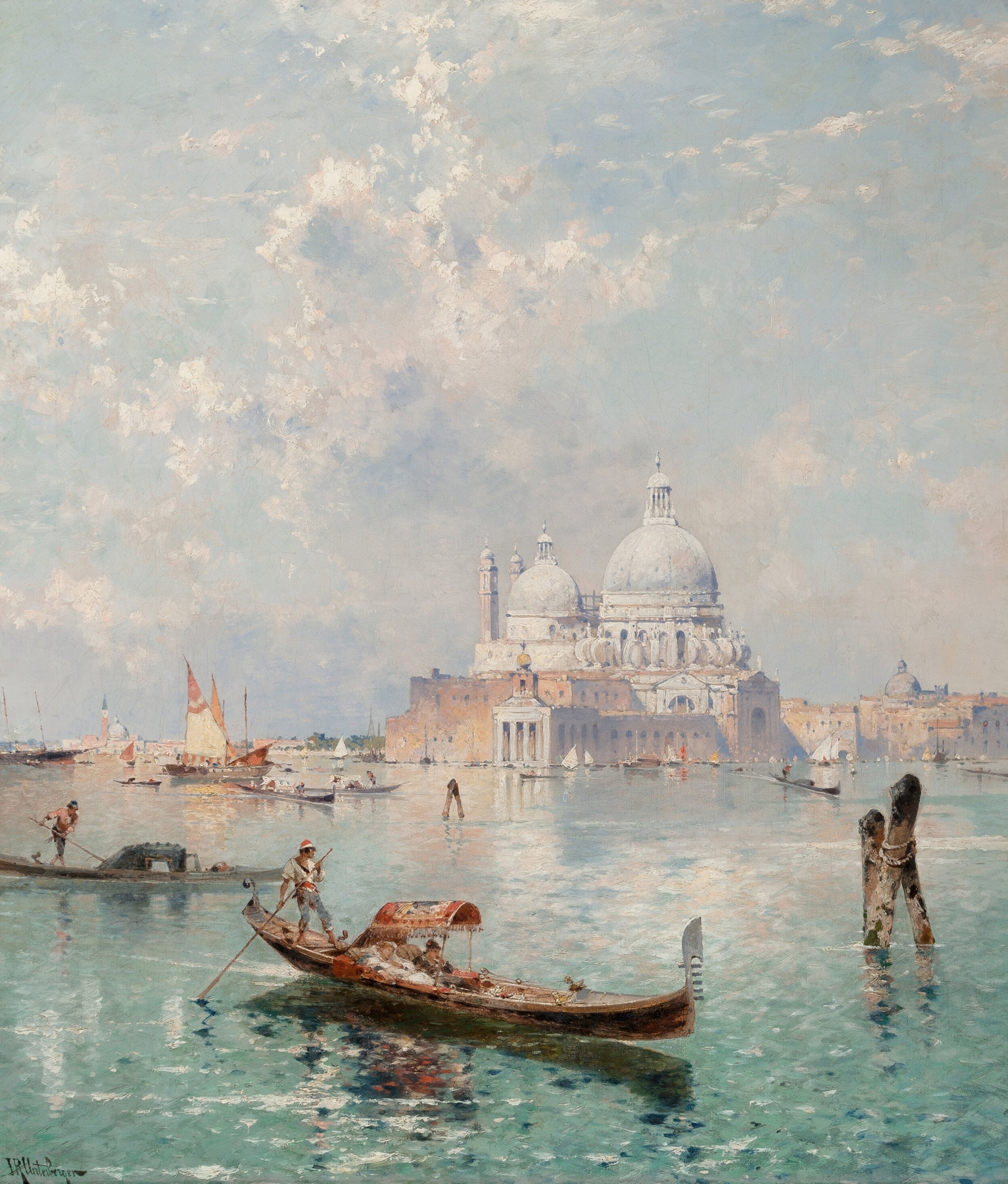
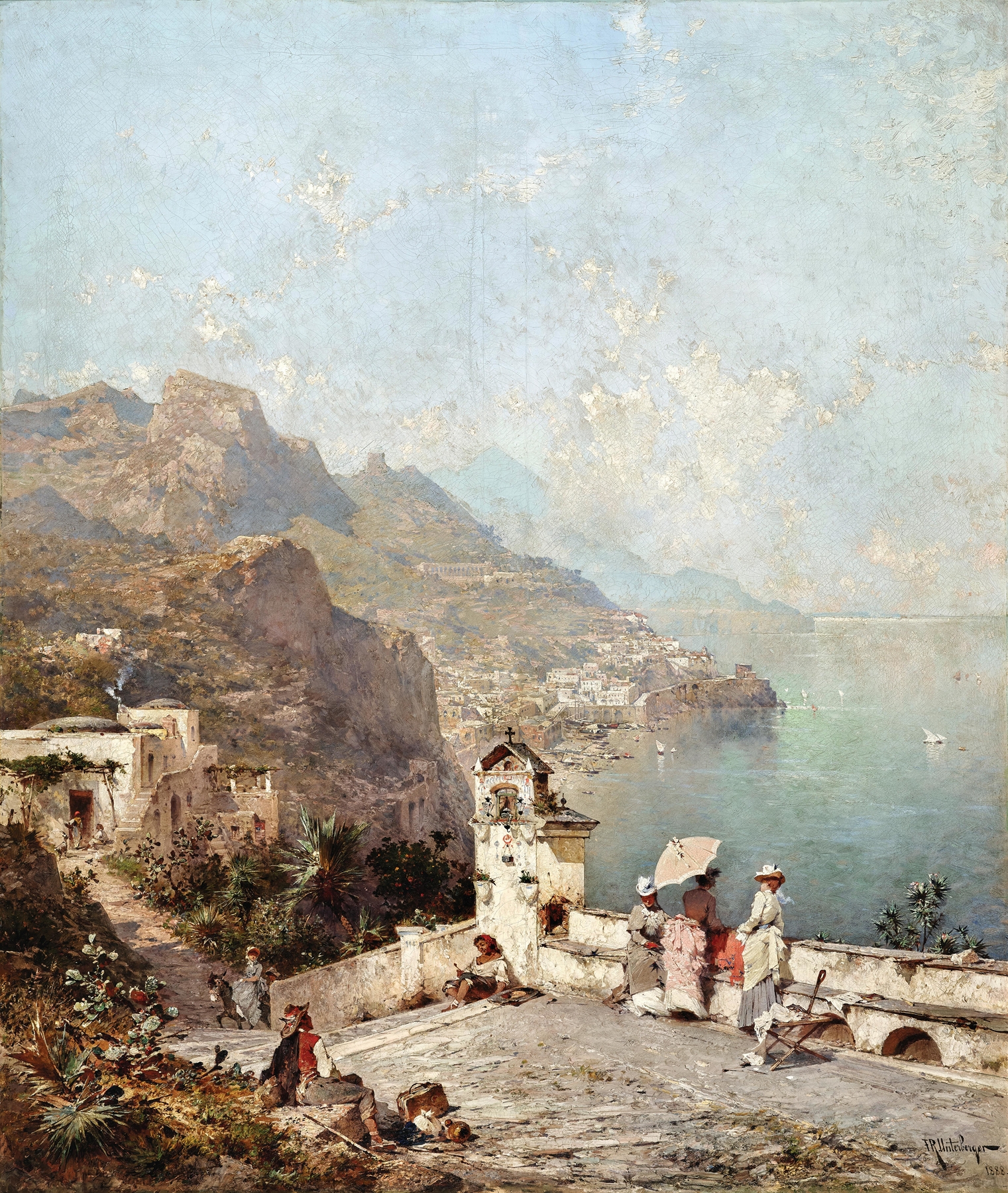
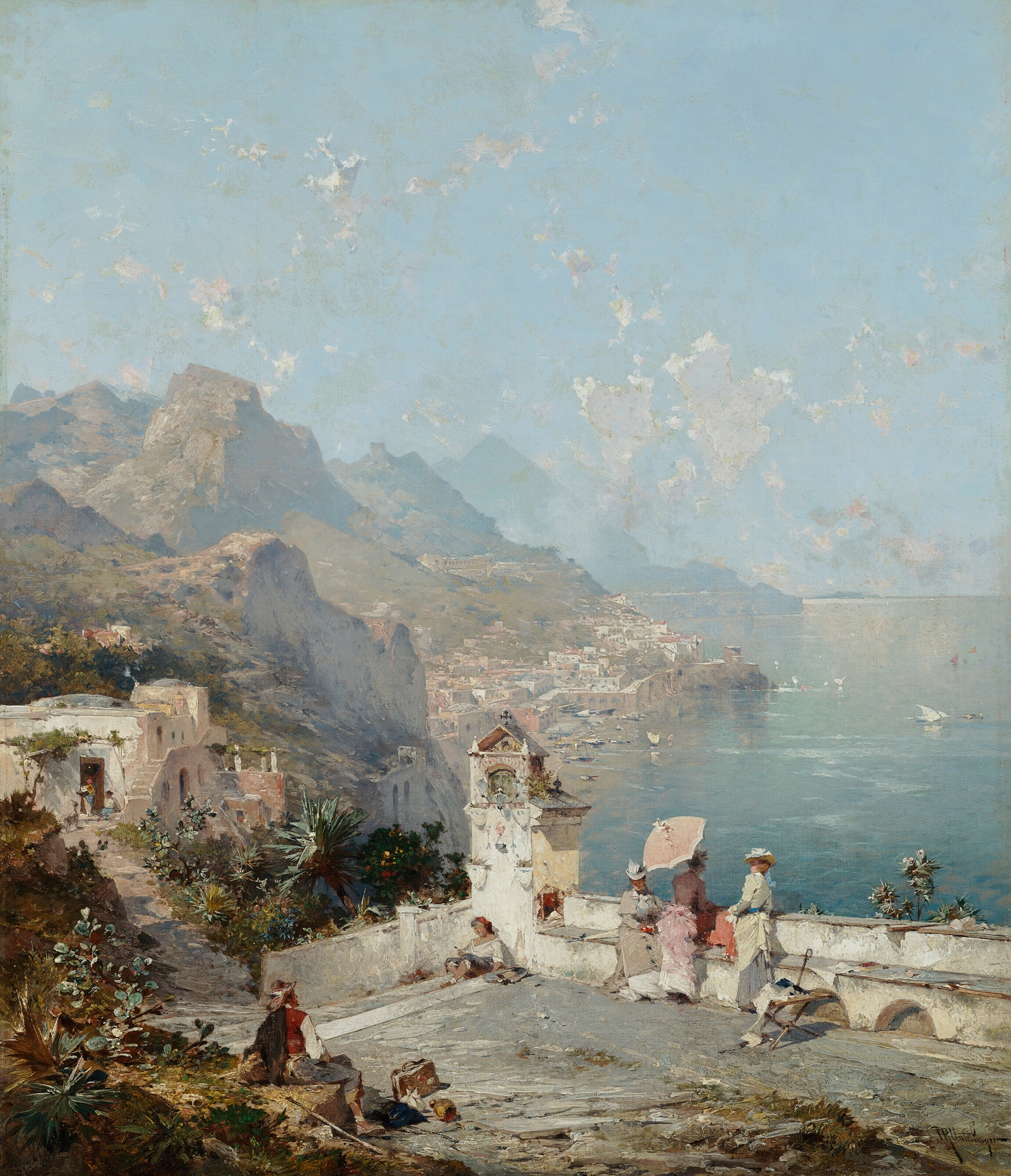
Can paint confess what words never could? In the stillness of Canale della Giudecca in Venedig, an aching solitude emerges from the rippling waters, whispering of all that has been lost. Look to the left at the gentle curves of the buildings, their facades bathed in the soft glow of the setting sun. The delicate strokes create a symphony of colors—rose, amber, and cerulean—each hue melting into the next, capturing the fleeting nature of twilight.
The boats, mere silhouettes against the vibrant backdrop, seem to carry stories untold; their stillness contrasts with the fluidity of the water, inviting viewers to ponder what lies beyond the painted borders. Delve deeper into the composition, where the reflections on the canal hint at hidden depths and layers of memory. The interplay of light and shadow reveals not just the physicality of Venice, but the emotional weight of absence and nostalgia. Even the clouds lingering above are laden with silence, as though observing a world steeped in longing—a reminder of how beauty can often be intertwined with sorrow.
Franz Richard Unterberger painted this piece during a time of great transition in the art world, likely in the 19th century, when Impressionism was beginning to reshape artistic expression. As he captured the essence of Venice, he was influenced by both the romantic nostalgia for the past and the growing urge for modernity. His choice to depict Venice's timeless charm reflects his own experiences in this city—a place that was both inspiring and melancholic, a fitting backdrop for the exploration of loss and memory.