Amalfi Coast — History & Analysis
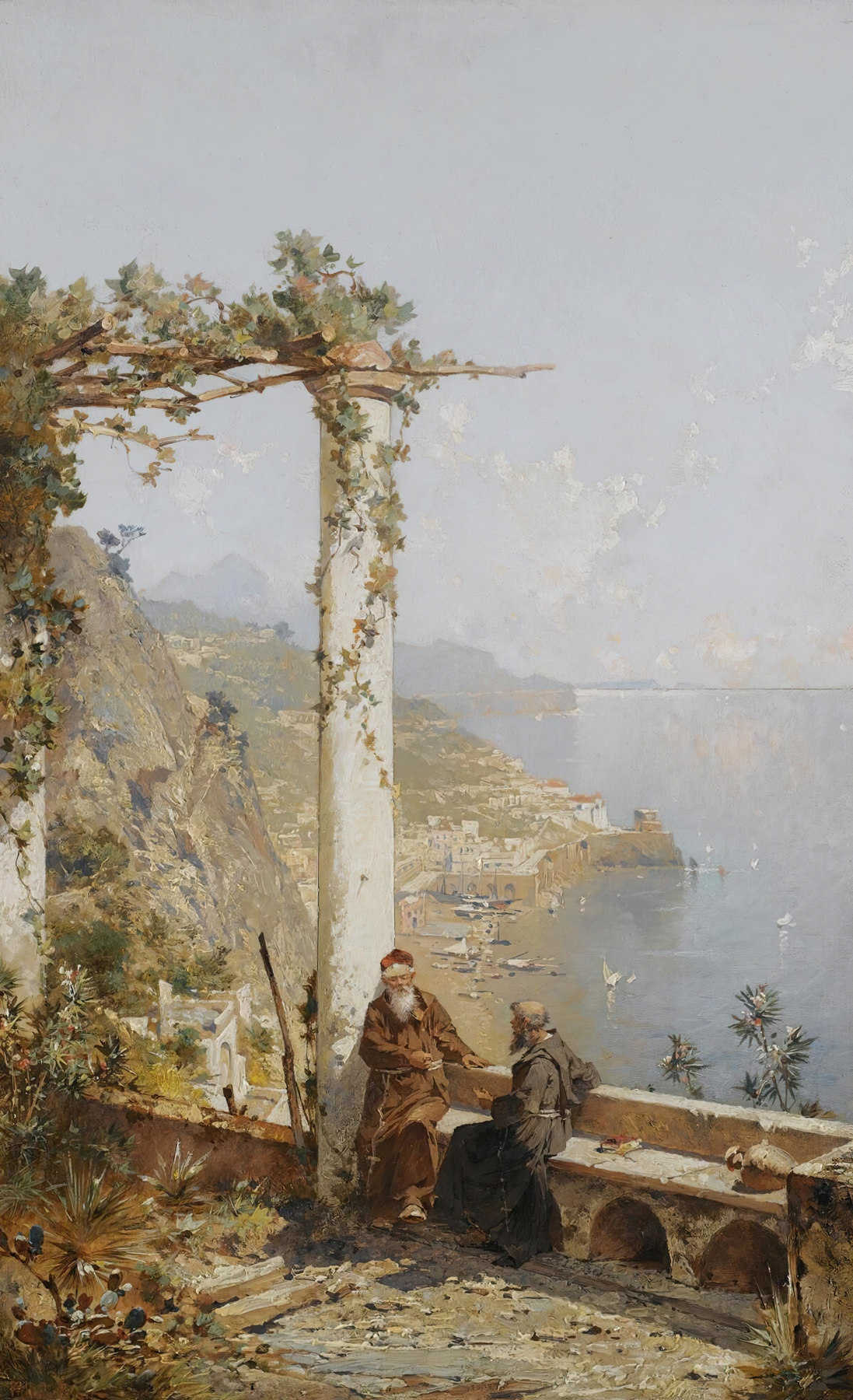
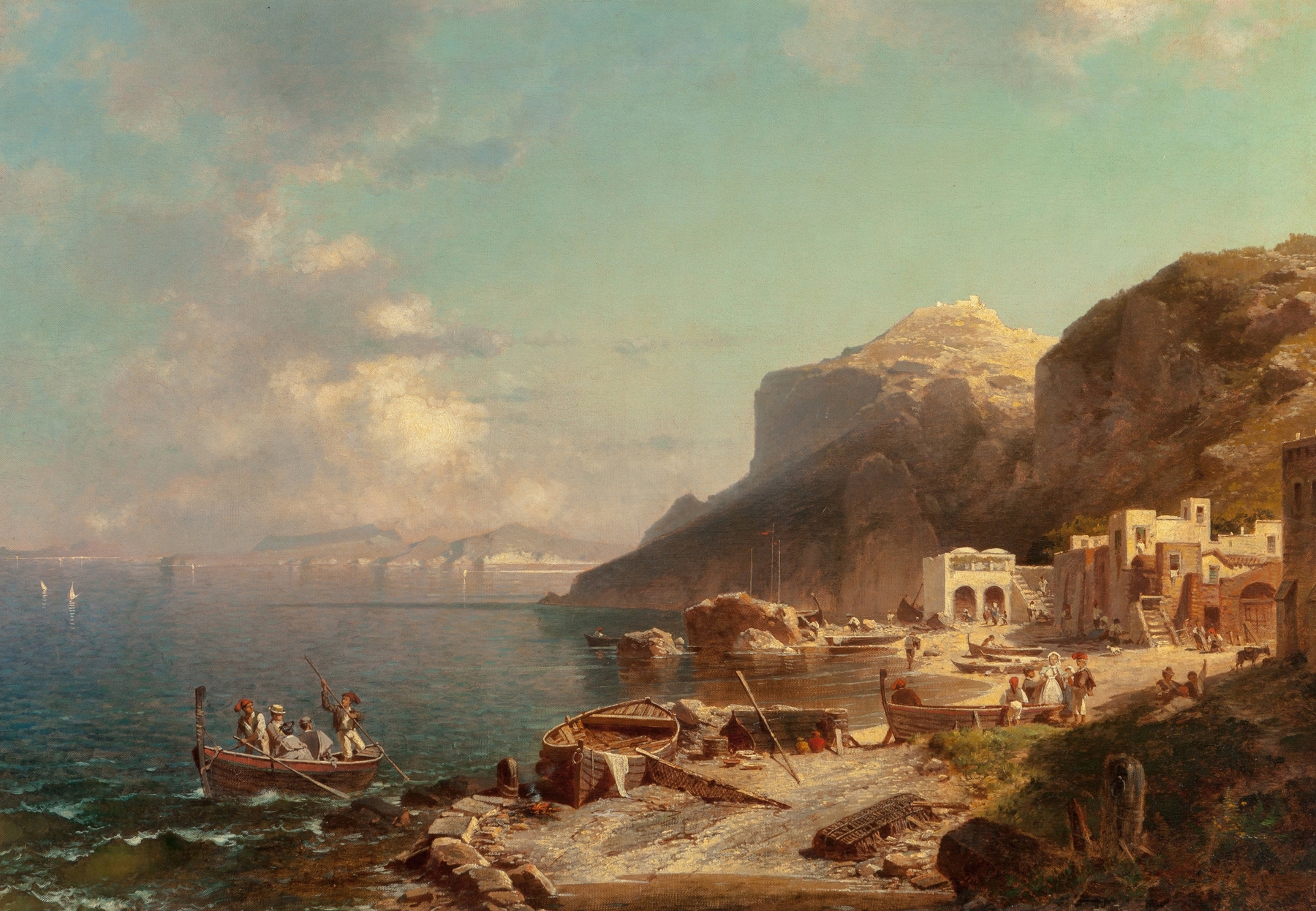
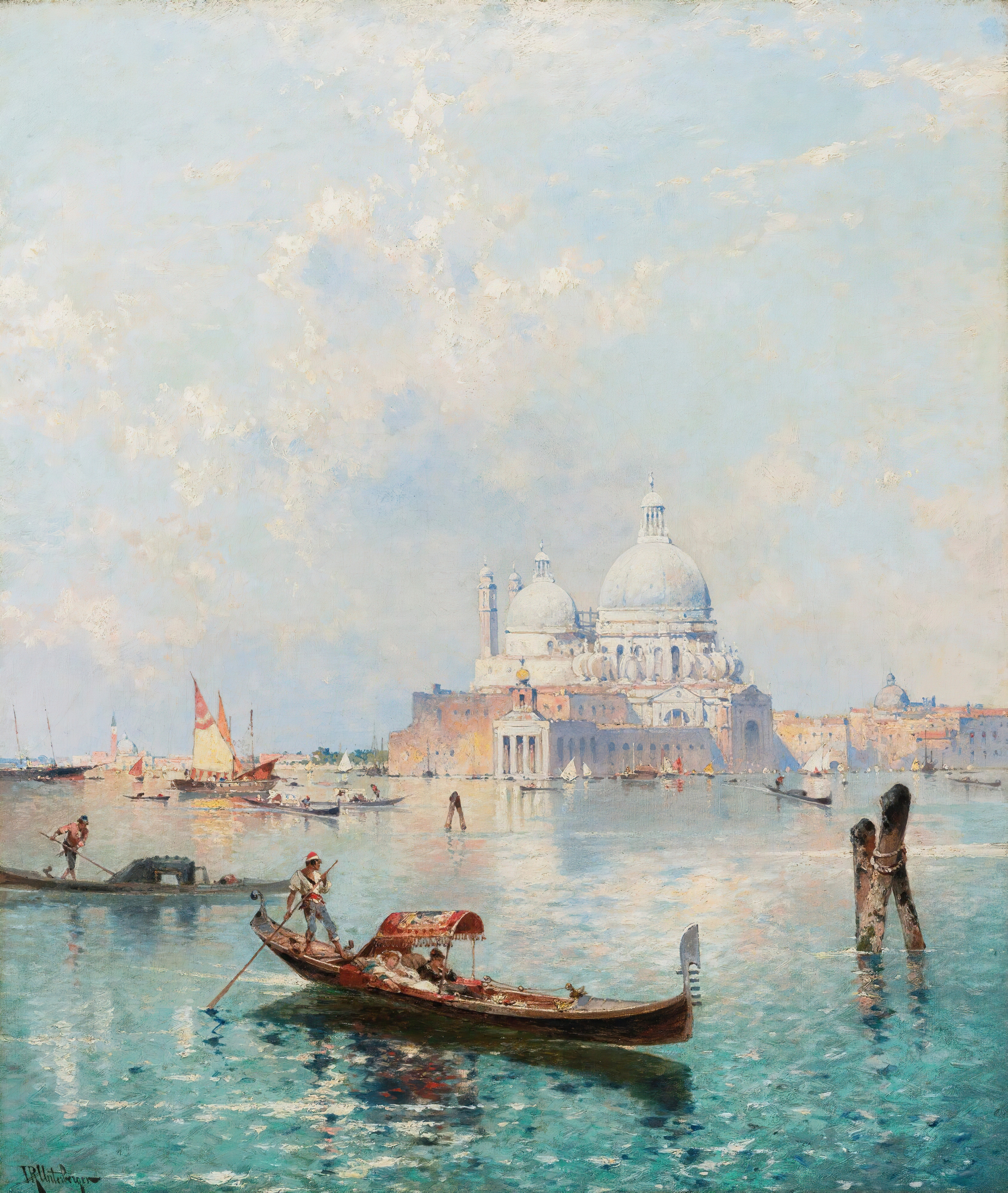
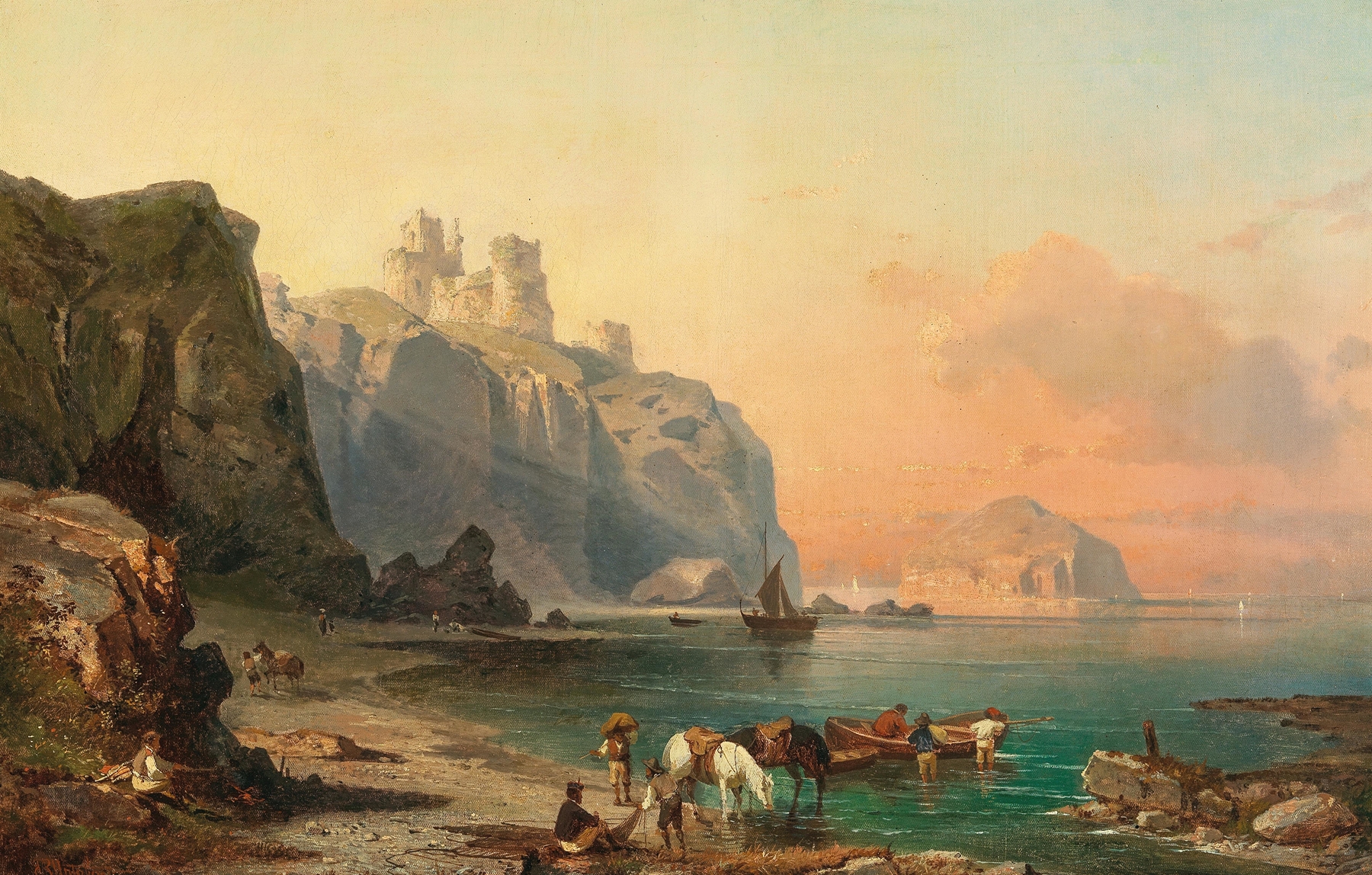
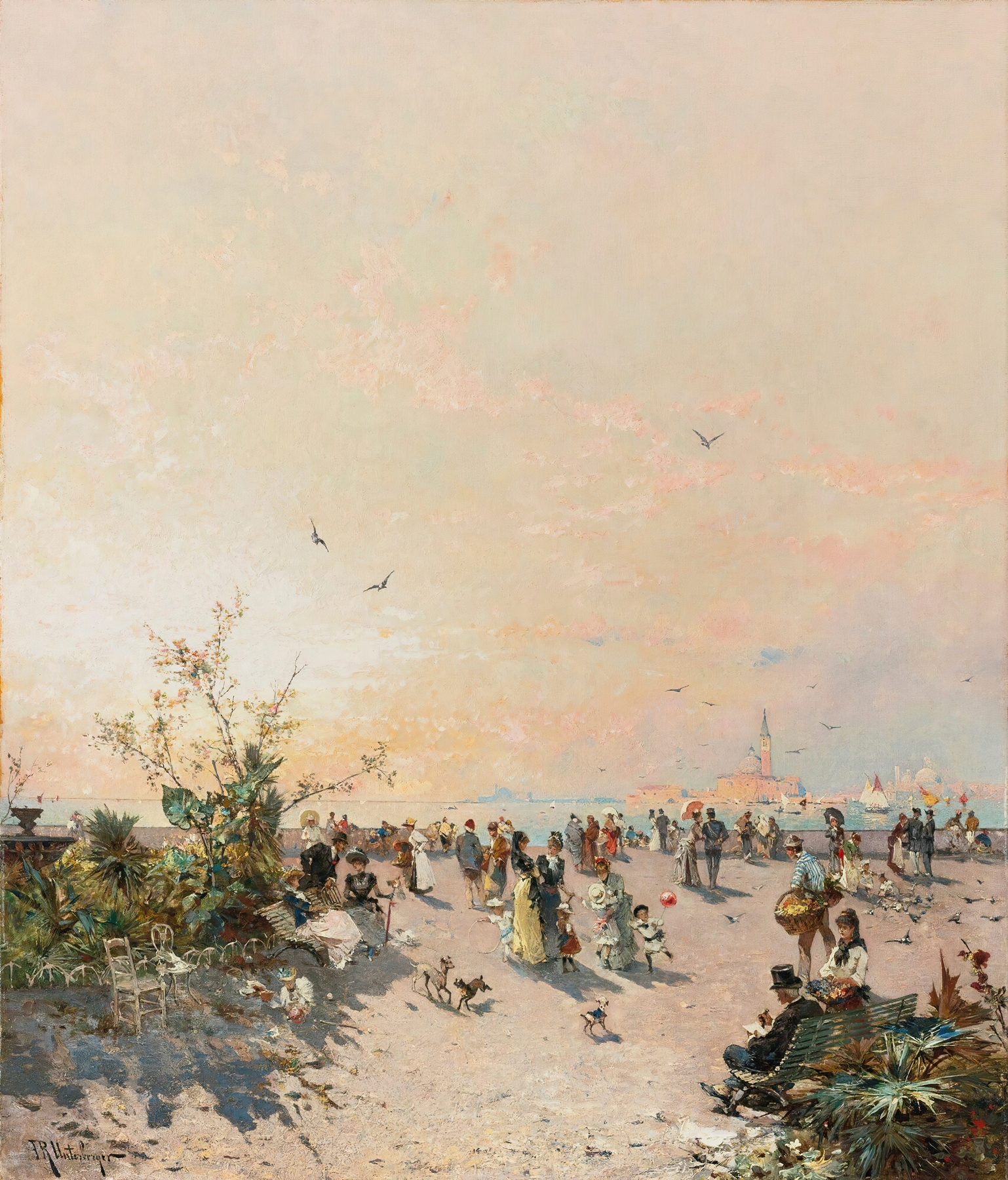
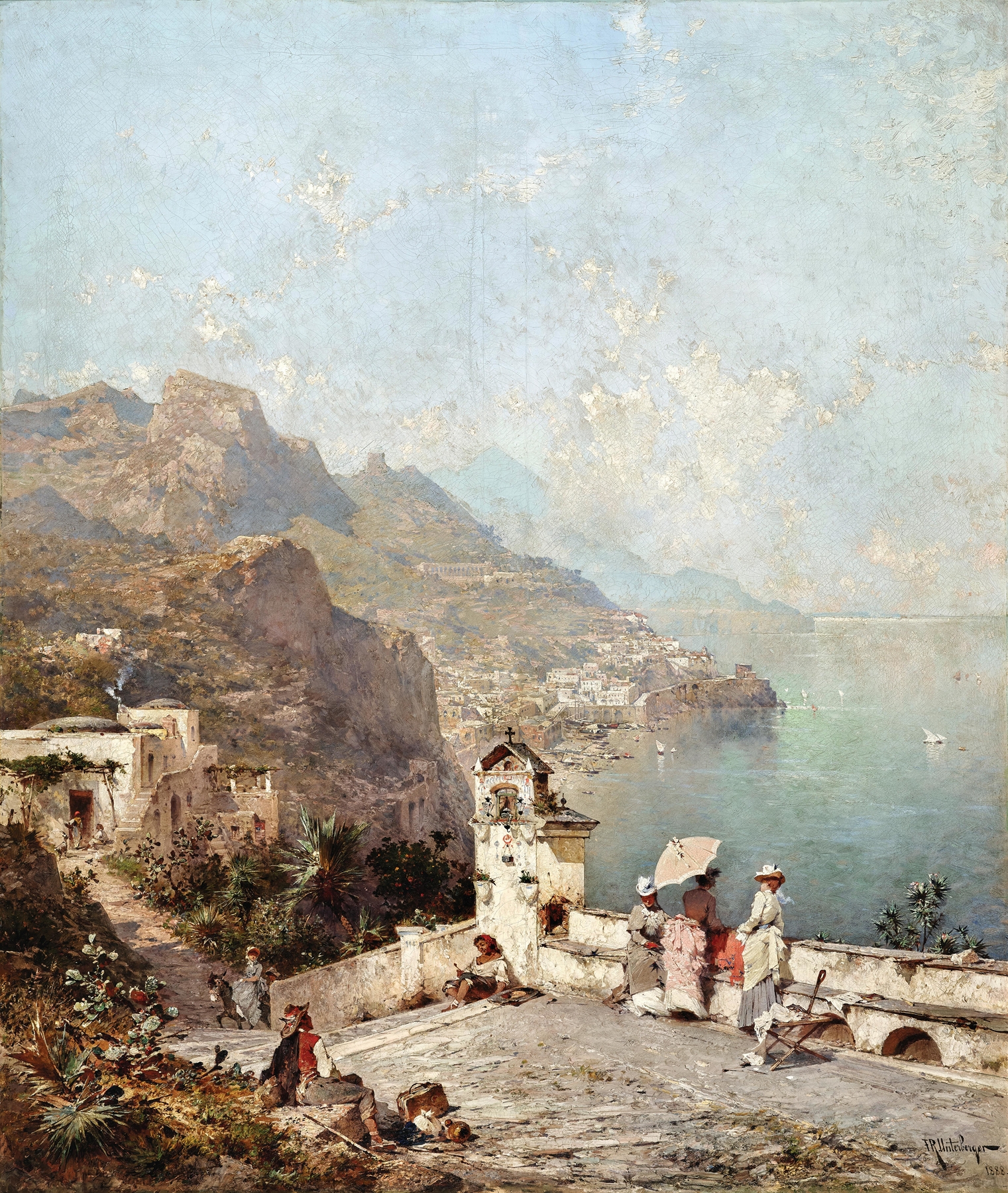
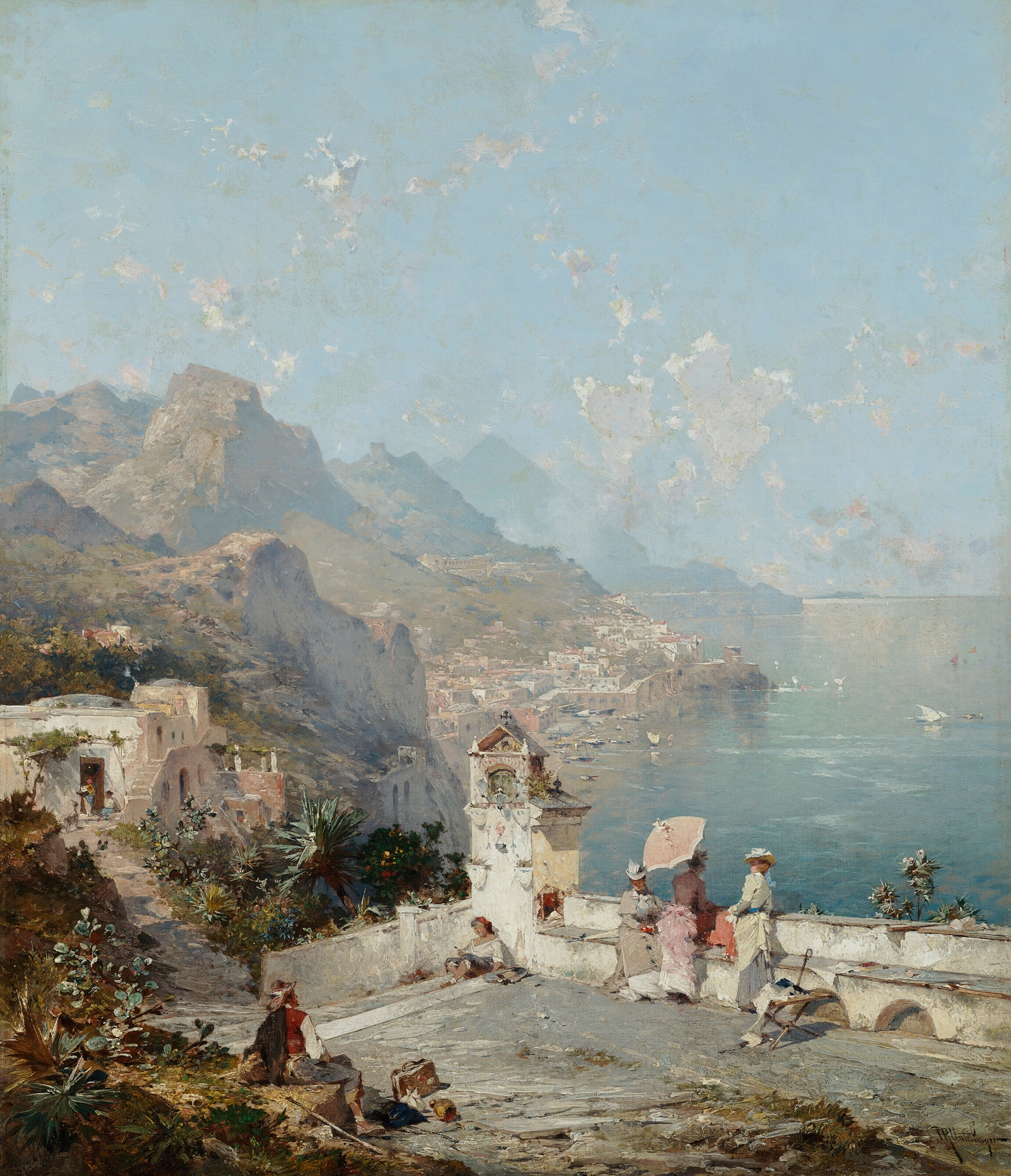
“Sometimes beauty is just pain, disguised in gold.” In the gentle embrace of the Amalfi Coast, hidden truths linger beneath the surface of breathtaking vistas. Legacy intertwines with landscape, inviting us to explore the histories embedded in these picturesque scenes. Look to the far left, where sun-kissed cliffs rise dramatically, their textures rendered with vivid brushstrokes that capture both the warmth of the sun and the cool shadow of the sea. Notice how the azure waters glitter, reflecting the brilliant hues above, while vibrant flowers in the foreground burst with color, a stark contrast to the ruggedness behind them.
Each element is meticulously composed, creating harmony amid chaos, as the artist deftly balances vibrant color with light and shadow. Digging deeper, one can sense the weight of nostalgia in the painting. The charm of the coastline belies the struggles of those who have lived and loved here, their stories etched in the land like the waves that shape its shores. The flowers, though radiant, whisper of fleeting moments, a reminder that beauty often comes with the acknowledgment of transience.
The serene sea, ever-changing yet constant, mirrors the duality of joy and sorrow that accompanies such idyllic views. Franz Richard Unterberger painted this work during the late 19th century, a period marked by an increasing fascination with Italian landscapes among European artists. Living in Munich but captivated by the allure of the Mediterranean, Unterberger's travels to Italy shaped his artistic vision. As Impressionism gained prominence, he embraced its principles while remaining rooted in a more traditional approach, creating a bridge between the old and the new in the realm of landscape painting.